Are you tired of watching your savings slowly dwindle in traditional investments while costs keep rising? I’ve had those same concerns, and that’s why I started looking beyond the usual routes.
Real estate investing in Provo, UT offers a strong mix of stable returns, an active rental market, and solid appreciation—making it a serious contender for anyone seeking new ways to grow wealth.
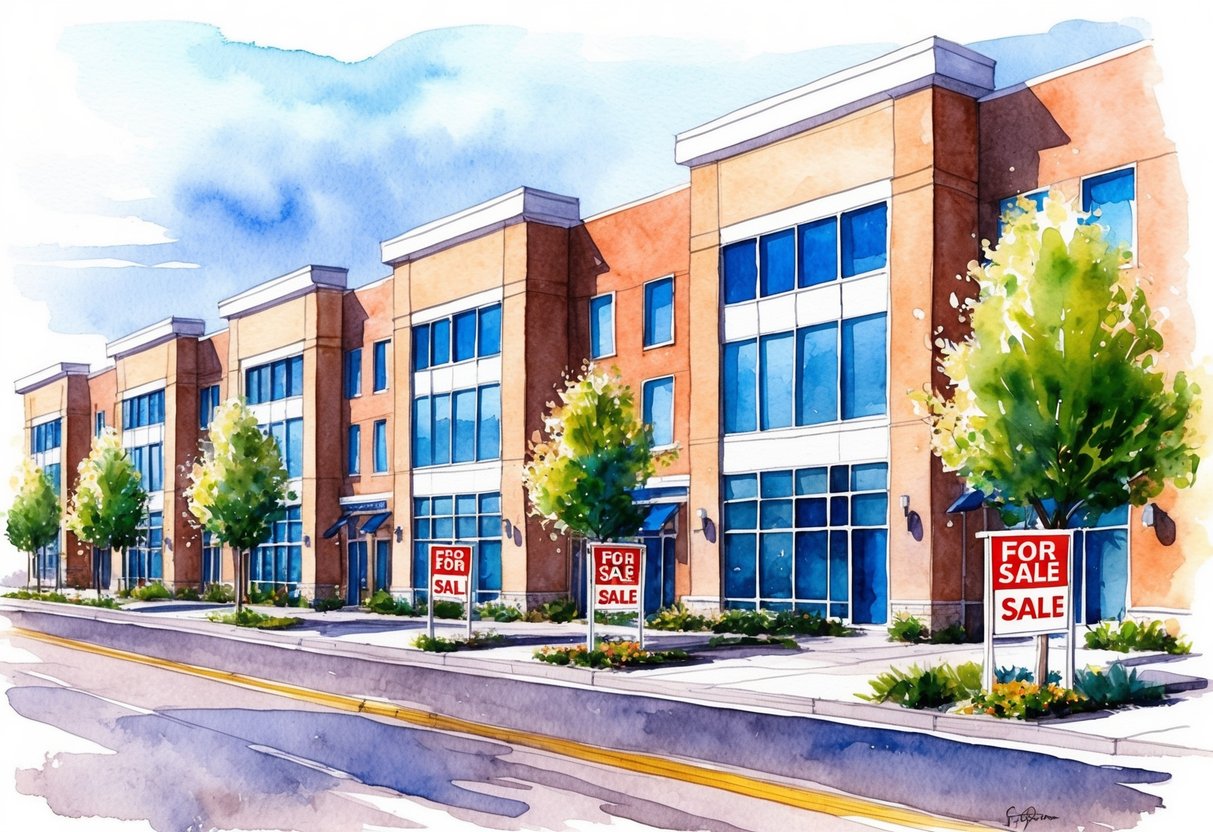
What makes Provo stand out? The city’s economy is thriving, property prices have stayed competitive, and the need for rentals keeps climbing.
From duplexes to fourplexes and apartment buildings, there are many options to fit different goals and budgets. If you’ve ever wondered if now is the right time to take a new path, Provo’s market might be exactly what you’ve been searching for.
Key Takeaways
- Provo’s real estate market shows steady growth and demand.
- Many types of properties are available to suit different investor plans.
- Rental properties here offer a chance for stable income and appreciation.
Understanding the Provo Real Estate Market
Provo, Utah’s real estate market shows patterns that set it apart from other cities in the region. This area’s housing scene is shaped by solid economic growth, high demand, and a unique mix of local drivers.
Current Housing Trends in Provo
Provo’s housing market has seen steady change. The median listing price for homes in early 2025 was about $490,000, with prices showing a slight dip compared to the previous year.
While this might sound surprising, it offers a rare opening for buyers who have watched prices climb for years. Homes in Provo do not spend long on the market.
Most houses attract attention quickly, especially those near major highways and shopping areas. The price per square foot averaged $262, signaling strong value when weighed against larger metro areas.
Rental demand is also high. Investors looking for cash flow will want to note that vacancies remain low, which helps support rental prices.
Key Neighborhoods and Areas
Not all neighborhoods in Provo deliver the same returns or opportunities. The 84604 area, which covers much of north Provo, often stands out for price appreciation and desirable schools.
These areas are especially appealing to families seeking long-term homes and investors searching for properties that hold value. Downtown Provo has more multi-family housing and is home to many renters, including students and young professionals.
Nearby, areas close to Brigham Young University create steady demand for both single-family homes and apartments. I find that properties near main highways often rent out faster due to easy commutes.
If growth is what you want, these neighborhoods offer options.
Market Drivers and Future Outlook
Why does Provo’s market behave this way? The answer lies in its strong economic growth, a growing population, and ongoing job creation.
Tech companies and educational institutions keep drawing people in, which tightens the housing supply and fuels competition. Job growth in the region outpaces national averages.
Are you wondering if Provo can keep this up? As long as new residents arrive for jobs and education, the local real estate market should remain resilient.
Investors must still watch for shifts in interest rates and infrastructure changes, such as new highways, which can quickly shift area demand. Thoughtful analysis and timing are key in this market’s future.
Types of Investment Properties in Provo
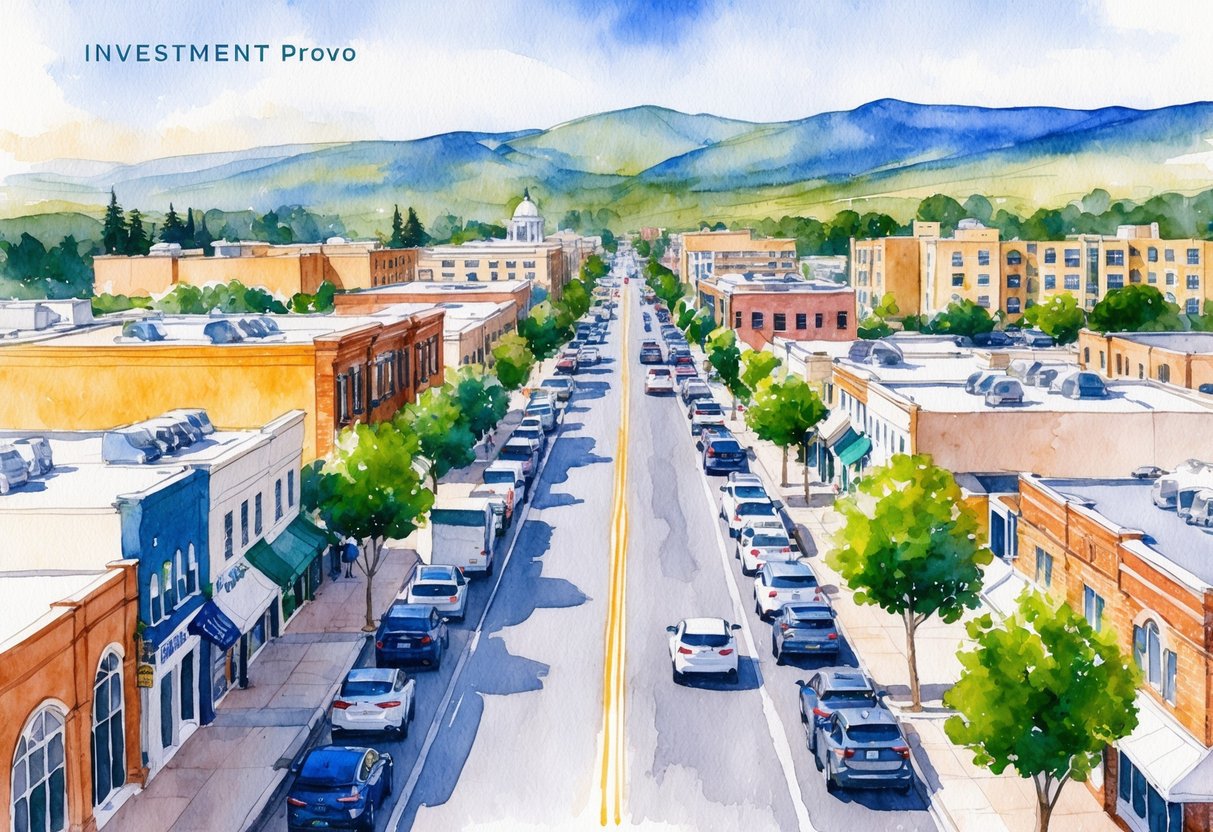
Provo offers a wide range of investment property choices, each geared toward different goals and risk levels. Property types vary in price, flexibility, and demand, letting me match a strategy to my ambitions.
Single-Family Homes
When I think about stability in real estate, single-family homes are often my go-to. These homes attract long-term renters, usually families or professionals.
They tend to offer an open layout and plenty of natural light, which appeals to tenants wanting a comfortable home, not just a place to sleep. Maintenance is usually more manageable in single-family homes since there’s only one unit to handle.
I also find that resale value often holds steady in this property class. Single-family homes in Provo span everything from starter houses to high-end builds, so I get flexibility based on my budget and targets.
Let’s not ignore financing. Lending is typically straightforward here.
Banks see single-family homes as lower risk. If I want to exit, I know the resale market is strong thanks to steady local demand and family-oriented buyers.
Condominiums and Apartment Complexes
For those looking for scale, investing in condominiums or apartment complexes changes the game. Consolidated under one roof, these units often address Provo’s need for affordable housing and appeal to college students, young workers, and retirees.
Multi-unit properties generate multiple streams of income. If one unit sits empty, others can cover my mortgage.
Plus, from an investment property point of view, small apartments or condos allow me to diversify even within a single building. With apartments and larger complexes, professional management becomes attractive.
I can hand off tenant screening, rent collection, and maintenance, freeing my time for higher-level decisions. Provo’s mix of condos and apartments ranges from two-unit duplexes to larger, purpose-built investments.
Vacation Rentals and Group Homes
Short-term rentals and group homes are a different animal. Provo attracts visitors for events, business, and campus activities, making vacation rentals worth a look.
Platforms like Airbnb let me target tourists and short-stay renters, opening the door to higher per-night rates compared to longer leases. Regulations and seasonality are factors I can’t ignore.
I need to check city rules before jumping in. Group homes—like those for students or assisted living—meet critical needs in the community.
They offer versatile use, sometimes filling gaps in traditional housing options. A vacation rental or a group home may take more work, as turnover is higher.
But in return, they can boost cash flow when managed well, especially in a market as dynamic as Provo’s.
Investment Strategies and Approaches
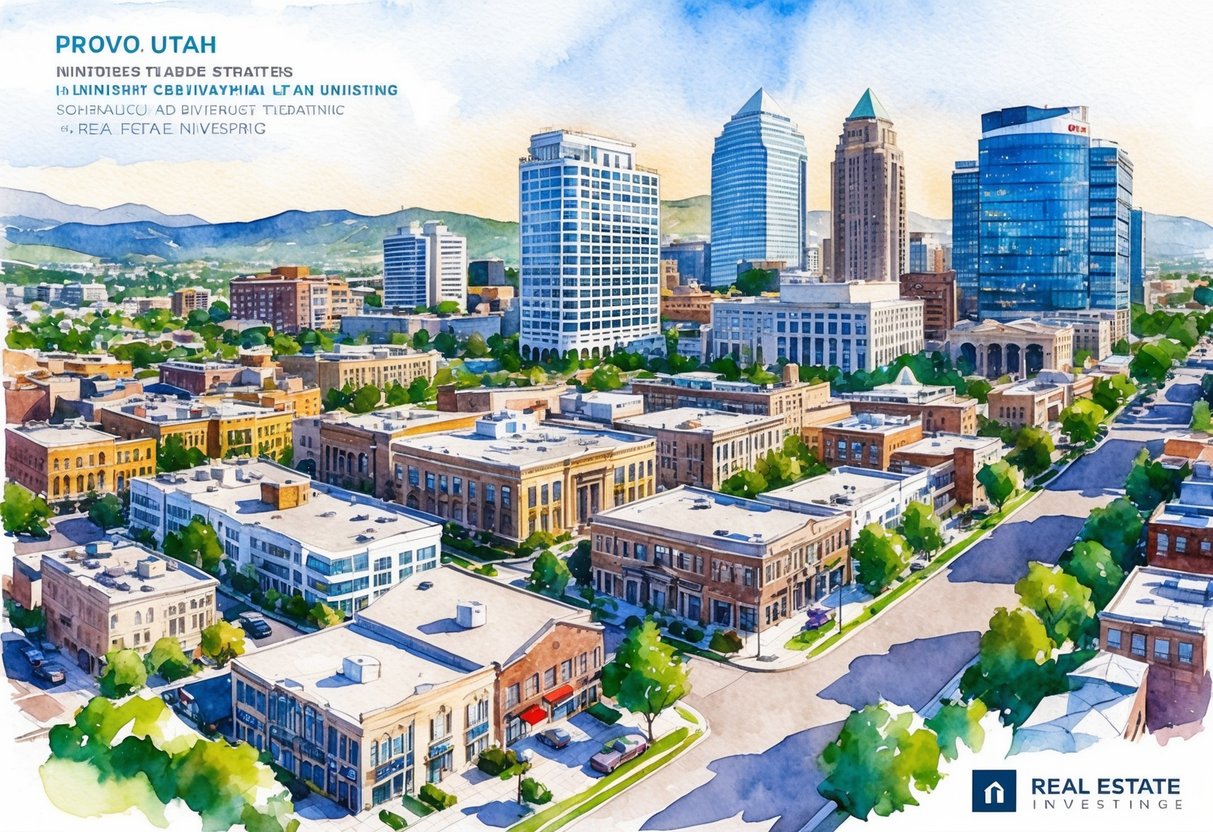
Smart real estate investment takes a clear plan, sharp analysis, and a willingness to act while others hesitate. I look for profit in both stable cash flow and value growth over time, not just hype or trends.
Buy and Hold Investment
When I buy and hold property, I’m not just collecting rent. I’m building long-term wealth and securing steady cash flow.
In Provo, demand for rental property is high, especially with its strong local economy and steady population growth. I choose properties in good locations with access to schools, jobs, and shopping.
In these areas, vacancies stay low, and rental income is more reliable. I also watch appreciation potential by looking at past price trends and ongoing development in the area.
The real benefit stacks up over years. Property values can rise and rents often increase as well, helping my total return.
As a bonus, tax advantages like depreciation can lower my yearly tax bill. I focus on maintaining each investment property well, so tenants stay longer and my costs stay predictable.
If you want to see how local investors manage this model, look at Provo’s high rental demand and appreciation trends.
Fix and Flip Opportunities
Fix and flip is for those ready to act quickly and manage risk. Here, I look for properties that can be bought below market value—maybe they’re old, worn out, or just plain ugly.
The goal is simple: renovate smart, sell fast, and capture the difference as profit. I always run the numbers first.
What will repairs cost? How long before the house sells?
What’s the real after-repair value? Local contractors and real estate agents become my allies here—I ask questions, get bids in writing, and never assume costs won’t creep up.
A successful flip in Provo depends on timing and having cash or fast financing in place. The local market can shift, and holding costs eat into profit.
That’s why I keep a clear checklist:
- Inspect deeply before purchase
- Prepare a lean repair budget
- Watch resale prices in nearby neighborhoods
- Avoid over-improving for the area
Short-Term vs. Long-Term Rentals
Short-term rentals like vacation or student housing can create high monthly income. In Provo, with its college community and tourism, this can be tempting.
But higher income means higher turnover, more work, and stricter city rules. Long-term rentals usually bring more stable tenants and steady cash flow.
Tenant turnover is lower, costs per month go down, and property management is easier to hand off. Long-term rental property also fits well with a hands-off approach—perfect for investors with other commitments.
I balance risk by considering both models in my portfolio. Sometimes, a mix gives me the best of both worlds—higher income from short stays and stability from long-term leases.
Either way, I track local rules and trends closely, so my real estate investments stay profitable and compliant. For a broad look at which rental strategies perform best, see Provo’s rental opportunities and market research.
Demographics and Rental Demand

Provo’s unique population mix fuels high rental demand and steady income streams. The city’s environment attracts two key groups: college students seeking flexible leases and young professionals desiring modern amenities.
BYU Students and the Rental Market
When I look at Provo, the presence of Brigham Young University stands out. With over 30,000 students enrolled, I see a huge, built-in market for rentals.
Most students prefer apartments near campus, making proximity a top selling point. Students typically sign shorter, 9-to-12-month leases.
As a property owner, I can keep units fresh and adjust pricing more frequently. This is a big benefit if I want to respond to rental demand shifts.
Each fall, the influx of new students means units rarely sit empty. I also notice that parents often help students pay rent, leading to dependable payment histories.
Because of the university’s regulations, many students seek safe, clean housing that meets BYU’s honor code requirements. This shapes the type of amenities and layouts I focus on when investing near campus.
Young Professionals and Families
Provo’s strong job market and tech growth attract young professionals and families. I find that these renters look for stability, longer leases, and modern amenities such as in-unit laundry, reliable internet, and covered parking.
They want communities near schools, parks, or major employers—to simplify busy lives. If I offer properties in safe neighborhoods with easy freeway access, I see more interest and less turnover.
Families with children often value proximity to good schools and quiet streets. I’ve learned that offering two- or three-bedroom units in family-friendly areas increases both retention and rental appeal.
As Provo’s economy keeps growing, so does the need for stable, comfortable rental housing for this group. For more insight into population trends boosting rental demand, I found this Provo-Orem market profile helpful.
Evaluating Rental Properties in Provo
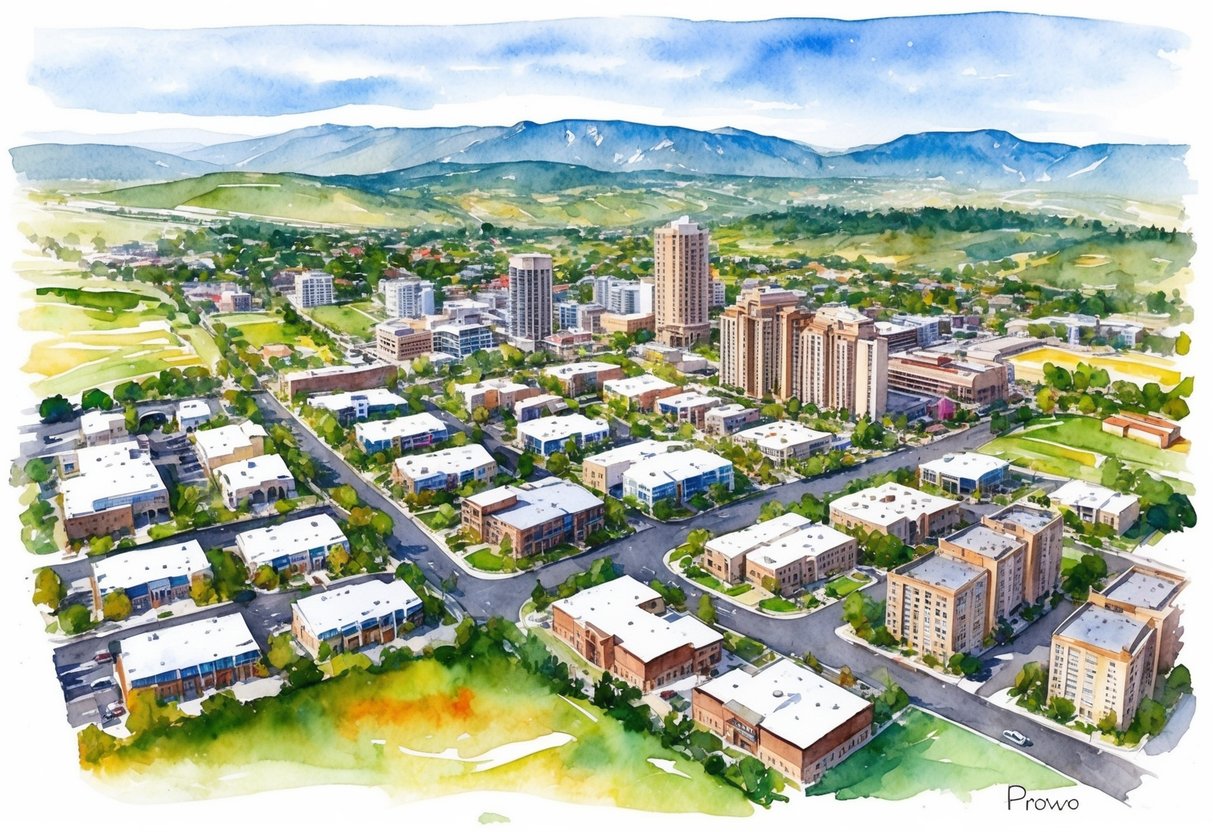
Investing in rental property isn’t about luck. When I look at Provo, I see data, trends, and real-life returns.
If I want income, I get intentional—crunching numbers before making any commitment.
Rental Estimates and Cash Flow Analysis
Before I spend a dime, I dig into rental estimates. Provo’s got Brigham Young University, so rental demand is high, but not every property is a slam dunk.
I pull recent rent listings and chat with a couple of property managers. Then I drop those numbers into a quick table:
Property Type
Estimated Monthly Rent
Expenses
Net Cash Flow
3-bed home
$1,800
$1,300
$500
Condo
$1,200
$950
$250
I always factor in property taxes, insurance, and a 5% to 10% buffer for repairs or vacancy. The gap between rent and expenses is my cash flow.
If the math doesn’t add up to money in my pocket every month, I walk away. Why invest if it’s just going to bleed me dry? I’d rather be honest with myself now than regret it later.
Occupancy Rates and Rental Restrictions
Ever thought about how local rules or tenant turnover can wreck an otherwise great investment? In Provo, I keep a close eye on occupancy rates.
A strong rental market is great, but if city restrictions make it tough to keep units filled, cash flow takes a hit. BYU brings tons of student renters, so vacancy rates might be low, but local rules can limit unrelated tenants or slap on strict licensing.
I always dig into city ordinances, HOA bylaws, and university rental policies. These rules decide who I can actually rent to and how I run the property.
Assuming a unit will always be filled or that any tenant is allowed? That’s a quick way to get burned. If I ignore restrictions, I might get hit with surprise costs or legal problems.
For more on why Provo’s strong rental market leads to steady returns, local experts agree: clear research upfront saves headaches later.
Financing and Affordability

Investing in Provo real estate means I’ve got to stay sharp with my financing strategy and know my budget inside and out. Property values aren’t exactly pocket change, so understanding mortgages, rates, and payment estimates can make or break a deal.
Financing Options for Investors
When I shop for a house in Provo, I see more than just sticker prices—I see choices. Will I go with a traditional mortgage, or maybe a government-backed loan?
A lot of investors lean on conventional loans if they’ve got solid credit and a decent down payment. But FHA or VA loans? Those can open doors for folks who need lower down payments or have less-than-perfect credit.
There are also portfolio loans from local banks. These can be a lifesaver for unusual properties or investors juggling multiple holdings.
Recent Provo investment trends suggest finding lenders who actually get the rental or multifamily market—not just cookie-cutter single-family deals. I always compare lenders to see who fits my plan best.
Interest Rates and Loan Terms
Interest rates hit every dollar I borrow. In 2024 and 2025, rates have hung higher than we’d like, so I’m watching both the rate and the loan term.
A 30-year fixed loan gives me predictable payments, but I’ll pay more interest over time. Shorter terms—15 or 20 years—mean bigger monthly bills but less total interest.
If I’m eyeing a multifamily property, I check multifamily loan options and rates in Provo. Local lenders often have different requirements than national banks, which can affect both my monthly payment and my odds of approval.
Payment Calculators and Affordability Tools
How do I figure out what I can actually afford? I stopped guessing ages ago—I use tools.
Modern payment calculators break down my monthly costs, including taxes, insurance, and HOA fees. It’s not just for newbies; even experienced investors use them to run scenarios or adjust to shifting markets.
Sites like Rentastic let me play with down payments, interest rates, and loan terms to see how they hit my cash flow. If I’m looking at affordable housing, these calculators show if rent will really cover expenses and leave profit.
Knowing the numbers keeps me from overextending. I want investments that support affordable living for tenants and don’t wreck my own finances.
Property Management in Provo
When I started out in real estate, I learned fast: the right property management can make or break your returns. Dealing with tenants and repairs can eat up your time—and profits—if you’re not careful.
Choosing a Local Property Manager
Want to protect your time and sanity? A good property manager is a must if you don’t want to handle late-night calls or endless maintenance requests.
I look for local experts who know Provo’s quirks. Companies like Acadia Property Management, PMI Made Simple, and Total Property Management have strong reputations here.
Here’s my quick checklist:
- Local experience: Knows the laws and market trends.
- Transparent fees: No hidden nonsense.
- Responsive: Answers calls and emails fast.
- Tenant screening: Checks backgrounds and credit.
The right manager can help you dodge common headaches and keep returns steady. Managing properties yourself sounds tempting, but without local know-how, it’s easy to slip up.
Managing Rental Income and Maintenance
How do you make sure your investment works for you and not the other way around? Tracking rental income and staying ahead on maintenance is huge.
The best managers set up online portals so I can check reports, payments, and maintenance requests anytime. This lets me stay in control without getting overwhelmed.
I want steady cash flow, so I expect managers to collect rent on time and chase late payments right away. Regular inspections catch little issues before they blow up into big repairs.
By setting clear expectations—like requiring renters insurance and doing seasonal checks—I avoid nasty surprises. For me, peace of mind and reliable income come from proactive management.
Lifestyle and Location Advantages
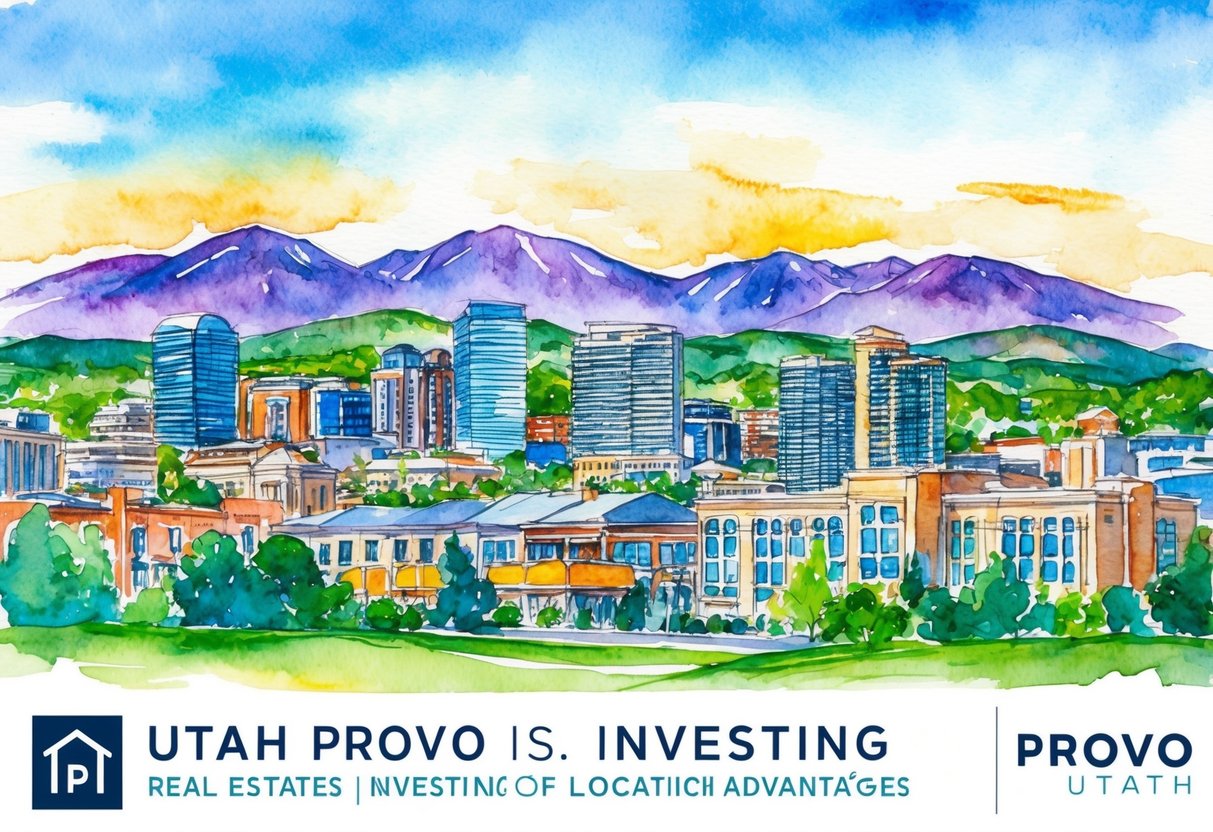
Real estate investing isn’t just about the numbers. It’s about picking a spot with real, everyday appeal and long-term value. Provo, Utah, stands out for a few reasons that go way beyond spreadsheets.
Proximity to Schools and University
When I look at Provo, I can’t help but notice how close everything is to great schools. Brigham Young University draws thousands of students from all over, creating a steady stream of renters.
On top of that, families want homes near high-performing K-12 schools. Parents crave short commutes and strong academics for their kids. That’s what keeps homes near these schools in demand.
Why does this matter for investors? Properties near BYU and good schools usually hold their value and ride out market swings better than most. Renters will pay a premium for a shorter commute and better education options.
Outdoor Activities and Recreation
Picture the Wasatch Mountains basically in your backyard. In Provo, that’s not just a sales pitch—it’s the lifestyle.
Hikers, bikers, and skiers flock to Provo Canyon, Rock Canyon, and all those winding trails. Utah Lake is right there for boating, fishing, or paddle boarding.
It’s not just recreation, though. Future tenants always mention Provo’s outdoor appeal. Easy access to nature boosts quality of life and keeps properties desirable. That helps keep vacancy low and rents stable. There’s more on outdoor investment strategy at best places to invest in Utah.
Shopping, Dining, and Entertainment
People want convenience, plain and simple. Downtown Provo delivers.
Local shops, boutiques, and big-name stores line Center Street and University Avenue. The Shops at Riverwoods mix retail, restaurants, and events, giving residents a central hangout.
Dining options? Tons—from quick bites to chef-driven kitchens. I never run out of places to grab dinner or coffee with friends. Entertainment’s covered too—music venues, movie theaters, comedy clubs. There’s something for just about everyone.
All these perks keep rental demand strong. Families, professionals, and students all want easy access to daily needs and a bit of local culture. That’s why Provo is such a desirable spot for real estate investors.
Comparing Provo With Other Real Estate Markets

Picking a real estate market isn’t just about crunching numbers. It’s about finding predictability, lifestyle, and real, lasting demand.
Henderson, Nevada
When I stack Provo up against Henderson, Nevada, the differences jump out. Henderson hugs Las Vegas and has seen steady population growth for years. It’s got newer homes and appeals to both retirees and young families looking for low crime rates and solid schools.
But housing prices in Henderson have shot up. The rental market is competitive, but if job growth stalls in Vegas, things could shift fast. Provo, on the other hand, benefits from constant rental demand, thanks to BYU and a strong tech scene.
One big difference? Provo’s rental market is less seasonal and tends to hold steady during economic dips. If you’re looking for a market not tied so closely to tourism or gaming, Provo’s education-driven economy might feel a lot safer. For more on Provo’s unique strengths, check out Best Real Estate Investment Opportunities in Provo, UT.
Research Triangle Park
Research Triangle Park in North Carolina? It’s a pretty well-known tech hub, thanks to the major universities—Duke, UNC, and NC State.
The area draws in professionals from research, biotech, and tech fields. Real estate here gives you a shot at a strong job market, with innovation and academic energy fueling things.
Prices have jumped up quickly. Still, demand for single-family homes and rentals hasn’t really slowed down.
The Provo market shares some similarities. It’s got access to educated renters and reliable employers in tech and education.
I’ve seen Provo investors enjoy strong appreciation and low vacancy rates. Home prices there usually stay more affordable than the hottest neighborhoods in RTP.
If you care about steady tenant demand and want something future-facing, both markets could make sense.
Honestly, I usually notice less competition from big institutional investors in Provo compared to Research Triangle. Sometimes that means better deals for individuals and small investors.