
When I first turned my eye toward real estate investing in Morgantown, WV, I wondered what made this market any different from the rest of small-town America. What did I find?
Morgantown’s steady rental demand—driven by West Virginia University—means reliable cash flow and plenty of investment chances. If you’re frustrated with your savings and the usual investments, you’re definitely not alone.
A lot of folks in my age group want more control, better returns, and something tangible to show for their efforts.

Can you imagine owning property in a college town where students and professionals need rentals all year? That’s Morgantown.
From single-family homes to multi-units, this city gives you the chance to steer your own financial future, not just cross your fingers for your 401(k). I’ve realized that knowing the local market’s quirks might be the missing piece in your plan.
Key Takeaways
- Smart investing starts with knowing the local market and its demand.
- Having solid strategies and support is key to long-term success.
- Strong networks and risk management make investing in Morgantown realistic.
Understanding the Real Estate Market in Morgantown, WV
Real estate isn’t just about buying a house. You have to know the numbers, the hot spots, and what’s actually fueling local demand.
If I want to grow my wealth, I need to get specific about what makes Morgantown, West Virginia stand out.
Current Market Trends
Morgantown caught my attention because prices here don’t swing wildly. The median list price for single-family homes in Monongalia County hit $335,331 in 2024.
Homes move fast—especially ones near schools or healthcare centers. Rising demand comes from both families and students, thanks to the university and a solid job market.
I’m seeing more young professionals relocating for work, too. That’s pushing up rental demand.
Vacancy rates stay low, and even though there’s new construction, it rarely keeps up with demand. That means lower risk in my book.
Appreciation isn’t breakneck, but it’s steady. I like that consistency.
If you want more numbers, check out this Monongalia County trends for 2024.
Neighborhoods With High Investment Potential
Some neighborhoods really stand out. Areas around West Virginia University always attract student renters and young professionals, so vacancies stay low and rents stay strong.
Downtown Morgantown has a mix of apartments, condos, and single-family homes. It draws both students and families.
Suncrest is close to hospitals, shopping, and schools, which makes it great for long-term rentals. I’ve seen retirees and families gravitate toward quieter areas like Cheat Lake.
South Park and Greenmont are for folks who love historic homes and walkable streets.
So what makes these neighborhoods attractive? Strong tenant demand, good schools, city services—all the things renters want.
If I’m trying to pick the right area, here’s a simple cheat sheet:
Area
Best For
Vacancy Risk
Rent Growth
University
Students/Young Workers
Low
High
Suncrest
Medical/Family Renters
Low
Steady
Cheat Lake
Families/Retirees
Very Low
Steady
Downtown
Mixed Income Tenants
Mod-Low
High
Economic Drivers Impacting Growth
Morgantown’s economy has some rock-solid anchors. West Virginia University brings in thousands of students, faculty, and staff every year.
That creates a steady rental demand. Hospitals like WVU Medicine employ a ton of people and draw in healthcare professionals statewide.
Energy, tech, and research companies keep opening new offices and labs. I see infrastructure projects—new businesses, not just roads—popping up all over.
When these employers hire, more people move in and stick around. I don’t see wild boom-and-bust cycles here.
Reliable jobs and a growing service sector keep things stable. Population is slowly rising, which pushes up rental demand and supports property values.
If you’re curious about how the university and hospitals drive the market, take a look at this overview.
Types of Real Estate Investments in Morgantown
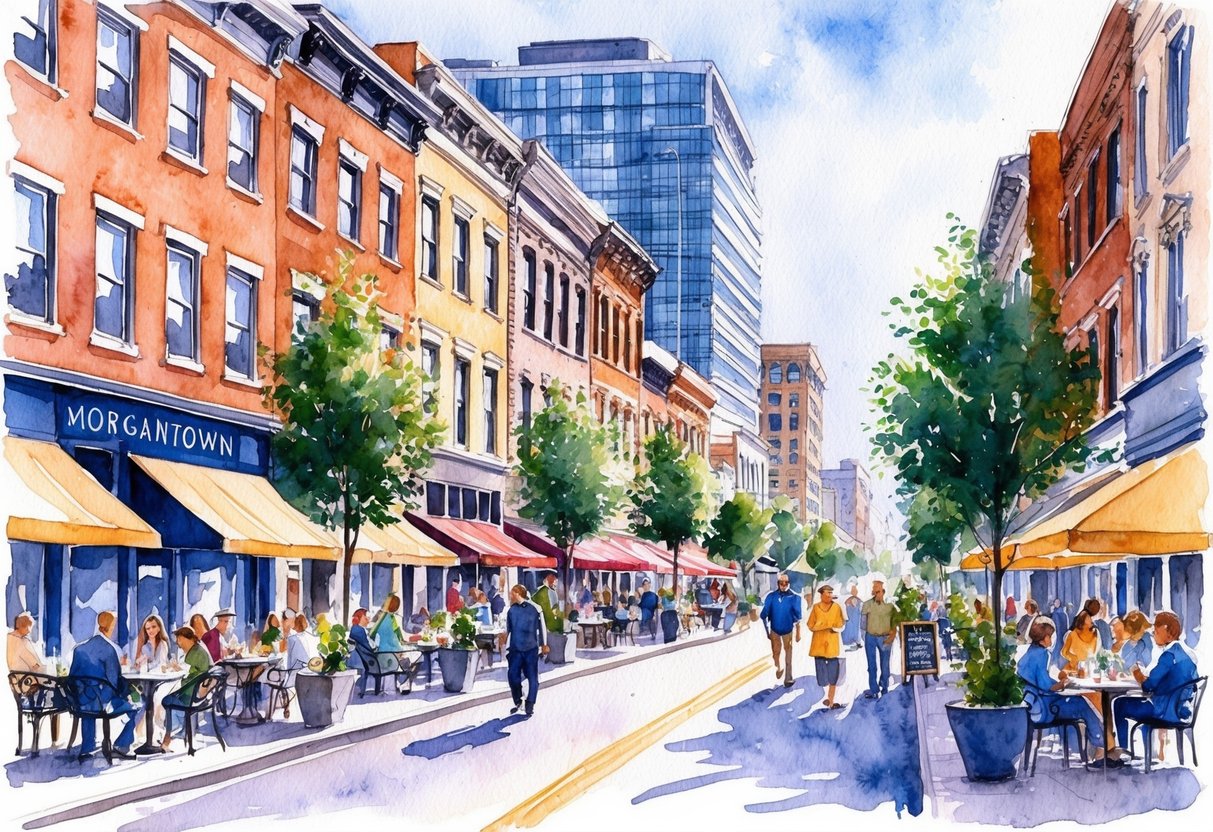
If you want your money to work harder, you need to know where to put it. Morgantown offers several ways to earn income or build wealth, each with its own risks and rewards.
My goal is to help you see the upsides, the headaches, and how to pick what fits your style.
Residential Properties
If you want steady cash flow, residential properties—like single-family homes, duplexes, and townhomes—are a solid bet. Morgantown’s market really delivers here, especially near good schools and major employers.
Families and professionals want a place that feels like home. Landlords get lower turnover rates.
Most deals are single-family homes, but attached dwellings are gaining ground. I’ve noticed that picking the right neighborhood can mean the difference between constant vacancies and always having tenants.
Don’t ignore curb appeal. Properties that look inviting attract better renters.
Managing and maintaining these places can be hands-on, but you can hire it out. The real challenge is balancing rental income against taxes, upkeep, and insurance.
For more info on property types and prices, check this 2025 Morgantown real estate guide.
Student Housing Opportunities
Ever thought about student rentals? With West Virginia University right here, demand for short-term leases and shared housing is huge.
Students want affordable places close to campus and flexible leases. That drives returns.
I focus on properties with multiple bedrooms, since you can rent each room separately. That usually means higher cash flow than a single-family rental.
But, student rentals need more frequent maintenance and turnover. It’s a trade-off: more income, more work.
Lease agreements must spell out rules and responsibilities. Noise and wear-and-tear can be a pain, so I always budget extra for repairs.
If you want tips on student-heavy neighborhoods, take a look at this investment property guide.
Commercial Real Estate
Commercial real estate is a whole different animal. I’m talking about office buildings, retail spaces, and mixed-use developments.
Businesses want locations with visibility and foot traffic, especially downtown and along main roads.
You’ll need more cash up front, but the returns can be much higher. Commercial leases last longer, and tenants usually handle most maintenance.
That means less hassle, but if a space sits empty, you can lose out big time. Market demand sets the value, and having reliable tenants—like medical offices or established shops—really matters.
Want more data on commercial trends? Check out this real estate investing analysis for Morgantown.
Financing Options and Investment Strategies

How you fund your investment can make or break your cash flow. The financing and strategy I pick shape my returns, risk, and even my stress level.
Traditional Mortgages and Loans
If I’m buying a rental in Morgantown, the classic route is a traditional mortgage. The bank or credit union gives me a lump sum, secured by the property, and I put down usually 20% or more.
Interest rates, credit score, and the property’s income potential all matter. Lenders check my debt and the expected rent to see if I can handle the payments.
The upside? Predictable monthly costs and clear terms. The downside is strict guidelines and the need for strong credit.
I like fixed-rate loans when I expect steady, long-term income. Adjustable rates might be cheaper at first, but I’m always wary of rising payments later.
Leveraging Local Lenders
If you want something more flexible, local lenders in Morgantown can be a great option. I look for credit unions or specialty lenders who actually know the area.
They might offer short-term interest-only loans, portfolio loans, or custom payment plans. Sometimes, they’ll even listen to my investment goals and work with me, especially if I’m updating a property near the university.
Local knowledge is a real asset. Instead of endless paperwork, I get someone who understands the local quirks and what landlords here actually face.
It’s not just about the interest rate. Service, speed, and trust matter.
Partnerships and Syndications
I don’t always go solo. Sometimes, I team up with friends, family, or other investors to pool money and share the risk.
There’s also syndication, where a sponsor finds a big property and brings in investors like me for funding. I get a share of the income and appreciation, but I don’t have to handle repairs or tenants.
This passive strategy lets me get into bigger deals I couldn’t do alone.
Before joining a partnership, I spell out my share, role, exit plan, and expected returns. For me, clear agreements are non-negotiable.
Would I rather have all the control and all the responsibility, or share both? Depends on the deal.
Legal and Regulatory Considerations

Investing in Morgantown real estate means you’ve got to pay attention to local laws. West Virginia property rules, city permits, and taxes all matter from day one.
Landlord-Tenant Laws in West Virginia
When I rent out a property here, I have to follow state rules that protect both me and my tenants.
For example, state law caps security deposits at one month’s rent. I get 60 days after the lease ends to return the deposit, minus things like damage or unpaid rent.
If I need to enter the property, I have to give 24 hours’ notice—unless there’s an emergency. I’m responsible for making sure the place is safe and livable, with working plumbing, heat, and locks.
Eviction isn’t casual here. For nonpayment, I have to give written notice and only a court can remove a tenant. The steps are clear, but I have to follow them to avoid headaches.
Disputes come up sometimes. Knowing the state’s landlord-tenant rules helps me avoid expensive mistakes.
By keeping good records and clear agreements, I can protect my investments and keep my stress low.
Zoning and Permitting in Morgantown
Morgantown’s got its own set of rules that shape what I can do with my property. Zoning tells me if I can rent a place long-term or use it for short-term rentals.
If I want to flip or remodel a house, I have to check if the neighborhood allows it and get the right permits. The city’s pretty strict about property use and building changes.
Most projects need permits before I can start, especially for electrical work or adding rooms. If I skip the permits, I could get fined or even have to undo the work—nobody wants that.
These regulations can get confusing, so I always double-check with city offices before making a move. Taking shortcuts just isn’t worth the hassle.
Knowing the local requirements and restrictions keeps me from running into trouble.
Tax Implications for Investors
Taxes impact my returns just as much as property values. In West Virginia, I pay state and local property taxes every year.
If I sell a property, there’s a good chance I’ll owe capital gains tax, unless it’s my main home. Rental income goes on my federal and state returns, but I can usually reduce my tax burden with deductions.
Things like mortgage interest, repairs, insurance, and management fees help lower my taxable income. Depreciation over time is another way to cut the tax bill.
If I plan to hold properties for the long haul, I think about working with a tax pro. Good records and smart planning help me avoid nasty surprises and keep more of my money.
Property Management and Operations
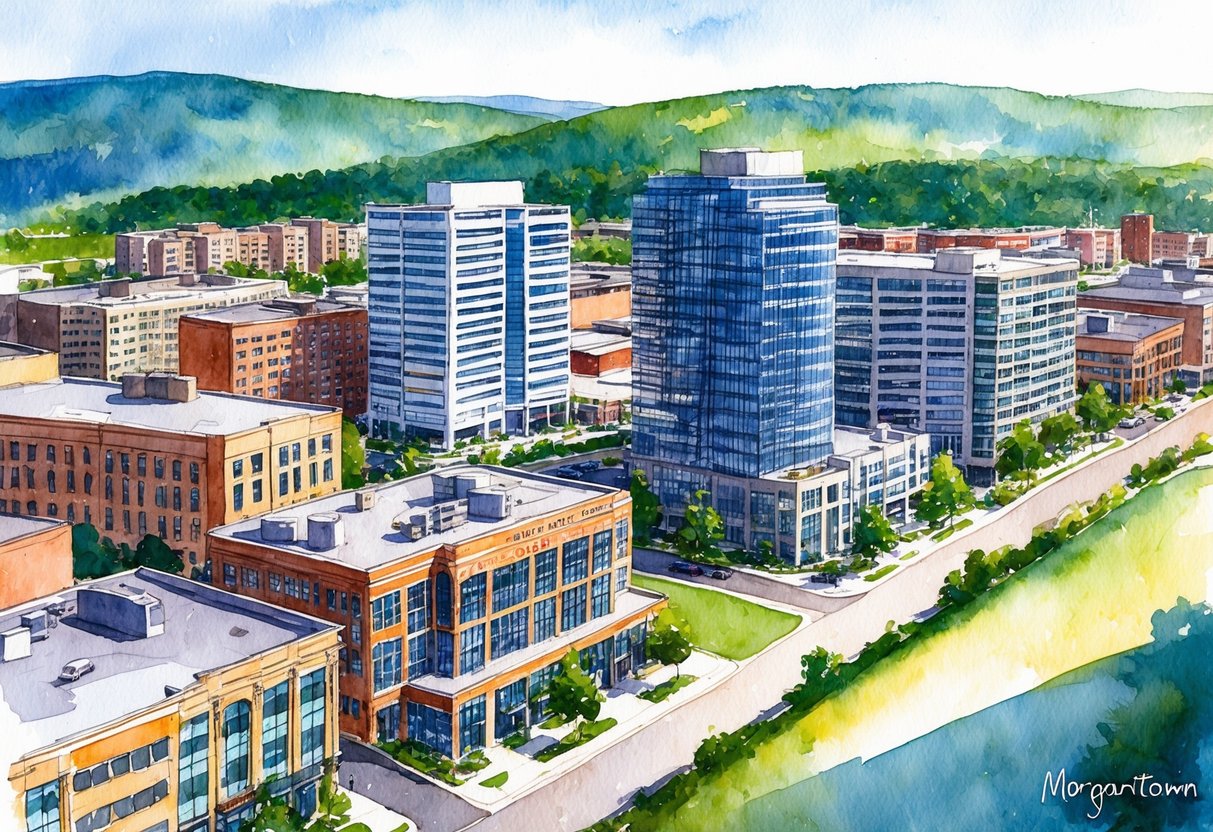
Managing real estate in Morgantown, WV means paying close attention to both people and properties. I focus on the right team, reliable maintenance, and careful tenant vetting—those are what keep my investment running smoothly.
Hiring Local Property Managers
Who’s looking after your property when you’re not around? A trusted local property manager is basically my eyes and ears.
Why spend weekends fixing leaky faucets or chasing late rent? I’d rather rely on professionals who know the Morgantown market and have good repair contacts.
When I talk to management companies, I ask about their fees, experience, and how many properties they handle. Do they focus on student rentals or family homes? Those little details matter here.
Companies like Red Brick Properties and Bel-Cross Properties have solid reputations locally. I always check reviews and visit in person—choosing the wrong manager can turn any investment into a headache.
Maintenance and Repairs
An ounce of prevention really does save a fortune in repairs. Ignored issues drive good tenants away and tank property value.
I make it easy for tenants to report problems and fix them right away. Routine maintenance calendars help me stay on top of things—HVAC filters, plumbing, roof checks, smoke detectors.
Fast repairs show tenants I care about their safety and comfort. That protects my investment, too.
I keep a list of trusted contractors on call. Some managers share their network of local tradespeople and get better rates because of the volume they send their way.
This saves time and money, and I know repairs will be done right.
Tenant Screening Procedures
A bad tenant can cost thousands. How do I avoid that?
I use a detailed checklist for every applicant—credit check, background search, income verification, and calls to past landlords. I never skip these steps.
In Morgantown, student renters are everywhere. For students, I usually require a co-signer—often a parent—so someone reliable is on the hook if rent goes unpaid.
I always check references, even when applicants look great on paper. By sticking to my criteria, I cut down on turnover, evictions, and property damage.
Good tenants pay on time, follow the lease, and take care of the place. A little extra effort up front gives me peace of mind.
Risk Assessment and Mitigation
Real estate in Morgantown has a ton of potential, but every opportunity comes with risk. Smart investors dig deeper and ask the questions others overlook.
Market Volatility and Resilience
Ever wonder why some markets recover while others get stuck? Morgantown’s market is tied to West Virginia University and a growing medical sector.
When a town’s biggest employers are hospitals and universities, downturns usually aren’t as harsh. That doesn’t mean there’s no risk.
Prices can still drop if the job market falters. Morgantown’s cost of living keeps attracting renters and buyers, though.
I watch rental rates, neighborhood trends, and new developments so I can react fast if things change. I also try to balance my portfolio—student housing, single-family homes, and short-term rentals—to avoid putting all my eggs in one basket.
Vacancy Rates and Rental Demand
Nobody wants a property sitting empty month after month. Morgantown’s got a steady rental demand from students, healthcare workers, and families.
The university calendar creates predictable cycles. When students move out, I start advertising early to fill spots for fall.
I keep my units updated and price them smartly. If vacancies rise in one area, I shift my focus to places with more demand—like homes near WVU or medical centers.
Each year, I check vacancy and rental rates and tweak my strategy as needed.
Building a Local Real Estate Network
If I want to succeed in Morgantown real estate, I can’t do it alone. The best investors know the value of strong connections and local expertise.
Connecting With Investors and Agents
When I got started, I realized that knowing the right people can make or break a deal. Local investment clubs and meetups, like the Passive Wealth Investors Club, are great for sharing knowledge.
These groups aren’t just social—they help me find off-market deals, spot new trends, and get referrals. I try to attend networking events, join online forums, and reach out to local agents.
Asking smart questions like, “What’s the best way to find deals in this market?” can open doors. Real estate agents sometimes give me access to private listings that never hit the public market.
If I feel awkward walking into a room of strangers, I remind myself—everyone started somewhere. Every strong network begins with a single handshake.
Professional Resources in Morgantown
Building my team is as important as building my portfolio. I work with local property managers, attorneys, contractors, and lenders.
Each one gives me an edge. A good property manager handles tenant screening and knows the local rules, which saves me time.
I look for real estate attorneys who know Morgantown’s laws to help me avoid mistakes. Local lenders often have financing options tailored to this market.
I also keep a list of reliable contractors so I can move quickly when repairs pop up. For more tips, I find guides like this one about building a real estate network pretty useful.
My goal? Build a team I trust, so I’m not always scrambling—I’m ready.
Emerging Opportunities in Morgantown Real Estate
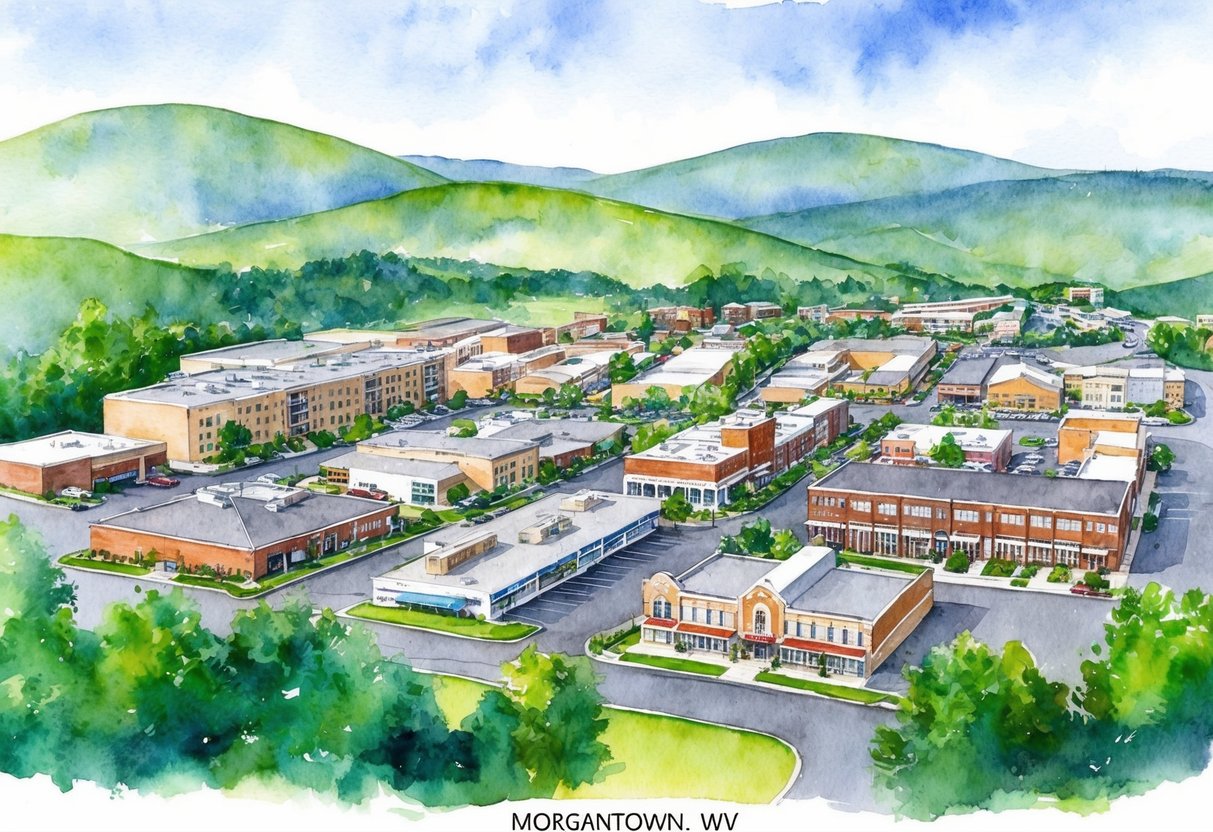
Morgantown’s on the rise, with new construction, better infrastructure, and a push for energy-efficient homes. If you’re looking to build wealth outside the stock market, this city’s got some real, hands-on options.
New Developments and Infrastructure
I see Morgantown’s growth closely tied to its job market and expansion around West Virginia University. New apartments near campus and updated homes in neighborhoods like Star City keep attracting steady renters.
Student and professional demand means vacancies stay low. Roadwork, better public transit, and new retail centers are all pushing property values up.
For example, properties near the Monongalia County Ballpark or close to downtown usually offer stronger returns. More people want to live, work, and play nearby.
Key factors driving development in Morgantown:
- University growth and new student housing
- Better transportation routes and access
- Expanding shopping and healthcare facilities
If I’m after consistent rent or equity growth, I look for properties near these improvements. Morgantown’s unique market stability gives some insulation from big swings—which is pretty rare for a college town.
Sustainable and Green Investments
Energy costs keep climbing. In Morgantown, savvy investors are eyeing properties with green features.
Demand’s up for homes with high-efficiency windows, solar panels, and better insulation. People aren’t just thinking about bills—tenants and buyers really care about healthier, more sustainable spaces.
Builders around here have started using new materials and building systems that cut down on energy use. I’ve noticed homes with new HVAC systems or eco-friendly water heaters rent out faster and often fetch higher prices.
Common green features buyers and renters seek:
- Energy Star appliances
- LED lighting and smart thermostats
- Low-flow water fixtures
Local government programs offer tax breaks or rebates for energy-efficient upgrades. That makes jumping in a bit less intimidating.
If you’re after more than just the usual returns, putting your money into sustainable and green investments in Morgantown could be a smart move.