Owning rental property can be a powerful way to build wealth and secure a comfortable retirement. But what if you could keep more of your rental income by leveraging smart deductions? The secret to minimizing taxes on your rental income lies in properly using available deductions. Many landlords overlook these, allowing the IRS to pocket more than necessary.  Imagine reducing your taxable income simply by being strategic about what and when you deduct. From mortgage interest and property taxes to repair costs and management fees, there are numerous ways to manage your tax bill legally. The secret to minimizing taxes on your rental income lies in properly using available deductions. Many landlords overlook these, allowing the IRS to pocket more than necessary. Is it time to shift your mindset from merely paying taxes to investing in your financial independence? By learning these tax strategies, you can put more of your hard-earned money back into your pocket. Whether you’re just starting or have a seasoned portfolio, each detail you account for can significantly impact your financial standing.
Key Takeaways
- Identify eligible deductions to lower taxable rental income.
- Document expenses to ensure compliance and accuracy.
- Use strategic tax planning to enhance financial growth.
Understanding Rental Income Taxation
 When it comes to managing rental properties, understanding how rental income is taxed is crucial. This knowledge not only helps in optimizing cash flow but also ensures compliance with tax regulations. I aim to uncover how rental income is taxed, explore tax benefits, and highlight key laws affecting your tax strategy.
How Rental Income Is Taxed
Let’s cut to the chase—how do the tax authorities determine what part of your rental income is taxable? In general, you must report all rental income received in the tax year. Rental income includes regular rent payments and other amounts you receive from tenants for property use, like maintenance costs. Tax authorities consider this when assessing your tax liability. Briefly, deductions can reduce your taxable rental income. This includes ordinary expenses like repairs, management fees, and property supplies. Consistent bookkeeping makes it easier to track what you owe, ultimately impacting your taxable rental income.
Tax Benefits for Rental Properties
Are you making the most of the tax benefits available for rental properties? You can take advantage of significant tax deductions that can save you money. Depreciation, for example, allows you to deduct a portion of the property’s cost over several years. Other key deductions include mortgage interest, property taxes, and insurance. Strategic tax advantages like these can significantly reduce your overall tax burden. And don’t forget utilities and maintenance—costs that often fly under the radar but offer valuable deductions. The secret? Be thorough in tracking receipts and expenses. This puts you in a prime spot to deduct everything you legally can.
Key Tax Laws and Regulations
Navigating the sea of tax laws can seem daunting, can’t it? Yet, understanding them is crucial for effective tax planning. Tax regulations are influenced by your property’s location. Check your jurisdiction’s guidelines on rental income tax. For instance, changes in federal tax law, like adjustments to the standard deduction or depreciation rules, can impact how much you pay. Staying updated ensures you don’t miss out on any deductions or exemptions. Being proactive is key. Consulting with a tax advisor can help you stay abreast of these ever-evolving regulations.
Eligible Deductions for Landlords
 Discovering which deductions landlords qualify for can significantly reduce taxable income and increase savings. Key areas to explore include common expenses, maximizing deductions through strategic repairs, and leveraging depreciation as a powerful tax shield.
Common Deductible Expenses
Landlords have the ability to deduct a wide variety of expenses. Mortgage interest on the rental property often represents a large deduction. Additionally, property taxes paid each year can be deducted. Maintenance costs, such as cleaning, lawn care, and pest control, may also be deductible. Not to forget about insurance premiums, which cover both property and liability insurance for your rental property. Utilities paid on behalf of tenants can also be deducted. Finally, any professional fees, like those paid to accountants, can further reduce your tax liability. Is there a better way to keep more money in your pocket?
Maximizing Deductions Through Repairs
Repairs serve as an excellent way to maximize tax deductions. Repairs generally involve restoring the property to its original condition. These costs are deductible in the year they are completed. Imagine fixing a leaky roof, mending broken windows, or repairing appliances. These are all immediate deductions. But remember, not all expenses are considered repairs. Improvements, like adding a new room or installing central air conditioning, don’t qualify as repairs. These are capital investments. They must be depreciated over the property’s useful life, providing gradual tax benefits.
Depreciation: A Major Tax Shield
Depreciation allows landlords to recover the costs of capital investments over time. It recognizes the gradual wear and tear of rental properties. A depreciation schedule outlines the timeline for these deductions. The property itself, along with significant improvements, depreciates over a period of 27.5 years. This means a portion of your property’s cost can be deducted annually. Depreciation transforms what might seem like financial pressure into a tax-saving opportunity. Does this not seem like an obvious way to reduce taxable income while enjoying the benefits of owning rental properties?
Specific Deductions for Rental Properties
 Are you tired of losing potential income to taxes on your rental properties? By understanding specific deductions, you can put more money back into your pocket. Let’s explore the tax-saving opportunities hidden in your mortgage interest, utilities, and even your insurance premiums.
Mortgage Interest and Property Taxes
Did you know that mortgage interest and property taxes are among the most significant deductions you can claim? When you own rental properties, the interest on your mortgage is deductible, significantly impacting your taxable income. The concept is simple: the more interest you pay, the more you can deduct. Property taxes are also deductible. They reduce the overall income at the end of the year. Many property owners overlook how figuring in these taxes can lighten the load. The key here is keeping detailed records. Have you been keeping track? This attention pays off during tax time, helping reduce taxable income while boosting savings.
Utilities and Property Management Fees
Ever think about all those utility bills—electricity, gas, water—that keep your rental property running smoothly? These expenses are not just necessary; they’re deductible too! Keeping an eye on these can save money. Do you employ a property management company? Their fees can also be deducted. Passing off the daily management of your property can feel like a luxury, but knowing it’s a deductible expense makes it a smart financial move. Listing out these deductions can add up quickly, easing the pressure on your finances and rewarding savvy decisions.
Insurance Premiums and Travel Expenses
Do you feel protected by insurance coverage on your property? Insurance premiums are not just protective; they’re smart deductions. Every dollar you spend on premiums reduces taxable rental income. Here’s a tip: if you travel to maintain your property, those travel expenses are deductible. From maintenance check-ups to tenant meetings, recording these travel costs cuts down your tax bill. Always record expenses precisely, as they matter come tax time. Being strategic with these deductions means investing wisely in your future and your family’s security.
Advanced Tax Strategies for Real Estate Investors
 Investment in real estate offers several advanced tax strategies to increase profits. These strategies include using the 1031 exchange to defer taxes, leveraging self-directed IRAs for growth, and optimizing the real estate professional status for tax benefits.
Utilizing 1031 Exchange for Tax Deferral
How can you sell a property and avoid paying capital gains taxes? The 1031 exchange might be your answer. It allows me to defer capital gains taxes by reinvesting the proceeds from a sale into a like-kind property. This means I can grow my real estate portfolio without immediately worrying about taxes. The process must follow strict guidelines, such as reinvesting in a new property within a specific time frame. By choosing the right properties and timing, I can keep deferring taxes, allowing my investments to compound over time. This strategy helps maximize profits and reinvestment potential.
Leveraging Self-Directed IRAs
Ever consider holding real estate in an IRA? A self-directed IRA allows me to invest in real estate with tax advantages. This approach offers tax-deferred growth where rental income and capital gains can accumulate tax-free. While traditional investments are common in IRAs, real estate offers unique benefits. It’s crucial to follow IRS rules to avoid penalties, such as not using personal properties. With the right guidance, this strategy diversifies my retirement portfolio and boosts future earnings, all while keeping my gains sheltered from immediate taxation.
Optimizing Real Estate Professional Status
Have you heard about the real estate professional status? It’s a powerful tool for active investors. To qualify, I must spend more than 750 hours annually in real estate activities and do so materially in my role. This status allows me to offset income with unlimited rental losses. This can significantly reduce my taxable income, especially when paired with other strategies like depreciation. Achieving and maintaining this status demands commitment and proper documentation, but the tax benefits can be substantial. By understanding and utilizing this strategy, I can further enhance my investment’s financial returns and potentially save thousands in taxes.
Essential Documentation and Record-Keeping
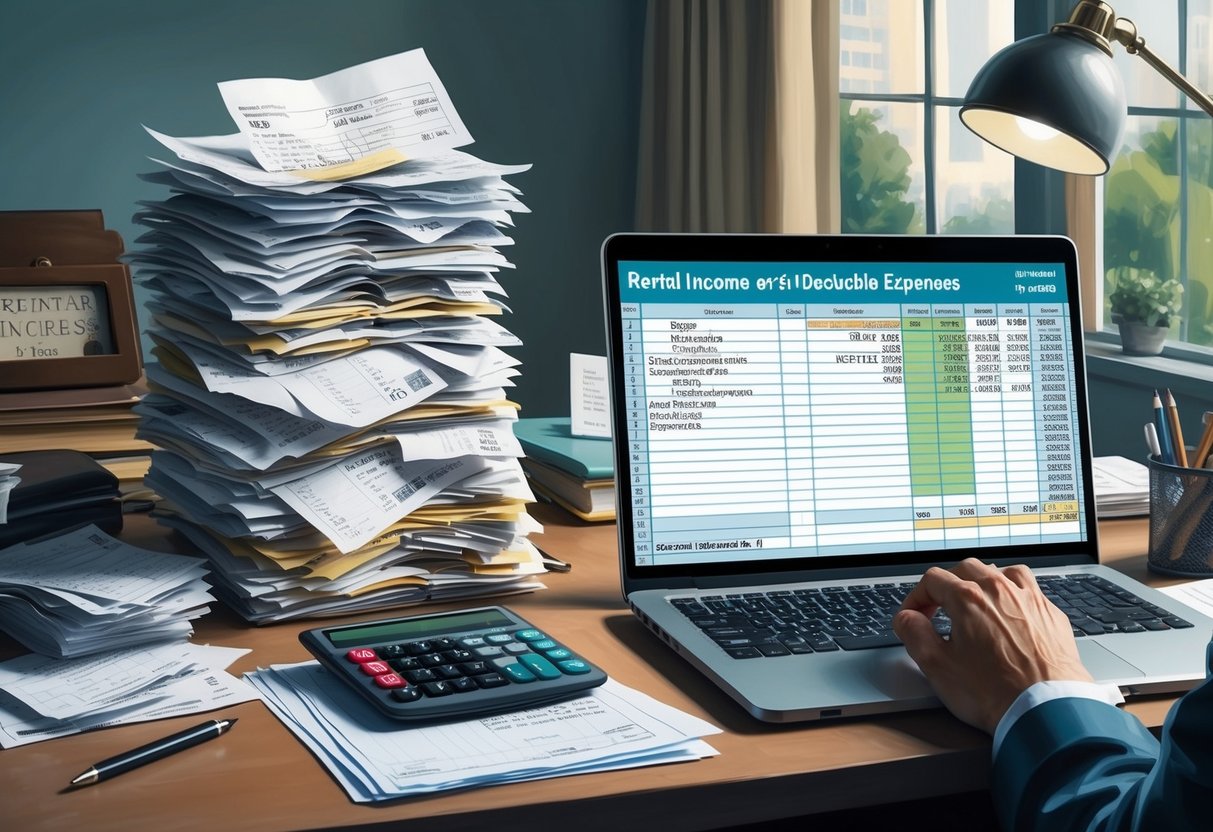 Did you know that good documentation can save you money and stress? Keeping detailed records is your best friend in handling rental property taxes. I’ve learned that the right record-keeping strategy can help maximize deductions and minimize headaches. Important Documents:
- Income Records: Keep track of all rental payments received. This includes rent payments, deposits, and other income-related transactions.
- Expense Receipts: Collect receipts for all property-related expenses. This includes repairs, maintenance, and supplies.
Why is it crucial to maintain these records? Simple. When tax time comes around, having complete and clear documentation allows me to substantiate any claims I make on my tax return. Missing paperwork can lead to missed deductions or even fines. Record-Keeping Tips:
- Digital Backups: Consider scanning receipts and storing them digitally. This minimizes clutter and ensures that nothing gets lost over time.
- Regular Updates: I update my records monthly to avoid last-minute scrambles during tax season. It’s like keeping the clutter away before it piles up.
Thinking about how often you should review your documentation? At least once a year, I go through everything, ensuring my records are accurate and up to date. I’ve found this regular review helps me spot potential deductions I might otherwise overlook. By being diligent in my documentation efforts, I can confidently report my taxes, knowing I have a solid foundation of accurate information. Record-keeping may seem tedious, but it’s an essential tool to help secure your financial goals.
Avoiding Common Pitfalls
 Steering clear of common tax pitfalls can maximize your profits on rental properties. Let’s dive into how understanding passive activity loss rules and correctly handling security deposits are crucial to staying ahead.
Navigating Passive Activity Loss Rules
Do you know that many rental property owners get tripped up by passive activity loss rules? These rules are designed specifically to stop taxpayers from offsetting passive losses against active income. As a real estate investor, understanding these can be key to your tax strategy. Why are they so tricky? Because passive activities include those you don’t actively participate in, like rental property income. It’s important to track your involvement and the hours you put into managing your properties. If you’re spending substantial time managing, you might qualify as a real estate professional, allowing you to potentially sidestep these strict limitations. Keeping comprehensive records of all your activities and the time spent managing them is crucial. Also, remember to revisit your status each year as your situation might change.
Handling Security Deposits and Fair Market Value
Handling security deposits properly can also trip up many landlords. Remember, security deposits should generally not count as income unless they are non-refundable or applied to rent. Keep these deposits in a separate account to avoid potential tax complications. How do you ensure your rental property is priced right? That’s where fair market value comes into play. Charging rent that aligns with what similar properties are renting for in your area not only helps avoid vacancies but ensures you’re claiming the right amount as income. When you plan to make improvements or repairs, always make sure these are classified correctly for tax deductions. Repairs might be immediately deductible, while improvements must typically be depreciated over time. Always consult the latest IRS guidelines or a tax professional to ensure you’re following current regulations.
Tax Considerations for Different Rental Property Types
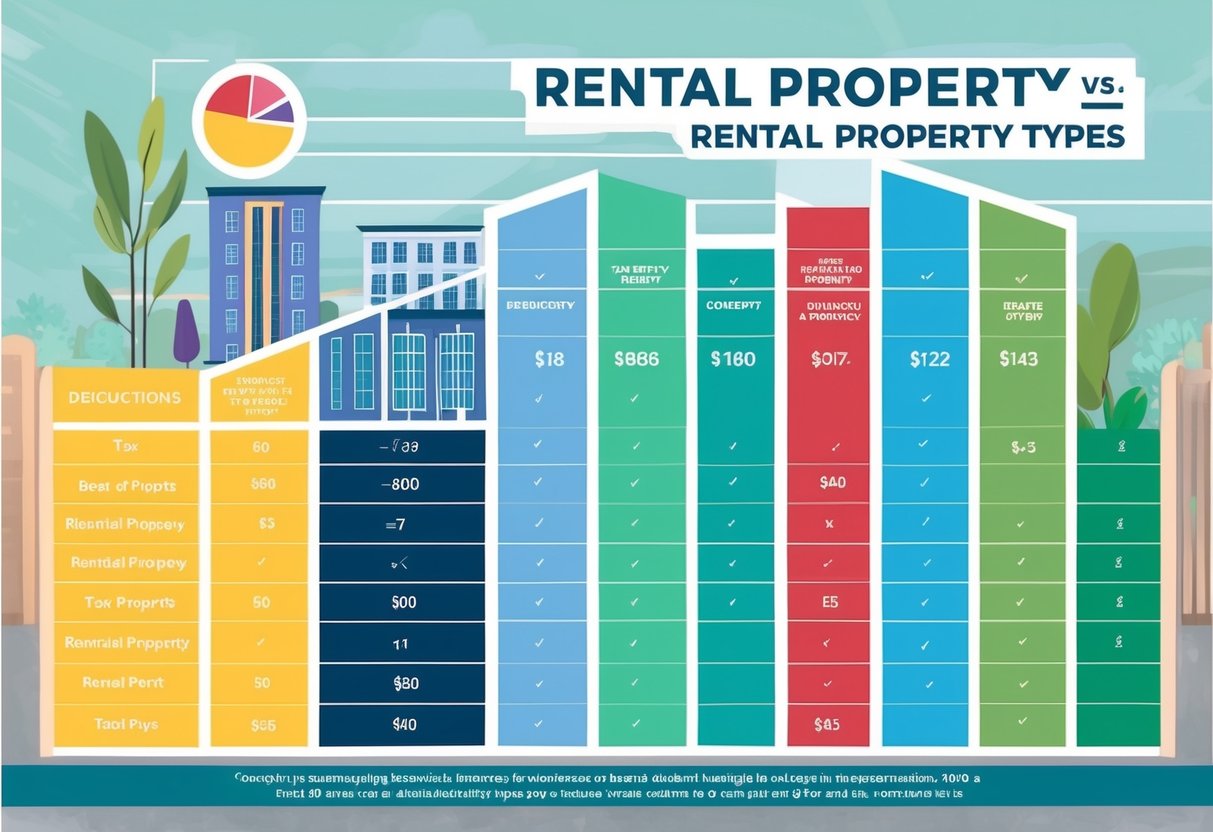 Navigating the tax landscape of rental properties can feel like traversing a complex maze. Have you ever wondered how the type of rental property impacts your tax situation? Each type comes with unique considerations and potential benefits. For single-family rentals, simplicity often reigns. It’s straightforward to report income and expenses. But what if you own multi-family properties? The game changes. You might be eligible for more deductions, like depreciation, which can reduce your taxable income. Let’s not ignore short-term rentals. Renting through platforms like Airbnb requires careful attention to tax rules. You may face different local taxes and licensing, but you can also take advantage of specific deductions. Thinking about commercial rental investments? They offer considerable tax benefits but also come with complex requirements. Long-term lease agreements often mean steady income yet navigating commercial property tax deductions can be intricate. Mixed-use properties, where part of the home is rented, offer another layer. You can deduct mortgage interest on the rental portion, lowering your tax bill. Intrigued by these opportunities? Consider the nature of your rental property and the strategies that align with it. It’s not just about owning property but leveraging it for maximum financial benefit. Armed with the right knowledge, you can optimize returns and enjoy the rewards of smart rental property investment. Have you found the type that fits your strategy?
Consulting a Tax Professional
 Do you ever wonder how to navigate the maze of rental income taxes without losing your mind? I often find that working with a tax professional is key to unlocking potential savings. Why involve a tax professional? Their expertise can help interpret complex IRS rules that may feel like a foreign language to you and me. This ensures you’re not missing out on valuable deductions. In my experience, a tax expert can guide you through specific local and state tax laws. Did you know these can differ greatly from one place to another? It’s this level of detail that sets a great advisor apart. Here’s a tip: keep a detailed list of expenses ready when consulting your tax expert. This list can include everything from property taxes to home office costs. You’d be surprised how these small deductions can add up and make a big difference. And let’s not forget the peace of mind you get. When a professional is in your corner, you’re less likely to make costly errors. Isn’t that reassurance worth the investment?