Investing in renewable energy isn’t just good for the planet; it can also be a smart financial move. Did you know there are numerous tax benefits available for these investments? By leveraging these incentives, you can significantly reduce your tax burden and reap financial rewards. It’s not just about making the world a better place for your children—it’s also about securing your financial future.  Many people are unaware of the full range of tax credits and incentives available in renewable energy projects. For instance, the Inflation Reduction Act has made significant modifications to tax incentives, allowing credits of up to 30% for projects like wind and solar that meet certain criteria. Imagine the potential savings and earnings that come with savvy investment choices in this field. I invite you to think about how these opportunities can transform your investment strategy while also contributing to a sustainable future. With substantial incentives available, delving into renewable energy investments could be a key step in building wealth.
Key Takeaways
- Tax benefits can reduce costs in renewable energy projects.
- Certain incentives provide up to 30% returns.
- Diversifying with renewable energy aligns financial gains with environmental goals.
Overview of Renewable Energy Incentives
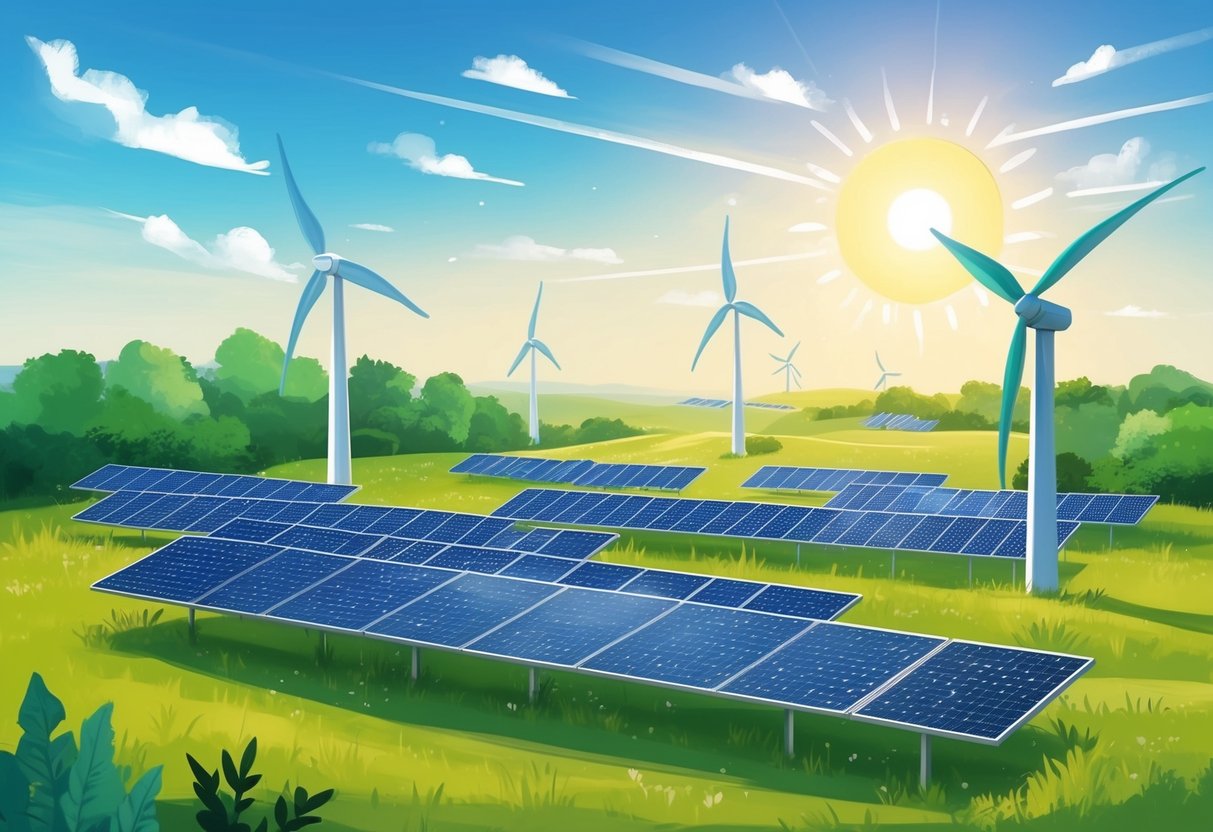 Investing in renewable energy can be a powerful way to not only support sustainability but also reap significant tax benefits. Key incentives include the Investment Tax Credit (ITC) and the Production Tax Credit (PTC), as well as opportunities established by the Inflation Reduction Act.
Understanding the Investment Tax Credit (ITC)
The Investment Tax Credit is a major incentive designed to encourage investment in renewable energy projects in the US. By claiming the ITC, investors can deduct a percentage of the cost of installing solar, wind, or other renewable energy systems from their federal taxes. What if you could reduce your tax liability while supporting a sustainable future? That’s the power of the ITC. This credit covers up to 30% of the installation costs, which can significantly lower initial expenses. Residential and commercial project owners can benefit, making it an attractive option for both individual investors and businesses aiming to incorporate green energy solutions.
Exploring the Production Tax Credit (PTC)
The Production Tax Credit offers another strong incentive by providing financial benefits based on the energy produced by renewable projects. Let’s consider how this works. The PTC allows producers of wind and other renewable energy to receive a tax credit that reflects the amount of electricity they generate. This approach rewards ongoing energy production. By aligning financial benefits with actual output, the PTC encourages efficient, long-term operation. Available mostly for utility-scale projects, the PTC reduces costs over time, which can be appealing for those looking to participate in large-scale renewable energy investments.
Tax Incentives under the Inflation Reduction Act
The Inflation Reduction Act introduces further tax benefits aimed at bolstering the clean energy sector. This Act builds on existing programs like the ITC and PTC by introducing additional credits and incentives. For example, it increases credits for projects meeting specific labor and domestic content standards. These enhancements ensure that renewable projects not only support green goals but also promote job creation and domestic manufacturing. Investing under these guidelines can lead to increased returns, making the Inflation Reduction Act a game-changer for renewable energy investment.
Eligibility and Qualifications for Tax Benefits
 Investing in renewable energy projects offers a range of tax benefits. But, understanding the specific eligibility requirements is key to maximizing these benefits. This involves knowing which projects qualify, the criteria for energy communities, and special considerations for low-income areas.
Determining Qualified Renewable Energy Projects
What makes a project eligible for tax benefits? Projects involving solar, wind, geothermal, and similar technologies often qualify. They must meet certain standards, such as being within specific capacity limits. For instance, energy storage technology under Section 48E must have a capacity of less than one megawatt. Smaller projects can gain additional incentives by meeting certain domestic content requirements or being located in an energy community. Moreover, employing a sufficient number of skilled workers, including qualified apprentices, can boost tax credits further. This reflects a commitment to not just green energy, but also to supporting local employment and training.
Understanding the Requirements for Energy Communities
Do you know what energy communities are? They are areas that play a significant role in the energy sector, often transitioning from traditional sources to renewable ones. Projects in these areas can receive up to a 10% increase in tax credit. This is not just an incentive, but a push to invest in regions needing economic revitalization. These communities are crucial for driving equitable energy distribution and workforce development. Meeting prevailing wage requirements in these areas is essential. This ensures that workers involved in these projects are paid fairly, aligning with wider goals of economic fairness and development.
Eligibility for Low-Income Communities
Low-income communities can also benefit significantly from renewable energy investments. Projects situated in these areas can qualify for up to a 20% bonus credit. This is a meaningful way to support economic growth while ensuring access to clean energy. Investments in low-income areas carry potential for high-impact results beyond just tax benefits. They promote local sustainability and can offer job opportunities in clean energy sectors. As these communities grow, they also contribute to the broader goal of reducing energy inequality.
Specific Tax Credits for Renewable Energy Investments
 Navigating the world of renewable energy investment offers a range of tax benefits. The system provides various incentives including the Renewable Energy Production Tax Credit, the Investment Tax Credit for deployment, and the Business Energy Investment Tax Credit. Understanding these can pave the way to smarter financial decisions.
Details on the Renewable Energy Production Tax Credit
The Production Tax Credit (PTC) can be a game changer. It’s designed to support wind, geothermal, and even biomass projects. You earn a per-kilowatt-hour credit for the electricity you generate through qualified energy sources. What’s unique is that the value of this credit adjusts with inflation. This means your benefits can increase over time, aligning with economic changes. This opportunity can reduce your taxes significantly if your project qualifies and meets the necessary guidelines. Potentially, investing today could lead to remarkable savings and impact tomorrow.
Investment Tax Credit for Renewable Energy Deployment
The Investment Tax Credit (ITC) plays a pivotal role in fueling renewable energy growth. This credit allows you to deduct a substantial percentage of the cost of installing renewable energy systems from your federal taxes. The ITC covers various technologies like solar energy, offshore wind, and more. Have you explored how this can ease the initial cost burden? Your investment choices become more strategic as prevailing wage provisions apply, helping to ensure fair labor practices in renewable projects. Not only does the ITC assist with financial relief, but it also supports long-term energy goals. Positioning your investments with the ITC makes entering the renewable energy sector both appealing and achievable.
Benefits of the Business Energy Investment Tax Credit
As a business owner or investor, maximizing your assets is crucial. The Business Energy Investment Tax Credit (ITC) is tailored for businesses eager to venture into renewable energy fields like solar and geothermal. This credit is a fantastic reduction method for your taxable income and could be the difference in your financial outcome. Businesses can leverage this tax credit to lower the cost of energy systems and improve the return on their investments. The ITC supports tax-exempt entities in specific areas, too. If you aim to align your business with sustainable practices while improving financial health, you’re hitting two birds with one stone. Consider these credits as tools to not just save on taxes, but as instruments for strategic investment. They offer pathways to financial resilience and innovation by capitalizing on the move towards cleaner energy.
Financial Mechanisms for Maximizing Impact
 Maximizing the impact of renewable energy investments involves understanding key financial mechanisms. These include Direct Pay and Transferability options, as well as leveraging Advanced Energy Projects and tax credits. The role of the Internal Revenue Service (IRS) cannot be ignored in this context. Each plays a vital role in enhancing the economic benefits of renewable energy projects.
Understanding Direct Pay and Transferability
Direct Pay and Transferability might be the answer to getting the most out of your energy investments. Direct Pay allows project developers to receive payments directly from the government instead of traditional tax credits. This mechanism helps even those with little tax liability to benefit from incentives. On the other hand, Transferability provides flexibility by allowing credits to be sold to other taxpayers. This boosts liquidity and broadens the funding base for renewable projects. When I think about it, these options offer more than just tax benefits—they provide strategic financial tools to maximize investment returns. Both tools help navigate the tax landscape, making clean energy projects financially appealing.
Advanced Energy Project and Residential Energy Credits
Advanced Energy Project and Residential Energy Credits offer significant benefits. They target different scales of energy projects. The Advanced Energy Project Credit encourages industrial-scale energy production with substantial tax credits for companies investing in clean energy technologies. Is your home equipped for clean energy? The Residential Energy Credit assists homeowners in going green by offsetting costs of solar panels, wind energy, and other renewable sources. By integrating these credits into your financial strategy, you can effectively reduce initial costs and improve your project’s financial viability. These credits represent powerful motivators for both large corporations and households to invest in renewable energy solutions.
The Role of the Internal Revenue Service
The IRS is crucial in administering renewable energy incentives, ensuring compliance, and fostering an environment where these tax benefits can be appropriately utilized. Navigating IRS requirements is essential for claiming these benefits effectively. Their guidelines determine eligibility and dictate how tax credits can be claimed. I see the IRS as a gatekeeper, playing a central role in translating tax incentives into real-world financial advantages. Proper understanding and adherence to IRS protocols are key to unlocking the full benefits of tax credits and incentives.
Additional Benefits and Considerations
 When investing in renewable energy, there are opportunities to improve the environment, boost the economy, and enhance energy infrastructure. These benefits come with important considerations. Let’s dive into the details.
Environmental and Social Impacts
Reducing greenhouse gas emissions is a key benefit of investing in renewable energy. By choosing solar, wind, and other clean options, we contribute to lowering carbon output. But the impact goes beyond that. Think about environmental justice. Renewable projects in low-income areas can bring both clean energy and jobs. This can create a fairer energy landscape. Who doesn’t want to be part of a solution that helps the planet and society? Doing so can lead to healthier communities and cleaner air.
Clean Energy Economy and Job Creation
Investing in renewable energy fosters a vibrant clean energy economy. We’re not just talking about profits here, but also about job opportunities. The demand for skilled workers in energy projects means more apprenticeship requirements are met. Jobs created in this sector aren’t just for the duration of a project. They can lead to lasting careers. Opportunities arise in manufacturing, installation, and maintenance. Isn’t it satisfying to know that an investment can fuel economic growth and provide employment?
Energy Storage and Grid Resilience
Let’s talk about energy storage and why it’s a game-changer. Efficient storage systems enhance grid resilience, keeping our energy supply steady. Have you ever thought about the security this brings to our daily lives? Project developers play a crucial role in integrating these systems. A resilient grid means fewer blackouts and more reliability. This reliability supports everything from your home’s energy needs to large scale infrastructure. Imagine a world where energy is secure and constant, thanks to innovations from renewable investments.
Technological Advances and Innovative Solutions
 Investing in renewable energy is not just about feeling good or saving the environment. It’s about smart financial moves driven by cutting-edge technology. We’ll explore crucial advances like clean hydrogen production, practical energy storage solutions, and new opportunities in biofuels and biomass. These are transforming the landscape of renewable energy investment.
Advancements in Clean Hydrogen Production
Clean hydrogen is emerging as a game-changer in the renewable energy sector. It promises a zero-emission solution that can power industries currently dependent on fossil fuels. Why is clean hydrogen so important? Advanced manufacturing technologies are making hydrogen production more cost-effective and scalable. Recent innovations focus on using renewable energy for electrolysis, separating water into hydrogen and oxygen without greenhouse gas emissions. This has potential applications in various sectors including transportation and manufacturing. Governments and companies worldwide are investing in infrastructure to support hydrogen as a viable energy source. The push for clean hydrogen means investing now could lead to significant returns as demand grows. Isn’t it exciting to think about being part of this new frontier in energy?
Applications of Energy Storage Technologies
Energy storage is critical in balancing the variable supply and demand for renewable energy. Storage technologies like lithium-ion and solid-state batteries are leading the way. How does this impact our energy landscape? Investing in energy storage companies can be lucrative. These technologies enable reliable energy supply, even when the sun isn’t shining or wind isn’t blowing. For example, larger grid-scale batteries help store excess energy from renewables, ensuring a stable power supply. Energy storage is not just about batteries and includes systems like pumped hydro and flywheels. This diversity in technology offers varied investment opportunities. As more energy storage solutions are integrated into power grids, there’s immense potential for growth.
Emerging Biofuel and Biomass Opportunities
Biofuels and biomass present new investment opportunities as they provide renewable alternatives to traditional fuels. Biofuels, derived from organic materials, can significantly reduce carbon footprints. Recent innovations in biofuel production increase efficiency and expand the types of materials used, from algae to agricultural waste. Advanced manufacturing techniques improve biomass conversion, making these fuels more economically viable. For investors, this represents potential high returns as demand for cleaner fuel sources rises. With companies developing new biomass-to-energy processes, there’s a strong market for those ready to take advantage of these advancements. Wouldn’t it be wise to explore these opportunities while they’re still emerging?
Diverse Renewable Energy Sources and Facilities
 Investing in renewable energy is not just about going green; it’s about tapping into diverse sources that offer unique benefits and opportunities. From wind to solar, and even hydroelectric systems, each avenue offers distinct potential for growth and returns. Let’s explore how these power sources can work for those looking to diversify their investment portfolio.
Wind Power and Wind Facilities
Wind power is a powerhouse investment opportunity. With wind facilities sprouting across regions, especially in energy communities, the potential here is immense. These systems convert kinetic energy from wind into electricity, making them a clean and sustainable option. Wind farms, often located on vast open lands, can also be found in offshore areas where natural wind patterns are strong. Wind power can generate significant amounts of electricity without producing emissions. What does this mean for investors? Essential tax benefits can be availed by those supporting these clean projects, reducing overall costs and enhancing return on investments. Wind facilities on Indian land might qualify for additional tax incentives, making them even more attractive.
Solar Energy and Photovoltaic Systems
Solar energy harnesses the sun’s power, setting up a bright future for investors. Photovoltaic systems convert sunlight into electricity using solar cells, providing a renewable energy supply that’s both abundant and endlessly replenished. These systems can be installed on residential properties, commercial buildings, and expansive solar parks. Investing in solar energy offers long-term stability and support from federal tax credits, which can cover up to 30% of the qualifying investment. I see this as a strong hedge against rising energy costs and potential energy shortages, with the added benefit of helping to protect the environment.
Potential of Hydroelectric and Microgrid Systems
Hydroelectric power relies on water flow to generate electricity, offering a consistent energy source. Dams and rivers typically house these facilities, making them essential in areas with substantial water resources. Microgrid systems are a recent innovation, allowing localized energy generation and distribution. This provides a reliable power supply even during widespread outages. Such systems are gaining traction, especially in less developed areas that lack stable energy infrastructure. Investors keen on hydroelectric and microgrid projects can potentially benefit from local incentives, as many regions encourage building these facilities in energy communities, leading to both financial and environmental rewards. Are you ready to dive into these opportunities?
Navigating Federal Incentives and Tax Savings
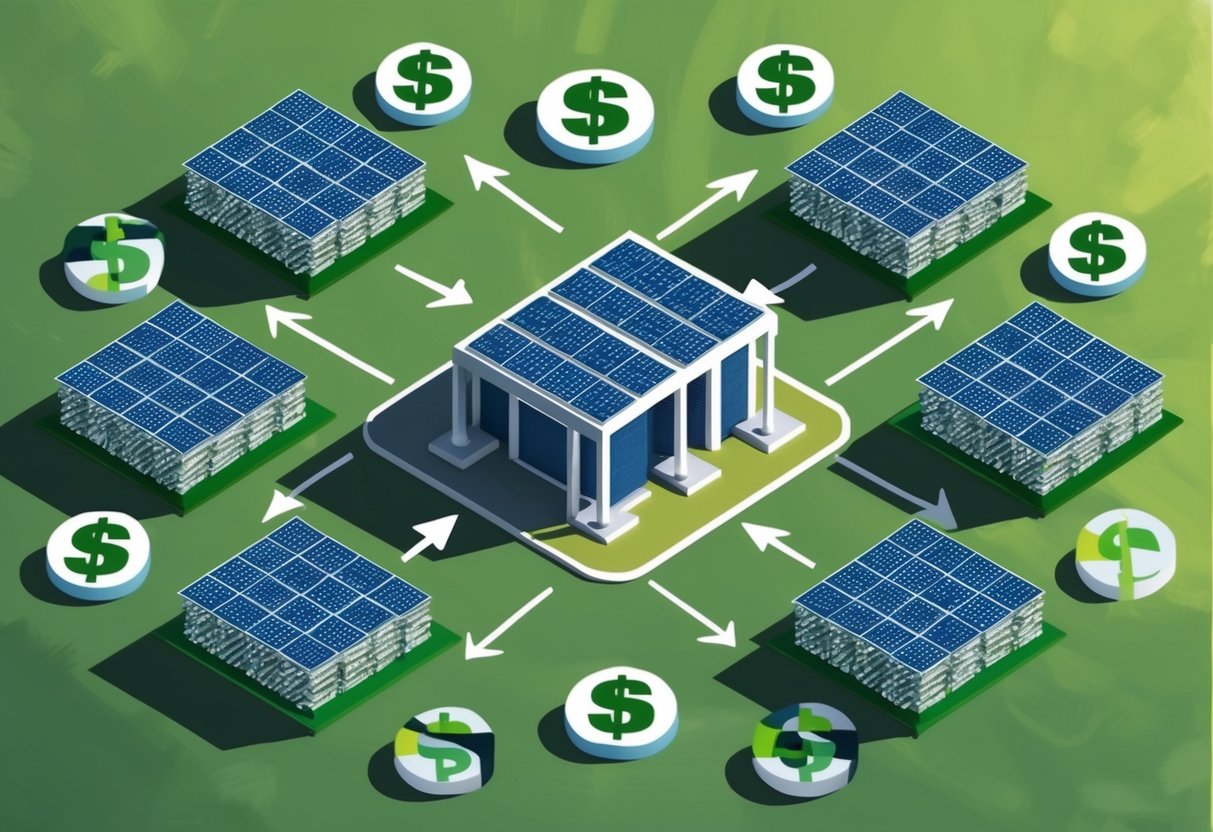 Federal incentives can significantly help reduce the cost of renewable energy investments. By understanding and leveraging these opportunities, one can maximize tax savings and support the growth of clean energy projects.
Guidance for Tax-Exempt Organizations
Did you know tax-exempt organizations can participate in renewable energy projects, too? They can take advantage of certain federal tax benefits even though they don’t pay federal income tax. Under the Inflation Reduction Act (IRA), these organizations can receive direct payments in lieu of tax credits for renewable energy projects. This option allows them to fund projects like solar installations and wind turbines without traditional tax liabilities. Navigating through these options can be quite beneficial. Organizations eligible for these benefits should evaluate the potential financial impact and operational advantages. Involving financial experts can provide clarity and ensure they achieve the maximum possible benefit.
Deductions and Credits for Eligible Taxpayers
Are you aware of the tax savings that come with renewable energy investments? Eligible taxpayers can access various deductions and credits. The Investment Tax Credit (ITC), for example, offers up to a 30% credit for qualified investments in solar, wind, and other renewable projects. The U.S. Department of the Treasury plays a big role in overseeing how these credits are allocated. These credits directly reduce federal income tax liability, which means more money stays in your pocket. It’s essential to stay informed about the eligibility criteria and compliance requirements. Consulting with a tax advisor can help identify which credits apply to your situation and ensure you take full advantage of the benefits.
Zero-Emission Nuclear Power Production Credit
Have you considered the role of nuclear power in clean energy? The Zero-Emission Nuclear Power Production Credit is designed to support nuclear energy producers who maintain zero emissions. Introduced to encourage the continued operation of existing facilities, this credit provides financial relief to nuclear power producers, ensuring they remain competitive in a market that increasingly prioritizes renewable sources. This credit isn’t just about maintaining current operations. It signifies an important recognition of nuclear energy’s potential in the transition to clean energy. For investors in nuclear projects, this credit can be a game-changer, offering financial incentives to a sector often overlooked in renewable energy discussions.
Future Directions of Clean Energy Transition
 In the coming years, the transition to alternative energy sources will be crucial for reducing dependence on fossil fuels. Policies influencing clean electricity investment will shape market trends and investor decisions. Additionally, the rise of electric vehicles will integrate with clean energy goals and support the shift toward sustainable practices.
Transitioning to Alternative Energy Sources
Ever wonder how the world might shift away from fossil fuels? The shift to alternative energy sources is more pressing than ever. Renewable technologies like solar, wind, and hydro are at the forefront of this change. These energy sources not only reduce carbon emissions but also drive innovation in energy storage and efficiency. As technology evolves, the costs associated with these sources are falling. This makes investments in these areas compelling. Individuals and companies seeking to adapt should watch for tax incentives like the technology-neutral tax credits being introduced. With these changes, I see an increased chance for significant returns and a cleaner environment. It’s an exciting time to be involved in this transition.
Policy Implications for Clean Electricity Investment
Policies can change the landscape of clean energy. Government initiatives and incentives can significantly affect where and how investments are made. For instance, recent results outline the expansion of access to clean energy projects driven by new federal regulations. These regulations aim to increase participation and investment by simplifying processes for stakeholders. The Clean Energy Production Tax Credit is also pivotal in making renewable investments more attractive. Wise investors keep a close eye on policy changes, understanding that they hold the key to unlocking new opportunities and minimizing risks.
The Integration of Electric Vehicles in the Clean Energy Shift
Electric vehicles (EVs) are not just a trend; they’re a fundamental shift in how we think about transportation. The integration of EVs with clean energy systems is transforming how energy is consumed and stored. With advancements in EV technology, there’s a growing demand for efficient charging infrastructure that aligns with renewable energy production. This integration supports the broader clean energy transition by utilizing renewable sources to power transportation. Moreover, states and countries pushing for more EVs can create incentives, encouraging manufacturers to invest in clean energy technologies. As an investor, understanding these dynamics allows me to spot opportunities where the automotive and energy sectors intersect, creating a robust ecosystem for economic and environmental gains.