
I know what it feels like to wonder if there’s more to investing than stocks or a basic savings account. Cranston, RI might just be the answer you’ve been looking for.
Real estate investing in Cranston offers steady rental demand and appreciation potential, giving investors a real shot at building lasting wealth.
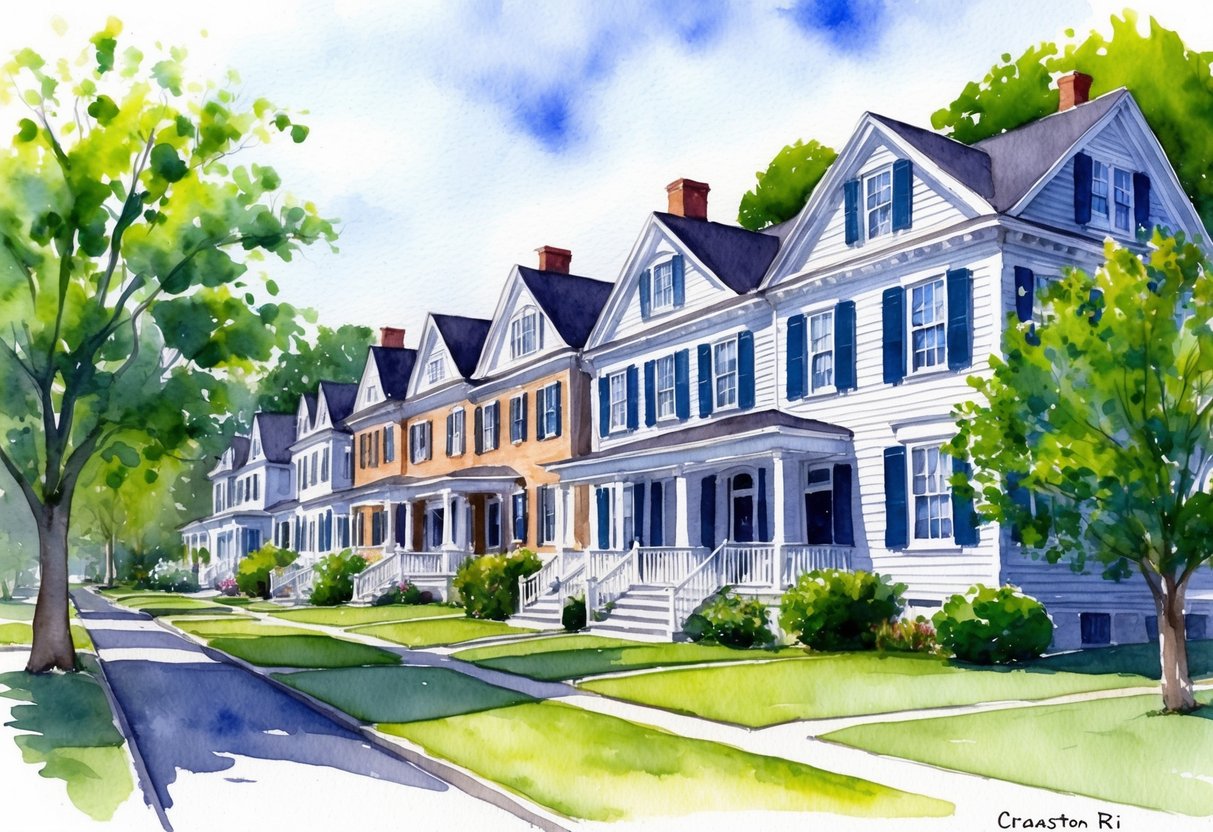
Ever stop and wonder why so many people look beyond Wall Street for their financial future? For me, it’s about more control and seeing real, tangible growth.
Cranston’s mix of established neighborhoods, proximity to Providence, and a growing market make it an appealing option for those who want to get ahead without waiting decades for uncertain returns. If you’re ready to take a closer look at how real estate can work for you, Cranston’s market is worth your attention.
Key Takeaways
- Cranston, RI offers strong potential for real estate investors.
- Diverse neighborhoods and property types create many options.
- Understanding the local market is key to finding the right investment.
Why Invest in Cranston, RI Real Estate
I want to know my money is working as hard as I do. I look for places with proven value, economic stability, and steady growth to protect my future—and Cranston, Rhode Island, hits that sweet spot.
Growth Potential
Cranston’s real estate market is strong and keeps getting stronger. The city has a high Sold to List Price Percentage—homes are selling for almost exactly what sellers ask for, with a ratio of 99.5%.
That tells me there’s serious demand from buyers, and homes rarely sit on the market long. Current median home values are lower than the state average, which makes entry more affordable while leaving room for appreciation.
Property values in Cranston tend to increase steadily, especially with the city’s close proximity to Providence and easy access to major highways. If I’m looking for a place where my investment has the chance to grow, Cranston’s stable and growing market stands out.
Here’s a quick snapshot:
Metric
Cranston
Rhode Island (statewide)
Median Home Value
$228,300
$249,800
Sold to List Price Ratio
99.5%
—
Local Economy
A strong local economy supports real estate values. Cranston is no stranger to steady job growth, with a mix of industries including healthcare, retail, education, and manufacturing.
Several hospitals, schools, and businesses bring reliable employment opportunities. Why does this matter to me as an investor?
It means more people can afford to rent or buy homes, keeping vacancies low and demand high. Cranston’s proximity to Providence, one of the economic centers of Rhode Island, creates a ripple effect: residents have access to even more jobs, while enjoying a quieter suburban lifestyle.
Local government invests in public services and infrastructure. Good schools and safe neighborhoods translate into higher appeal for families.
Population Trends
Population growth tells me if a city has lasting appeal. Cranston’s population has been rising slowly but steadily over the past decade, and it’s now the second-largest city in Rhode Island.
People are moving here for accessible housing, good schools, and community amenities. Many are working professionals and families who want to be close to Providence without paying Providence prices.
This is exactly the kind of stable, reliable tenant base I want for my rental properties. A mix of long-time residents and new arrivals helps keep the housing market healthy.
High rental demand isn’t just a buzzword; in Cranston, it’s the day-to-day reality, providing both cash flow and appreciation for investors looking at real estate market trends in Cranston.
Overview of Cranston Neighborhoods
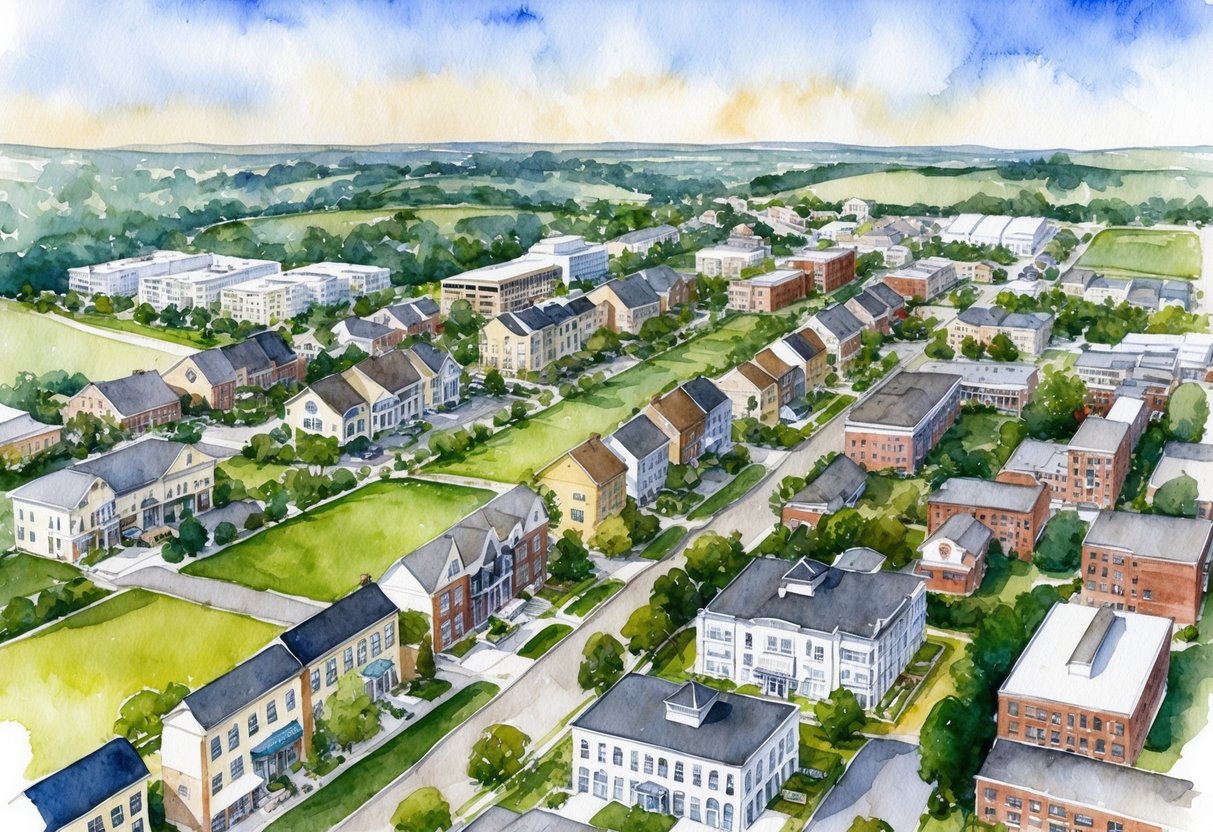
Cranston, Rhode Island, offers a range of neighborhoods, each with its own personality, price point, and lifestyle. As I look deeper, I see a mix of established residential zones, busy commercial hubs, and areas with easy access to parks, shopping, and restaurants.
Desirable Residential Areas
For families and professionals searching for stability and comfort, Western Cranston stands out. With a median listing home price near $875,000, Western Cranston is home to large houses, newer developments, and wider lots.
I see it as a prime pick if I’m aiming for long-term growth and a higher quality of life. Western Cranston also features top-rated schools and peaceful streets.
In contrast, neighborhoods like Eden Park offer more affordable single-family homes, attracting buyers who want proximity to city amenities but at a lower price point. Edgewood, with its historic homes and tree-lined avenues, appeals to those who value charm and character.
When I walk through these areas, I notice a strong community vibe—people take care of their properties, greet each other, and kids play in well-kept yards.
Commercial and Mixed-Use Districts
People often overlook Cranston’s business corridors, but I don’t. Here’s what stands out to me: Garden City Center.
This outdoor shopping plaza anchors one of Cranston’s busiest retail and dining areas, drawing people from all over Rhode Island. The mix of national chains and local restaurants creates steady foot traffic.
There’s also Pontiac Avenue and the Rolfe Square area, packed with professional offices, banks, and small businesses. These mixed-use zones give investors a shot at retail, office, or multi-family holdings.
When I consider commercial investments, I look for high-visibility spots close to main roads; Cranston’s commercial districts check this box.
Proximity to Amenities
Why do so many families choose Cranston? Easy access to daily essentials matters.
In Cranston, nearly every neighborhood sits near supermarkets, gyms, or medical offices. Residents in the Oaklawn area can quickly reach popular spots like Twin Oaks restaurant or enjoy a round of golf at Valley Country Club.
Western Cranston boasts walking trails, sports fields, and recreation centers. The proximity to Providence adds another layer of convenience—whether for work, higher education, or nightlife.
Fast highway access, diverse eateries, and family-friendly parks make Cranston’s neighborhoods a smart and comfortable choice.
Types of Real Estate Investments in Cranston
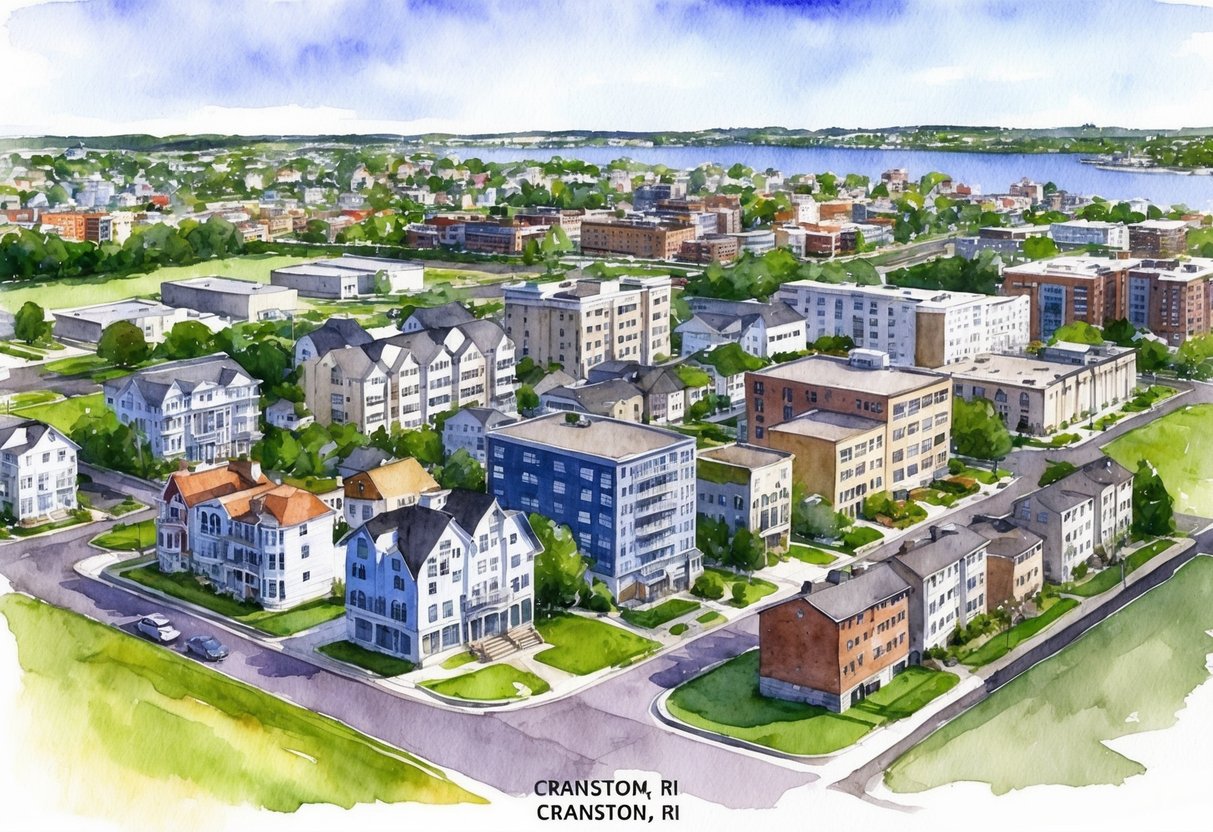
In Cranston, I see tried and tested real estate options that can help increase cash flow and build long-term wealth. Each property type comes with different risks, income opportunities, and levels of responsibility.
Single-Family Homes
Single-family homes attract renters who want more privacy and stable neighborhoods. These homes appeal to families searching for quality schools and safe streets.
I find they’re usually easy to maintain and can be sold off quickly if I ever need access to cash. The turnover rate is lower with families, which cuts down on vacancy costs.
However, when a tenant leaves, the property goes vacant, and cash flow stops until I find a new renter. In Cranston, the demand for these homes stays steady, with many buyers prioritizing suburban comfort over city noise.
Home values have seen gradual appreciation, and well-kept properties can fetch a premium. Leasing to one tenant reduces management headaches, but every vacancy takes a bigger bite out of income.
Still, the security and simplicity make these homes a strong choice for building a stable real estate portfolio.
Multi-Family Properties
With duplexes, triplexes, and apartment buildings, I get multiple rental units in a single investment. Why settle for one income stream when you can have three or more?
Multi-family investments often boost my returns and spread out risk. If one unit is vacant, the others help cover my mortgage and expenses.
Cranston’s strong rental demand has made these properties highly desirable, especially for working families and young professionals priced out of buying their own home.
In many cases, multi-family properties come with more management needs—more tenants, more repairs, and stricter regulations from the city. But smart management pays off.
Over time, rents on these units tend to rise faster than single-family homes, helping me keep up with inflation. Cash flow is king, and multi-family investments have the potential to bring in reliable monthly income while building equity faster.
Commercial Properties
Commercial investments include office buildings, retail spaces, and warehouses. These have the potential for higher returns compared to residential real estate, but with bigger risks.
Leasing to businesses usually means longer contracts, sometimes three to five years. I like that stability, but I’m fully aware one long vacancy could eat up months of income.
Location is the deciding factor. Cranston’s commercial opportunities are tied to traffic, visibility, and the local business environment.
These properties often require more capital, more expertise, and a willingness to negotiate custom lease agreements. Even so, the right commercial deal can outperform most stocks or bonds—especially in a growing market.
I keep a close eye on local economic development projects and tenant demand to help avoid costly surprises.
Mixed-Use Buildings
Mixed-use investments blend apartments or condos with shops, restaurants, or offices below. These buildings bring a steady stream of renter income plus the benefits of commercial tenants.
In Cranston, mixed-use spaces in growing neighborhoods can attract young professionals looking for convenience. I’ve seen that having retail or service businesses on the ground floor can boost foot traffic and raise all property values in the area.
Management is more complex—I have to balance the needs of residential renters and business tenants. Rules can be stricter, and repairs may be more involved.
If executed well, mixed-use properties can weather economic ups and downs by drawing on both residential and commercial rental markets. Having diverse income sources helps me hedge my bets and adapt faster in a changing economy.
Market Trends and Property Values
Property values in Cranston have been moving steadily upward, but as any smart investor knows, it isn’t just about chasing the hottest price tag. Smart money looks at trends, measures rental demand, and tries to see around the next corner before committing capital.
Recent Price Movements
Have you noticed how often the “average” investor rushes in because prices jump? This market doesn’t reward panic or blind faith.
Over the past year, home values in Cranston have risen by about 7.7%, with the average value sitting around $434,937.
Median listing prices are also up, reaching $459,000 in March 2025, a 14.8% year-over-year climb. Even with these increases, demand hasn’t cooled off—Cranston remains a competitive market.
The low inventory often pushes buyers to make offers above asking price. If you’re wondering whether these jumps mean we’re due for a dip, look at how tightly inventory is controlled.
Sellers have more power, but sharp investors know to track days on the market and price drops. Why? Because that’s where opportunity hides.
Rental Market Overview
What about rental income potential? Let’s be honest—a solid investment isn’t just about one-day appreciation, but about steady cash flow.
Demand for rentals in Cranston has grown, partly because rising home prices push would-be buyers into the rental pool. A typical single-family home here can command higher rents than the statewide average, especially in neighborhoods with good schools and easy highway access.
Many properties rent quickly, especially in spring and summer, when Rhode Island’s mild weather encourages families to move. Investor competition isn’t just from locals—Boston commuters and out-of-state retirees often look for rentals in Cranston because it balances affordability and convenience.
If you want consistent, long-term tenants, targeting homes near major employers or in walkable neighborhoods tends to pay off.
Forecast for 2025
Is this trajectory sustainable? Honestly, unless there’s a major shock, property values in Cranston are likely to stay strong through 2025.
Most reliable sources predict modest appreciation, probably in the 3% to 5% range—not the wild leaps some places have seen. The rental market looks steady, too.
With remote work still popular, more people want space and a quieter community. Cranston’s location—close to Providence, beaches, and highways—makes it a fallback for buyers and renters who get priced out elsewhere.
Investment Strategies for Cranston, RI
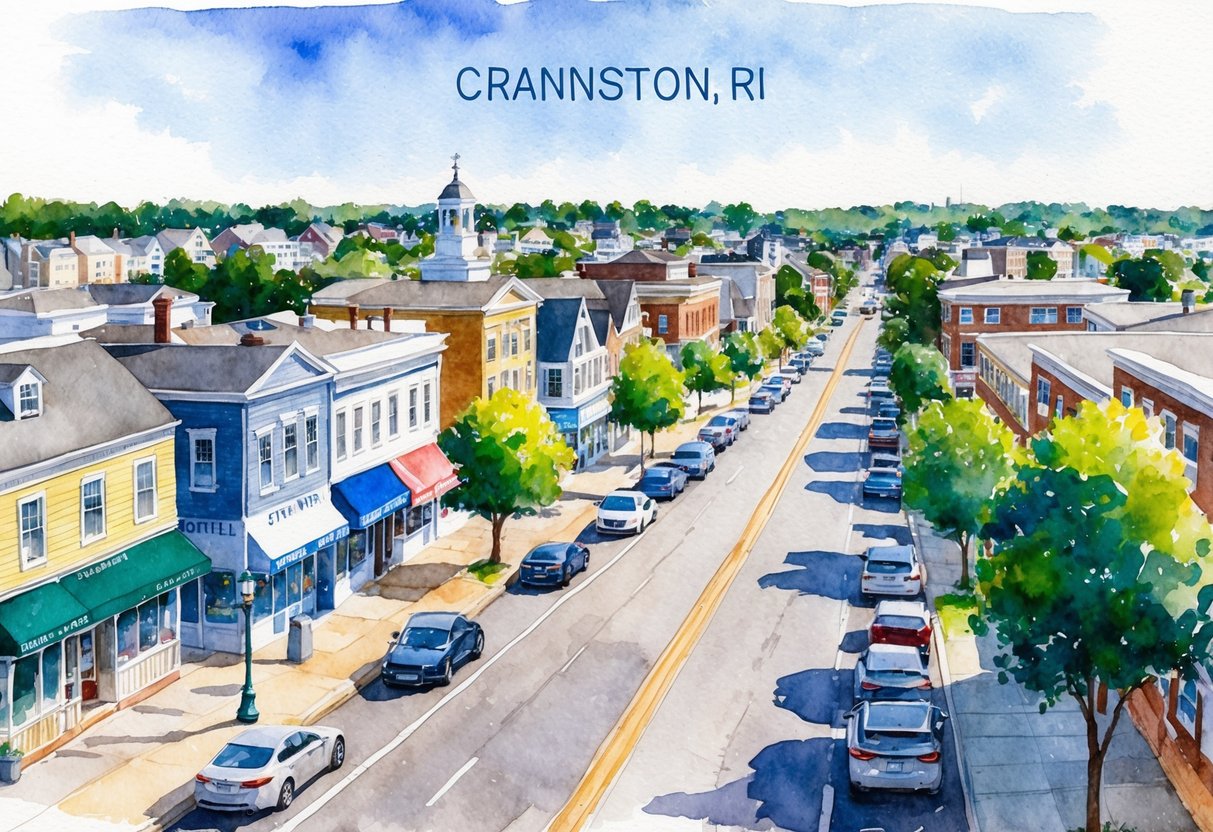
Cranston offers a variety of real estate investment options that can help build wealth while diversifying my portfolio. By understanding these strategies, I can decide which approach matches my goals, capital, and comfort level.
Buy and Hold
When I invest using the buy and hold strategy, I purchase property and keep it for the long term. Cranston’s steady rise in demand for housing means I could earn reliable rental income and watch my asset appreciate over time.
Neighborhoods with good schools and parks attract families, making single-family homes and duplexes a smart choice. I use property management apps to screen tenants, track rent payments, and handle maintenance, which keeps my workload low and my investment protected.
According to Cranston-specific investment guides, cash flow on well-located properties usually stays strong even when markets get shaky. The key? I focus on areas close to major employers, highways, and amenities.
Fix and Flip
Flipping homes in Cranston can be profitable, but it’s not for the faint of heart. I look for undervalued houses that need cosmetic updates or repairs.
After renovations, I sell at the new market price. Timing and location are everything—the best flips are near growing neighborhoods and shopping centers, where buyers want move-in ready homes.
Budgeting is crucial. To avoid losing money, I use real estate apps to estimate renovation costs and set realistic resale values.
Working with local contractors and real estate agents who know the Cranston market inside out is essential. Why let fear hold me back? If I buy right and manage the project well, this strategy can deliver quick profit—without waiting years for returns.
Short-Term Rentals
Short-term rentals have exploded in popularity thanks to apps like Airbnb and VRBO. In Cranston, homes near Providence and the waterfront attract traveling nurses, business professionals, and tourists.
I always check local rules and HOA policies before diving in since some areas limit rentals. Keeping occupancy high is the secret sauce.
I stage properties with comfortable furniture and provide quality amenities. Dynamic pricing apps help me set nightly rates that match demand, filling my calendar and boosting income.
This approach can offer higher monthly income, but it’s definitely more work. If I’m willing to handle bookings, cleanings, and maintenance, short-term rentals can add a flexible, dynamic source of cash flow to my investment plan.
Legal and Financial Considerations

Smart real estate investing means understanding the rules of the game and knowing how money moves through every deal. From city codes and state laws to the IRS and local taxes, every detail matters if I want to avoid surprises.
Local Regulations
Before buying a property in Cranston, I make it a priority to study the city’s zoning laws. Local regulations dictate if a property can be used as a rental, a short-term Airbnb, or for other purposes.
Cranston’s building codes, permit requirements, and landlord-tenant laws set what’s allowed, what’s not, and what repairs or safety standards I have to meet. If I ignore these details, I risk fines or even losing my rental license.
Some neighborhoods require special permits for multi-family homes, while others limit how many unrelated tenants can live together. Keeping an eye on city council decisions and local real estate investment laws helps me stay ahead.
I also need to give proper notice and get consent from tenants for any inspections or improvements. Sometimes new privacy rules, like cookie consent notices on rental websites, can impact how I advertise my property or handle applications.
Tax Implications
Every dollar that moves in or out of my real estate investments is tracked by the IRS. Rental income is taxable, but so are deductions—mortgage interest, repairs, and certain operating expenses.
I keep good records to prove these expenses if I’m ever audited. Capital gains tax might kick in when I sell a property for more than I paid.
Short-term investments get taxed at a higher rate than those I hold for over a year. State and city tax rules can affect my bottom line too.
Cranston may require me to pay local property taxes or even a special tax if I own multiple investment properties. Ignoring tax law isn’t just risky—it’s expensive.
Working with a tax professional who knows Rhode Island real estate helps me keep more of what I earn and avoid costly mistakes with the IRS.
Financing Options
How do I pay for an investment property if I don’t want to dip into my savings? There are many ways to finance a real estate purchase in Cranston.
I can look to traditional bank loans, which usually require a solid credit score and a large down payment. Conventional loans are popular, but they aren’t the only route.
Some investors use hard money loans, which are faster but come with higher interest rates. Owner financing, home equity loans, and even self-directed IRAs also give experienced investors more options.
Each method comes with its own pros and cons—bank loans are stable but slow, while cash deals are quick but eat into liquidity. Understanding my financing choices and comparing terms helps me stretch my dollars further.
Exploring lesser-known options, like leveraging rental income or multi-unit properties, can make my plan more flexible, as explained in guides on financing investment real estate in Rhode Island. Would I stake my future on a single, inflexible option? I won’t—because a smart investor always keeps their options open.
Comparing Cranston to Surrounding Markets
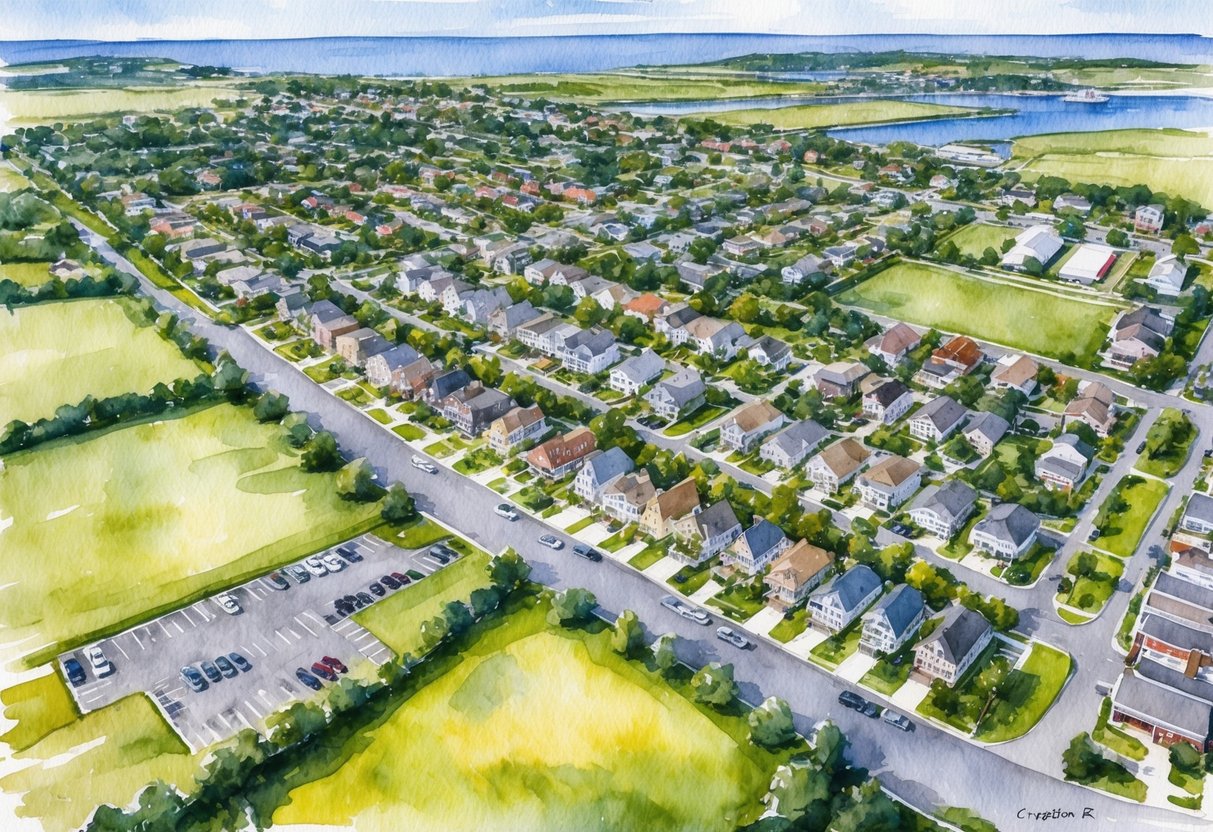
When I look at the Cranston real estate market, I see opportunities that stand out because of its location, home values, and rental strength. Still, key differences show up when Cranston is compared to other cities in Rhode Island and the nearby parts of Massachusetts.
Rhode Island Cities
Cranston’s median home value is about $228,300, while the median for the state sits a bit higher at $249,800. What does that mean for someone like me? I could get in for less money while still tapping into growth.
Providence, just next door, offers easy access to city jobs and attractions. But houses there can be pricier and competition stiffer.
Warwick, another close neighbor, has a similar mix of suburban appeal and urban benefits. However, rental demand and price growth in Cranston have outpaced cities like Warwick and Pawtucket.
Family-friendly areas in Cranston, along with safe neighborhoods, can make a big difference for long-term stability and cash flow compared to other Rhode Island locations. For more details on median values and comparisons, this guide breaks it down.
Quick Comparison Table
City
Median Home Value
Rental Demand
Proximity to Providence
Cranston
$228,300
Strong
Very Close
Providence
$249,800+
Strong
N/A
Warwick
$230,000+
Moderate
Close
Nearby Massachusetts Locations
When I compare Cranston to Massachusetts cities just over the border, key differences stand out. Housing prices in Massachusetts cities like Attleboro or Seekonk are generally much higher than in Cranston.
These cities can also come with higher property taxes and different tenant laws, which might make the math less attractive for investors. Rhode Island offers a slower pace and tighter-knit neighborhoods, which appeals to many families and renters.
Cranston’s rents, while not as high as Boston’s suburbs, stay competitive because of its low vacancy rates and strong rental demand. The extra commuting time to Boston from Massachusetts towns can also be a factor if I want to target renters who work in Providence, not Boston.
If I want to maximize my entry cost and attract a steady stream of quality tenants, Cranston has an edge over nearby Massachusetts towns. The market is easier to enter, and I don’t have to battle the paperwork or price tags I’d deal with just across the state line.
For more analysis on Cranston investment potential, check out this real estate investing guide.
How to Find Investment Properties in Cranston
Finding the right investment property in Cranston is about more than just scrolling through random listings. I focus on proven strategies that actually help me spot high-potential deals faster and smarter.
Working With Local Agents
Why try to go it alone, especially when I can lean on the expertise of local real estate agents? Agents who work in Cranston know which neighborhoods are seeing growth, where rental demand is rising, and which properties get overlooked by others.
I make sure to connect with agents who have a solid track record with investment clients. These professionals get early info about listings before they hit big websites, and they often know about motivated sellers open to creative deals.
They can also introduce me to local lenders, inspectors, or contractors who actually work on investor timelines. When I’m searching for off-market opportunities, a savvy agent can make all the difference.
I ask about properties that never get advertised, pocket listings, or fixer-uppers stuck in probate. Working closely with a knowledgeable agent in Cranston helps me filter through the noise and invest with confidence.
Online Platforms
I don’t ignore technology. These days, some of the best investment deals pop up online before anywhere else.
Instead of just using big general sites like Yahoo Real Estate, I lean toward local or niche real estate platforms where Cranston investment properties actually get listed for sale. It just feels more targeted.
Sites like Connected Investors and LoopNet let me filter by property type, cap rate, and even show price histories. I use these tools to compare listings, evaluate cash flow potential, and spot trends in certain Cranston zip codes.
A lot of these platforms send daily alerts, so I hear about new listings right when they hit the market. To keep things straight, I throw everything into a simple table:
Platform
Features
Notes
LoopNet
Commercial, filters, price history
Best for multifamily
Connected Investors
Off-market, networking, auction deals
More investor focus
Yahoo Real Estate
Broad listings, general search
Useful for comps
Mixing agent connections with online platforms helps me stay proactive and find the right investment properties in Cranston.
Risk Management and Common Pitfalls
Thinking about buying in Cranston, RI? Investing isn’t about luck—every move counts.
What hurts most isn’t the market itself but slipping up on things like scams, spam, or the basics of property care.
Avoiding Scams
Scams target both new and experienced investors. I always check an agent’s or seller’s credentials before moving forward on any property.
I verify licenses and look up past client reviews. Getting everything in writing helps clear up confusion later.
When I’m shown a deal that seems too good to be true, I pause and dig deeper. Wire fraud is on the rise.
I never send money over email links or unsecured sites. I make sure documents and payment requests only come from verified parties.
This means always looking for clear contact details and double checking routing information with the title company. Locking down my investment starts with careful screening and only using trusted platforms.
Fraudsters work fast—but I try to stay one step ahead.
Dealing With Spam
My inbox and phone sometimes fill up with property offers, spammy promotions, and unwanted ads. Using filters keeps most junk away, but I go even further.
I don’t give out my main phone number or email until I’ve vetted the company or broker. When visiting real estate sites, I check their cookie policies.
I use strong passwords and never open suspicious attachments. It’s just not worth the risk.
I don’t trust every unsolicited property deal. If the seller is pushing too hard, I walk.
Protecting my data—from contact information to investment details—matters more than ever. I stick to platforms that value privacy and are clear about cookies and data use.
Property Maintenance
The real test of a rental kicks in after you buy it. Just buying isn’t enough—regular upkeep is what actually protects my cash flow and the property’s value.
I keep a detailed maintenance schedule. I also budget for unexpected repairs, because let’s be honest, something always pops up.
If I ignore leaks, HVAC hiccups, or outdated safety systems, those little things can snowball into huge expenses. So, I try not to let small stuff slide.
When I need work done, I compare a few contractors every time. I check their references, make sure they’re licensed—no shortcuts.
Communication really matters here. I set clear expectations and use checklists during inspections.
This way, I can catch issues before they get out of hand. Careful oversight helps me keep the place attractive for tenants and, hopefully, avoid those wallet-draining surprises.