Peer-to-peer lending offers a fresh alternative to traditional investment paths. As an investor, I’ve found that scaling my portfolio in this space can lead to impressive returns. The trick is not just in growing the portfolio, but in mastering strategic diversification to balance risk and reward. This approach lets me make the most of my investments while spreading out potential risks.  Have you considered the power of technology and data in boosting your returns? In today’s digital age, leveraging these tools is not just an advantage; it’s necessary. By using data-driven strategies, I can make informed decisions about where and how much to invest, shaping a resilient portfolio that stands strong against market fluctuations. Navigating the peer-to-peer lending landscape involves understanding both the art and science of investing. From choosing the right borrowers to managing my loans, every step contributes to the success of my portfolio. I’ve found that focusing on key strategies for risk mitigation while keeping a keen eye on market trends ensures that my investments grow steadily, offering both security and growth.
Key Takeaways
- Strategic diversification is key to growing a P2P lending portfolio.
- Leverage data and technology to enhance investment decisions.
- Focus on understanding market trends for better returns.
Understanding Peer-to-Peer Lending
 When diving into peer-to-peer lending, it’s essential to grasp the core concepts. The journey involves connecting with platforms that facilitate lending between individuals rather than traditional banks. Prosper and LendingClub are key players, offering unique opportunities for both borrowers and investors.
The Basics of P2P Lending
Peer-to-peer lending is an approach where individuals lend money to others via online platforms. This model bypasses banks, enabling direct financial transactions between lenders and borrowers. It provides borrowers an alternative to traditional loans and gives investors a chance to earn returns. Why do people turn to P2P lending? For borrowers, it’s often about accessing funds more easily than through banks. For investors, it promises potentially higher returns compared to regular savings. The process is usually straightforward. Borrowers apply for a loan online and are matched with investors willing to fund their needs. It’s a system built on trust and accountability, backed by the efficiency of digital platforms.
P2P Lending Platforms
P2P platforms like Kiva, Prosper, and LendingClub play a pivotal role in this ecosystem. They are the mediators, facilitating the transactions between borrowers and lenders. Each platform has its own set of rules, fees, and types of loans offered. They typically operate by assessing the creditworthiness of borrowers and setting interest rates. As an investor, I find it crucial to evaluate different platforms. Factors like user experience, ease of use, and customer support matter a lot. Most platforms also offer tools to diversify investments, spreading risk across multiple loans. Choosing the right platform can significantly impact your returns in the long run.
The Role of Prosper and LendingClub
Prosper and LendingClub are two of the most recognized names in peer-to-peer lending. Each offers distinct features and benefits. Prosper provides investors with the chance to earn solid returns, averaging around 5.5% for some loans. On the other hand, LendingClub is known for its comprehensive approach, offering a range of loan options that cater to different needs. They both strive to connect investors and borrowers effectively, ensuring that the lending process is smooth and reliable. For anyone venturing into P2P lending, these platforms are worth exploring. Choosing the right one can make a significant difference in achieving better returns.
Crafting Your Investment Strategy
 When expanding a peer-to-peer lending portfolio, considering risk profiles, interest rates, and diversification strategies is vital. Personal risk tolerance plays a huge role in shaping how investments grow, while understanding the interest landscape helps in maximizing returns. Diversifying investments can potentially cushion the impact of defaults.
Assessing Your Risk Profile
Understanding personal risk tolerance is the foundation of any investment strategy. When I planned my investment journey, getting to grips with my comfort with potential losses helped me determine the extent of my investments in peer-to-peer lending. Risk profile varies from person to person, so I ensured to evaluate mine by considering financial goals, the timeline for returns, and the potential impact of loss. Some people may prefer a conservative approach, focusing on safer, lower-yield options, while others are comfortable with higher risks for better returns. It’s similar to choosing between a smooth sail or a thrilling roller coaster. What kind of ride would you choose?
Understanding Interest Rates and Returns
Navigating through the world of interest rates can feel like exploring a dense jungle. Interest rates directly impact the return on investment, and identifying the best deals ensures optimum yield. Higher interest rates may suggest a riskier loan, but they can also mean higher returns if managed well. I aimed to understand how different platforms offer varying rates; some P2P platforms provide historical return data, which can guide better decisions. Monitoring these rates continuously allowed me to capitalize on favorable conditions while avoiding less promising opportunities during volatile periods. How much return are you prepared to go for, considering the potential risk?
Importance of Diversification
Why put all eggs in one basket when I could spread them across many? This was a key question that shaped the diversification strategy of my portfolio. By investing in a variety of loans, I reduced the risk of losing substantial funds due to a single default. Diversification became a game-changer. It didn’t just bring stability but also improved the potential for higher returns by balancing the losses with gains from other investments. Using platforms like LendingClub, I could spread risks and chase more consistent yields. How can a strategic spread make your investment safer, yet more profitable?
Portfolio Management Techniques
 Want to boost your peer-to-peer lending returns? It’s essential to balance risk with strategic choices. Successful management involves tweaking your loan portfolio to safeguard against losses and maximize profits. Here’s how I approach it.
Diversifying Loan Types
Ever wondered why diversification is so critical? In P2P lending, spreading your money across different loan types is like having multiple safety nets. This step reduces the impact of any one borrower defaulting. By investing in a mix of personal, business, and auto loans, I ensure my portfolio is resilient. Diversification allows me to capitalize on various interest rates while shielding against sector-specific downturns. I use platforms that offer a wide range of loan options to find the right balance. It’s much like crafting a salad with just the right blend of ingredients—not too much of one type.
Loan Selection and Allocation
Choosing the right loans can make or break your investment strategy. I carefully analyze each potential loan by looking at credit scores, payment history, and interest rates. How much should you allocate to each loan? I recommend not putting all your eggs in one basket. Instead, I allocate smaller amounts across numerous loans to hedge against individual failures. Many platforms help in selecting loans, making allocation decisions easier. Tools like NSR Invest can further assist in managing a diversified portfolio. By doing so, I not only distribute risk but also optimize cash flow within my portfolio.
Maintaining Liquidity
Liquidity means having cash on hand when opportunities strike or emergencies arise. In P2P lending, it’s crucial to maintain a portion of your portfolio in readily available funds. This approach protects you against sudden market changes and provides the flexibility to invest in high-return loans when they become available. Keeping a balance between outstanding loans and liquid assets ensures that I can respond swiftly to new possibilities. Maintaining a strategic buffer helps navigate uncertainties while staying poised for new opportunities. This balance of liquid assets is essential for both peace of mind and operational agility.
Mitigating Risks in P2P Investing
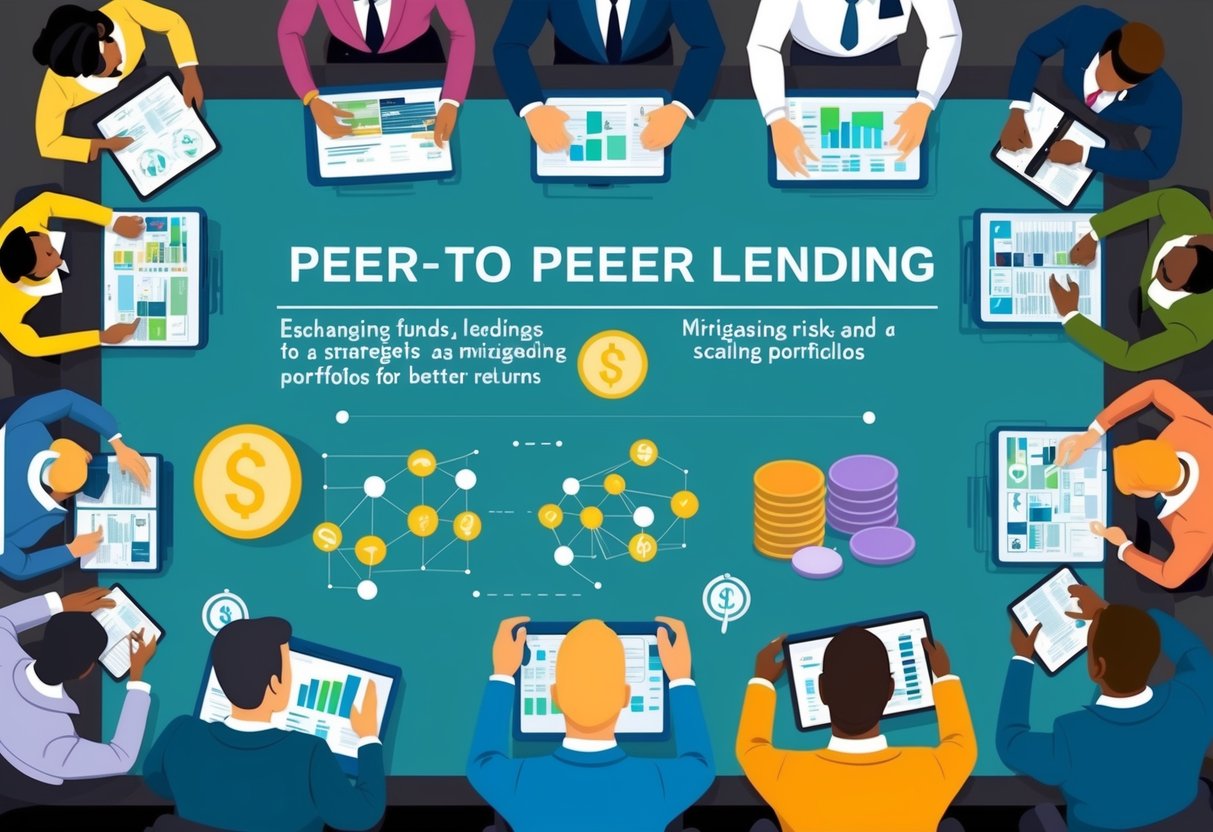 Investing in peer-to-peer lending can offer attractive returns, but it’s essential to manage risks effectively. By focusing on credit and platform risks, you can make informed decisions and improve your investment strategy.
Understanding Credit Risk
Credit risk is the chance a borrower might not repay their loan. It’s a key concern for any investor. To tackle this, I always start by assessing borrower creditworthiness. Borrower profiles provide insights into their financial habits. What does their credit history tell us? Platforms like Prosper and Upstart use sophisticated algorithms to assess risk, which is a crucial tool for deciding whom to lend money to. A diverse portfolio, spread across different borrowers, can reduce exposure to any single individual’s default.
Dealing with Loan Defaults
Loan defaults are inevitable in the world of P2P lending. So, how do I prepare for them? Regularly monitoring my loans helps me identify those at risk. This awareness allows me to make timely decisions, such as adjusting my portfolio strategy. Platforms often provide tools for loan recovery or selling non-performing loans on secondary markets. Knowing default rates and how to handle them ensures you’re not caught off guard.
Platform and Liquidity Risks
Choosing the right platform is vital. Platform risk occurs when the company facilitating your loans fails or behaves unpredictably. I investigate the platform’s reputation, financial health, and regulatory compliance. There’s also liquidity risk—can I easily access cash when needed? Some platforms might lock funds for a specific term. Knowing the terms and conditions of the platform reduces unexpected surprises. Understanding these risks helps me pick platforms that align with my liquidity needs. Stability and security are essential for sustaining a profitable strategy.
Maximizing Returns on Your Investments
 In the quest to boost returns in peer-to-peer (P2P) lending, it’s crucial to focus on strategic choices that increase yield. I aim to shed light on targeting higher returns, evaluating loan grades, and developing a robust long-term strategy.
Targeting High Returns
Do you know the secret to achieving high returns from P2P investments? Select loans with a higher interest rate while considering the associated risks. Platforms often offer varying rates based on borrower profiles. Loans with higher rates might be riskier, but the potential for a better average return is enticing. It’s essential to balance risk and reward. By diversifying across multiple loans with different rates and risks, I can mitigate some of these risks. Additionally, reinvesting repayments into new loans instead of withdrawing them can enhance the compounding effect. This method gradually boosts my investments, making my portfolio work efficiently.
Evaluating Loan Grades
What role do loan grades play in achieving my investment goals? Loan grades are a crucial factor. They are ratings assigned to borrowers based on creditworthiness, affecting the interest rate and risk level. High-grade loans tend to have lower returns but are more secure. On the other hand, low-grade loans offer higher returns but come with increased risks. By evaluating these grades, I balance my portfolio. I might choose a mix of both high and low-grade loans to optimize returns while minimizing potential losses. Careful assessment of borrower profiles and historical data is key to making informed decisions.
Long-Term Strategy for Great Return
Does short-term success guarantee long-term satisfaction in P2P lending? Not necessarily. Building a long-term strategy involves setting realistic financial goals and continuously adjusting my portfolio. Rebalancing is vital to maintaining my desired level of risk and return. I also keep an eye on emerging trends and adjust accordingly. The financial landscape is ever-changing, and staying informed helps me make the best decisions for my investments. By being patient and strategic, I create a sustainable path toward achieving substantial returns, ensuring that my retirement and family expenses are well-catered for.
Leveraging Technology and Data
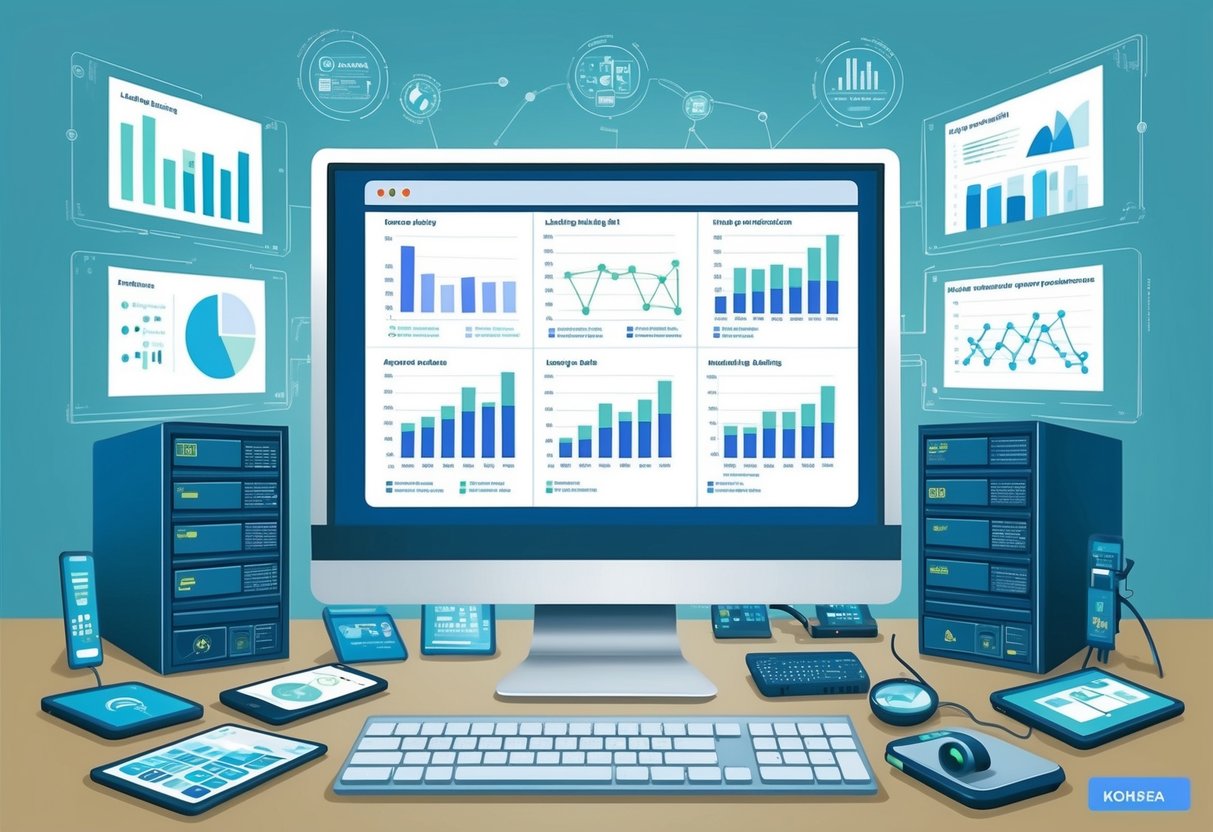 To excel in peer-to-peer lending, I focus on integrating technology and data. Advanced underwriting helps minimize risk, while data-driven decisions enhance returns. Staying updated on market trends ensures competitiveness and adaptability.
Advanced Underwriting Processes
To enhance underwriting, I employ cutting-edge technology like artificial intelligence. Companies like Upstart are already doing this to predict borrower’s creditworthiness more effectively. By analyzing vast datasets, the risk assessment becomes sharper and lowers default rates. Transparency in this process is vital. I ensure every factor affecting a decision is clear. Trust builds when borrowers understand why they’re approved or denied. Enhanced underwriting not only safeguards investments but also attracts reliable borrowers through fair assessments.
Data-Driven Investment Decisions
What drives my investment decisions? Data. Analyzing historical loan performances helps me recognize patterns. I can identify which loans are more likely to repay and focus my investments there. Access to this information is crucial for anyone serious about improving returns. Harnessing big data tools lets me filter loans by risk level, interest rates, and potential returns. With platforms that offer real-time data, I adjust strategies promptly. Staying data-driven keeps my portfolio agile and responsive. This approach maximizes profits while keeping risks manageable.
The Impact of Market Trends
Have you ever wondered how market trends could influence your lending strategy? Understanding these trends is essential. For instance, shifts in economic conditions can affect borrower behavior and loan defaults. By staying informed about trends, I can make proactive adjustments to my portfolio. Following economic indicators and industry reports gives me insights into future demands in peer-to-peer lending. It’s essential to adapt strategies as trends shift. This awareness of market dynamics allows me to capitalize and avoid potential pitfalls.
The Future of P2P Lending Investing
 Peer-to-peer lending is transforming rapidly with new trends and technologies. As the financial landscape evolves, investors face fresh opportunities and challenges. It’s crucial to stay informed about how these changes can impact your P2P portfolio.
Emerging Trends in P2P Markets
The P2P lending market is experiencing significant shifts driven by technology and consumer demand. Automation is becoming more integral, allowing for quicker loan approval processes and enhanced user experience. Many platforms now offer features that let investors automate their decisions based on preset criteria, making the process more efficient. Will this automation replace traditional investment methods? Not entirely, but it does provide quicker access to diversified investment strategies. Additionally, platforms are expanding globally, offering investors access to international borrowers. This expansion supports greater diversification, reducing reliance on domestic markets. With the rise of decentralized finance, known as DeFi, P2P lending will likely integrate more blockchain technology, enhancing transparency and security.
Innovations in Loan Servicing
Innovations in loan servicing are critical in improving the efficiency and reliability of P2P lending. Modern P2P platforms use sophisticated algorithms to assess the creditworthiness of borrowers more accurately. Advanced data analytics and AI help tailor lending options to individual financial profiles, reducing default risks for lenders. How can loan servicing improve investor confidence? By utilizing AI, lenders receive real-time updates on their portfolios, allowing for better decision-making. These platforms also implement more robust fraud detection measures, minimizing potential losses. Digital tools are enhancing borrower communications, ensuring timely payment reminders and increasing collections success rates. Through these innovations, investors can enjoy smoother management of their P2P portfolios.
Shifting Economic Environments
The economic environment is always changing. Factors like inflation rates, employment statistics, and global financial shifts directly influence P2P lending. Economic downturns might pose risks, but they also highlight the value of alternative financial services when traditional banks tighten lending. What does this mean for you? It implies the need for adapting strategies to mitigate risks while maximizing returns. By staying informed about economic trends, like interest rate changes, investors can adjust their portfolios accordingly. Keeping a diversified P2P lending portfolio will be key in navigating these shifting landscapes, ensuring stable returns while capitalizing on emerging opportunities.