

As I ponder the challenges we face in our financial lives, I find myself asking: Are we really prepared for the rising costs in healthcare? Many of us have carefully planned and saved, but the landscape is shifting. Inflation in healthcare is a concern that requires our immediate attention and strategic planning. It’s something that could impact our ability to retire comfortably or support our families as we envisioned. Facing these tough realities doesn’t mean we have to feel powerless or overwhelmed. With the right insights, we can navigate these turbulent waters effectively. By understanding the factors driving healthcare costs, we can better position ourselves to protect our financial future. Are you ready to seek out the strategies that will safeguard what we’ve worked for?
1) Understanding Historical Trends
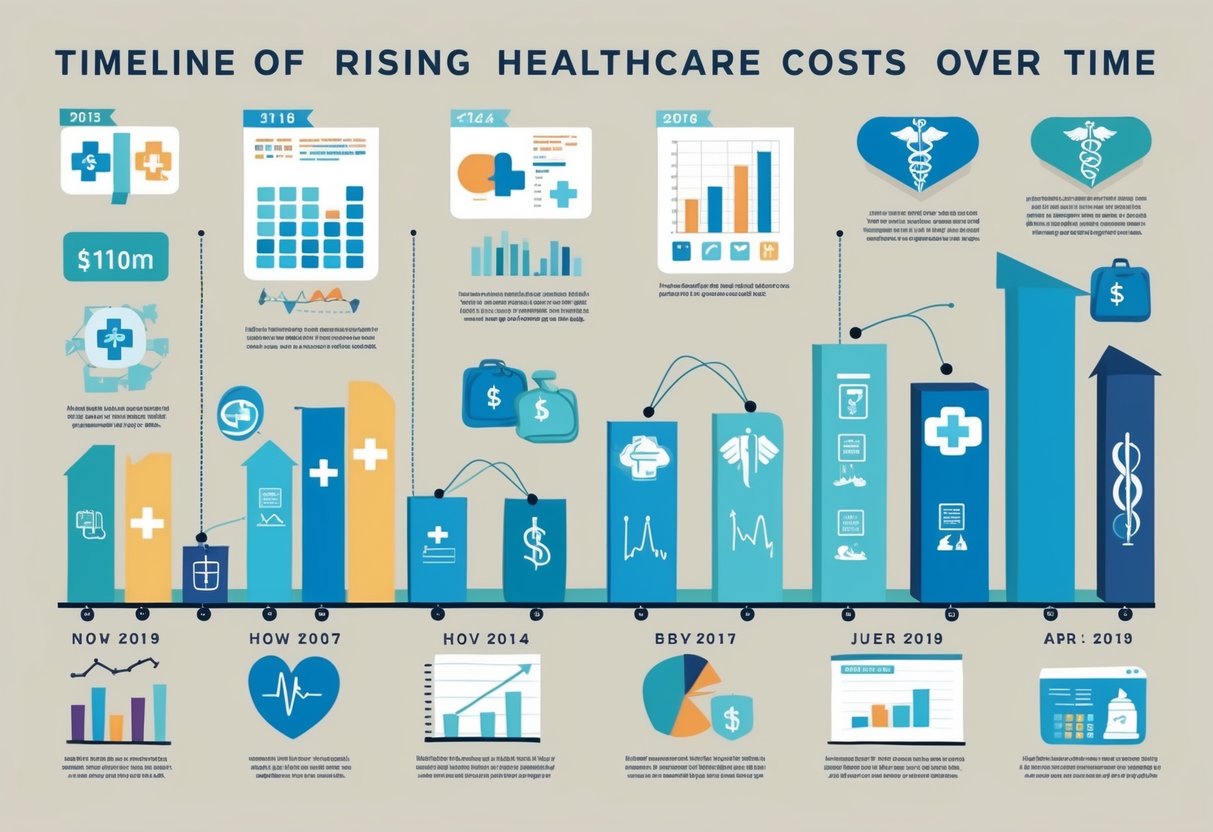 Why is it important to know the history of healthcare inflation? In the past, healthcare costs have consistently outpaced overall inflation. From 2000 to 2023, costs have jumped by almost 115%. Recognizing these patterns can give us the tools to anticipate potential fiscal challenges. What contributes to rising healthcare costs? One key factor is wage growth, which often lags behind the inflation rate. According to an analysis from McKinsey, nonclinical wage growth has, at times, exceeded baseline expectations by several percentage points. Such trends in wage adjustments can drastically impact the larger economic landscape of healthcare. Why should we pay attention to these trends? The disconnect between healthcare inflation and general economic inflation can create financial strain on families. For example, as inflation increases, the expenses for treatment, insurance, and medicines become more pronounced. This shift can affect our future financial planning and requires strategic adjustment. Does this mean our financial strategies need to change? Absolutely. Evaluating historical data is an essential part of forecasting future expenditure needs. By thoroughly examining past and current trends, we can refine our efforts to shelter personal finances from healthcare inflation’s impact.
2) Exploring Predictive Models
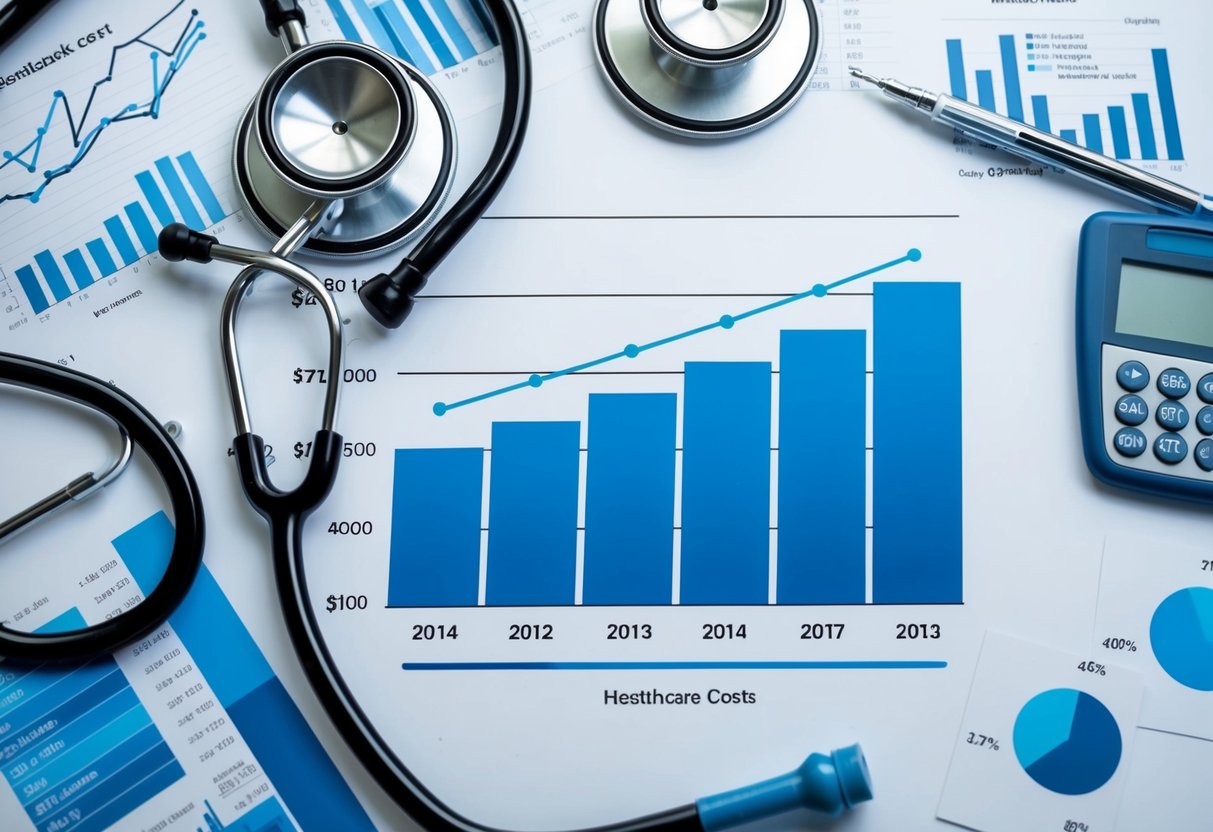 Have you ever thought about how data can help in preparing for healthcare inflation? Predictive models are tools that use available healthcare data to forecast future trends. This isn’t about magic; it’s about informed predictions. Imagine harnessing the power of machine learning techniques to get insights into potential future costs. By understanding variables that impact healthcare expenses, we can make more informed financial plans. Predictive models aren’t just for scientists. They can be a game-changer for anyone looking to optimize their healthcare spending. These models analyze patterns and trends, giving us a clearer picture of what’s on the horizon. For instance, clinical prediction models can identify those at a higher risk for certain conditions. This info can then drive personalized healthcare strategies, potentially keeping costs in check and avoiding surprises. So, how can we, as individuals, use this technology to our advantage? By staying informed and considering tools that leverage these models. They’re becoming more accessible and can support decisions that impact our financial future. In an age where information is crucial, being proactive with healthcare planning can provide a safety net against inflation. Embracing predictive analytics might just offer that extra layer of protection and preparedness. Are you ready to explore these opportunities?
3) Evaluating Government Policies
 What role does the government play in your healthcare expenses? It’s significant! As the biggest healthcare payer in the U.S., the federal government has a major influence on healthcare costs and policies. Paying attention to these policies can help you understand changes in your healthcare expenses. Ever heard of the Inflation Reduction Act? This legislation aims to tackle rising healthcare costs by allowing Medicare to negotiate prices. This could potentially lower out-of-pocket costs for millions. Imagine fewer worries about whether you can afford necessary medications. State policies are another piece of the puzzle. States often create innovative policy approaches to improve healthcare access and affordability. Tracking these changes helps you understand how your options might expand or contract. Do you realize how many people remain uninsured despite available subsidies? Approximately 10.9 million eligible individuals remained uninsured in 2021, partially due to awareness gaps regarding options available through marketplaces. This is a chance to review policies to ensure you’re aware of all available options. How can you navigate this landscape effectively? By keeping abreast of policy changes. Read up on new laws and consider their impact on your personal healthcare costs. Engaging with experts or resources that track and interpret policy can provide valuable insights.
4) Analyzing Pharmaceutical Costs
 When it comes to pharmaceutical costs, I find it crucial to have a clear strategy. Have you ever looked at the price of your medications and wondered why they keep rising? The answer lies in the complex process from production to the pharmacy shelf. Price controls aren’t always in place, leaving consumers vulnerable to rapid increases. I focus on identifying key cost drivers in pharmaceuticals. Prices often increase due to innovations, but sometimes it’s the supply chain inefficiencies that drive up costs. Are these medications manufactured domestically, or are they imported? Understanding these factors can shed light on why your medical bills are rising. Ven analysis, a method for managing drug procurement efficiently, is one way hospitals and health systems strive to contain costs. It stands for vital, essential, and non-essential. By focusing spending on the most critical drugs, organizations improve their budget allocations. The impact of inflation cannot be ignored. Besides regular market forces, inflationary pressures are adding to the cost woes. How does that affect your healthcare budget? It’s a question I ask when evaluating personal expenses each month. Keeping an eye on inflation trends helps in anticipating cost increases. In this landscape, some experts advocate for more robust pricing controls to limit these increases. Can such controls reduce the burden on consumers? Fifty percent of healthcare providers in major markets seem to think so, highlighting the growing demand for intervention. In my experience, thorough analysis and strategic planning are key. Whether we’re talking about personal budgeting or national policies, understanding the intricate link between drug pricing and healthcare inflation is vital. By staying informed, you can make better financial decisions and potentially navigate the escalating costs more effectively.
5) Reviewing Technological Innovations
 Have you noticed how technology is reshaping healthcare? It seems like almost every day there’s a new advancement. From telehealth to AI, these innovations could help us tackle rising healthcare costs. For instance, telehealth services allow patients to consult doctors from the comfort of their homes. This cuts travel costs and can reduce wait times. Plus, advancements in AI in medicine are making a huge splash. AI tools can help in diagnosing diseases quickly and accurately, which can potentially lower overall treatment costs. Innovation hubs are popping up to push these technologies forward. These hubs bring together experts from universities, the private sector, and government. Their goal is to foster collaboration and speed up the deployment of new ideas. Places like these help get groundbreaking technology into hospitals and clinics more efficiently. Learn more about how innovation hubs are shaping healthcare by visiting this overview on cutting-edge healthcare technologies. But what role does AI really play in healthcare? AI doesn’t just diagnose diseases; it also optimizes administrative tasks. For example, it can streamline insurance claims by identifying which ones need further review. An effective AI system can save both time and money for healthcare providers. Check out some AI-driven changes in healthcare for a deeper dive. Mobile health apps are another buzzworthy technology. These apps empower patients to monitor their health using their smartphones. From keeping track of medication to healthy lifestyle tips, these apps are like a health coach in your pocket. They help us stay healthy, potentially preventing costly future healthcare issues. As we move forward, understanding these technologies can be beneficial. Not just for healthcare providers, but for anyone concerned about rising costs. With the right tools, we can be part of a meaningful shift in how healthcare is delivered. Could these innovations be the key to managing healthcare expenses effectively? Only time will tell.
6) Assessing Global Healthcare Systems
 Have you ever stopped to think about the state of healthcare systems worldwide? Every country faces unique challenges, but some themes are universal. Rapid population aging and healthcare worker shortages are common problems across the globe. It’s essential to keep these factors in mind when evaluating future healthcare landscapes. Countries are striving to provide high-quality care without breaking the bank. Many are exploring radical policy changes to meet these goals, as noted in the discussions on the future of health systems by the OECD. It’s a complex balance, ensuring that everyone has access to the care they need while managing costs. Healthcare isn’t just about hospitals and medications. It involves supply chains, mental health, and even climate-related challenges. A healthcare strategic outlook highlights these diverse issues that need attention. Some countries have developed innovative solutions, serving as examples for others. Reports like Mirror, Mirror 2024 compare health systems internationally, shedding light on what works and what doesn’t. Interestingly, these insights can help guide nations hoping to enhance their own healthcare frameworks. Understanding global health means recognizing the influence of economic and social factors. These extend beyond medicine to include political and ecological aspects, as explored in studies on the global level of health systems. Recognizing these interconnections is crucial for effective healthcare improvement. Finally, the COVID-19 pandemic exposed many weaknesses. How prepared is the world for future public health emergencies? Analysis of preparedness flaws shows there’s plenty of room for growth. It’s a wake-up call for countries to strengthen their healthcare systems, ensuring resilience against future crises.
7) Monitoring Economic Indicators
 Why should we pay attention to economic indicators? They can tell us a lot about the future. By keeping an eye on these signs, we equip ourselves to handle healthcare inflation better. Economic indicators are like the weather forecast for our financial health. One key indicator is the Consumer Price Index (CPI). This measures changes in the price level of a basket of consumer goods and services. Think of it as a barometer for inflation, including healthcare costs. It’s essential to watch how this index moves over time. Labor market data is another crucial element. When more people are employed, there tends to be more money circulating in the economy. Job additions in the healthcare sector, like those in ambulatory health services, can signal growing demand and potential price hikes. Interest rates can also impact healthcare costs. When rates are low, borrowing money is cheaper, which can lead to increased spending and, subsequently, inflation. If rates rise, this may curb inflation but also affect healthcare funding and investments. By understanding these indicators, I gain better control over my financial planning. I can make informed decisions about savings, investments, and even healthcare spending. Isn’t it time we all started paying more attention to these economic signals? They might just hold the key to safeguarding our future in uncertain times.
8) Examining Demographic Shifts
 As I explore the landscape of healthcare, one can’t ignore the demographic shifts happening today. With the aging population poised to double from 52 million in 2018 to 95 million by 2060, the demand for healthcare services is increasing. What does this mean for us? An older population means more chronic conditions needing attention. This creates pressure on our healthcare systems to expand and adapt. For those of us thinking about our futures, this surge in demand might translate to costs that we haven’t fully accounted for. But it’s not just the aging population that’s reshaping healthcare needs. Racial and ethnic disparities continue to persist. The high preterm birth rates in the U.S. accentuate striking differences among racial groups. Black mothers and infants face more challenges than other demographics, pointing to deep-rooted issues in access and care quality. How does this affect our financial planning? For anyone wanting to prepare for these changes, understanding these demographic dynamics is crucial. Shifts in population demographics influence everything from policy decisions to the types of services that become prioritized. Planning for inflation in healthcare means recognizing how these demographic changes could affect insurance premiums and personal medical expenses. Ignoring these trends might leave us unprepared for what’s to come. It’s essential to consider not just how we save, but also how we manage risks associated with these shifts. Do our current strategies address these emerging demands, or is it time to adapt and rethink our approach?
9)Identifying New Medical Treatments
 Have you ever wondered why certain medical treatments remain expensive? One key reason is the introduction and development of new technologies. Innovations in healthcare often come with high costs. As these new treatments emerge, they offer improved care but also present financial challenges. The landscape of medical advancement is continually changing. Every year, potential breakthroughs aim to tackle tough health issues. But how do we find these new treatments? Staying informed about developments in medicine is crucial. This can involve reading medical journals, attending healthcare conferences, or consulting with healthcare professionals. With the rise of personalized medicine, treatments are becoming more tailored. This approach considers individual differences in genetics and lifestyle. While it offers more precise care, it also introduces new financial considerations. Personalized treatments can be costly due to their unique requirements. Furthermore, technology plays a big part in identifying new treatments. The use of artificial intelligence and big data analytics helps in predicting health trends, improving diagnosis, and discovering drugs. These tools provide a deeper understanding of diseases and offer innovative ways to combat them. Generative AI and virtual hospitals powered by the Internet of Things are shaping the future of healthcare. While exciting, they also bring questions regarding costs and accessibility. Staying informed can ensure that we understand both the advantages and the expenses these innovations might carry. Being proactive in identifying and understanding these new treatments is necessary. By doing so, we prepare ourselves financially and ensure that we can access the best available healthcare options when needed.
Understanding Healthcare Inflation
 Healthcare inflation is a pressing concern that affects both individuals and the healthcare system. Costs are driven by multiple factors, leading to financial stress for consumers and operational challenges for providers. Let’s examine what’s fueling these rising expenses and how they impact everyone involved.
Factors Driving Healthcare Costs
Why do healthcare costs keep rising? Several factors contribute to this trend. One of the main drivers is the growing demand for healthcare services. As people live longer, there’s a higher need for medical care, leading to increased spending on treatments and medications. Another key factor is technology. While advancements save lives, they also come with high price tags. New machines and pharmaceuticals are costly, and their prices add to the burden on hospitals and insurance companies. Regulatory and administrative expenses also play a role in rising costs. Maintaining compliance and managing paperwork require significant resources. This layer of complexity often leads to higher operational costs, which ultimately get passed on to consumers.
Impact on Consumers and Providers
How does healthcare inflation affect your wallet? For consumers, rising costs can mean higher insurance premiums and out-of-pocket expenses. Many find themselves paying more for the same level of care, which can strain budgets and complicate financial planning. Providers face their own set of challenges. With shrinking operating margins, they must balance cost control with maintaining quality care. This can lead to tough decisions about staffing and resource allocation, affecting the patient experience. Providers and insurers may also react by limiting services or changing coverage policies, which can further impact access to care for patients. The financial squeeze is palpable for both providers trying to stay profitable and for consumers trying to afford necessary care.
Strategies for Mitigating Healthcare Inflation
 It’s no secret that healthcare costs are rising. So, how can we protect ourselves from this burden? By adopting cost-effective healthcare solutions and maximizing our health insurance benefits, we can take big strides in shielding our finances.
Cost-Effective Healthcare Solutions
Have you ever looked at your medical bill and wondered if there was a better way? Exploring cost-effective healthcare solutions can make a world of difference. This might include using telemedicine services, which often come with lower fees compared to in-person visits. Telemedicine not only saves money but also offers the convenience of consulting with a healthcare provider from home. Community health clinics can also provide significant savings. These clinics often offer services based on a sliding fee scale, tailored to your income level. Generic medications are another smart choice. By opting for generics, one can substantially reduce prescription costs without sacrificing quality. Preventive care is essential. Regular check-ups and screenings might help detect health issues early, leading to less costly treatments. By making intentional choices in our healthcare routines, we can manage our expenses more effectively.
Leveraging Health Insurance Benefits
How often do we fully understand and utilize our health insurance plans? Diving deep into the details of our plans can reveal benefits that often go unnoticed. For instance, some plans offer free annual check-ups or wellness programs, which encourage a healthier lifestyle and reduce long-term costs. Taking full advantage of these can help us catch health problems early and avoid expensive treatments later. Flexible Spending Accounts (FSAs) or Health Savings Accounts (HSAs) are tools many overlook. Contributions to these accounts are tax-deductible, and funds can be used for various medical expenses, offering both savings and flexibility. It’s a win-win situation. It’s crucial to regularly reassess our insurance needs and consider if there are better plans out there that better match our healthcare needs. Doing so ensures we are always getting the most from our investments.