Tired of the same old investment advice? You’re not alone. Many hardworking folks in their 40s and beyond feel stuck on the traditional path to retirement. But what if I told you there’s a way to break free and retire years earlier?  Alternative investments can be the key to unlocking early retirement and achieving financial freedom. These often-overlooked options offer exciting potential for growth and income that traditional stocks and bonds can’t match. By adding a few carefully chosen alternatives to your portfolio, you could supercharge your savings and cut years off your working life. Ready to explore the world of alternative investments? I’ll show you 7 powerful options that could help you retire up to 5 years earlier than you thought possible. Whether you’re looking to build wealth faster or generate more income in retirement, these strategies could be the game-changer you’ve been searching for.
Key Takeaways
- Alternative investments can boost returns and potentially accelerate retirement timelines
- Diversifying with non-traditional assets may help protect against market volatility
- Careful planning and professional guidance are crucial when venturing into alternative investments
Understanding Retirement and Investing Basics
Retiring early is a dream many of us share. But to make it happen, we need to understand the basics of [retirement planning](/essential-steps-for-retirement-planning/) and investing. Let's explore the key elements that can help us achieve our financial goals and retire sooner.Defining Retirement Goals and Age
When it comes to retirement, one size doesn’t fit all. What does your ideal retirement look like? Do you want to travel the world or spend time with family? Your goals will shape your retirement plan. I always ask my clients: At what age do you want to retire? This question is crucial. The earlier you want to retire, the more aggressive your savings strategy needs to be. Here’s a simple way to think about it:
- Early retirement (before 60): Requires aggressive saving and investing
- Traditional retirement (60-65): Allows for a more balanced approach
- Late retirement (after 65): Gives more time to build savings
Remember, your retirement age affects how much you need to save and how you should invest.
The Impact of Early Retirement on Finances
Retiring early can be exciting, but it comes with financial challenges. Have you considered how it might affect your wallet? Early retirement means:
- More years to fund without a regular paycheck
- Less time to build up savings
- Potential reduction in Social Security benefits
To retire early, I recommend aiming to save 20-25% of your income. This is higher than the 10-15% often suggested for traditional retirement ages. Early retirees also need to think about healthcare costs. Medicare doesn’t kick in until 65, so you’ll need to budget for private insurance until then.
Assessing Risk Tolerance and Investment Horizons
How much risk can you handle in your investments? Your answer shapes your investment strategy. Risk tolerance isn’t just about emotions. It’s also about your financial situation and goals. A longer investment horizon usually allows for more risk-taking. I like to use this simple guide:
- High risk tolerance: More stocks, alternative investments
- Medium risk tolerance: Balanced mix of stocks and bonds
- Low risk tolerance: More bonds, fewer stocks
Your investment horizon is key. If you’re 20 years from retirement, you can afford more risk. But as you get closer, it’s wise to dial back risk to protect your nest egg. Remember, alternative investments can play a role in your portfolio. They can offer higher returns and diversification, potentially helping you reach your early retirement goals faster.
The Role of a Financial Advisor in Retirement Planning
A [skilled financial advisor](/do-you-need-a-financial-advisor/) can be your secret weapon for early retirement. They'll craft a [personalized plan](/retirement-planning-strategies/) and help you navigate the complex world of taxes to [maximize your nest egg](/maximizing-retirement-income-sources/).Customizing Retirement Plans
I’ve seen firsthand how a good advisor tailors strategies to fit unique situations. They’ll analyze your income, expenses, and goals to create a plan that works for you. Want to retire at 55 instead of 60? They’ll crunch the numbers and show you how. Financial advisors don’t just look at investments. They consider your whole financial picture. This includes insurance, estate planning, and budgeting. They’ll help you balance saving for retirement with other goals like your kids’ college funds. A key benefit? Advisors stay up-to-date on market trends and new investment options. They might introduce you to alternative investments that could boost your returns. Remember, the right mix of investments can mean the difference between retiring early or working extra years.
Navigating Tax Benefits and Implications
Taxes can make or break your retirement plan. A savvy financial advisor is like a tax-saving superhero. They’ll help you use tax-advantaged accounts like Roth IRAs to their full potential. Did you know that how you withdraw money in retirement can impact your tax bill? An advisor will create a withdrawal strategy to minimize taxes. They might suggest converting traditional IRAs to Roth IRAs in low-income years. What about required minimum distributions? Your advisor will help you plan for these mandatory withdrawals. They’ll also keep an eye on tax law changes that could affect your retirement. With their help, you’ll keep more of your hard-earned money and potentially retire years earlier.
Investment Strategies for Early Retirement
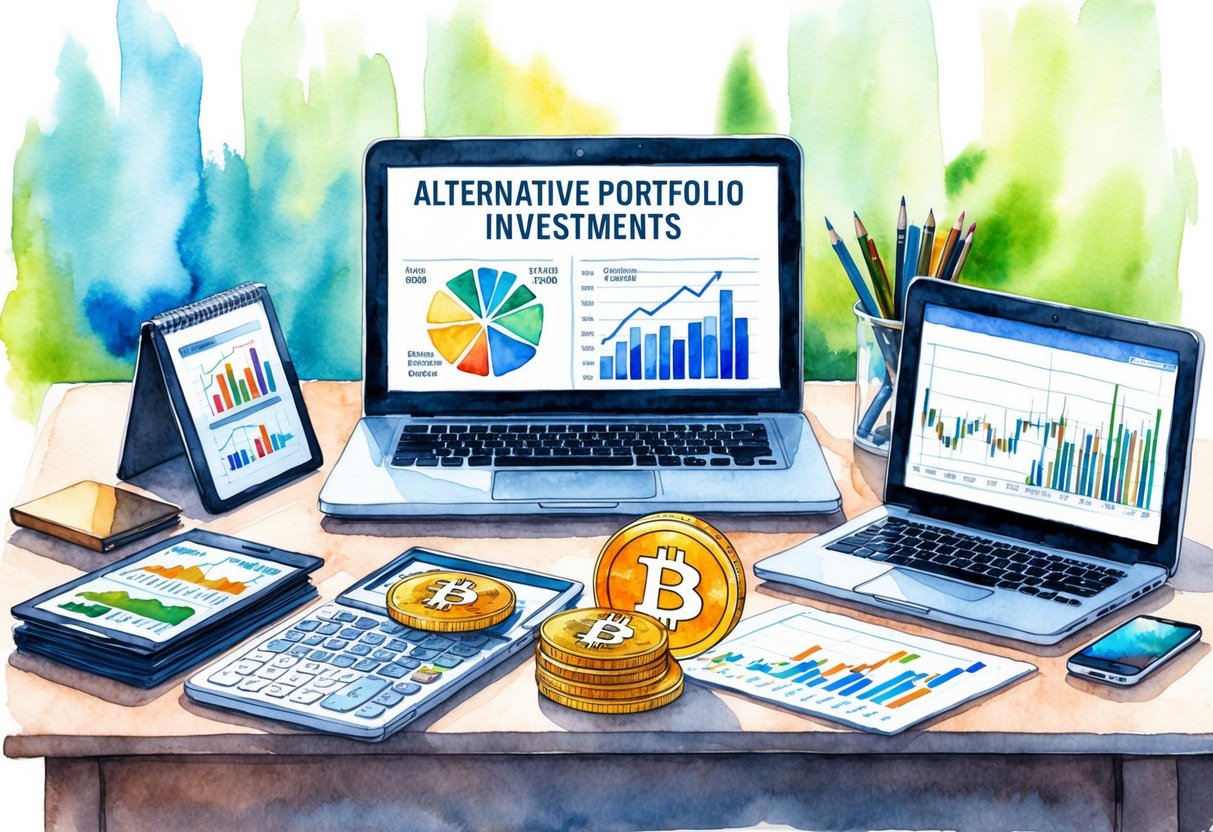 Want to retire 5 years earlier? It’s possible with the right investment approach. Let’s explore two key strategies that can help you reach your early retirement goals.
Diversification and Asset Allocation
Ever heard the saying “Don’t put all your eggs in one basket”? That’s what diversification is all about. I’ve learned that spreading investments across different asset classes can reduce risk and boost returns. Here’s a simple breakdown of asset allocation:
- Stocks: 50-60%
- Bonds: 30-40%
- Real Estate: 10-15%
- Cash: 5-10%
Remember, these percentages can change based on your age and risk tolerance. As you get closer to retirement, you might want to shift towards more conservative investments. I’ve found that investing in a mix of assets can help protect your portfolio from market ups and downs. It’s like having a safety net for your money.
Understanding the 4% Rule and Withdrawal Rates
Have you ever wondered how much you can safely withdraw from your retirement savings each year? That’s where the 4% rule comes in. The 4% rule suggests you can withdraw 4% of your portfolio in the first year of retirement, then adjust for inflation each year after. For example, if you have $1 million saved, you could withdraw $40,000 in year one. But here’s the catch: This rule assumes a 30-year retirement. If you’re planning to retire early, you might need to be more conservative. I recommend considering a 3-3.5% withdrawal rate for early retirement. Remember, withdrawal rates aren’t set in stone. You can adjust based on market conditions and your personal needs. The key is to stay flexible and keep an eye on your portfolio’s performance.
Alternative Investment Options
 Retiring early isn’t just a dream - it’s possible with the right strategies. I’ve explored several alternative investment options that can supercharge your retirement savings and potentially shave years off your working life.
Real Estate as a Retirement Investment
Real estate can be a powerful tool for building wealth and generating passive income. I’ve seen many investors use rental properties to create steady cash flow in retirement. Here’s why it works:
- Appreciation: Property values tend to increase over time.
- Rental income: Tenants essentially pay your mortgage.
- Tax benefits: Deductions for property expenses and depreciation.
But it’s not all smooth sailing. Being a landlord comes with responsibilities. You’ll need to handle maintenance, deal with tenants, and navigate local regulations. For a hands-off approach, consider real estate investment trusts (REITs). These allow you to invest in real estate without owning physical property.
Investing in Dividend-Paying Stocks
Why wait until you sell a stock to profit? Dividend-paying stocks can provide regular income while you hold them. It’s like getting paid to be a patient investor. Some benefits of dividend stocks:
- Steady income stream
- Potential for capital appreciation
- Often less volatile than growth stocks
Look for companies with a history of increasing dividends. This can help your income keep pace with inflation. Remember, dividends aren’t guaranteed. A company can cut or eliminate them if times get tough. That’s why it’s crucial to diversify your portfolio.
Exploring Certificates of Deposit and CD Ladders
Certificates of Deposit (CDs) offer a safe, predictable return. But with longer terms typically offering higher rates, how do you balance that with the need for liquidity? Enter the CD ladder. Here’s how it works:
- Divide your investment into equal portions.
- Buy CDs with staggered maturity dates.
- As each CD matures, reinvest in a new long-term CD.
This strategy gives you regular access to your money while still benefiting from higher long-term rates. It’s a great way to boost your returns on cash you don’t need right away.
High-Yield Savings Accounts for Liquidity
Don’t overlook the humble savings account. High-yield options can offer respectable returns with ultimate flexibility. You’ll have easy access to your cash for emergencies or opportunities. Key features to look for:
- No minimum balance requirements
- No monthly fees
- FDIC insurance
While the returns won’t match riskier investments, they can beat traditional savings accounts by a wide margin. It’s a smart place for your emergency fund or short-term savings goals.
Considering Part-Time Work for Additional Income
Who says retirement means stopping work entirely? A part-time job can provide more than just extra cash. It can offer social connections, mental stimulation, and a sense of purpose. Some ideas to consider:
- Consulting in your former field
- Teaching or tutoring
- Freelancing or gig work
The extra income can help you delay tapping into your retirement accounts, giving them more time to grow. Plus, it can ease the transition from full-time work to full retirement. Remember, the key is finding work you enjoy. It shouldn’t feel like a burden, but an enriching part of your retirement lifestyle.
Maximizing Retirement Savings
 Boosting your retirement savings is crucial for achieving financial freedom sooner. I’ll share some powerful strategies to supercharge your nest egg and potentially shave years off your working life.
Leveraging Tax-Advantaged Accounts
Are you making the most of tax-advantaged accounts? I can’t stress enough how important these vehicles are for turbocharging your retirement savings. A Roth IRA is a prime example. With a Roth, your money grows tax-free, and you won’t pay taxes on withdrawals in retirement. It’s like getting a bonus on every dollar you invest! For those still in the workforce, don’t overlook your employer’s 401(k) plan. Many companies offer matching contributions - that’s free money! I always recommend maxing out your 401(k) contributions to at least get the full employer match. It’s an instant return on your investment that you won’t find anywhere else.
Creating an Emergency Fund
You might wonder, “What does an emergency fund have to do with retiring early?” Everything! An emergency fund is your financial safety net. Without it, unexpected expenses could force you to dip into your retirement savings, derailing your early retirement plans. I suggest aiming for 3-6 months of living expenses in a high-yield savings account. This cushion will give you peace of mind and protect your long-term investments. Remember, the goal is to let your retirement savings grow undisturbed.
Investing in Mutual Funds and ETFs
Diversification is key to building a robust retirement portfolio. Mutual funds and ETFs offer an excellent way to spread your risk across multiple assets. These investment vehicles pool money from many investors to buy a diverse range of stocks, bonds, or other securities. I’m particularly fond of low-cost index funds that track broad market indices. They offer wide exposure to the market with minimal fees, which can eat into your returns over time. For those looking for a hands-off approach, target-date funds automatically adjust your asset allocation as you near retirement. Remember, consistent contributions to these investments can significantly boost your retirement savings over time. Even small increases in your monthly contributions can add up to substantial amounts in the long run.
Living Expenses and Inflation Considerations
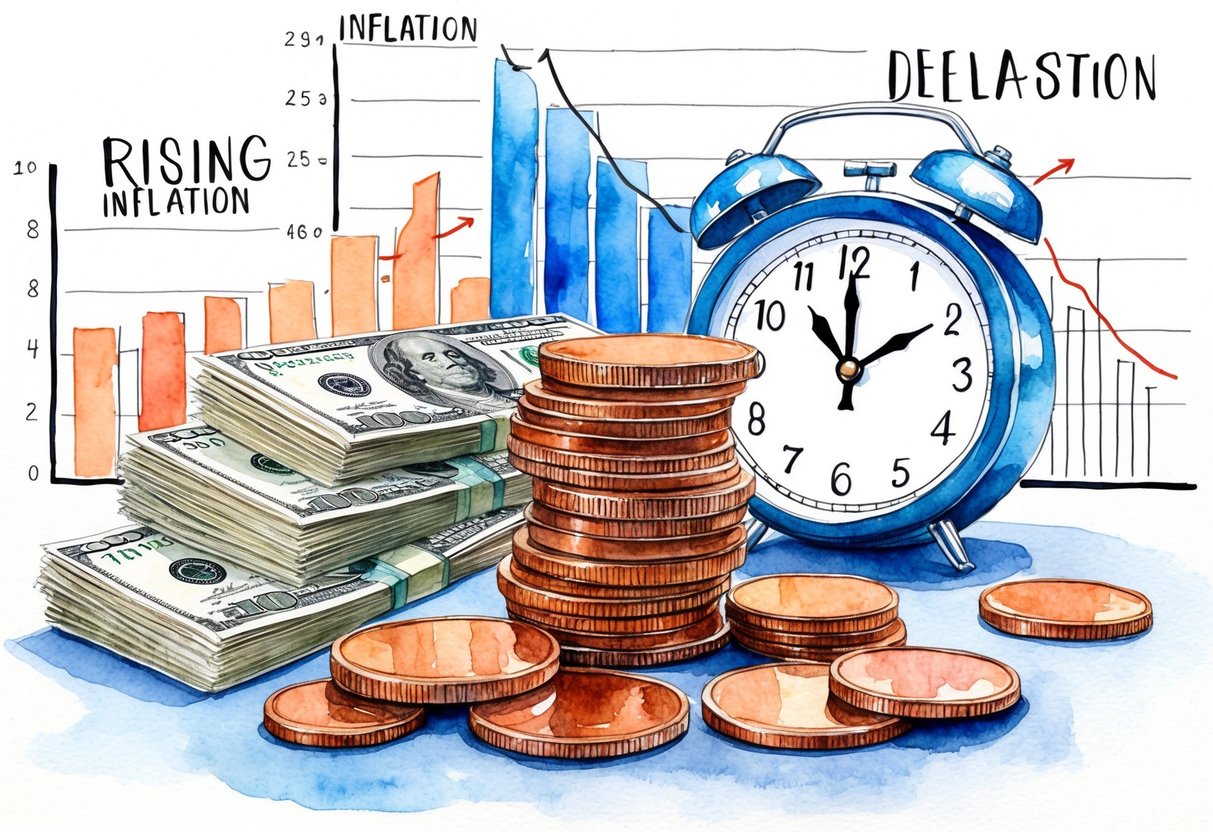 Planning for retirement means understanding your future costs and protecting your savings from inflation. Let’s explore how to calculate expenses and safeguard your nest egg.
Calculating Expected Living Expenses
Have you ever wondered how much money you’ll really need in retirement? It’s a crucial question. I’ve found that many people underestimate their living expenses. Start by tracking your current spending. Look at your bank statements and credit card bills. Don’t forget annual costs like property taxes and insurance. Next, think about how your lifestyle might change. Will you travel more? Downsize your home? Take up new hobbies? Remember, some expenses may decrease in retirement, like commuting costs. But others, like healthcare, often go up. I recommend creating a detailed budget for your first year of retirement. Then, add a buffer of 10-15% for unexpected costs. This approach has helped many of my clients feel more confident about their retirement income needs.
Protecting Against Inflation
Inflation is like a silent thief, slowly eroding the value of your money. How can you protect your retirement savings from this threat? One strategy is to invest in assets that tend to keep pace with inflation. Real estate, for example, often appreciates over time. Stocks have also historically outpaced inflation in the long run. Fixed interest investments like bonds can play a role too. Look for Treasury Inflation-Protected Securities (TIPS) which adjust with inflation. Consider allocating a portion of your portfolio to alternative investments like commodities or real estate investment trusts (REITs). These can provide diversification and potential inflation protection. Remember, the key is to stay flexible and review your strategy regularly. Inflation rates change, and so should your approach to protecting your wealth.
Understanding Government Support and Social Security
 Social Security can be a valuable piece of your retirement puzzle. But timing is key, and aligning benefits with your overall plans takes some strategy. Let’s explore how to make the most of this government support.
Timing Social Security Benefits for Optimal Returns
When should you claim Social Security? It’s a big decision. The average retirement benefit is smaller than many expect. But waiting can boost your payments. Here’s a quick breakdown:
- Age 62: Earliest you can claim, but reduced benefits
- Full Retirement Age (66-67): Get 100% of your benefit
- Age 70: Maximum benefit, up to 32% more
I’ve seen too many people rush to claim early. Don’t make that mistake. Each year you wait, your benefit grows by about 8%. That’s a guaranteed return you won’t find anywhere else.
Aligning Benefits with Retirement Plans
Social Security shouldn’t be your only income source. It’s meant to complement your savings. How can you make it work with your other retirement plans? First, consider your overall income needs. Will Social Security cover your basic expenses? If not, you might need to beef up your savings or explore alternative income streams. Next, think about taxes. Social Security benefits can be taxable if your total income is high enough. I always recommend planning your withdrawals from different accounts to minimize your tax hit. Lastly, don’t forget about spousal benefits. If you’re married, coordinating your claiming strategies can maximize your household’s total benefits. It’s worth running the numbers or consulting an expert to get this right.