
Are you ready to retire? Many people think they are, but their financial plans may tell a different story. I’ve seen countless folks rush into retirement without fully preparing, only to face unexpected challenges.  A solid retirement plan should cover more than just savings - it needs to account for lifestyle goals, healthcare costs, and potential risks. Not having enough savings to support your desired retirement lifestyle is a major red flag. Have you considered how inflation might affect your purchasing power over time? I believe that being aware of the signs your financial plan isn’t retirement-ready can save you from future headaches. Let’s explore five key indicators that might suggest you need to revisit your strategy before taking the plunge into retirement.
Key Takeaways
- A comprehensive retirement plan covers savings, lifestyle goals, and potential risks
- Regular evaluation of your financial situation is crucial for retirement readiness
- Professional advice can help optimize your retirement strategy and protect your wealth
Understanding Your Retirement Goals
Planning for retirement isn't just about saving money. It's about knowing what you want your golden years to look like. What kind of lifestyle do you envision? How much will it cost? Let's dive into defining your goals and figuring out what you really need.Defining Clear Financial Goals
What does retirement mean to you? Is it traveling the world, starting a new hobby, or simply spending more time with family? I’ve found that many people struggle to picture their ideal retirement. But it’s crucial. Without a clear vision, how can you know if you’re on track? Start by making a list of your retirement dreams. Be specific. Instead of “travel more,” write “take two international trips per year.” Then, put a price tag on each goal. This exercise helps you:
- Prioritize your goals
- Estimate your total retirement costs
- Adjust your savings plan if needed
Remember, your goals may change over time. That’s okay. The key is to start with a clear picture and refine it as you go.
Assessing Retirement Age and Income Needs
When do you want to retire? At 65? Earlier? Later? Your target retirement age plays a big role in your planning. The earlier you retire, the more savings you’ll need. But have you considered working part-time in retirement? It could help stretch your savings. Now, let’s talk income. Most experts suggest aiming for 80% of your pre-retirement income. But is that right for you? Consider these factors:
- Will your mortgage be paid off?
- Do you plan to downsize?
- What about healthcare costs?
Create a detailed budget of your expected retirement expenses. Don’t forget to factor in inflation. This will give you a clearer picture of your income needs. Remember, it’s better to overestimate than underestimate. No one wants to run out of money in retirement.
Evaluating Your Current Financial Situation
Taking a hard look at your money can be scary, but it's essential. Let's break down the key areas you need to examine to see if you're truly ready for retirement.Current Savings and Retirement Accounts
How much have you really saved? It’s time to face the numbers. Pull out those 401(k) statements and IRA balances. Are they where they need to be? I’ve seen too many people shocked by their actual savings. Don’t be one of them. Add up everything - your 401(k), IRAs, and other retirement accounts. Is it enough to support your lifestyle for 20-30 years? Remember, inflation will eat away at your purchasing power. A million dollars today won’t be worth the same in 2045. Consider this: Are you maxing out your contributions? If not, why? Every dollar counts when it comes to compound interest.
Debt Assessment: Mortgage and Student Loans
Debt can be an anchor holding you back from financial freedom. What’s your current debt situation? Start with your mortgage. How many years are left? What’s the interest rate? Could refinancing save you money? Don’t forget about those pesky student loans. Are you still paying them off? Or worse, did you take on new debt for your kids’ education? I always say, “Good debt builds wealth, bad debt drains it.” Which category do your debts fall into? Make a list:
- Mortgage balance and interest rate
- Student loan balances and rates
- Credit card debt (this should be zero!)
- Any other outstanding loans
Investment Portfolio Analysis
Your portfolio is your engine for growth. But is it tuned correctly for your retirement timeline? First, look at your asset allocation. Are you too heavily invested in one area? Diversification is key to managing risk. Next, examine your individual investments. What are the expense ratios? High fees can seriously erode your returns over time. Ask yourself:
- Do I understand all my investments?
- When was the last time I rebalanced my portfolio?
- Am I taking on too much risk? Or playing it too safe?
Remember, your investment strategy should shift as you get closer to retirement. Are you making those adjustments?
Income Streams and Retirement Budgeting
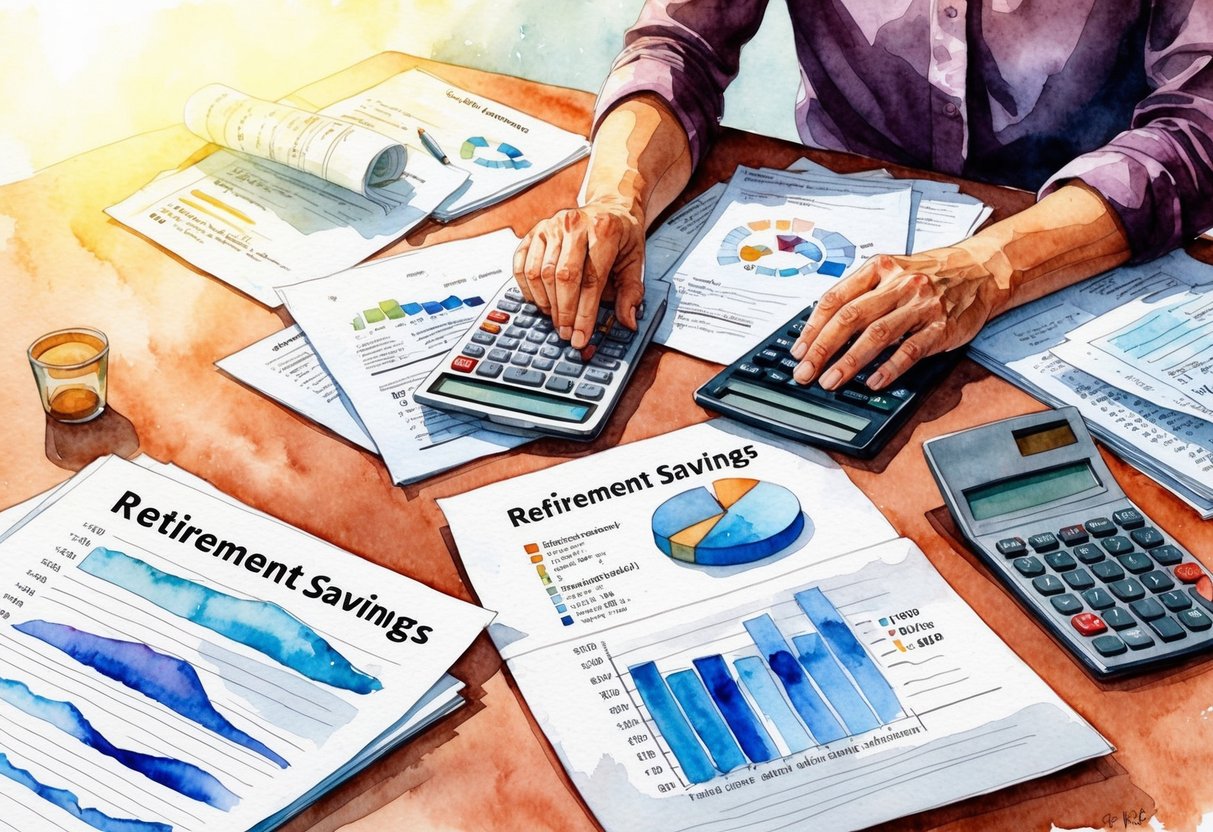 Planning for retirement income is crucial. It’s not just about saving money - it’s about creating a sustainable financial strategy that will support you for decades.
Social Security and Pensions Predictions
Have you considered how much you’ll really get from Social Security? Many people overestimate this amount. I’ve seen countless clients shocked when they realize their actual benefits. For 2024, the average Social Security benefit is about $1,825 per month. That’s not much to live on, is it? Pensions are becoming rare. If you’re lucky enough to have one, make sure you understand the terms. Will it adjust for inflation? What happens if the company goes bankrupt? I always advise my clients to get precise estimates for both Social Security and pensions. It’s better to know now than be surprised later.
Application of the 4% Rule
The 4% rule is a popular guideline for retirement withdrawals. But is it right for you? Here’s how it works: You withdraw 4% of your savings in the first year of retirement. Then you adjust that amount for inflation each year after. For example, if you have $1 million saved:
- Year 1: Withdraw $40,000
- Year 2: Withdraw $40,000 plus inflation
This rule aims to make your money last 30 years. But it’s not foolproof. Market downturns or high inflation can throw it off. I often recommend a more flexible approach. Can you cut back in bad years? Can you earn some extra income? Flexibility is key to making your money last.
Creating a Sustainable Retirement Budget
A solid retirement budget is your roadmap to financial security. But how do you create one that actually works? Start by listing all your expected income sources. This might include:
- Social Security
- Pensions
- Investment withdrawals
- Part-time work
Next, estimate your expenses. Be realistic. Many people underestimate healthcare costs or forget about taxes. I like to use a “needs vs. wants” approach:
- Cover essential needs first (food, housing, healthcare)
- Then allocate money for wants (travel, hobbies)
- Keep some buffer for unexpected expenses
Remember, your budget isn’t set in stone. Review it regularly and adjust as needed. Life changes, and so should your budget.
Preparing for Inflation and Healthcare Costs
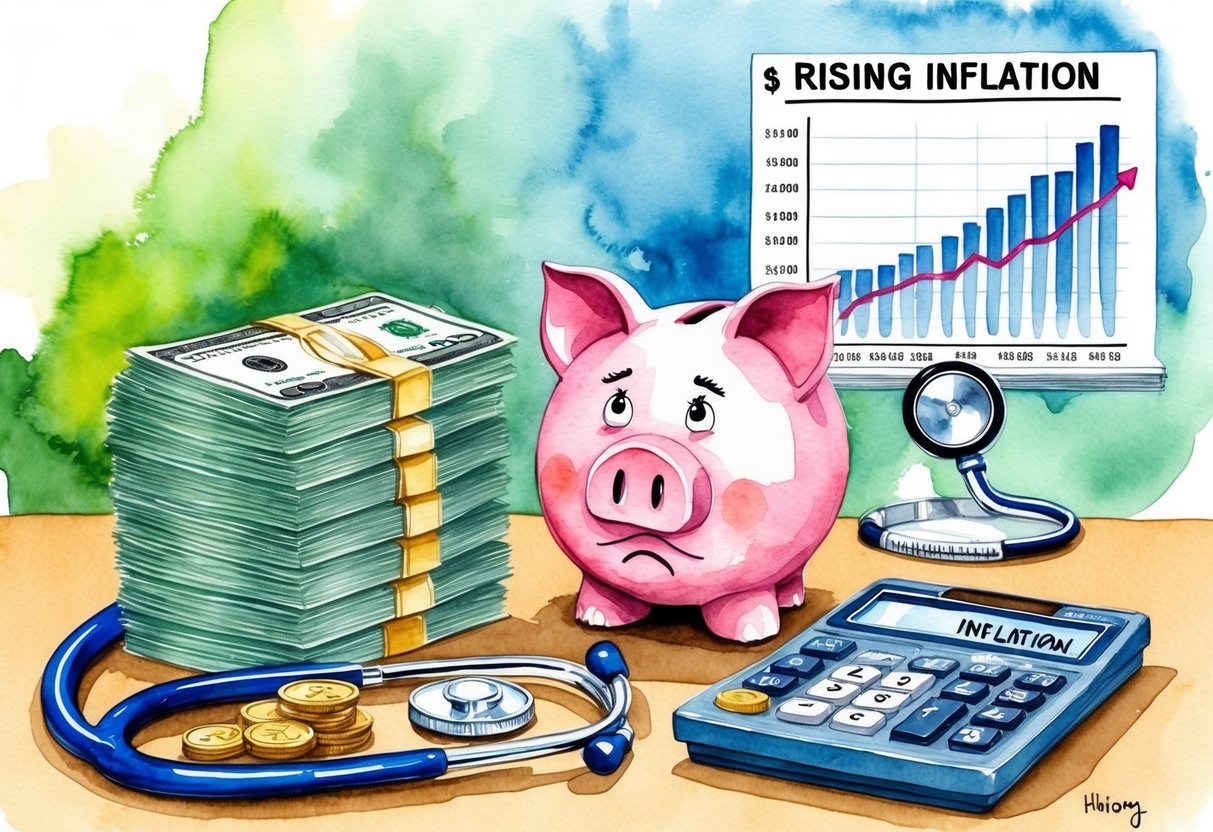 Inflation and healthcare costs can eat away at your retirement savings if you’re not careful. I’ve seen too many people underestimate these expenses and end up struggling. Let’s look at how to protect yourself.
Anticipating Inflation Impact
Have you ever noticed how a dollar buys less each year? That’s inflation at work. In retirement, it can seriously erode your purchasing power. To combat this, I recommend diversifying your investments. Consider assets that tend to keep pace with inflation, like real estate or Treasury Inflation-Protected Securities (TIPS). Don’t rely solely on fixed-income investments. They might seem safe, but they often can’t outpace inflation. Instead, maintain a mix of stocks and bonds appropriate for your age and risk tolerance. I also suggest planning for higher expenses each year in retirement. A good rule of thumb? Assume your costs will increase by 2-3% annually.
Estimating Healthcare Expenses
Healthcare costs in retirement often shock people. Did you know that an average couple might need $315,000 for healthcare in retirement? That’s a hefty sum! To prepare, start by estimating your potential costs. Consider your family health history and current health status. Be realistic - don’t assume you’ll be healthier in retirement than you are now. Look into health savings accounts (HSAs) if you’re eligible. They offer triple tax benefits and can be a great way to save for future medical expenses.
Health Insurance and Long-Term Care Planning
Medicare is crucial, but it doesn’t cover everything. Have you thought about supplemental insurance? Medigap policies can help cover copayments, coinsurance, and deductibles. Don’t forget about prescription drug coverage. Medicare Part D can help, but you’ll need to choose a plan that covers your specific medications. Long-term care is another big consideration. It’s expensive and not covered by Medicare. I suggest looking into long-term care insurance in your 50s or early 60s. The earlier you buy, the lower your premiums typically are. Remember, healthcare costs tend to rise faster than general inflation. Plan for an annual increase of about 5% in your healthcare budget. It might seem high, but it’s better to be prepared than caught off guard.
Mitigating Risks and Protecting Your Wealth
 Protecting your wealth is crucial for a secure retirement. Let’s explore some key strategies to safeguard your financial future and minimize potential risks.
Building an Emergency Fund
I can’t stress enough how important an emergency fund is. It’s your financial safety net. Aim to save 3-6 months of living expenses in a separate, easily accessible account. This fund will help you avoid dipping into your retirement savings when unexpected costs arise. How much should you save? It depends on your situation. Are you the sole breadwinner? Do you have a stable job? These factors matter. Start small if needed - even $50 a month adds up. Where should you keep this money? Look for high-yield savings accounts or money market funds. They offer better returns than traditional savings accounts while keeping your money safe and accessible. Remember, an emergency fund isn’t just about money - it’s about peace of mind. Can you sleep easy knowing you’re prepared for life’s curveballs?
Diversification and Risk Management
Ever heard the saying “Don’t put all your eggs in one basket”? That’s diversification in a nutshell. It’s a key strategy to manage risk in your retirement portfolio. What does a diversified portfolio look like? It might include:
- Stocks (both domestic and international)
- Bonds
- Real estate investments
- Cash or cash equivalents
The exact mix depends on your age, risk tolerance, and financial goals. As you near retirement, you might want to shift towards more conservative investments. Don’t forget to consider expense ratios when choosing investments. These fees can eat into your returns over time. Low-cost index funds often offer good diversification with minimal fees. How often should you rebalance your portfolio? At least once a year, or when your asset allocation shifts significantly from your target.
Regular Review and Adjustment of Your Financial Plan
Your financial plan isn’t a set-it-and-forget-it document. It needs regular check-ups, just like your health. Set aside time each year to review your plan. Are you on track to meet your goals? Have your circumstances changed? Maybe you’ve received a promotion or welcomed a new family member. What should you look at during this review?
- Income and expenses
- Retirement account contributions
- Investment performance
- Insurance coverage
- Estate planning documents
Don’t be afraid to adjust your plan as needed. Life changes, and your financial strategy should too. Have you considered working with a financial advisor? They can offer valuable insights and help you stay on track. But remember, the final decisions are always yours to make.
Utilizing Financial Tools and Professional Advice
 Planning for retirement can be complex, but the right tools and guidance make a big difference. Let’s look at how retirement calculators and professional advice can help you prepare.
Advantages of Using a Retirement Calculator
Retirement calculators are powerful tools that can transform your financial planning. I’ve found they offer a clear picture of where you stand and where you’re headed. These calculators ask for key info like your age, income, and savings. They then crunch the numbers to show if you’re on track. The best part? You can play with different scenarios. What if you saved an extra $100 a month? What if you retired at 62 instead of 65? But here’s a pro tip: Don’t just trust any calculator you find online. Look for ones from reputable financial institutions. They often use more accurate data and give better results. Remember, the rate of return you input is crucial. Be realistic. A too-high rate can give you false confidence.
Seeking Professional Financial Guidance
Have you ever wondered if you’re missing something in your retirement plan? That’s where a pro comes in handy. A good financial advisor does more than just crunch numbers. They look at your whole financial picture. Are you saving enough for retirement? What about taxes? Insurance? But how do you pick the right advisor? Look for someone who:
- Has relevant certifications
- Explains things clearly
- Puts your interests first
Don’t be shy about asking tough questions. How do they get paid? What’s their investment philosophy? A skilled advisor can spot gaps in your plan you might miss. They can also help you stay on track when markets get rocky. Think of them as a financial coach, pushing you to reach your goals.