
Have you ever pondered the kind of long-term care you might need someday? It’s a crucial question, and finding the right insurance policy is a key part of the answer. With so many options out there, each promising to meet your future needs, the task can seem daunting. How do you sift through the hype to find the coverage that genuinely suits you?  The real secret lies in knowing what factors to compare. When it comes to long-term care insurance, making informed decisions can have a significant impact on your financial future. You want a plan that not only covers the essentials but also aligns with your personal and financial goals. I aim to shed light on these vital considerations, helping to guide you toward a choice that brings peace of mind.
1) Coverage Levels
 When looking at long-term care policies, coverage levels are key. What amount of care do you need? Some policies offer comprehensive coverage for various services like home care, assisted living, and nursing facilities. It’s essential to understand what each policy covers. Consider the daily or monthly benefit amounts. These figures determine how much the policy will pay for your care each day or month. Are the amounts adjustable to match the rising costs of care? Predicting future expenses is tricky, but thinking ahead is crucial. Take note of the benefit period. This is the timeframe the policy covers you for. Some plans offer coverage for a few years, while others might cover a lifetime. Weighing these options helps you find what’s best for your needs. Don’t forget about inflation protection. This feature can help your benefits keep pace with rising costs over time. It might cost more initially, but it’s worth considering if you’re worried about future expenses. Lastly, check for exclusions and limitations. Are there specific services or conditions not covered? Knowing these details helps prevent surprises when you need care most. Choosing coverage levels that align with your needs and financial goals is vital.
2) Premium Costs
 When considering long-term care insurance, premium costs are a key factor. I often ask myself, how much am I willing to spend on protecting my future? Premiums generally vary based on age, health, and coverage amount. Let me share that premium costs can range widely. For example, the average cost for a 60-year-old man is about $1,200 per year. Now, you might wonder why age plays a big role. As you get older, the premiums increase due to higher risk factors, which insurers take into account. Health status also impacts premium prices. If you’re in good health, your premiums could be lower compared to someone with health issues. This is why I believe maintaining a healthy lifestyle isn’t just about living well today, but also about future financial savings. What about the actual coverage amount? Simply put, the more coverage you want, the more you’ll pay. It’s essential to balance the cost with what coverage you truly need. Premiums can also be affected by options like the elimination period and benefit period. The elimination period, or waiting time before benefits begin, can impact the premium. A longer elimination period may reduce costs, but it means out-of-pocket expenses for a longer time if care is needed. Finally, I always consider the benefit period, which determines how long the policy pays benefits. Shorter benefit periods typically result in lower premiums, but might leave gaps if care is needed for longer periods. Navigating these variables requires a strategic mindset. I believe the right balance can protect both your future healthcare needs and your financial stability.
3) Benefit Triggers
 When it comes to long-term care insurance, benefit triggers are crucial. These are the conditions that must be met to start receiving benefits. Did you know that most policies focus on Activities of Daily Living (ADLs)? Things like bathing, dressing, and eating play a key role. In most cases, a policy requires you to be unable to perform at least two out of the six standard ADLs. This requirement determines when financial support kicks in. How many of us have really thought about what happens when we can’t do these everyday tasks? Some policies have cognitive impairment as a trigger too. Alzheimer’s or dementia can be covered under this. It’s important to look closely at these criteria. They’re the gateway to making sure you or your loved ones get the help needed. Tax-Qualified policies are particularly noteworthy. They must use the inability to perform two of the six ADLs as a benefit trigger to get tax advantages. This can be a big factor in your decision-making process. Wouldn’t you want a policy that not only helps you physically but is tax-savvy too? Remember, each policy can be different. It’s essential to compare the specifics of benefit triggers before making a choice. This ensures you’re not caught off guard when the time comes to make a claim. Think of it as setting a safety net for your future. Who wouldn’t want that peace of mind?
4) Inflation Protection
 Do you ever wonder what the future holds for your savings? Inflation protection in long-term care insurance ensures your policy’s benefit keeps pace with rising costs. Over time, inflation can erode purchasing power. That’s why having inflation protection in your policy is crucial. There are various types of inflation protection options. Simple inflation adds a fixed increase to your daily benefit each year. Compound inflation, on the other hand, increases the benefit by a fixed percentage of the increased amount each year. For many, compound inflation offers better coverage over time. Choosing between these options can feel overwhelming. If you’re younger, compound inflation might be the way to go. A 55-year-old applicant with a $200/day benefit can see it rise significantly by age 80 with 3% or 4% compound growth. Yet, inflation protection isn’t one-size-fits-all. It’s important to weigh your personal financial goals and the rise in care costs. Some policies even offer riders like automatic benefit increases as part of their inflation protection. Can you see the value in preserving your purchasing power? Securing a policy with the right inflation protection provides peace of mind for the future. Make sure to consider your age, health, and financial situation to pick the best option for you. Inflation protection can make the difference in ensuring that your long-term care needs are met.
5) Waiting Periods
 Have you ever wondered if you’re prepared for unexpected long-term care costs? One crucial element to consider is the waiting period in your policy. The waiting period, also called the elimination period, is the time you must wait after a qualifying event before the benefits begin. This period can vary, ranging from 30 to 180 days, or even longer. Why is this significant? The length of the waiting period can affect your out-of-pocket costs during those initial days of care. Some people choose a longer waiting period to lower their premiums. Are you willing to take that risk? Balancing your monthly budget against potential future needs is key. I know many of us are cautious with our spending and saving, and it’s vital to consider how much you can afford upfront during this period. When selecting a policy, think about your existing emergency fund. Will it cover the costs during the waiting period comfortably? Understanding your financial cushion can guide you in choosing the right timeframe. It’s also worth noting that different policies have varying terms. Some may offer flexibilities like waived waiting periods if you are receiving home care. Investigating these options could save you money and hassle. Ultimately, evaluating waiting periods involves weighing upfront costs against long-term savings. It’s all about making informed decisions to ensure you and your loved ones are protected.
6) Provider Network
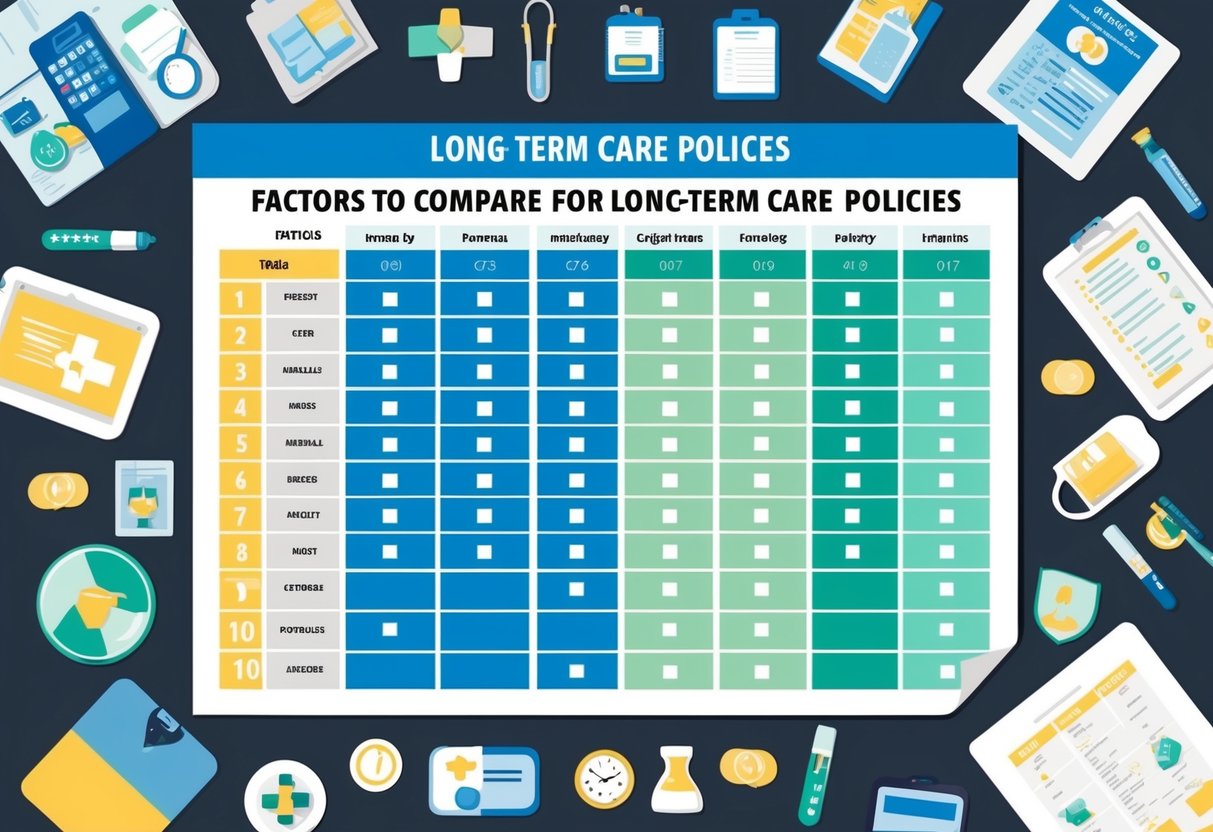 When choosing a long-term care insurance policy, have you thought about the provider network? This can be a crucial factor. A strong network can make a huge difference in your experience. It determines the accessibility and quality of care you can receive. Not all insurance companies have the same provider networks. Some might offer a wide range of options, allowing you to choose from many facilities and caregivers. Others might be more limited. It’s essential to see which providers are available in your area. I always recommend checking if your preferred doctors and healthcare facilities are included. This can save a lot of hassle later on. You don’t want to switch providers just because your policy doesn’t cover them. It’s about ensuring continuity of care. Another point to consider is whether the network includes specialists you might need in the future. As we age, our health needs can change. A network that can adapt to those changes is valuable. Evaluate the flexibility of the provider network now to avoid issues later. Does this network offer services at home or only in care facilities? Some people prefer receiving care at home for as long as possible. That flexibility can be a big advantage. Look into what services are covered under home care options within the network. Provider networks can affect waiting periods for services. If a network is too small or oversaturated, you might find yourself waiting for care. This delay can be frustrating. Make sure the network can handle demand efficiently. The right provider network ensures that you have access to the care you need, when you need it. Think about what’s important to you and verify that these needs are met by the network your policy offers.
7) Customer Reviews
 When I look into long-term care insurance, customer reviews play an important role. They are like little windows into the experience of policyholders. Have you ever wondered what happens after you sign the dotted line? Reviews give you hints. I often ask myself about the true quality of a company’s service. Customer reviews can reveal stories about claims processing speed or how supportive the customer service team is. These insights help me gauge whether a company will be there when I need them most. Sometimes, I find reviews highlighting unexpected issues. Maybe someone mentions difficulty updating their policy or unclear communication on coverage details. These personal anecdotes can inform my decision-making process by identifying potential red flags. Is a policy as good as it seems on paper? Checking out customer opinions can confirm or challenge my expectations. Positive feedback may reassure me that I’m making a sound choice, while negative reviews might push me to explore other options. I don’t rely solely on a few opinions. Instead, I consider patterns across multiple reviews. Are many customers complaining about the same problem? Consistent feedback often reflects a company’s true performance. Reviews also help me understand what people appreciate about the policies. Do they value certain features or benefits? Knowing what others find beneficial can influence what I seek in a policy.
8) Policy Renewability
 When it comes to long-term care insurance, not all policies are created equal. One critical aspect to look at is policy renewability. This determines how long your coverage will last and under what conditions it can be continued. Why is this important? You want assurance that your plan won’t suddenly terminate when you need it the most. I always tell people to pay attention to whether a policy is guaranteed renewable. A policy with guaranteed renewability means the insurance company can’t cancel your policy if you’re still paying your premiums. Think about the peace of mind this offers. It’s crucial for protecting your future and long-term financial planning. Some policies might have clauses that allow companies to raise premiums. While policies are generally renewable, this doesn’t always lock in your premium rates. I encourage you to read the fine print to understand how often rates can change and by how much. Imagine reaching a point in your life when your policy needs are highest, only to face skyrocketing costs. Keep an eye out for guaranteed renewability combined with stable premiums. This combination offers a stronger safety net. Navigating the terms and conditions of renewability can feel daunting, but let’s make it simple. Look for clarity and transparency. If any aspect isn’t clear, ask questions. An informed decision is your best ally in ensuring long-term value.
9) Care Options Available
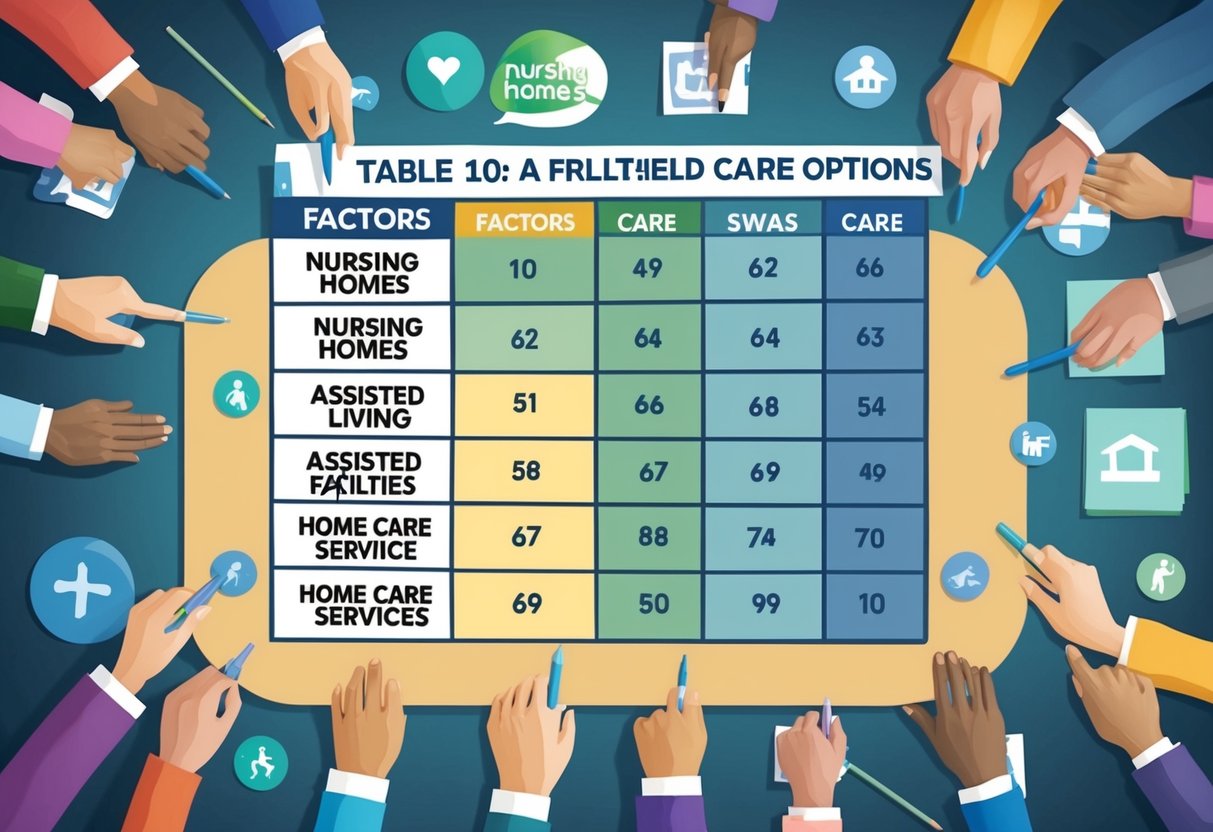 When considering long-term care policies, the variety of care options is crucial. What types of care does the policy cover? This can range widely, affecting not just costs, but the quality of life you can expect. In-home care is popular. It lets you stay comfortable in familiar surroundings with services like cleaning, cooking, or basic medical help. Many people find this option attractive, but does your policy cover these services fully? Assisted living facilities offer another choice. These facilities provide a community setting with more comprehensive help with daily tasks. Some policies may offer partial coverage, so it’s important to check if your chosen plan fits this option. Nursing homes provide the most intensive care with medical supervision available 24/7. They are suitable for those with significant health needs. This can be pricey, so knowing which policies cover nursing homes can save you from financial surprises. Keep an eye on adult day care services too. These programs take place at facilities during the daytime, offering social activities and healthcare, allowing you to remain at home in the evenings. It combines home with community support. Have you thought about respite care? This offers short-term relief for primary caregivers. Policies that cover this option can help ease the burden on family members or friends who might be your main caregivers. Memory care units are specialized facilities focusing on individuals with dementia or Alzheimer’s. If this kind of specialized support might be needed, ensure it’s included in your policy.
10) Financial Ratings
 When you’re looking at long-term care insurance, one key factor to examine is the financial strength of the company. Why? Because the promises made in an insurance policy are only as good as the company’s ability to deliver on them. Companies with strong financial ratings are usually more dependable. Agencies like A.M. Best, Standard & Poor’s, and Moody’s evaluate insurance companies’ financial health. They provide ratings that indicate the ability of these companies to meet their long-term obligations. A strong rating, like an A or better, usually suggests a stable financial standing. Do ratings really matter? Absolutely. They can give peace of mind that the insurer will be around to pay claims many years down the road. Imagine paying premiums for decades only to find out the company can’t honor its commitments. It’s crucial to check these ratings before you decide. Look for companies that consistently receive high marks, as this can be a sign of careful management and a solid track record. It’s a bit like checking the engine before you buy a used car. You want to make sure everything is running smoothly. Plus, financial ratings can also impact your costs. Sometimes, companies with better ratings might offer better premiums because their risk is lower. As always, doing a little homework now can save headaches later. Make sure the company you choose can stand the test of time.
Understanding Long-Term Care Policies
 Choosing the right long-term care policy isn’t about picking the first one that sounds decent. It’s about evaluating the crucial elements that meet your needs. Are you ready to be informed about what to look for when comparing policies?
Key Components of Policies
In a long-term care policy, there are several essential components you need to know. Coverage Options are vital. These policies often help pay for services that assist with daily activities such as bathing, dressing, and eating. Do you have a preference for at-home care, or are you considering nursing facilities? Another component to understand is the Benefit Period. Most insurers provide coverage for a specific time, ranging from a few years to unlimited coverage. Think about how long you might need this assistance. The Elimination Period—the waiting time before you receive benefits after a claim is approved—can also impact your choice. Shorter waiting periods might mean higher premiums but faster access to care.
Different Types of Long-Term Care
Long-term care policies are not one-size-fits-all. Traditional Policies typically provide predefined benefits, costing more as you age. If budget is a concern, an alternative option is hybrid policies that combine life insurance with long-term care benefits. These policies can offer value by covering multiple needs with a single plan. Customized Plans allow you to select specific coverage options tailored to your lifestyle and future plans. Is a one-size solution sufficient for your unique situation, or should you explore tailored alternatives? Enhancing coverage with Riders, such as inflation protection, is another aspect worth considering to future-proof your investment.
Evaluating Coverage Options
 When choosing long-term care insurance, understanding the details of your coverage can make all the difference. This involves comparing options like home care versus facility care and considering how long the benefits will last.
Home Care vs. Facility Care
Does receiving care at home sound more appealing than moving into a facility? Many people prefer staying in familiar surroundings. Home care services include support from nurse visits, physical therapy, and help with daily activities. It’s important to check if the policy covers these services and to what extent. Conversely, some might consider facility care if they need specialized medical attention. This includes care in nursing homes or assisted living facilities. Costs can vary greatly, so assessing what each policy covers in terms of room, board, and medical services is key. Think about what’s most important for you or your loved ones. Will the policy provide enough flexibility if needs change over time? A comprehensive policy may include both types of care, allowing for a seamless transition if necessary.
Duration of Benefits
Have you thought about how long you’ll need coverage? Some insurance plans offer policies with a set payout period, such as two, four, or even more years. Policies with longer duration tend to have higher premiums, but they might save you money in the long run if extended care is necessary. It’s crucial to weigh the cost against potential needs. An unlimited benefit period offers maximum security but comes with a steep price tag. On the other hand, a shorter duration may seem appealing cost-wise, but risks falling short if care is needed longer than expected. Choose a duration that balances your financial situation with the likely duration of care, considering family medical history and personal health forecasts. The right decision here can impact both peace of mind and financial security.