
Have you ever wondered why the traditional savings benchmarks your parents swore by seem irrelevant today? I’ve explored the current financial landscape and discovered that these age-old guidelines no longer hold the same weight. The truth is, with changing interest rates and economic shifts, traditional savings benchmarks fail to address the real needs and challenges most people face today.  Times have changed, and so have the options for where and how to save. Many big banks have reduced their focus on standard savings accounts, leaving savvy savers to question the viability of sticking to old models. For instance, some major banks don’t prioritize offering attractive rates on regular savings accounts, as you can learn more about through big banks’ current strategies. So, what’s the alternative? How can you ensure your hard-earned money works as hard as you do? The world of savings is more complex, yet full of opportunities to explore. As I dig deeper into consumer savings behaviors and compare different types of accounts, you’ll see why reassessing your savings strategy is not just wise but necessary. Let’s uncover where traditional advice falls short and how new strategies might better serve your financial goals.
Key Takeaways
- Traditional savings benchmarks are outdated.
- Banking options and interest rates are evolving.
- Rethinking savings strategies is essential for today’s economy.
The Shift in the Savings Landscape
 As we navigate today’s financial world, it becomes clear that the terrain of savings is evolving. From fluctuating interest rates to the changing role of traditional banks, many factors are at play.
The Role of Interest Rates
Why do interest rates matter so much to our savings? Over the years, interest rates set by the Federal Reserve have had a significant impact on our savings accounts. A primary tool for controlling the economy, these rates affect how much banks can offer on deposits. Yet, despite rising rates, many big banks haven’t passed these increases onto savings accounts. Consider the role of online banks versus traditional brick-and-mortar banks. While the latter often stick to low rates due to higher operating costs, online banks operate with less overhead, enabling them to offer better returns. This shift raises questions for savers like us: where should we park our money to maximize returns?
Changing Nature of Banks and Banking
Have you noticed how our banking experience has transformed? Big banks, like Silicon Valley Bank, have expanded beyond simple deposit holding. They now offer an array of financial products and services, which often sideline traditional savings accounts. Programs discussed by economists on platforms like Planet Money highlight how these institutions prioritize more profitable ventures over maintaining high interest on savings. Meanwhile, online banks are using technology to reshape the financial landscape. They provide customer-friendly interfaces and higher interest rates to draw us in. With fewer physical locations, these banks reduce costs and share the savings with their customers. For us, the choice between convenience and better returns becomes a crucial decision point in managing our resources effectively.
Reassessing Savings Strategies
 Rethinking savings approaches is crucial in today’s fast-paced world. As traditional savings methods become less effective, it’s vital to explore options like high-yield accounts, money market funds, and certificates of deposit. Additionally, understanding how inflation affects savings can help in making more informed financial decisions.
From Traditional to High-Yield Savings Accounts
Traditional savings accounts can feel like a safe harbor, but are they enough? While they offer security, their interest rates are often low. High-yield savings accounts can offer a better annual percentage yield, making them an attractive alternative. In a world where every cent counts, wouldn’t you want your money to work harder for you? These accounts typically offer higher rates because they are usually available through online banks, which have lower overhead costs. It’s essential to consider how accessible your funds need to be, as some high-yield accounts might have restrictions. The key is to find a balance between security and growth potential that fits your financial goals.
Exploring Money Market Funds and Certificates of Deposit
Have you ever wondered if there are smarter ways to save? Money market funds and certificates of deposit (CDs) can be valuable tools. Money market accounts usually offer better interest than regular savings accounts and provide check-writing features, though they often require higher balances. Certificates of deposit, on the other hand, lock in your money for a set period with a fixed interest rate. Is it worth losing immediate access for a higher return? Consider the term length and penalties for early withdrawal when assessing CDs. Both options can enhance your savings strategy by offering growth while maintaining a level of risk that aligns with your comfort.
Examining Impact of Inflation on Savings
Inflation can silently erode your savings. Have you thought about how rising prices impact your purchasing power? When inflation outpaces the interest you earn, your savings effectively lose value over time. High-yield accounts and investments like money market funds can help counteract this. The annual percentage yield on your savings should ideally outpace inflation to maintain or grow your real wealth. Savvy savers keep an informed eye on inflation trends and adjust their strategies accordingly. A proactive approach ensures that your hard-earned savings hold their value in the ever-changing economic landscape.
Understanding Savings Account Features
 Navigating through the features of savings accounts is not just about storing money. It’s about making your money work harder for you. That’s why I focus on essential elements like interest rates, the convenience of mobile technology, and incentives like bonuses.
Interest-Bearing Deposits and APY
When I think of a savings account, the first thing that comes to mind is the potential to earn interest. The annual percentage yield (APY) is a key figure here. It shows how much your money could grow in a year. Traditional accounts often offer lower rates, but some high-yield savings accounts can provide APYs over 5%. Isn’t it time to consider where your savings can achieve the best growth? Knowing the difference between interest-bearing deposits and regular savings is crucial. It helps decide where to park your hard-earned money. Are you making the most out of your savings by selecting accounts that offer competitive APYs?
The Emergence of Fintech and Mobile Banking Apps
With the rise of fintech and mobile apps, banking is more accessible than ever. I embrace this digital age because it puts control at my fingertips. Mobile banking apps make it possible to manage accounts, set savings goals, and monitor transactions quickly. Apps can also offer alerts for reaching certain financial targets or even spending too much in specific categories. It’s like having a financial advisor in your pocket. Doesn’t this technology make managing money less daunting and more aligned with today’s fast-paced life?
Benefits of Direct Deposit and Cash Bonuses
Direct deposit isn’t just a convenient way to get paid. It can also unlock extra benefits. Many banks offer cash bonuses for setting up direct deposit, which means free money for a simple action I already plan to do. The benefits go beyond just bonuses; direct deposits can lead to waivers for monthly fees. With direct deposit, I save time and earn rewards while keeping my savings strategy on track. How often do these small steps result in so many perks? It’s an easy way to enhance the efficiency of my financial planning.
Consumer Savings Behaviors and Trends
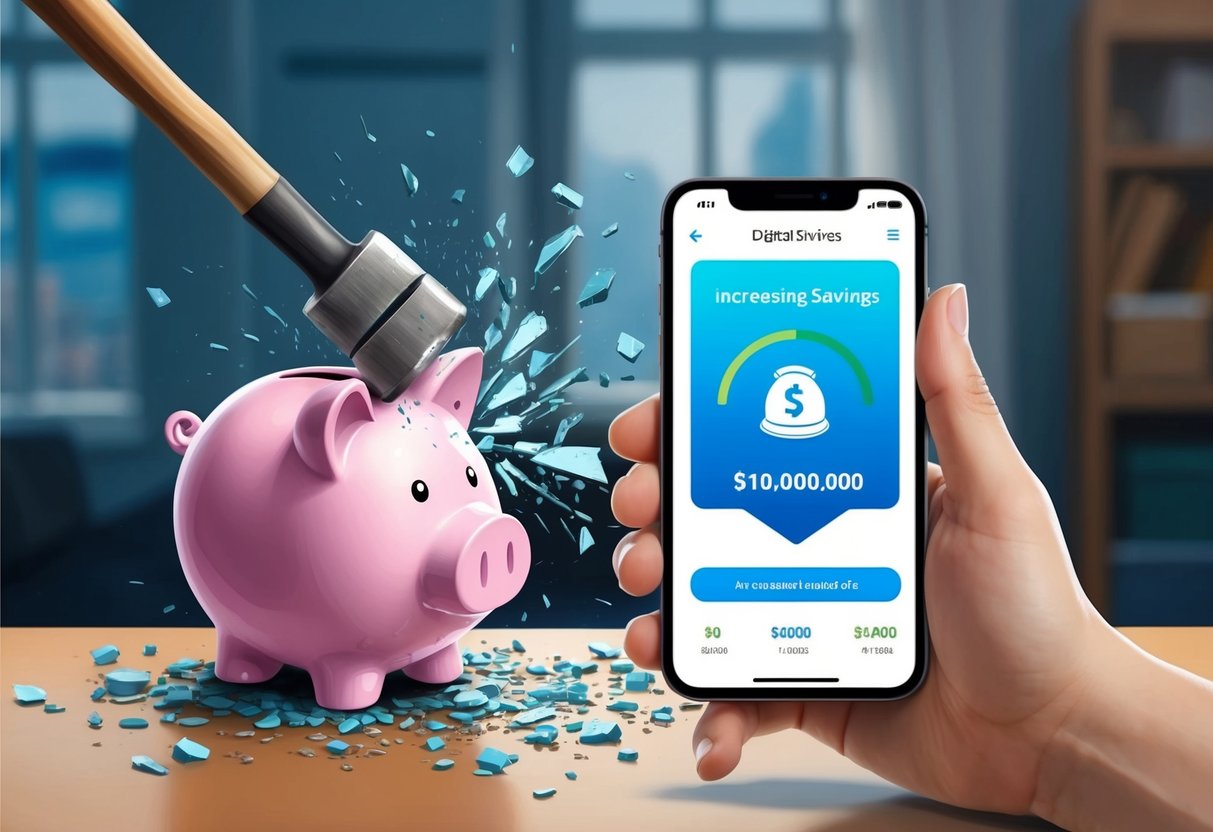 Consumer savings habits are constantly evolving. We’re seeing shifts in how people manage their money, particularly with increased awareness of saving for emergencies and a growing skepticism towards traditional savings methods. These trends show how society’s view on saving is shifting.
Analyzing ‘Sleepy Money’ in Savings Accounts
Have you ever wondered why some money just sits there, unnoticed, in savings accounts? That’s what I call “sleepy money.” It earns minimal interest, often less than inflation rates. Traditional savings accounts, which have grown more popular in recent years, often pay very little interest, sometimes as low as 0.01 percent, creating a scenario where money effectively loses value over time. Many people I speak with have this sleepy money because they’ve followed outdated advice. For those with busy lives, finding time to reassess financial strategies can be a challenge. Though keeping money in savings accounts is considered safe, it might not be the smartest strategy anymore. Wouldn’t it be better to put that money to work instead of letting it snooze away?
The Rise of Emergency Savings Funds
In today’s uncertain world, emergency savings funds have become a priority. These funds are safety nets for unforeseen circumstances like medical emergencies or job loss. Have you started on yours yet? Unlike sleepy money, these funds are meant to be awake and ready. Social media platforms like TikTok now have creators emphasizing the importance of emergency savings, making it a trending topic. I’ve noticed more people setting up separate accounts specifically for emergencies. This shift represents a growing awareness about financial security and preparedness among consumers today. Isn’t it better to have peace of mind knowing you’re financially protected?
Cultural and Generational Attitudes Towards Saving
How we view money is heavily influenced by our backgrounds and the times we live in. Different generations approach saving in unique ways. Older generations have been more focused on traditional savings, reflective of their trust in stable, low-risk options. Meanwhile, younger people often look to various digital platforms, like newsletters, for advice. Cultural factors also play a role. Some cultures prioritize saving more than others, impacting household savings behaviors. As I’ve observed, this diversity in attitudes is critical when considering why savings behaviors differ widely. Isn’t it fascinating how our upbringing and environment shape our financial strategies?
Comparing Savings Vehicles
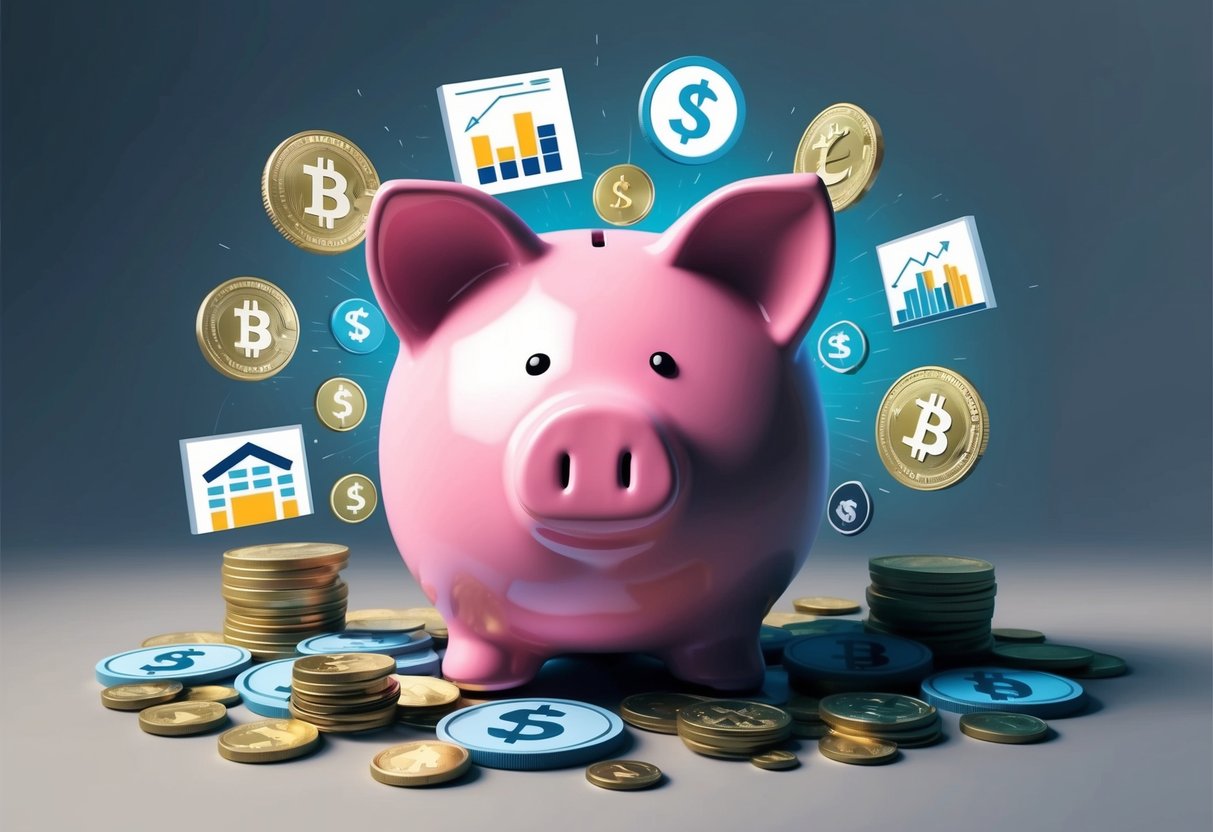 Every savings vehicle has its pros and cons, and choosing the right one depends on your financial goals. While traditional options like savings accounts offer security, exploring alternatives is critical due to low interest rates.
Traditional Savings Accounts vs. Investment Alternatives
Traditional savings accounts are often seen as a safe choice. They keep your money secure and offer easy access, which is great in a financial pinch. But with today’s low interest rates, these accounts might not grow your savings much. Investment alternatives, such as the stock market, can offer higher returns, though they come with risks. Stocks and bonds can help grow your wealth over time. Balancing these options can be key. Diversifying between safety and growth might bridge the gap your savings account leaves behind.
Corporate Accounts and Financial Planning
Corporate accounts also play a significant role in financial planning. Companies often offer retirement plans like 401(k)s which can include employer contributions. This is something you’d want to take advantage of for long-term savings. Employer-sponsored plans allow for larger contributions to build your nest egg. With features like tax deferral, they’re solid tools to optimize savings for future goals. Understanding these options helps in crafting a more robust financial strategy, especially if you feel like something’s been missing in your traditional planning.
Assessing Personal Savings Accounts in the Digital Era
The digital era has transformed personal savings accounts. Online banks now offer savings accounts with competitive interest rates. But it’s not just rates—technology provides tools like budgeting apps and automatic transfers, making saving easier than ever. Are you using these modern tools to your advantage? Digital accounts offer convenience and sometimes better growth. As I assess my savings strategy, blending technology with traditional practices seems like a smart move. With the right mix, it’s possible to enhance savings and meet financial goals effectively.
Regulatory Impact on Savings
 Navigating the complexities of savings accounts involves understanding the impact of regulations. Let’s explore how policies from the Federal Reserve and responses from traditional banks, like Wells Fargo, affect our savings journey.
Federal Reserve Policies and Deposit Rates
Have you ever wondered why savings account rates don’t seem to rise even when the Federal Reserve increases interest rates? It’s not just a coincidence. The Federal Reserve sets a benchmark for interest rates which influences lending and borrowing throughout the economy. Yet, these changes often don’t directly translate to deposit rates. Why? Because banks aren’t compelled to mirror these rates in what they offer us. During periods when the Federal Reserve raises rates, banks might prioritize stabilizing their own finances over immediately hiking deposit rates. This often results in lower incentives for savers. So, the next time you notice a gap between Federal Reserve moves and your savings account interest, remember, it’s all about the strategies banks employ to maintain their balance sheets.
Traditional Banks’ Response to Economic Changes
When economic conditions shift, how do traditional banks like Wells Fargo react? They tend to balance their own profitability while considering regulatory pressures. Every time the economy faces a downturn or a boom, banks have to make critical decisions. Do they boost deposit rates to attract more savers, or do they hold back, preserving resources for impending challenges? For instance, during high inflation periods, one might expect banks to raise deposit rates, offering us a better return. But that’s not always the case. Sometimes, they choose to invest in other areas, leaving savings account rates stagnant. This decision-making process underscores the importance of closely monitoring any financial strategies we might employ in response to these economic adjustments.
Credit and Loans in Relation to Savings
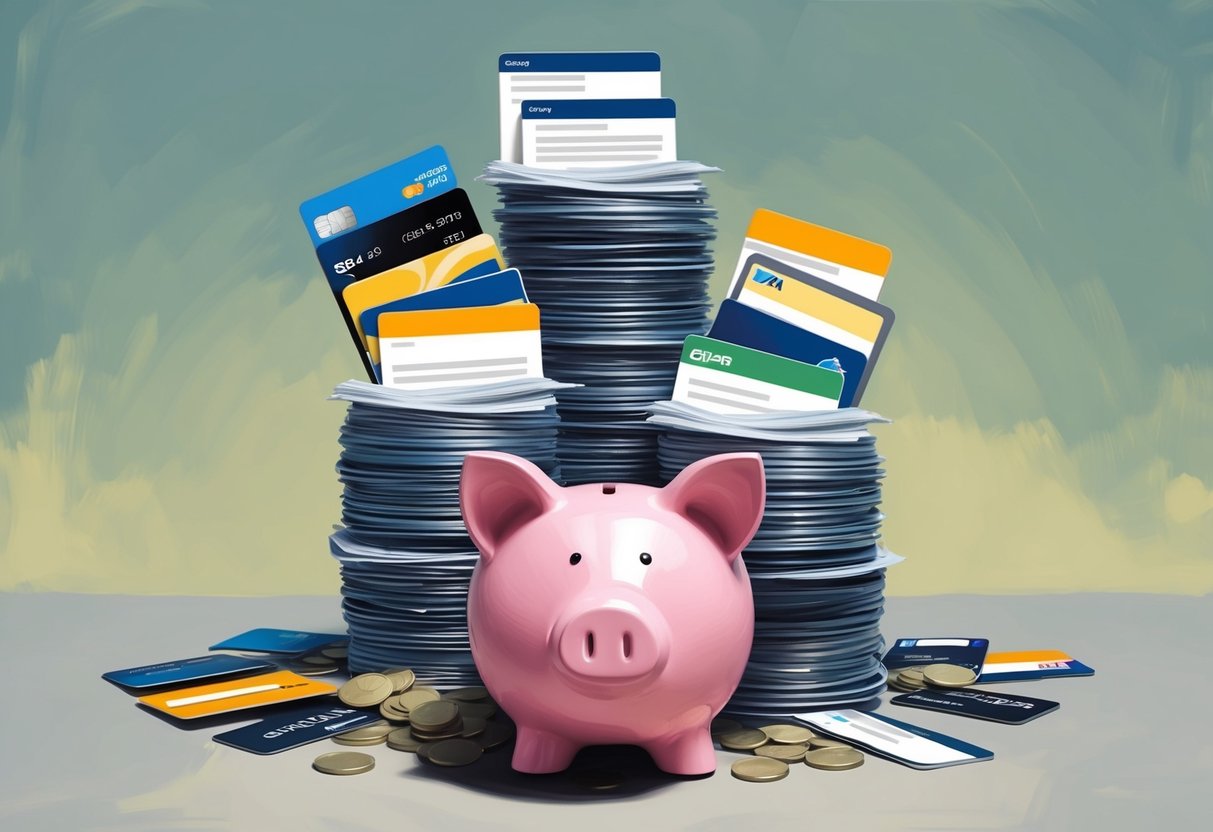 It’s crucial to examine how savings influence credit and loans. Many people overlook the relationship between these financial components, but understanding them can be the key to managing your finances effectively.
Influence of Savings on Credit Cards and Auto Loans
When it comes to savings, people often wonder if it impacts credit card approvals or auto loan rates. The short answer is: definitely. Your savings can serve as a financial cushion, reassuring lenders of your ability to repay debts. Imagine having a sizable savings account when applying for an auto loan. Does it make sense that lenders would view you as less risky? Of course. With more savings, you might earn better interest rates and less rigid repayment terms. Credit card companies also look at savings when setting limits and interest rates. Higher savings can result in favorable terms. This isn’t just about borrowing; it’s about using savings as leverage. When you’re stuck juggling high credit card rates, remember that an increase in savings might help you negotiate better terms.
The Interplay Between Checking Accounts and Savings
Checking and savings accounts often come as a package deal, but their interaction particularly affects your financial standing. Having money in a checking account shows regular cash flow, while savings highlight long-term financial stability. Both are essential in understanding how banks assess your loan requests. Lenders like to see that you can handle everyday expenses through a checking account while growing your savings. Think about it: if I only focus on a checking account, I might miss opportunities for long-term growth. On the other hand, only savings without regular cash flow can limit access to instant funds through credit or loans. Balancing both is key. Savings can act as a buffer, ensuring checking account activity remains healthy and consistent. Together, they can improve your financial health and loan opportunities.