
Why do some people seem happier and more successful than others? It’s not always luck or talent. Could it be gratitude? I’ve seen how an attitude of gratitude can shape one’s path to both wealth and happiness. When you focus on what you have instead of what’s missing, you unlock opportunities that might otherwise slip by unnoticed.  Gratitude isn’t just a feel-good exercise—it can help you make better decisions and build stronger relationships. Embracing gratitude can lead to a more abundant and fulfilling life, impacting both your personal well-being and financial success. Imagine the power of feeling rich in every aspect of your life, not just in your bank account. But how does gratitude translate into wealth, especially when it seems the two are unrelated? By redefining what wealth means, gratitude shifts your mindset from scarcity to abundance. This mindset is crucial. Wealth isn’t just about the money you have; it’s about appreciating what you have, which can lead to sound investments in both personal growth and financial assets.
Key Takeaways
- Gratitude enhances personal well-being and financial success.
- A mindset of abundance helps overcome materialism.
- Gratitude builds wealth through improved relationships.
Understanding Gratitude
 Gratitude is more than just a simple “thank you.” It’s a powerful tool that can transform your outlook and potentially your financial future. How can gratitude impact both wealth and happiness? Let’s look at what gratitude really means and how it plays a role in our lives.
Defining Gratitude
Gratitude is about recognizing and appreciating the good things in our lives. It’s focusing on what we have, rather than fixating on what’s missing. This mindset shift can change our perspective dramatically. By celebrating small victories and acknowledging the positive around us, we can create a sense of abundance. In my experience, gratitude doesn’t happen by accident. It requires intention and practice. Cultivating gratitude means making it a daily habit, similar to brushing your teeth. It’s about consciously choosing to see the positives, even when challenges arise. This isn’t just about feeling good—it’s about building a foundation for personal growth and resilience.
The Psychology Behind Gratitude
Why does gratitude have such a profound effect on our minds? Gratitude is rooted in psychology. Studies have shown that expressing gratitude releases dopamine and serotonin, the “feel-good” chemicals in our brains. This isn’t just a fleeting happiness boost; it can cultivate lasting well-being and improve mental health. Practicing gratitude often involves a mindfulness component. When we’re mindful, we’re more aware and present, and we can better appreciate the current moment. This awareness helps us identify opportunities we might otherwise overlook. Imagine having a clearer vision of your financial path because you’re open to seeing positive possibilities. That’s the power of gratitude at work.
Gratitude as a Daily Practice
A daily gratitude practice isn’t complicated. It can be as simple as jotting down a few things you’re thankful for each day. This practice, often called a gratitude journal, can reinforce positive thinking patterns. As these patterns strengthen, they can influence other areas of life. When I’m consistent with my gratitude practice, I notice changes in how I approach both personal and financial challenges. It can create a mental buffer against stress, allowing me to focus on solutions rather than problems. Isn’t it worth a few minutes a day to change your perspective and potentially your trajectory? Incorporating gratitude into your routine can provide clarity and peace, essential for making sound financial decisions. Wouldn’t you rather navigate your financial journey with optimism and confidence?
Gratitude and Personal Well-being
 Feeling thankful isn’t just polite—it’s transformative. Embracing gratitude boosts mental and physical health and fosters resilience during life’s challenges. It lays a foundation for deeper joy and contentment. Here’s how gratitude impacts well-being in powerful ways.
Mental and Emotional Benefits
Gratitude has a tremendous effect on mental health. I have seen how it can increase happiness and emotional well-being. When I focus on being thankful, I’m less likely to be weighed down by negativity or anxiety. This simple act can shift one’s mindset towards positivity and optimism. Have you noticed how feeling grateful can make ordinary moments feel extraordinary? It’s not just about big events. Everyday gratitude can build a greater sense of life satisfaction. It creates a mindset where joy and contentment flourish.
Gratitude and Physical Health
You might wonder how gratitude connects to physical health. Surprisingly, it does. People who practice gratitude often enjoy better sleep and have more energy. They wake up feeling refreshed, which contributes to a healthier lifestyle. Gratitude can also influence the heart. Various studies indicate that feeling thankful reduces stress and can lead to better cardiovascular health. Imagine lowering your heart disease risk just by counting your blessings. Isn’t that worth trying?
The Role of Gratitude in Resilience
In tough times, gratitude shines as a beacon of resilience. Resilience is about bouncing back and recovering from setbacks. When I practice gratitude, I find it easier to overcome adversities. It provides a mental buffer against the challenges that life brings. Why does this happen? Gratitude shifts focus from problems to possibilities. It empowers you to see the silver lining. Resilient individuals are more likely to have an optimistic outlook, which can lead to better coping strategies and a strengthened will to persevere.
Cultivating a Mindset of Abundance
 To build wealth and happiness, shifting from a scarcity mindset to an abundance mindset is crucial. Gratitude plays a key role in this transformation, helping individuals focus on prosperity and opportunities.
Overcoming a Scarcity Mindset
Do you ever find yourself stuck in negative thoughts about money or resources? This is known as the scarcity mindset. It’s that nagging fear that there’s never enough, which can hold you back from reaching your full potential. The first step to overcoming it is recognizing these thoughts. I encourage you to start questioning these beliefs. Are they based on facts, or assumptions? Once you identify them, begin challenging them. Replace fear with appreciation for what you have. Gratitude is a powerful antidote to scarcity thinking. By appreciating small successes and resources already available, you can begin to see abundance in everyday life. It’s about focusing on the positives, even when challenges arise. This shift in focus opens the door to new opportunities and potential growth.
Fostering an Attitude of Prosperity
An attitude of prosperity invites wealth into your life. This means actively embracing opportunities for growth and acknowledging your achievements. How can you start developing this mindset? Begin by setting clear goals that align with your values. Knowing what you want to achieve gives direction and purpose. Consider visualizing success by imagining the life you desire. Picture yourself living your dream, enjoying financial stability, and time with family. Use these visions as motivation to work towards your ambitions. It’s a mental rehearsal for future success. Remember to celebrate small victories along the way. Each step brings you closer to your goals. Recognizing these achievements reinforces the belief that you are capable of creating your own wealth and happiness. It builds confidence and fosters a mindset of abundance.
Gratitude Exercises to Cultivate Abundance
Incorporating gratitude exercises into daily routines can enhance a mindset of abundance. Start with keeping a gratitude journal. Write down three things you’re thankful for each day. This simple act shifts focus towards positivity and abundance. Another exercise involves expressing gratitude to others. A heartfelt thank you note or message can strengthen relationships and create a supportive network. Building connections with others enriches your life and contributes to a prosperous mindset. Creating a gratitude jar is another effective practice. Whenever something positive happens, jot it down and place it in the jar. Over time, these reminders of abundance accumulate, reinforcing a focus on the positives in life. These exercises gradually transform the way you perceive wealth and happiness, making abundance a natural part of your outlook.
Building Wealth through Gratitude
 Gratitude plays a significant role in financial life by improving decision-making and fostering meaningful connections. It encourages a balanced view of wealth creation and financial planning, making it essential for those seeking financial success.
The Impact of Gratitude on Financial Decisions
Gratitude can greatly influence the way I make financial decisions. When I appreciate what I currently have, I tend to make more thoughtful choices rather than impulsive ones. This mindset helps me avoid unnecessary debt and encourages savings. Have you ever considered how gratefulness affects spending habits? By focusing on what I truly value, I’m less likely to spend on things that don’t bring long-term satisfaction. This approach not only aids in building wealth but also enhances overall financial stability. When I practice gratitude, I notice an increase in patience. I’m more willing to wait for the right investment opportunities. This patience can lead to wiser and more profitable financial decisions over time.
Gratitude and Financial Planning
Integrating gratitude into financial planning can change how I approach wealth creation. Regular reflection on what I have leads to clearer goal-setting. I can prioritize goals like paying off a mortgage or saving for retirement with a positive attitude. By keeping a gratitude journal, I remind myself of progress made. This continuous acknowledgment reduces stress and reinforces commitment to my financial plan. Have you noticed how a positive mindset can lessen anxieties about money? Gratefulness helps me evaluate needs vs. wants. This clarity in discernment is essential when planning how funds should be allocated. It ensures that resources are directed towards what truly matters, supporting long-term financial success.
Interpersonal Aspects of Wealth and Gratitude
Gratitude strengthens my relationships, which are crucial in my financial journey. Building wealth isn’t just about accumulating assets; it’s also about connections with others. When I express appreciation, I nurture trust and collaboration. These relationships open doors to new opportunities. For instance, networking with others who share a thankful outlook may lead to valuable investment insights or partnerships. Could the right collaboration be the key to enhancing your financial stability? Expressing gratitude also makes me a more mindful communicator. This improves negotiations and builds alliances, leading to potential financial gains. When I focus on gratitude, my interactions are more positive and productive.
Gratitude in Relationships and Community
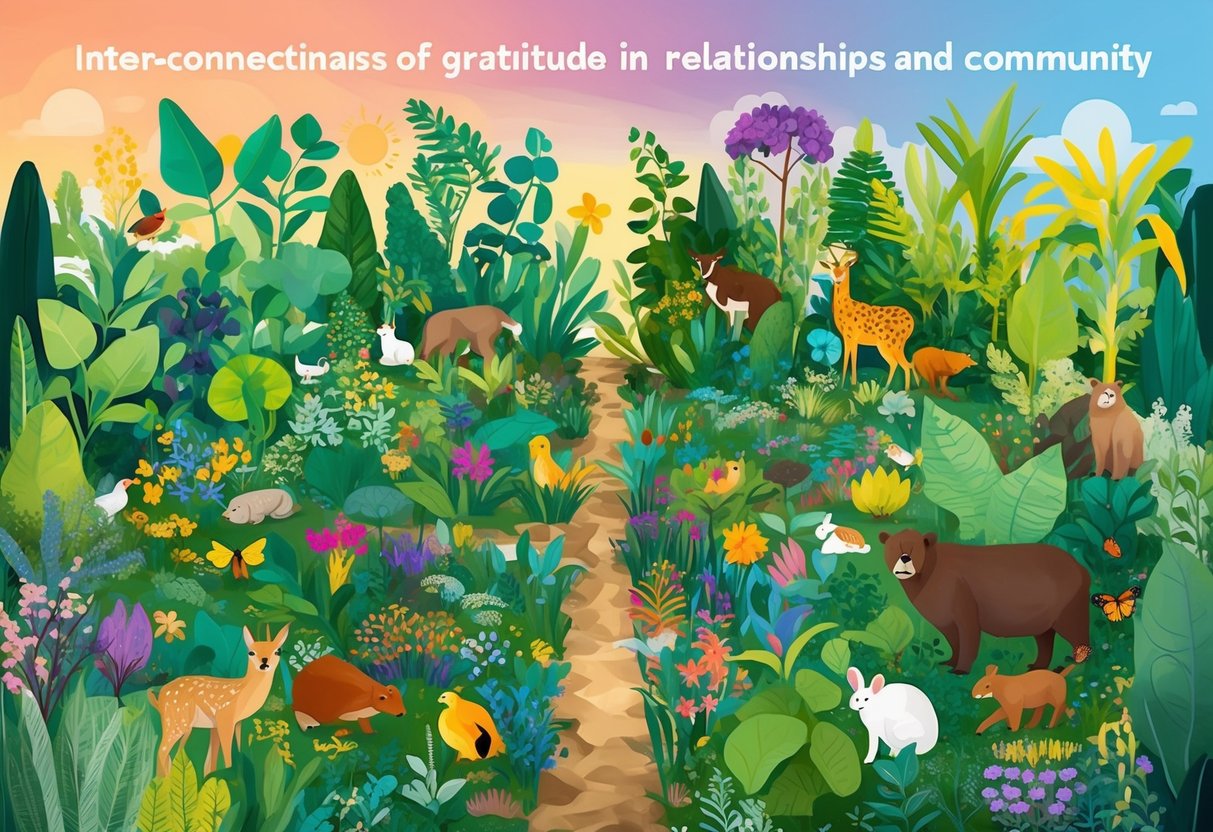 Gratitude has a profound impact on both our personal relationships and the wider community. By expressing appreciation, we foster stronger social connections, build trust, and encourage a culture of gratitude where everyone benefits. Let’s explore how gratitude enhances these crucial areas.
Strengthening Social Bonds
Ever noticed how acknowledging others can strengthen relationships? Saying “thank you” makes people feel valued. This simple act boosts connections, making them more genuine and resilient. Recognizing what we cherish about partners or friends can help nurture these bonds. When people feel appreciated, they tend to reciprocate, creating a positive cycle. Gratitude also acts as a buffer in tough times. It can defuse tension and reduce conflict. By appreciating each other’s contributions, we build a foundation of trust. Strong bonds lead to healthier and happier relationships. Our connections are like savings in a relationship bank; gratitude is the currency that compounds these savings over time.
Expressing Gratitude to Others
When was the last time you expressed sincere gratitude to someone? Simple gestures, like a heartfelt note or a verbal acknowledgment, can have a significant impact. Expressing gratitude makes others feel needed and noticed, which in turn strengthens both personal and professional relationships. Consider keeping a gratitude journal. Note down small acts from others that bring joy to your life. Sharing these moments reinforces positive feelings. A “gratitude letter,” for instance, not only uplifts the recipient but also enhances your own well-being. This mutual benefit can deeply enrich relationships.
Community Building and Volunteerism
Gratitude extends far beyond personal circles. By giving back through volunteering and charitable donations, we contribute to our communities and create a cycle of positivity. Helping others fosters a sense of belonging and purpose, which boosts happiness. Volunteering can strengthen social connections by bringing people together for a common cause. It’s a powerful way to show appreciation for what we have by giving to those in need. Participating in community events or charity work not only helps others but also instills a deep sense of gratitude and fulfillment in our lives. It’s these actions that bind us closer to those around us, creating a supportive and thriving community.
Gratitude and Personal Development
 Gratitude plays a critical role in personal development, impacting self-esteem and professional growth. By fostering a gratitude mindset, one can experience long-term benefits that enhance both psychological well-being and productivity.
Self-Esteem and Gratitude
How often do we focus on our failures instead of our achievements? Gratitude can shift this focus. When I practice gratitude, I acknowledge what I have accomplished rather than dwelling on what I lack. This approach boosts self-esteem by allowing me to appreciate my strengths and contributions. Gratitude encourages self-reflection. By recognizing and valuing my efforts and the support I receive from others, I develop a healthier self-image. This positive outlook is vital for any path of self-improvement, leading to more confidence and motivation in tackling personal goals.
Gratitude and Professional Growth
In the professional world, gratitude can be a game-changer. How? It enhances relationships and fosters a positive work environment. When I express gratitude at work, I build stronger connections with colleagues, which can open doors to new opportunities. Gratitude also fuels professional development by increasing engagement and motivation. When I feel valued and acknowledge contributions, my productivity rises. This mindset helps me remain resilient and adaptable in challenging situations, ultimately leading to career advancement.
Long-Term Benefits of a Gratitude Mindset
What are the lasting impacts of maintaining a gratitude mindset? Over time, it significantly boosts psychological well-being and overall life satisfaction. By continually practicing gratitude, I become more resilient and better equipped to face adversity. A thankful mindset also contributes to longevity and happiness. Studies suggest that grateful individuals experience better health and reduced stress. This not only enhances my quality of life but also lays a strong foundation for sustained personal growth and self-improvement. Embracing gratitude as a core principle shapes a more fulfilling and prosperous life.
Overcoming Materialism with Gratitude
 Abundance isn’t just about how much we own, but about appreciating what we already have. Shifting focus from personal consumption to aiding others leads to more satisfaction. Generosity fosters a cycle of prosperity and gratitude enhances inner wealth. Let’s see how gratitude can lessen the grip of materialism.
Material Wealth versus Inner Wealth
When we think of wealth, the mind often jumps to material possessions. Big houses, luxury cars, and fancy gadgets. Yet, true fulfillment comes from something deeper. Do possessions really equate to happiness, or is there more to it? Gratitude plays a significant role in fostering inner wealth. By recognizing and appreciating the non-material blessings in life, we cultivate a sense of contentment and peace. This inner wealth is not subject to market fluctuations or economic downturns. It’s a stable foundation that doesn’t depend on material gains. Why chase after something fleeting when a mindset of gratitude can offer lasting fulfillment?
Shifting from Consumption to Contribution
In a world driven by consumerism, it’s easy to be swept up in the cycle of acquiring more. But has this constant state of wanting ever truly satisfied anyone? The answer is probably no. It becomes crucial to direct our focus from consuming to contributing. How does giving back create abundance in life? By helping others and contributing to meaningful causes, we find greater satisfaction. Not only does this approach enrich the lives of those we help, but it also enhances our own happiness. Abundance grows from sharing and enabling others to thrive. This positive cycle builds an environment where we enjoy a sense of purpose and community.
Generosity and Reciprocity in Wealth Building
Generosity isn’t just about giving money. It’s about offering time, knowledge, and support too. Ever notice how acts of kindness often come back to you, sometimes when least expected? This dynamic of reciprocity is powerful in building wealth and happiness. Generosity creates a network of goodwill and trust that lays the foundation for mutual aid. This bond can lead to financial opportunities and personal growth. Engaging in reciprocal relationships fosters prosperity and builds a community of support. Through gratitude and generosity, I find that wealth isn’t just what fills my bank account but also my heart.
Gratitude Practices for Everyday Life
 Gratitude is a powerful tool that can transform how we experience our daily lives. By incorporating simple acts of gratitude, journaling, and mindfulness practices, we can foster a positive mindset and enrich our journey towards wealth and happiness.
Simple Acts of Gratitude
Ever notice how a small gesture can lift someone’s spirits, or even yours? This is where simple acts of gratitude come in. Each day, try to express appreciation for the people around you. It could be as basic as saying “thank you” more often or appreciating a loved one’s support. Acts of kindness, like helping a neighbor or colleague, can change the atmosphere around you. These actions help create a chain reaction of positivity. Encourage gratitude in others by sharing uplifting stories or experiences. These brief but meaningful interactions create a deeply rewarding cycle of goodwill.
Gratitude Journaling
Have you considered keeping a gratitude journal? Writing down what I am thankful for has been a game-changer in my life. Each day, I list a few things that bring me joy or comfort. This practice lets me focus on the positive aspects even when things are tough. Seeing the good in life helps shift my perspective and fuels optimism. By doing this regularly, I notice patterns and appreciate consistent positives I might overlook. Implementing gratitude journaling transforms routine days into opportunities to recognize blessings. It’s a simple, yet profound way to integrate gratitude into everyday life.
Meditation and Mindfulness
How often do you take a moment to just breathe and be present? Meditation and mindfulness are ways to immerse oneself in gratitude. By practicing meditation, I focus on being present, setting aside worries about the future or regrets about the past. For instance, starting or ending my day with a few minutes of mindful breathing centers my thoughts on the present moment. It allows gratitude affirmations to settle into my subconscious, promoting a sense of balance. This practice encourages patience, reducing impulsive reactions driven by stress or negativity. Integrating these moments into daily life nurtures a mindset centered on appreciation and tranquility.