
Have you ever thought about turning your knowledge into cash? You don’t have to quit your job to make extra money from your expertise. You can monetize your skills through side gigs like coaching, consulting, or creating digital products. These options let you share what you know while keeping your day job.  I’ve seen many people start small and grow their side hustle over time. You might begin by writing a blog or making videos about your area of expertise. As you build an audience, you can offer more personalized services or products. The key is to start now and learn as you go.
Key Takeaways
- Start small with low-cost options like blogging or social media to build your audience
- Create digital products or offer coaching services to monetize your knowledge
- Use email marketing to nurture relationships and promote your offerings
Discovering Your Profitable Niche
Finding your [money-making](/building-multiple-streams-of-income/) sweet spot is key to turning your expertise into cash. Let's explore how to pinpoint your unique skills and match them with what people want.Assessing Your Skills and Knowledge
I’ve found that self-reflection is crucial. What am I really good at? What problems can I solve better than most? I make a list of my top skills, experiences, and areas of knowledge. This includes both professional and personal talents. Maybe I’m great at explaining complex topics, or I have a knack for organizing chaotic systems. I also think about what I enjoy doing. Passion often leads to expertise. What topics do I find myself reading about or discussing in my free time? These interests can be goldmines for monetization.
Analyzing Market Demand
Now, how do I know if people will pay for my expertise? I start by looking at what’s already selling. Are there courses, books, or coaching services in my area of expertise? This shows there’s a market. I also pay attention to questions people ask me. What do my colleagues or friends come to me for help with? These real-world problems are potential profit centers. To dig deeper, I use online tools. I check search volumes for keywords related to my niche. I browse forums and social media to see what questions people are asking. This helps me spot gaps in the market where my expertise could fit.
Building Your Online Presence
 Creating a strong online presence is key to monetizing your expertise. It’s about showcasing your knowledge and connecting with your audience in meaningful ways.
Creating Value-Driven Content
I’ve found that the best way to build an online presence is through valuable content. Start a blog or YouTube channel focused on your area of expertise. Share insights, tips, and solutions to common problems in your field. Don’t just rehash what others are saying - offer unique perspectives based on your experience. Keep your content focused and consistent. If you’re in finance, for example, create a series on retirement planning or debt reduction. Use simple language and real-life examples to make complex topics easy to understand. Remember, quality trumps quantity. It’s better to publish one well-researched article a month than rushed daily posts. Your goal is to become a trusted resource in your niche.
Establishing Authority and Credibility
Building authority takes time, but it’s worth the effort. How do you do it? Start by being active on social media platforms relevant to your industry. Share your thoughts on current trends and engage with others in your field. Consider writing guest posts for respected websites or appearing on podcasts. These opportunities expand your reach and boost your credibility. Don’t be afraid to showcase your achievements and qualifications, but do it in a way that highlights how they benefit your audience. I’ve seen many experts build strong communities around their content. Respond to comments, ask for feedback, and create spaces for discussion. This engagement not only establishes your authority but also helps you understand your audience’s needs better.
Developing Digital Products
Digital products are a great way to make money from your knowledge. They let you reach many people without spending a lot of time. I'll show you two key ways to create and sell digital products while keeping your day job.Writing and Selling Ebooks
Ebooks are a simple way to package your expertise. I’ve found they work well for busy professionals. Here’s how to get started:
- Pick a topic you know well
- Outline your main points
- Write a little each day
- Edit and polish your work
- Design a cover or hire someone to do it
- Publish on platforms like Amazon Kindle
The key is to solve a specific problem for your readers. What questions do people always ask you? That’s a good start for your ebook topic. Marketing your ebook is crucial. Use social media, email lists, and online communities to spread the word. Offer a sample chapter to hook readers.
Creating and Marketing Online Courses
Online courses can be more profitable than ebooks. They let you share deeper knowledge. Here’s my process:
- Choose a skill you can teach
- Plan your course structure
- Record video lessons
- Add quizzes and worksheets
- Set up on a platform like Udemy or Teachable
- Price it right - not too high, not too low
What makes a course sell? Solve a real problem people have. Show them how to do something valuable. To market your course, try these tactics:
- Run webinars to give a taste of your teaching
- Offer a free mini-course as a lead magnet
- Partner with others in your field to cross-promote
Remember, your course doesn’t need to be perfect. Start small and improve over time.
Email Marketing and List Building
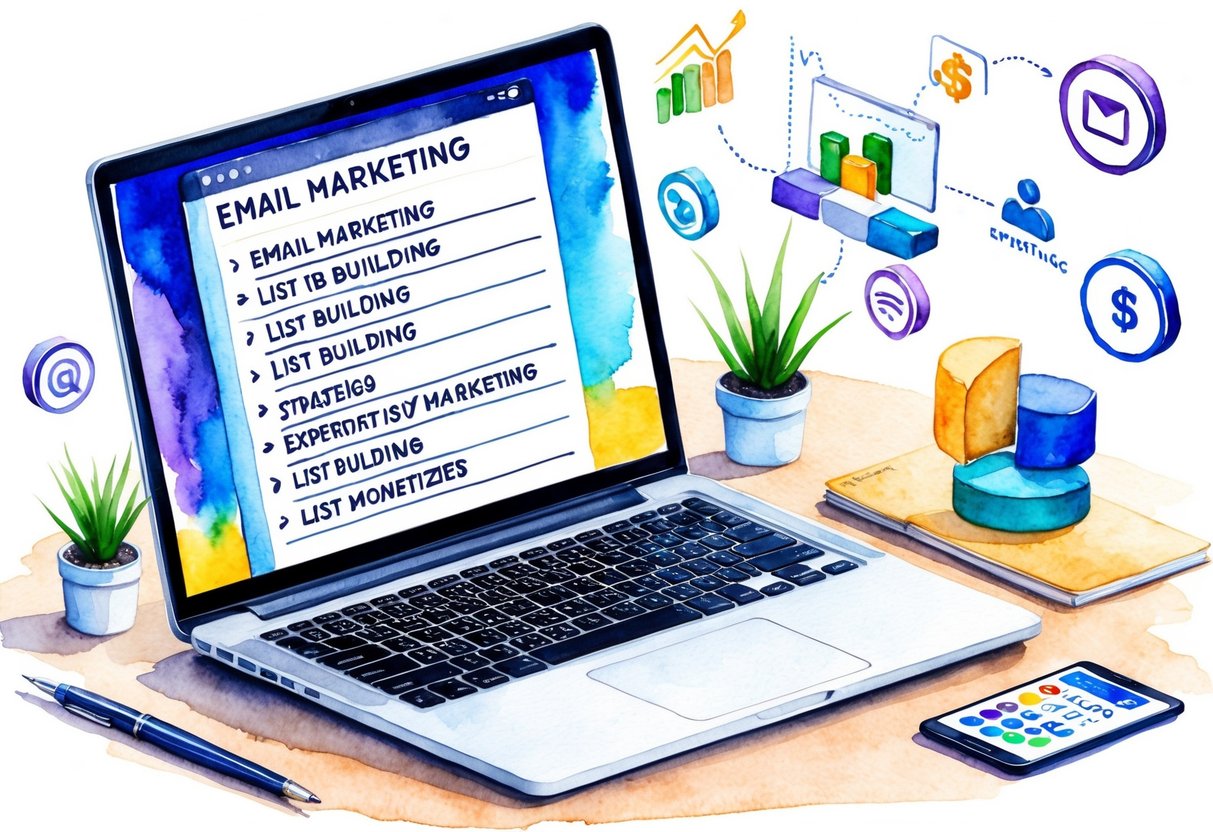 Email marketing is a powerful tool for monetizing your expertise. By building a list of engaged subscribers, you can create a direct line to potential customers and clients.
Structuring Your Email Campaigns
I’ve found that successful email campaigns need a solid structure. Start with a welcome series to introduce yourself and your expertise. Follow up with regular content that provides value to your readers. Mix in promotional emails sparingly - about 1 for every 4-5 value-focused messages. What’s your unique angle? Make sure it shines through in every email. Use attention-grabbing subject lines and keep your content focused and easy to scan. Break up text with bullet points, bold key phrases, and use images where relevant. Remember, your readers are busy - make every word count.
Leveraging an Email List for Direct Sales
Once you’ve built trust with your list, it’s time to make some sales. But here’s the key - don’t be pushy. Instead, focus on how your products or services solve your readers’ problems. Have you considered creating a special offer just for your email list? It’s a great way to make subscribers feel valued and boost sales. Use scarcity and urgency tactics wisely. Limited-time offers can drive quick sales, but overuse them and you’ll lose credibility. Always provide clear calls-to-action. What do you want readers to do next? Make it easy for them to take that step, whether it’s buying a product or booking a consultation.
Monetizing Expertise with Personalized Coaching
 Personalized coaching is a powerful way to share your knowledge and earn extra income. It allows you to work one-on-one with clients, tailoring your advice to their specific needs. Let’s explore how to get started and expand your reach.
Setting up Coaching Services
Are you ready to turn your expertise into a profitable side gig? I’ve found that setting up coaching services is easier than you might think. First, identify your niche. What specific knowledge can you offer that others want to learn? Maybe it’s career advice, financial planning, or business strategy. Next, decide on your format. Will you offer phone calls, video chats, or in-person sessions? Each has its pros and cons. I prefer video calls for their flexibility and personal touch. Pricing is crucial. Research what others in your field charge, but don’t undersell yourself. Remember, you’re offering valuable insights from years of experience. Finally, create a simple booking system. Use online tools to manage appointments and payments. This keeps things professional and saves you time.
Expanding Reach through Online Learning Platforms
Why limit yourself to one-on-one coaching when you can reach thousands? Online learning platforms are a game-changer for monetizing your expertise. Start by choosing a platform that fits your style. Popular options include Udemy, Coursera, and Skillshare. Each has its own audience and fee structure. Now, think about your course content. What can you teach in bite-sized, engaging lessons? Break down your knowledge into easy-to-digest modules. Don’t forget about production quality. You don’t need fancy equipment, but clear audio and video are a must. I use a simple setup: a good microphone and my smartphone camera. Marketing is key. Use your existing network to spread the word. Share snippets of your course on social media to pique interest. Remember, creating an online course takes time, but it can provide passive income for years to come. Isn’t that worth the effort?
Engaging in Affiliate Marketing
 Affiliate marketing is a smart way to make money from your expertise without quitting your job. It’s all about promoting products you believe in and earning a commission for each sale. Let me show you how to get started.
Choosing the Right Affiliate Programs
I always tell my students to pick affiliate programs that match their interests and expertise. Why? Because it’s easier to sell what you know and love. Look for products or services you’d actually use yourself. Start by checking out popular affiliate networks like Amazon Associates or ShareASale. They offer a wide range of products to promote. But don’t stop there! Reach out directly to companies in your niche. They might have private affiliate programs with better terms. Remember, higher commission rates aren’t everything. I prefer programs with good reputations and reliable payouts. Quality matters more than quantity. Choose wisely, and you’ll build trust with your audience.
Incorporating Affiliate Links into Content
Now, how do you actually make money with these affiliate links? It’s all about creating valuable content that naturally includes your recommendations. Blog posts, videos, and social media are great places to start. But don’t just drop links everywhere. I focus on solving problems for my audience. When I mention a product, I explain why it’s helpful. Product reviews and comparisons work well too. Be honest about pros and cons. Your readers will appreciate your transparency. And here’s a pro tip: use link shorteners or pretty links to make your affiliate URLs look cleaner. Remember, always disclose your affiliate relationships. It’s not just ethical - it’s often required by law. Building trust is key to long-term success in affiliate marketing.
Maximizing Income with Consulting and Public Speaking
 Want to boost your earnings without leaving your day job? Consulting and public speaking can be lucrative side gigs. Let’s explore how to land these opportunities and turn your expertise into extra cash.
Securing Consulting Gigs
I’ve found that consulting is a great way to monetize knowledge. Start by identifying your niche. What unique skills do you have? Maybe it’s marketing, finance, or tech. Once you know your specialty, create a simple website showcasing your expertise. Networking is key. I always tell my clients to attend industry events and join professional groups. You never know who might need your services. Don’t be shy about reaching out to former colleagues or classmates. Consider offering a free initial consultation. It’s a low-risk way for potential clients to see your value. As you build a client base, don’t forget to ask for referrals. Word-of-mouth can be your best marketing tool.
Landing Speaking Engagements
Public speaking can be a goldmine if you know how to approach it. First, develop a signature talk. What’s your unique message? What problems can you solve for your audience? Practice, practice, practice. I can’t stress this enough. Record yourself and watch it back. It might be painful, but it’s the fastest way to improve. Start small. Offer to speak at local business groups or chambers of commerce. As you gain confidence, reach out to conference organizers. Many are always looking for fresh voices. Monetize your expertise beyond just speaking fees. Can you sell books or courses after your talk? Could you offer follow-up consulting? Think creatively about how to maximize each opportunity.
Creating a Sustainable System for Passive Income
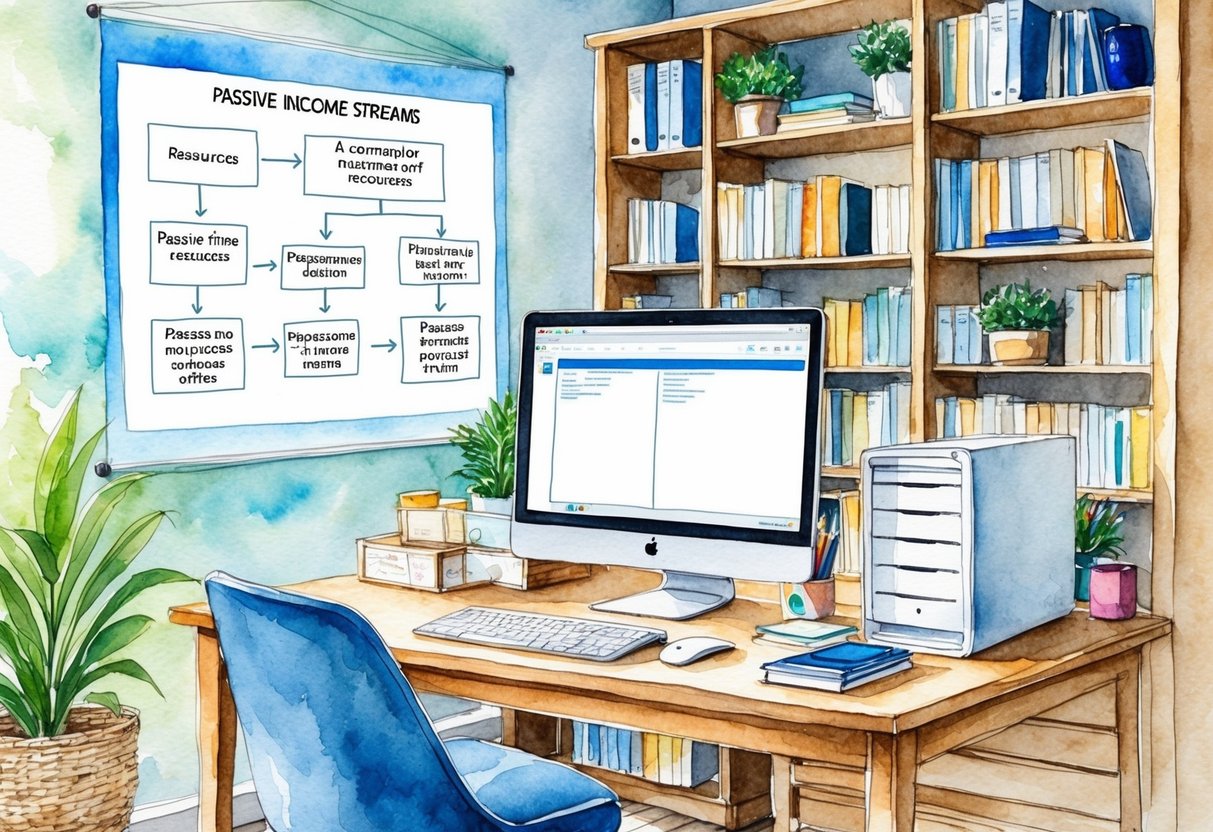 Passive income can be a game-changer, but it requires smart planning and execution. I’ve seen many people jump in without a strategy, only to burn out quickly. Let’s explore how to build a system that works for you long-term.
Automation of Processes
Automation is key to making passive income truly passive. I recommend starting with digital products like ebooks or online courses. These can be sold repeatedly without much ongoing effort. Set up an automated sales funnel:
- Create a lead magnet
- Build an email list
- Use autoresponders to nurture leads
- Offer your product
Tools like Zapier can connect your systems, handling tasks from order processing to customer support. This frees up your time to focus on strategy and growth. Remember, even automated systems need occasional maintenance. Schedule regular check-ins to ensure everything runs smoothly.
Long-term Financial Planning for Freedom
Passive income isn’t just about making money - it’s about creating freedom. I always tell my clients to think big picture. Start by defining your financial freedom number. How much monthly income do you need to cover your expenses? Once you have a target, diversify your income streams. Don’t put all your eggs in one basket. Consider:
- Dividend-paying stocks
- Real estate investments
- Royalties from intellectual property
Reinvest a portion of your passive income to accelerate growth. This compounds over time, bringing you closer to your freedom number faster. Keep learning and adapting. The market changes, so should your strategies. Stay informed about new opportunities and be ready to pivot when needed.