
In financial planning, we often focus on the big picture and overlook the smaller steps that contribute to our success. We tend to think in terms of retirement goals or huge savings milestones. Yet, what if I told you that celebrating small wins can be a game changer, unlocking motivation and providing a roadmap to achieving larger goals? Recognizing these smaller achievements isn’t just about feeling good—it’s a strategic move that builds momentum in your financial journey.  Celebrating small wins in financial planning allows us to break down overwhelming goals into manageable tasks, making progress feel more attainable. You don’t have to wait until you hit a six-figure savings goal to pat yourself on the back. Did you save a bit more this month or stick to your budget? These are meaningful victories that deserve acknowledgment. They build the confidence needed to tackle larger financial dreams. Why is it important to celebrate these small victories? When we do, it not only keeps us motivated but also reinforces positive financial habits, which can lead to major shifts in our financial well-being over time. By taking a moment to recognize and appreciate these steps, we create a sustainable mindset geared towards long-term success. Let’s dive in and see how embracing small wins can pave the way for a brighter financial future.
Key Takeaways
- Small wins make financial goals more achievable.
- Celebrating small victories reinforces positive habits.
- Recognition of small steps leads to long-term success.
Understanding Small Wins in Financial Planning
 Small wins hold the secret to long-term financial success. They act as motivational sparks that keep us going on our financial journey. Let’s dive into what makes these small wins so powerful.
Defining Small Wins
What exactly are small wins in financial planning? They are the smaller achievements that push you closer to your larger financial goals. Think about managing to save a specific amount each month or successfully sticking to a budget for the third week in a row. These wins might appear minor, but they add up over time. Small wins are stepping stones on a path to financial success. They help build momentum. Each small achievement is a reminder that I’m moving in the right direction. By recognizing these wins, I’m setting the stage for bigger accomplishments that lead to lasting financial success. It’s about making steady progress rather than big leaps.
Significance of Celebrating Small Wins
Why should celebrating small wins matter? Positive reinforcement is key to sustaining motivation. When I celebrate these victories, I give myself credit where it’s due. It’s like adding fuel to the tank for my ongoing financial journey. Celebrations do not have to be grand. A simple acknowledgment or a small treat can be enough. This practice not only boosts my confidence but also reinforces good financial habits. It turns my financial journey into a rewarding experience where each small win becomes a big deal. Celebrating keeps my spirits high and my motivation intact, crucial components for reaching long-term financial goals.
The Psychology Behind Small Wins
 In financial planning, celebrating small wins can have a powerful effect. Recognizing achievements can boost motivation and foster a positive outlook, helping to drive continued progress. Let’s explore these concepts in more detail.
Psychological Benefits of Celebrating Achievements
Have you ever noticed how good it feels when you reach a small financial goal, like adding a little extra to your savings? It’s more than just a fleeting moment of joy. Celebrating small wins taps into the brain’s reward system, releasing dopamine, which enhances positive emotions and reduces stress. This simple action can lead to gratefulness for small milestones, reinforcing your belief in your abilities. By emphasizing these celebrations, you maintain a positive mood, which is crucial for tackling bigger financial challenges. It helps build resilience, making it easier to push through obstacles. Feeling grateful for these small achievements can lower pressure, allowing for a clearer mindset and better judgment in financial decisions.
Influence of Positive Emotions on Motivation
Do you ever wonder why some days you’re more driven to tackle financial planning than others? Positive emotions are key. When you celebrate small wins, it not only uplifts your mood but also strengthens motivation. This is crucial because genuine motivation leads to more deliberate actions and better financial choices. When you feel good, you’re more likely to continue working towards your goals. A positive outlook powered by gratitude keeps you focused on long-term objectives. When motivation is high, you have more energy and optimism, making it easier to handle setbacks without getting discouraged. This continuous boost can significantly improve your financial planning journey, making the path to financial success more attainable.
Strategic Financial Planning and Small Wins
 In strategic financial planning, small wins play an essential role by providing motivation and momentum. They help break down daunting financial targets into manageable steps, promoting discipline and persistence.
Budgeting for Success
Budgeting is a cornerstone of any solid financial plan. It’s not just about keeping track of expenses but about ensuring that every dollar has a purpose. By creating a detailed budget, I make sure that I’m setting myself up for success. Tracking even minor improvements, like cutting unnecessary subscriptions, can be empowering. Each small saving offers a sense of achievement, reinforcing positive financial habits. Do you know which small costs are sneaking into your budget? Identifying these can unlock your potential for greater financial health.
Setting Achievable Financial Goals
Setting financial goals that are realistic is key to long-term success. Instead of setting one huge target, I often break down my goals into smaller, attainable steps. For example, if paying off $10,000 in debt seems overwhelming, focusing on reducing it by $500 each month feels more doable. Celebrating these victories keeps me motivated and committed. Aren’t these small victories crucial in keeping us on track? After all, big dreams start with the first steps.
The Role of Consistent Effort and Incremental Progress
Consistent effort and incremental progress are essential. It’s not enough to dream big; I need to work toward these goals daily. This involves tweaking my budget regularly and ensuring that every small achievement is acknowledged. With every progress, no matter how small, I edge closer to my financial targets. Can you imagine reaching your goals without continuous effort? These small wins are the building blocks of my financial journey.
Establishing and Reaching Financial Milestones
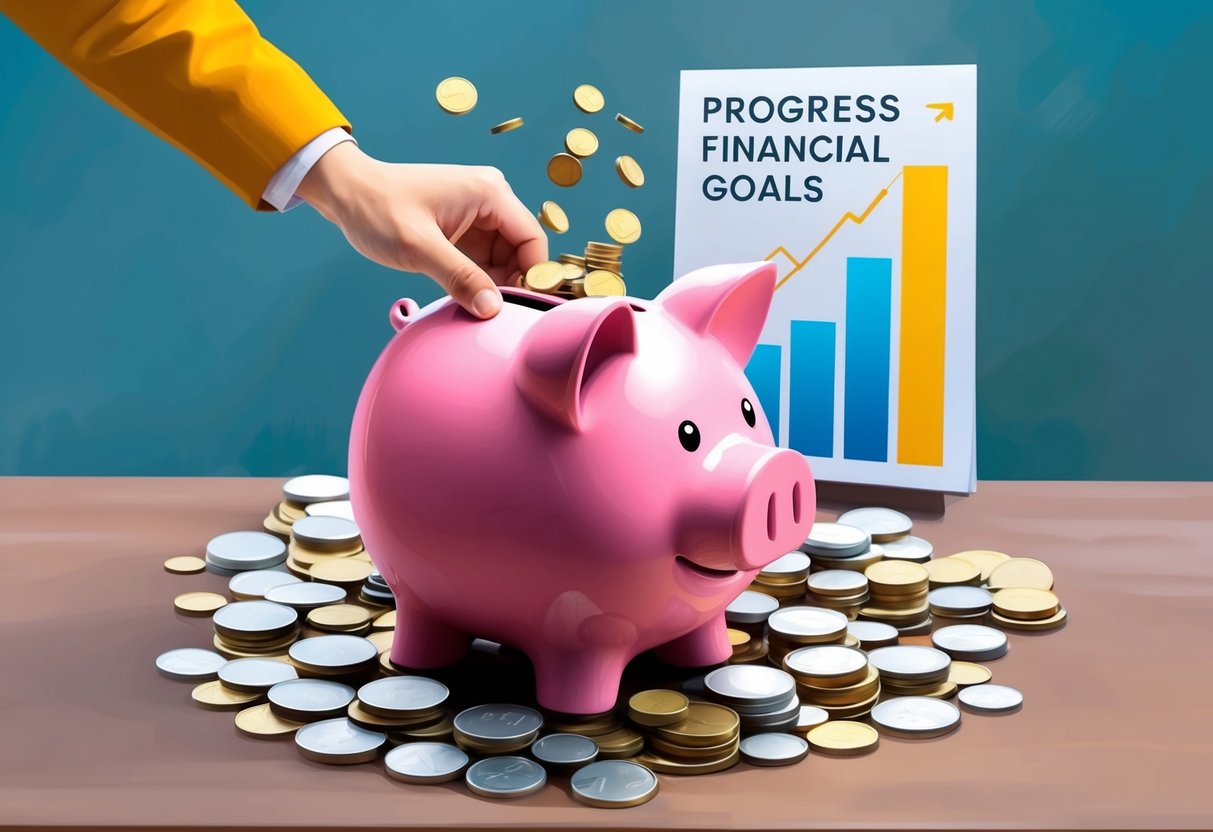 Setting and achieving financial milestones involves a thoughtful approach to identifying key goals and recognizing the positive momentum created by celebrating each achievement. By doing so, you reinforce good habits and build confidence in your financial journey.
Identifying Milestones in Your Financial Journey
How do you choose which milestones to focus on first? Start by evaluating both short-term and long-term financial goals. These could include paying off credit card debt, building an emergency fund, or planning for retirement. Breaking these goals down into smaller, manageable steps helps make the journey less overwhelming. Each step you successfully reach becomes a milestone, bringing you closer to larger financial ambitions. Think of these milestones as checkpoints in your financial roadmap. By identifying clear goals, you maintain focus and motivation. Whether you’re saving a specific amount each month or reducing a particular debt by a set percentage, having identifiable targets keeps the fire burning for financial success.
Celebrating Milestones as a Positive Feedback Loop
Why celebrate small wins? When you acknowledge even minor achievements, you create a positive feedback loop. This approach is vital because it reinforces discipline and commitment to your financial plan. Every time you achieve a milestone, like reaching a savings target, take a moment to celebrate. The psychological boost can enhance motivation and encourage continued progress. Celebrating doesn’t mean splurging. Instead, find affordable ways to reward yourself. Maybe enjoy a nice meal at home or take a day to unwind with a favorite activity. These celebrations remind you of progress made and boost the desire to keep advancing. They help foster financial resilience and ensure that you stay on the path towards reaching larger financial goals.
Tangible Outcomes of Celebrating Small Financial Wins
 Recognizing small financial wins can lead to significant changes in behavior, boost confidence, and even reduce debt. By focusing on these achievements, I can create momentum in managing money more effectively.
Boosting Self-Efficacy With Each Achievement
When I celebrate small financial wins, my self-efficacy, or belief in my ability to manage my finances, increases. Each time I hit a milestone, like saving a small amount monthly or sticking to a budget, my confidence grows. This strengthens my financial discipline, making larger goals feel more achievable. Over time, these accomplishments build a foundation of success and lead to more consistent financial habits. The celebration of these wins is more than just a pat on the back. It becomes a powerful motivator that encourages me to pursue even greater financial challenges. Who wouldn’t want to keep pushing when they see progress in real terms?
Impact on Personal Finance Habits
Acknowledging small wins isn’t just about feeling good; it’s about forming better financial habits. By rewarding myself for reaching small goals, like cutting monthly expenses or avoiding impulse buys, I reinforce positive financial behaviors. This method conditions me to resist unnecessary spending and prioritize savings, forging habits that align with my long-term objectives. This process transforms how I see saving and spending. Celebrating these wins instills a disciplined approach to money management, and I start seeing incremental changes that add up. It’s a strategy that complements larger financial plans, ensuring that I stay committed.
Reduction of Credit Card Debt Through Gradual Progress
Credit card debt can be overwhelming, but focusing on small achievements helps tackle it gradually. By targeting specific debt reduction goals, like paying off a particular amount each month, I create a manageable plan. Each payment is a win, empowering me to keep reducing my debt consistently. Linking these payments to celebratory milestones shifts my perspective on debt repayment. Instead of viewing it as an endless tunnel, each reduced balance turns into a triumph. This approach provides motivation and a clear path toward financial freedom. Adopting this mindset makes it easier to stay committed to my goals and see tangible progress over time.
Practical Tips for Recognizing and Celebrating Financial Achievements
 Embracing small wins in financial planning can boost motivation and build momentum. Creating a system to identify these wins and expressing gratitude through positive reinforcement are key strategies.
Creating a System to Identify and Celebrate Wins
How do you know when you’ve achieved something worth celebrating? I recommend having a framework that pinpoints specific, measurable goals. This could be tracking your savings rate or how well you stick to a budget. Use charts, checklists, or apps to make progress visible. A visual representation helps keep you focused and motivated. I find it helpful to set both short-term and long-term goals. Celebrate when you hit key milestones, such as saving your first $1,000 or paying off a debt. These are tangible achievements that deserve recognition. Incorporating regular reviews into your financial routine allows you to adjust goals and measure success regularly. Is there a better way to stay motivated than seeing your progress laid out clearly before you?
The Importance of Gratitude and Positive Reinforcement
Practicing gratitude isn’t just about feeling good; it strengthens your financial journey. Recognizing your achievements, no matter how small, builds a positive mindset and keeps you committed. Over time, the dopamine boost from celebrating small wins creates a habit of success. In my experience, rewarding yourself doesn’t always mean spending money. A simple acknowledgment or a pat on the back can be enough. Share your victories with loved ones; their support reinforces your achievements. Positive reinforcement helps you push through challenging times. When you express gratitude for what you have accomplished, you fuel your drive to keep going. Isn’t finding joy in progress one of the best parts of financial planning?
The Long-term Impact of Small Wins on Financial Well-Being
 Small wins aren’t just fleeting moments of joy. They can create a ripple effect, enhancing both financial stability and life satisfaction. Let’s explore how these victories contribute to overall happiness and financial security.
Enhancing Overall Well-being and Satisfaction
When I celebrate small financial wins, it leads to a boost in self-confidence and motivation. Why? Because achieving even modest goals, like paying off a credit card, feels rewarding. It provides a sense of accomplishment. This positive momentum can improve my overall well-being, making me feel more satisfied with my financial journey. Small victories also teach me resilience. They show that I can reach larger goals through consistent incremental steps. It’s about building good habits that bring lasting satisfaction and reduce financial stress. Each win reinforces my ability to influence my financial future positively.
The Connection Between Small Wins and Financial Security
Small wins are stepping stones to greater financial security. By focusing on achievable targets, like gradually increasing an emergency fund, I’m prepared for unexpected expenses. This preparation minimizes financial anxiety and provides a safety net for me and my family. Incremental achievements keep me on track toward long-term stability. Celebrating small victories, like sticking to a savings plan, reinforces good financial habits. This approach ensures I’m steadily moving towards security and can contribute to future goals, like funding a child’s education or enjoying a comfortable retirement.
Developing a Sustainable Mindset for Financial Growth
 Creating a sustainable mindset in financial planning involves fostering both personal and professional growth while building robust productivity and financial discipline. By focusing on consistent improvements, anyone can achieve financial stability and long-term success.
Encouraging Professional and Personal Growth
Do you dream of a future where you have both financial security and personal fulfillment? Balancing professional and personal development is essential for achieving this dream. Investing in yourself is one of the best investments you can make. Whether it’s taking a course to advance in your career or spending time on hobbies that bring joy, these pursuits can lead to substantial growth. Personal achievements not only enhance your self-esteem but also indirectly benefit your financial life by increasing your ability to earn and manage money efficiently. Consider setting specific goals that align with your values and aspirations. Be proactive—recognize that every skill you gain and every challenge you overcome make you more resilient and adaptable. Through strategic growth, a clear path toward financial independence unfolds.
Strengthening Productivity and Financial Discipline
How do you use your time and resources to achieve financial success? By honing productivity and financial discipline, you can ensure that every resource is used wisely. It’s important to develop habits that support productivity. Organize your tasks based on priority. Set clear, achievable objectives and break them down into smaller tasks. This approach prevents overwhelm and keeps you focused. On the financial front, discipline is key. Create a budget that reflects your goals and stick to it. Regularly monitor and adjust your investments to align with changing circumstances and objectives. By combining productivity with financial discipline, you can build a foundation that supports continued financial growth and security.