Making money from digital content can feel like a puzzle. How do you turn your creativity into a reliable source of passive income? I’ve come across various ways to do this effectively, particularly when it comes to managing taxes. Understanding the tax implications is crucial for anyone wanting to maximize earnings from digital content. This allows you to keep more of your hard-earned money while also providing financial peace of mind.  As digital platforms evolve, so do the opportunities for creators to earn money. Whether it’s through ebooks, online courses, or video tutorials, each avenue offers unique ways to monetize your skills. Yet, while the profits can be exciting, navigating tax responsibilities remains a key challenge. Here, I will guide you on how to handle these tax-related aspects with ease. Why get overwhelmed by complex tax rules when you can simplify the process? By effectively leveraging the right strategies, you can focus more on creating content and less on deciphering tax jargon. By planning wisely and staying informed, you can steer clear of common tax pitfalls and ensure that your passive income strategy supports your financial future.
Key Takeaways
- Passive income from content needs proper tax planning.
- Various digital platforms offer earning opportunities.
- Organized tax strategy enhances profit retention.
Understanding Passive Income
 Many people dream of gaining financial independence through passive income. This involves generating cash flow without the need to actively work for every dollar earned. In this section, I’ll cover what passive income really means and highlight some key benefits.
Defining Passive Income
What exactly is passive income? It’s income that flows in regular intervals with minimal effort. Think about rental properties or income from a business where you aren’t actively involved. This isn’t magic money, though. Setting up these income streams requires work upfront. For instance, creating and selling digital products like e-books or online courses can generate passive income after the initial content is created. According to the IRS, passive income could be net rental income or earnings from a business where you don’t materially participate. Building these streams takes time, but once established, they offer steady earnings and bring you closer to financial independence.
Benefits of Passive Income
Why focus on passive income? It can be a powerful tool for achieving your financial goals. Wouldn’t it be wonderful to have your money work for you? Passive income streams can enhance financial security, giving you peace of mind. Even with a full-time job, passive income can supplement your primary salary. This extra cash flow allows you to tackle expenses like your children’s education or save for retirement more aggressively. The real beauty is the potential for growth over time—it can lead you toward a life where work is optional. Exploring options like digital products ensures diverse income streams, providing stability in uncertain times.
Essentials of Digital Content Creation
 Creating digital content opens doors to new income streams. By focusing on quality and understanding your audience, you can effectively monetize your work. Consistency plays a crucial role in building trust and maintaining viewer interest.
Content Quality and Consistency
High-quality content is the backbone of successful digital creation. Imagine scrolling through endless information; what makes you stop? It’s the quality. By focusing on well-researched, engaging, and visually appealing content, I keep my audience coming back for more. That’s not all. Consistency in the content release schedule is essential. Whether it’s daily or weekly, maintaining a regular posting rhythm builds audience expectations and trust. Would you trust a TV show that frequently skips episodes? Similarly, staying consistent helps establish a reliable presence, ensuring my audience knows when to expect new content. Attention to detail, accurate information, and a polished presentation are non-negotiable for me. By focusing on these, I demonstrate professionalism, which helps solidify relationships with my audience.
Knowledge of Audience and Marketing Strategy
Understanding my audience is like having a treasure map. Who are they, and what do they value? By analyzing demographics and behaviors, I tailor content to meet their needs and interests. Do they want tutorials, inspiration, or humor? Once I know this, I develop a marketing strategy that resonates with them. Effective marketing isn’t about shouting into the void; it’s about speaking directly to those who care. Leveraging social media platforms where my audience is most active helps increase engagement. Using targeted advertising and collaborations with influencers in my niche is another powerful technique. By aligning my content with the right channels, I enhance visibility and can drive more traffic to my digital assets, ultimately increasing the chances of monetization.
Monetization Strategies for Digital Content
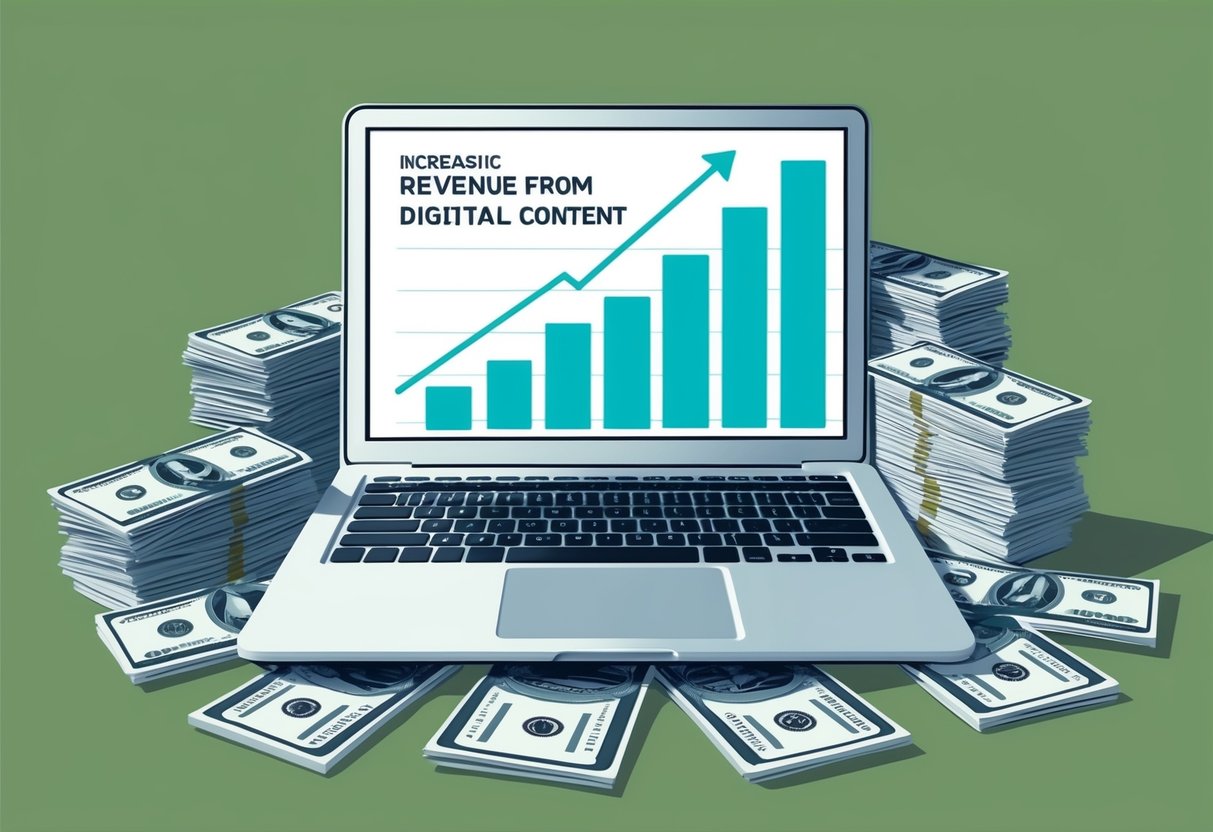 Digital content creation offers several pathways to generating passive income. By understanding and implementing effective strategies, you can turn your creative hobby into a reliable revenue stream. Let’s dive into the specifics of each method and how they can work for you.
Direct Sales of Digital Products and E-books
Have you ever considered selling your own digital products or e-books? They’re a fantastic way to capitalize on your unique knowledge. Digital products have low overhead and can be created once and sold infinitely. This might include printable planners, DIY guides, or exclusive e-books that dive into niche topics. E-books are especially appealing. They let you share your expertise in a structured manner. Many people are looking for insightful content, and what better way to reach them than with a book? With platforms like Amazon Kindle Direct Publishing, getting your e-book online is easier than ever. It allows you to reach a wide audience while maintaining a significant share of the sales.
Advertising and Sponsored Content
Have you noticed ads popping up on your favorite sites or blogs? Advertising, when done right, can be a lucrative monetization strategy. By offering ad space on your website or blog, you turn your traffic into income. Google AdSense is a popular choice; it places relevant ads on your site and pays you based on clicks or views. Sponsored content is another angle. Brands pay you to write posts that highlight their products or services. This requires balancing informative content with promotional materials, ensuring it aligns with your audience’s interests. Successful sponsored content seamlessly integrates into your blog, providing value while generating income.
Affiliate Marketing and Revenue Streams
Have you thought about endorsing products or services you believe in? Affiliate marketing offers a way to earn commissions by promoting these products through your content. When readers click on your links and make a purchase, you get a cut. This requires you to build trust with your audience, as your recommendations influence their buying decisions. The beauty of this strategy is that it opens up multiple revenue streams. By partnering with various companies, you can diversify your income sources. Websites like ClickBank or Amazon Affiliates provide platforms to get started, offering countless products that align with your content.
Creating and Selling Online Courses
Imagine teaching others what you know best. Creating online courses allows you to package your expertise into comprehensive lessons. Whether it’s a skill like photography or the secrets of financial success, there’s a market for almost everything. Courses can be hosted on platforms like Teachable or Udemy, which handle the technical aspects for you. This approach not only generates income but also positions you as an authority in your field. A well-designed course can attract a broad audience, from beginners to seasoned enthusiasts looking to hone their skills. By offering both free and paid courses, you can build trust and expand your reach while maintaining a steady income flow.
Leveraging Platforms and Apps
 Finding the right platforms and apps is crucial for turning digital content into passive income. By using tools like Etsy and email marketing platforms, you can efficiently reach your audience and maximize your earnings from digital products.
Etsy and Digital Marketplaces
Etsy is a game-changer for digital content creators looking to sell products like printables, art, or e-books. By leveraging Etsy’s vast customer base, I can reach potential buyers without the need for an elaborate marketing strategy. Setting up a shop is straightforward, and Etsy’s search features help my products get discovered. On platforms like Etsy, it’s important to craft compelling product descriptions and use high-quality images. These elements attract more buyers and increase conversion rates. Additionally, using keywords wisely in titles and tags helps my products appear in search results. Keeping an eye on customer feedback and regularly updating offerings can also improve my store’s performance.
Email Marketing Platforms
Email marketing platforms are powerful for maintaining direct communication with my audience. Services like Mailchimp or ConvertKit allow me to create and manage targeted email lists based on customer preferences and behavior. Through personalized newsletters, I can promote new digital content, offer exclusive deals, and keep my audience engaged. Automated email sequences can nurture relationships and drive sales without constant manual intervention. They also provide valuable analytics on open rates and click-through rates, helping me refine my strategies over time. A well-crafted email marketing campaign not only boosts sales but also enhances customer loyalty, making it a must-have in my digital content monetization toolkit.
Tax Implications for Online Creators
 Navigating the tax landscape for online creators can feel like standing in the middle of a financial jungle without a map. The IRS has its eyes on digital income, and knowing how to report it can keep you out of trouble. Let’s explore what it means to manage taxes as a digital entrepreneur.
Navigating IRS Guidelines
When it comes to taxes, the IRS treats income from online content just like any other income source. This means all earnings must be reported, including those from brand sponsorships and ads. Missing this step can lead to complications you don’t want to deal with. So, how are you supposed to keep everything straight? Staying informed is crucial. Be aware of your tax obligations, like self-employment taxes, which are often overlooked. Useful tools like bookkeeping software can help track expenses right from the start. If it’s beginning to sound overwhelming, you’re not alone. Most of us need guidance at some point, whether through resources or professionals.
Understanding Schedule C
Ever wondered how to report income accurately? Here’s where Schedule C comes in. This form is vital for anyone earning income outside a typical employer and it helps determine your net earnings after expenses. It’s pretty straightforward once you know what categories to fill. Keeping records of all business-related transactions makes this process less daunting. Even common expenses—software subscriptions, internet charges, and office supplies—can add up to significant deductions. Completing Schedule C correctly plays a role in how much money ends up in your pocket at the end of the day.
Tax Advantages for Digital Entrepreneurs
Being a digital entrepreneur isn’t all about paying taxes; it’s also about finding potential savings. For instance, have you heard about the benefits of structuring your business as an LLC? It can create opportunities to save on self-employment taxes, which is especially advantageous for those earning a substantial amount. Another perk includes potential write-offs for your home office if it’s your primary place of business. This can significantly reduce taxable income if correctly accounted for. Seeking advice from a tax expert can point you in the right direction, ensuring you’re not leaving money on the table. Not taking advantage is like leaving a tip for the taxman—one you didn’t have to give.
Financial Strategy and Investment
 When considering financial strategies for monetizing digital content, diversifying income through wise investments is essential. This includes exploring avenues like real estate and dividend-paying stocks, which can provide both stability and growth.
Diversifying Income through Investments
I often think about how crucial it is to not put all my eggs in one basket. Diversifying income streams can safeguard financial stability, especially when tapping into different investment types. This means spreading investments across dividend-paying stocks, real estate, and rental income, ensuring that if one market dips, another might still thrive. Investing in a range of sectors and asset classes helps balance the risks and rewards. This approach not only smooths out life’s financial bumps but also offers the potential for different types of returns. With digital content, this same principle applies. Having multiple income-generating assets working simultaneously is a fundamental step in building a robust financial strategy.
Real Estate and Rental Income
I see real estate as a powerful component of financial growth. Owning property can provide a steady stream of rental income while potentially appreciating in value over time. This dual benefit is what makes real estate an attractive option for those looking to expand their investment portfolio beyond digital ventures. Navigating the real estate market, whether it’s residential or commercial, requires attention to local trends and housing demands. Careful selection of property and effective property management can maximize returns. Renting out properties, be it short-term through platforms like Airbnb or long-term leasing, provides additional revenue streams that complement digital income efforts.
Dividend-Paying Stocks and Stock Investments
Isn’t it interesting how investing in the stock market can sometimes feel like riding a roller coaster? The thrill is part of the appeal, yet the real advantage lies in the potential for stable earnings from dividend-paying stocks. These stocks pay shareholders a portion of the company’s profits, providing a regular income stream while the stock appreciates. I always prioritize researching thoroughly before diving into stock investments. Understanding market trends and company performance is key. For long-term growth, focusing on established companies with a history of consistent dividends can provide a balance of risk and reward. This way, part of your income is reinvested, while another part supports your current lifestyle, aligning perfectly with digital monetization goals.
Best Practices for Maximizing Profits
 To truly maximize profits from your digital content, focus on setting effective pricing and utilizing data to guide your decisions. These strategies not only enhance income but also make your online ventures more resilient.
Optimizing Pricing Strategies
When it comes to pricing strategies, it’s crucial to explore various avenues. One effective method is to experiment with tiered pricing models. Offering basic and premium versions of your digital products allows your audience to choose an option that suits their budget and needs. Have you considered the potential of dynamic pricing? This approach adjusts prices based on demand and timing, which can significantly optimize profits. Keep your overhead low by using online platforms for sales transactions and delivery, reducing the need for low-yield expenses like physical storage or shipping. Another key tip is to regularly review your pricing against competitors. Are you offering adequate value compared to others in your market? A well-calculated price often strikes a balance between what you offer and what customers are willing to pay, leading to increased sales and repeat business.
Analytics and Performance Tracking
Data is your best ally; it’s not just about numbers but insights. Tools like Google Analytics offer a wealth of information on how users interact with your content. Knowing where your traffic comes from and which content gets the most engagement can shape future strategies. How often do you analyze your performance metrics? Regularly assessing conversion rates and sales figures identifies patterns and areas needing improvement. Make it a habit to track audience behavior. Understand what types of content your audience prefers and tailor your future offerings accordingly. This minimizes risks and maximizes potential by aligning your efforts with what resonates best with your audience. Remember, data is more than just feedback; it’s a guide to smarter business decisions and profitability.