
Ever wonder if your hard work and savings are really enough? I’ve been there. Like you, I wanted more control over my financial future.
Real estate investing in Warwick, RI, opens doors to wealth-building that go beyond the usual strategies. Imagine creating a second income stream that doesn’t vanish every time the stock market hiccups.
Warwick’s steady demand for homes and rentals makes it a smart spot to start or expand your investments. You’ll find options for every budget and risk tolerance, from single-family homes to multi-unit properties.
With the median property sale price in Warwick hovering around $449,900, the market feels both accessible and promising for investors ready to take the next step.
Key Takeaways
- Warwick real estate offers diverse investment property types
- Key neighborhoods and financing options shape investor success
- Preparing for risks and smart management boosts long-term gains
Overview of Real Estate Investing in Warwick RI
I’ve found Warwick, RI, offers a mix of solid property values and steady rental demand. If you’re tired of the stock market roller coaster, real estate here can bring some much-needed peace of mind.
Key Advantages of Investing in Warwick
So, why choose Warwick over more traditional investments? For starters, the median single-family home price—about $425,000 to $449,900—offers a realistic entry point for investors who don’t want to break the bank.
Warwick stands out from pricier coastal spots in the Northeast. Rental demand stays high thanks to job growth in healthcare, education, and retail.
Families look for stability and good schools, which helps keep vacancy rates low. With steady appreciation and growing interest from local and out-of-state buyers, properties tend to hold their value.
Owning in Warwick means you’re building equity instead of just hoping the market works out.
Quick Facts about Warwick Real Estate:
Stat
Value
Median Home Price
$425,000–$449,900
Vacancy Rate
Low
Rental Demand
High
Appreciation Trend
Upward
Local Property Market Trends
Markets come and go, but Warwick’s stayed competitive and shown consistent growth over the past few years. Properties often get multiple offers, even as the national market cools.
You’ll see price appreciation in neighborhoods near the water or top-rated schools. Many buyers are relocating from more expensive markets, drawn by Warwick’s affordability and quality of life.
Even as home prices rise, I still see reasonable cash flow potential for both single-family and small multi-family properties. For investors like me, that signals stability and less risk of sudden value drops.
I keep an eye on median sale prices—around $425,000 for single-family homes according to recent guides. Watching local growth, especially in rental demand, helps me spot real opportunities.
Types of Properties in Warwick RI
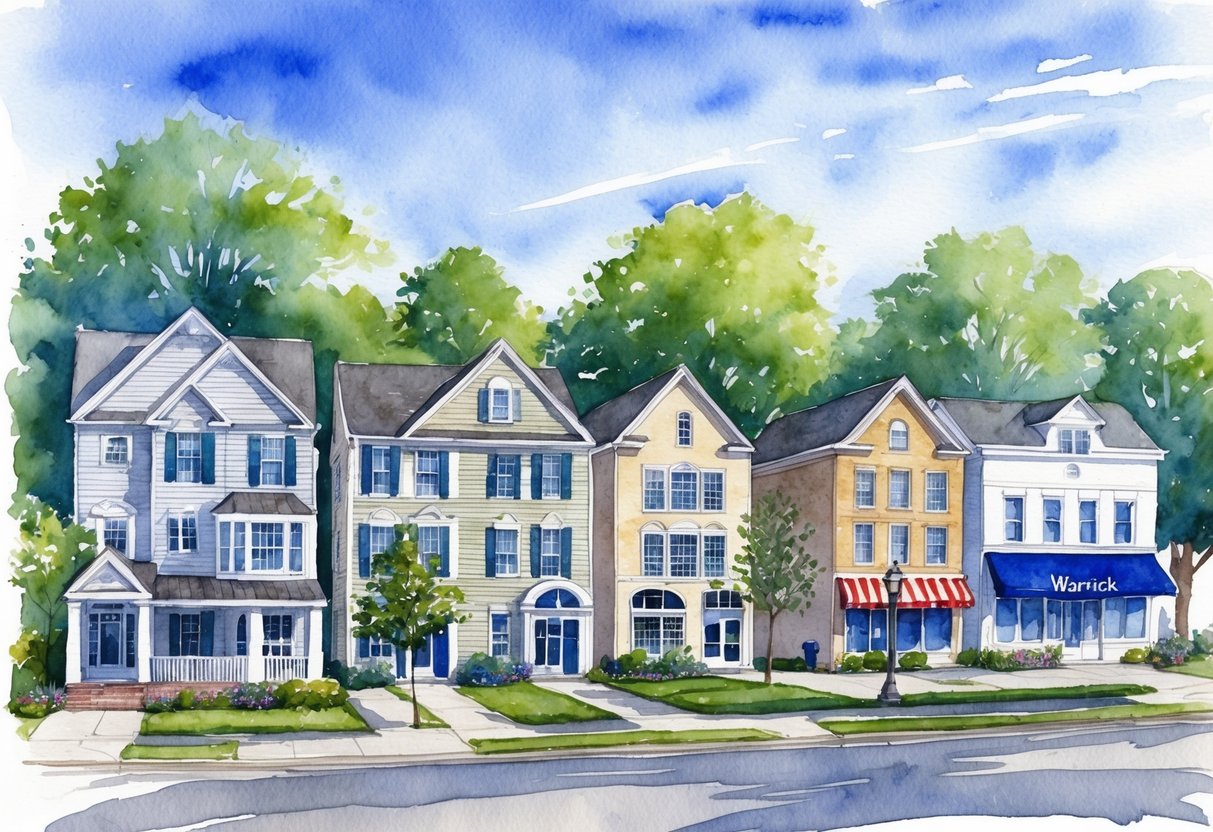
There’s more than one way to reach financial freedom. I focus on the main types of real estate in Warwick that can diversify a portfolio, generate income, and build long-term value.
Each property type has its own opportunities and risks, so I get to decide where I fit best.
Single-Family Homes
Single-family homes are the backbone for many Warwick investors. I see these as stable and versatile.
They appeal to families who want a yard, privacy, and their own driveway. These homes often attract long-term tenants, which reduces turnover and vacancy headaches.
With the median property sale price near $449,900, this option usually costs less than some multi-unit investments.
Maintenance is simpler. I deal with fewer people and issues.
When it’s time to sell, single-family homes can move quickly because demand stays strong from both investors and homebuyers.
Multi-Family Properties
Multi-family properties include duplexes, three-family homes, and small apartment buildings. These offer more income streams under one roof.
If one unit sits empty, the others can cover expenses. That’s a relief.
Tenants in Warwick range from young professionals to small families. Multi-family homes typically require a bigger upfront outlay, but they let me scale income faster than with a single rental.
Managing them is a bigger responsibility. I can hire a property manager or even live in one unit myself.
Cash flow and appreciation can add up fast in the right neighborhood. You can check out Warwick investment properties for current options.
Commercial Real Estate
Commercial real estate in Warwick covers office buildings, retail centers, and mixed-use developments. Returns can be higher—so can risks.
Leases with businesses usually last longer than residential ones, which smooths my income over time. Many commercial tenants cover some property expenses, like taxes and maintenance, so that’s less hassle for me.
But I have to do my homework, since vacancies can drag on if a space doesn’t fit the market. Zoning rules matter a lot here.
Options range from small storefronts to stand-alone office buildings. Commercial properties can hedge against inflation, but honestly, it’s not for everyone.
Vacation and Waterfront Properties
Vacation and waterfront properties bring a unique twist to Warwick. These homes can serve as short-term rentals or personal retreats.
Demand jumps in warmer months, and Rhode Island’s coastline draws plenty of interest. Managing short-term rentals takes effort—are you ready for frequent guest changeovers and marketing?
With the right location, the cash flow can be worth it. These properties attract both local and out-of-state buyers, so resale value often grows faster than typical homes.
If you care about quality of life and investment potential, vacation and waterfront real estate in Warwick deserves a close look.
Best Neighborhoods for Investors
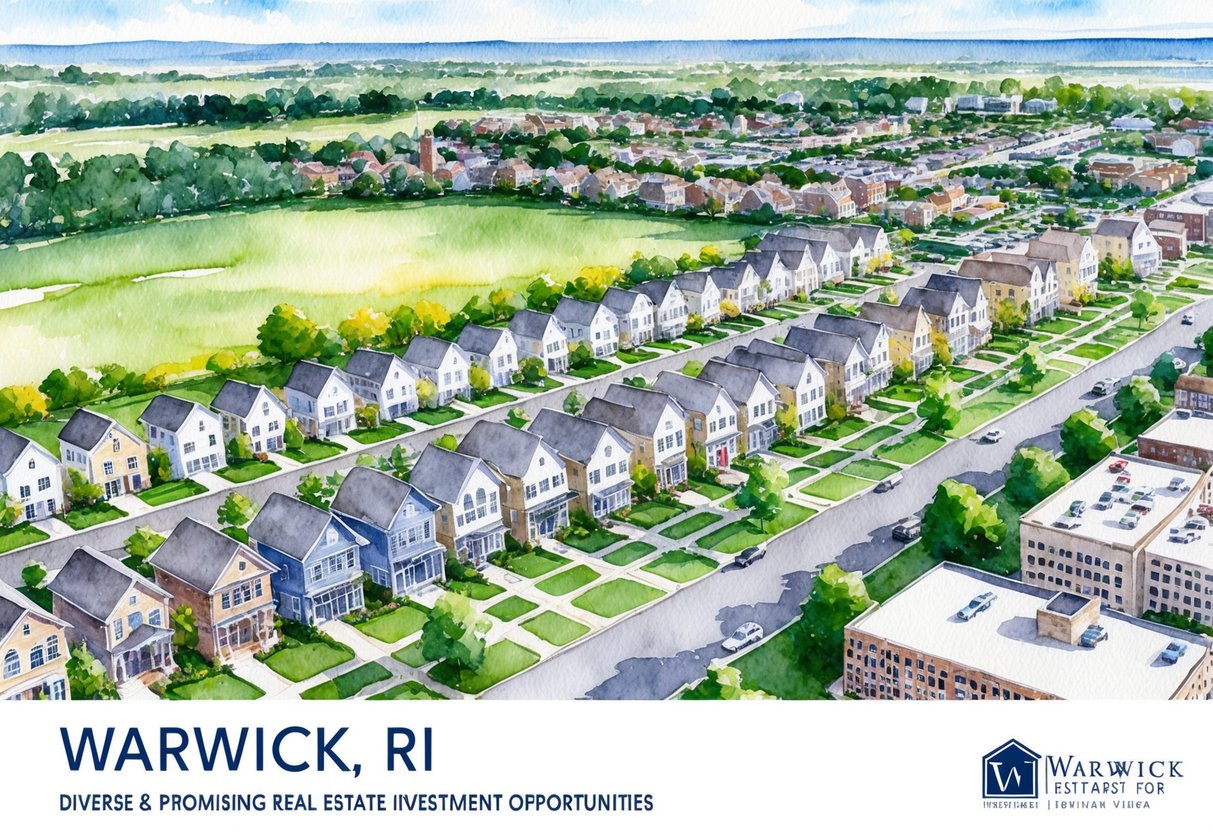
Warwick’s neighborhoods each have their own perks for investors chasing cash flow and long-term growth. By focusing on location, property types, and local demand, I can figure out which areas have the highest potential.
Downtown Warwick
Downtown Warwick has seen steady growth, especially as more people look for affordable options near Providence without giving up amenities. I’ve noticed strong rental demand thanks to easy access to T.F. Green Airport, commuter rail, and major highways.
The housing stock is a mix of older multifamily properties and smaller single-family homes, so there’s a little something for everyone.
Downtown appeals to tenants who want walkability, convenience, and lower costs than bigger coastal cities. Property values here tend to be moderate, so entry costs are lower for investors who want a manageable commitment.
Limited inventory and revitalization plans attract both young professionals and retirees looking for accessible lifestyles. Parking and public transport add extra appeal.
Redevelopment efforts have started to boost property values even more. Cash flow on multifamily properties can be strong because rents are competitive and occupancy rates stay high.
Apponaug
Apponaug, with its historical charm, sits at the crossroads of Route 117, Route 1, and Post Road. That’s a big plus for property investments—residents value being close to major commuting routes and Warwick’s business district.
The city recently upgraded the “Apponaug Circulator,” which improved traffic flow and made the area more attractive to renters and buyers. This development is fueling a surge in small businesses, shops, and restaurants, adding energy and supporting property appreciation.
Properties here range from classic New England colonials and Capes to multi-unit and mixed-use buildings. Investors interested in both residential and light commercial real estate find options that fit different goals.
Low vacancy rates and ongoing improvements suggest the returns are solid over time. I like Apponaug’s mix of old character and new convenience.
Potowomut and Cowesett
Potowomut and Cowesett attract investors looking for higher-end properties and stable, long-term tenants. These neighborhoods have bigger single-family homes with well-kept yards and a reputation for quiet streets, top-rated schools, and water access.
Many homes are within walking distance of parks, golf courses, and coves, which keeps demand high. Rental income here may be higher, reflecting the size and prestige of the homes.
I focus on these areas if I’m after long-term tenants—often professionals, established families, or retirees who want peace and privacy.
Entry prices are higher than in other Warwick neighborhoods, but the tradeoff is the potential for premium rents and steady appreciation. The community’s stability—low turnover and tight-knit neighborhoods—supports lasting value.
For investors focused on appreciation and high-quality tenants, Potowomut and Cowesett are among the best bets in Warwick real estate investing.
Financing Real Estate Investments in Warwick RI

Finding the right financing can make or break a real estate deal in Warwick. I know how important it is to look past conventional thinking and explore all the options for funding your investment.
Conventional Loans
When I started investing, conventional loans felt like familiar territory. Most investors in Warwick still use them to buy rentals or flip properties.
These loans require solid credit and a 20% down payment, sometimes more. The bank wants to see not just good credit, but also enough cash reserves.
Rates are usually lower than other types of loans, so conventional financing works well for buyers with steady income and solid paperwork. But strict underwriting can slow things down.
Need a quick close? This approach might not be the fastest.
I’ve noticed conventional lenders cap the number of financed properties, so if you’re planning to build a big portfolio, this can trip you up. Still, for buying your first or second investment property in Warwick, it’s a practical starting point.
Local Lenders and Mortgage Brokers
Sometimes, the best deals happen close to home. Warwick has plenty of local lenders, credit unions, and mortgage brokers who really get the quirks of our real estate market.
When I talk to them, I get advice tailored to Rhode Island—not just some generic national stats. There are also specialty lenders focused on buy-and-hold rentals and fix-and-flip projects.
A good local lender might offer flexible loan terms and down payments. They can often process loans faster than the big banks.
Some, like LendingOne, even offer rates as low as 4.99% for buy-and-hold rental loans. I always recommend comparing terms, fees, and the level of customer service from these lenders.
It’s not just about the money—it’s about building relationships that might last through several deals.
Government Assistance Programs
If you think government programs are just for first-time buyers, think again. Warwick has programs for investors and homeowners looking to improve affordable properties.
The city runs a Home Improvement Loan Program that helps rental unit owners make repairs or upgrades at better rates. On the federal side, FHA, VA, and USDA loans work well if you want to live in one of your units.
These loans usually mean lower down payments and more relaxed credit standards. I’ve seen smart investors combine these with local grants or incentives to get the most out of every dollar.
Here’s a quick side-by-side comparison:
Loan Type
Down Payment
Approval Speed
Key Benefit
Major Hurdle
Conventional Loan
20%+
Slow
Lower Rates
Strict Guidelines
Local Lender/Broker
10-25%
Faster
Flexible Terms
Varies by Lender
Govt. Assistance
0-3.5%
Moderate
Low Down Payment
Occupant Requirement
Legal Considerations for Investors

Saving for years and following the usual advice can feel like treading water. I’ve learned that making better decisions starts with understanding the rules.
In real estate, the law isn’t just paperwork—it’s the difference between headaches and passive income.
Zoning Laws and Regulations
When I check out a property in Warwick, I dive into the local zoning laws. Zoning tells me what I’m actually allowed to do with the land.
Can I build a duplex? Add an accessory dwelling unit? Run a short-term rental? Each answer can shift my cash flow, and even my exit strategy.
The city enforces strict rules on use, density, and renovations. If I ignore those, I might face fines or, worst case, a tear-down order.
I always check with Warwick’s Planning Department instead of taking the seller’s word. It’s easy to miss out on extra income if you overlook zoning updates or possible variances.
Knowing what’s allowed on a property lets me spot value others miss. If I want to rezone or get a special permit, I have to prepare for paperwork and public hearings.
Zoning isn’t just a dry topic—it’s the gatekeeper to making a profit.
Tenant Rights and Landlord Obligations
Investing doesn’t mean you’re hands-off from day one. Warwick, like the rest of Rhode Island, enforces strict tenant protections.
I can’t just raise rent, evict, or enter a unit without following exact legal steps. The Rhode Island Residential Landlord and Tenant Act spells out everyone’s rights and duties.
Security deposits come with limits and must be returned promptly with an itemized list. If I need to renovate or sell, giving proper notice is critical.
I’ve seen investors lose thousands in lawsuits simply because they skipped required repairs, smoke alarm checks, or didn’t keep up with documentation. Every rental has to meet health and safety codes.
Ignoring these basics risks more than fines—it could mean losing your license or being shut out of future business. Respecting tenant rights isn’t just the law; it’s smart for protecting your investment.
Property Management Strategies

Managing properties in Warwick, RI, takes a focused plan. The right balance between hiring help and doing it yourself can totally change your results—and your free time.
Fine-tuning each step really matters if you want your real estate portfolio to mean real cash flow, not just headaches.
Hiring Local Property Managers
When I want more freedom, I look for a reputable local property management company. Warwick has several good options that handle everything from tenant screening and rent collection to maintenance and legal compliance.
By working with a trusted local firm like Lyon Property Group, I save time and stress. Experienced managers know Warwick’s rental market, so they’re better at setting competitive rents, filling vacancies, and handling emergencies.
I always check for perks like 24/7 maintenance and online portals for both owners and tenants. Reading reviews, asking about fees up front, and clarifying responsibilities are musts.
Clear communication and detailed monthly statements matter—no one likes surprises or unanswered questions.
DIY Property Management Tips
Sometimes, I’d rather stay hands-on to boost profits and keep control. For Warwick properties, I stick to the basics:
- Tenant Screening: Careful interviews, background, and credit checks save headaches later.
- Maintenance: Staying on top of repairs keeps tenants happy and avoids big expenses.
- Rent Collection: I use digital systems to make payments easy and send reminders automatically.
I track expenses and income in a spreadsheet or property management app. Building relationships with good local contractors saves me time and money when things break.
Managing my own properties takes effort, but it gives me a clear view into every dollar. It’s about control, and honestly, the learning curve pays off as my portfolio grows.
Market Risks and Opportunities in Warwick RI

Real estate in Warwick offers solid growth and unique challenges. Home prices have been rising, but local factors shape risk and reward.
Economic Development Impact
The steady job market in Warwick stands out. The city’s close to Providence and major highways, making it a commuter hub.
Shopping centers, the airport, and manufacturing jobs all create demand for homes and rentals. The local economy has weathered national downturns better than some places, but it’s not immune to risk.
Corporate layoffs in nearby cities can still ripple into Warwick’s housing market. Still, with median sale prices up 8.9% year-over-year, holding or buying often seems smarter than selling out of fear.
Many times, I’ve found that having a mix of economic drivers cushions real estate values. Here’s a quick breakdown:
Economic Driver
Impact on Housing
Transportation hub
Higher rental demand
Retail growth
Employment stability
Airport proximity
Strong short-term rental
It’s smart to keep an eye on local government budgets and business development plans. When the city invests in infrastructure, values usually follow.
But if projects stall? That can put real pressure on prices.
Seasonal and Waterfront Demand Factors
The waterfront is one of Warwick’s big draws. But that means demand for rentals and sales near the water spikes in spring and summer.
How does that play out for investors? Higher asking prices for coastal properties usually mean higher maintenance, too.
Flood insurance is a must, and storms some years bring surprise repairs. When I consider seasonal opportunities, I look for properties that can rent short-term in the warmer months.
Summer tenants often pay more in neighborhoods with water access. Still, winter vacancy rates creep up, and off-season rents drop.
Knowing the average number of rental days per year matters more than chasing one hot summer. Waterfront neighborhoods attract buyers later in their careers, often looking to upgrade their lifestyle.
If I’m aiming for long-term appreciation, focusing on these areas makes sense—but only if I’m ready for seasonal ups and downs. For more market data, I check sites with recent Warwick real estate trends.
Exit Strategies for Investors
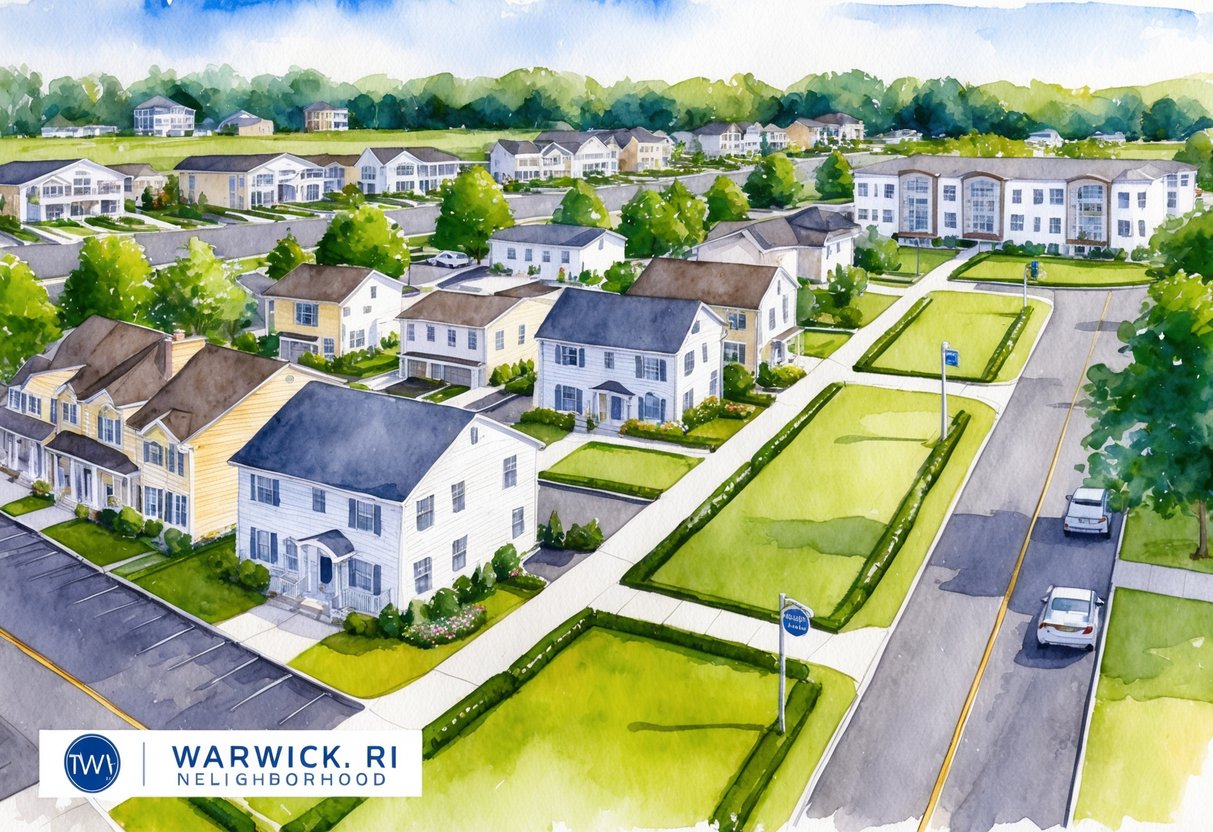
Knowing how to exit is as important as knowing how to enter a real estate deal. I focus on systems that turn properties into real profit—not just paper gains.
Selling Properties
When I decide it’s time to move on from a Warwick property, selling is usually my first thought. Timing really matters.
Some homes spend just 30 days on the market, and properties in good shape often sell even faster. If I underprice a home, it might sell quickly but leave money on the table.
I always check recent neighborhood sales and keep my place well maintained for the best return. Sometimes, I’ll sell directly to another investor for speed, even if it means taking a lower offer.
This approach works best if I want less hassle and a faster closing. For more sales trends, you can check the Warwick housing market.
1031 Exchanges
A 1031 exchange lets me defer capital gains taxes if I reinvest the proceeds from selling one investment property into another like-kind property. It’s really about keeping more of my money working for me instead of just handing it over to the IRS.
To qualify, I’ve got to stick to some strict rules. I need to identify the new property within 45 days and close the deal within 180 days.
This strategy helps me trade up into more valuable assets or even spread out my portfolio, all without a massive tax bill. If I’m being honest, unlocking equity through a 1031 exchange feels like a smart way to keep my cash flow moving in the right direction.
You can dig into the nitty-gritty details at real estate investment exit strategies.