
Ever wonder if there’s a smarter way to build wealth, beyond watching the stock market crawl? I’ve looked at the numbers, and real estate investing in Ogden, Utah offers both affordability and opportunity for people looking to take control of their financial future.
Homes here are less pricey than nearby markets, and the area’s rental rules make it investor-friendly for those who want cash flow and stability.

With Ogden’s reputation as a livable city, I see more families and working professionals choosing to call it home. That means rental demand and property values could keep growing.
If you feel stuck with traditional investing and want something more tangible, isn’t it time to see what Ogden real estate can really do for you?
Key Takeaways
- Ogden’s market offers accessible entry and solid investment potential.
- Understanding local rules and property types is key to making smart choices.
- Working with experienced partners helps navigate risks and find value.
Understanding Real Estate Investing in Ogden, Utah
Real estate investing in Ogden, Utah stands out for people who want more control over their financial future. I see solid reasons why this market is on the radar for those tired of old investment strategies.
Overview of Ogden’s Real Estate Market
Ogden is a city many investors have started to watch. Over the past few years, property values in Ogden have been growing at a fast pace.
This has raised interest from people looking for steady returns. The city has both short-term and long-term rental opportunities.
The rental market is supported by strong local job growth and a steady demand for housing. Vacancy rates often remain low compared to other Utah markets.
Ogden’s downtown has new restaurants, shops, and amenities. This makes the city more attractive and helps boost property values.
According to recent studies, Ogden also has a younger population, which keeps rental demand healthy. Take a look at local occupancy rates and average rental yields—that’s where I always start.
Even small single-family homes and duplexes offer returns that match or beat bigger Utah markets.
Key Factors Attracting Investors
So, what draws investors like myself to Ogden? First, the initial investment required is lower than in areas like Park City or Salt Lake City.
That means I can get my money working without overextending myself. Ogden is known for its strong local economy.
There’s a growing tech sector, and many people are moving in for work and convenience. The city’s public transit and access to recreation mean it attracts both renters and buyers.
Key factors driving my decisions include:
- Affordable property prices
- Rising rental demand
- Job growth in tech, healthcare, and education
- Amenities like hiking trails, new restaurants, and art events
Mortgage rates, property taxes, and insurance are also factors. In Ogden, these tend to favor landlords, making the numbers easier to justify.
Want cash flow instead of speculation? Ogden’s mix of new construction and updated older homes gives plenty of options for steady income.
Comparing Ogden to Salt Lake City
Salt Lake City is often the first place people look at in Utah real estate. But is it always the best?
Property prices there have climbed much faster, and the barrier to entry is getting high. In comparison, Ogden still offers value.
Rental yields in Ogden can be higher, since purchase prices are lower yet rents remain strong. The distance from Salt Lake isn’t a problem, since many people commute or work remotely.
I see investors using 1031 exchanges to move capital from Salt Lake’s pricier market to Ogden, where their money stretches further. Ogden also has less competition from large institutional investors.
The pace of gentrification is moderate, so there’s still time for new investors to get in before the market gets squeezed. If you feel priced out of Salt Lake City real estate, Ogden makes a logical next step.
Even simple duplexes or small multifamily units here can give you steady cash flow and future appreciation.
Types of Real Estate Investments in Ogden

Different investment types can unlock new opportunities. Depending on my goals, I can choose from proven approaches that build steady cash flow, long-term appreciation, or both.
Residential Properties
Residential properties in Ogden come in many forms. Single-family homes, townhouses, and condos are most common.
These properties can be rented out to families or individuals for consistent monthly income. I often see steady demand in neighborhoods like Marriott, Evona, and along Harrison Boulevard, as these areas attract renters looking for quiet streets and good schools.
Investing in residential real estate means I’m buying something tangible. I can manage the property myself or hire a local property manager for ease.
When properties are well-maintained, they tend to increase in value over time, and I can take advantage of tax benefits like mortgage interest deductions. The competition for homes is strong, but the rental demand in Ogden stays high.
Many investors focus on buying, holding, and renting, seeing these properties as both a source of income and a hedge against inflation. More details about attractive neighborhoods are available at best areas to invest in Ogden.
Commercial Real Estate Opportunities
Commercial real estate in Ogden includes office buildings, retail space, and industrial properties. Unlike residential properties, these investments usually involve leasing to businesses instead of families or individuals.
Leases tend to be longer, giving more predictable income streams. I have to look beyond basic numbers and analyze a property’s location, foot traffic, and local business growth.
Commercial investments can deliver higher returns. However, vacant office space or a slow retail sector can mean longer periods without tenants.
These deals often require more upfront research and a higher initial investment. For those willing to put in the work, commercial real estate can turn into a powerful tool for multiplying wealth, especially if I can spot an up-and-coming business area or revitalize older buildings.
Multi-Family Units
Multi-family buildings, such as duplexes and apartment complexes, combine the benefits of owning multiple units under one roof. Renting to several tenants spreads out my risk and lets me maintain cash flow—even if one unit becomes vacant.
These properties are popular with both new and seasoned investors in Ogden. I notice that medium-sized complexes remain in high demand as more people search for affordable options close to Ogden’s downtown and schools.
Managing several units can be work, but property management companies often step in to handle daily tasks. Multi-family real estate offers economies of scale.
Expenses such as maintenance and repairs can be shared across all units. Investors often target these properties with long-term appreciation and building a sizable passive income in mind.
Examples of investment firms specializing in these assets can be found at Ogden real estate investment companies.
Getting Started with Real Estate Investing
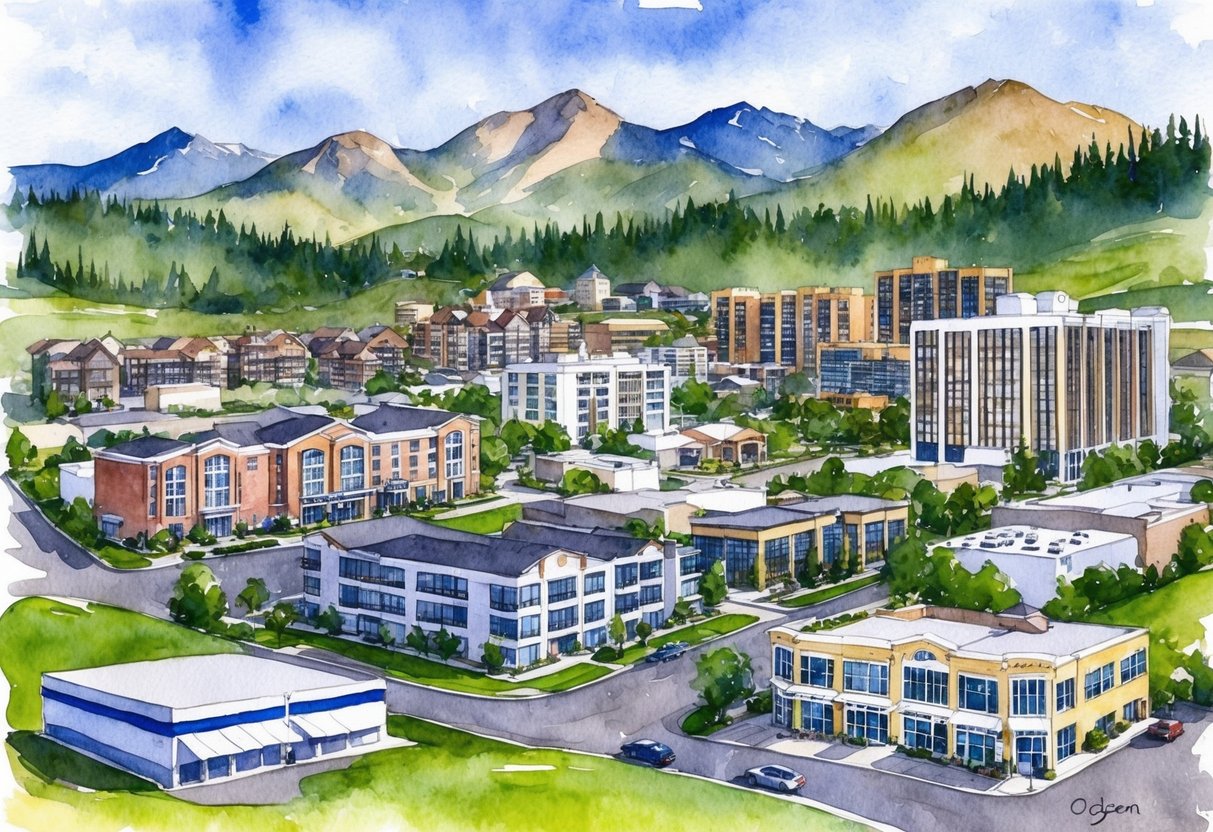
Finding real estate success in Ogden means knowing where to look and how to fund your next big move. Every decision I make is shaped by the strength of the local Utah real estate market and my ability to pick a property that produces real cash flow—not empty promises.
Researching Neighborhoods and Property Values
Why do some properties in Ogden get snapped up fast while others sit for months? It almost always comes down to location and price.
I start by digging deep into neighborhood trends. I look for areas with rising home values and growing demand for rentals.
Ogden is known for offering more affordable homes compared to places like Salt Lake City, letting me stretch each dollar further. I use tools from local real estate services to check recent sale prices, rental rates, and potential appreciation.
Is a neighborhood close to schools, jobs, or public transportation? I make a habit of walking the area at different times of day.
I talk to residents and property managers. That’s how I pick up on trends and spot risks before anyone else.
For more insights into the best places to buy, I check out guides on Ogden neighborhoods.
Financing Options for Investors
Cash is king, but it’s not the only way I buy property. The real question is, how do I make other people’s money work for me?
I compare bank loans, credit unions, private lenders, and special rental property loans focused on Utah real estate. I’m always looking for the best interest rates, lowest fees, and flexible repayment options.
Many investors like me work with lenders who specialize in investment loans, since these often come with features like interest-only periods or higher loan-to-value ratios. I also consider partnerships or using my home’s equity for a down payment.
If you’re new to rental loans, there are detailed options for Utah investors on rental loan programs. Getting pre-approved not only speeds up the buying process but gives me a serious advantage when negotiating with sellers.
Legal and Regulatory Considerations

Investing in Ogden real estate requires attention to local rules and laws. Every move I make, from buying rental property to managing tenants, is shaped by official guidelines and expectations.
Getting these details right is not optional—it protects my money and leads to fewer headaches down the road.
Local Zoning Laws and Permits
Before I buy property in Ogden, one of my first steps is to study the city’s zoning laws. Zoning tells me what I can and cannot do with that piece of land.
Is it approved for single family homes, multifamily rentals, or commercial use? If I want to remodel or expand, do I need a special permit or city approval?
The city of Ogden has clear zoning maps and rules. Ignoring these can lead to expensive mistakes or even legal trouble.
If I want to turn a house into a duplex, I must first check if the area allows this. A quick look at local regulations can save months of delays and lots of wasted money.
I also pay close attention to building codes for updates and repairs—cutting corners may seem easy, but failing a city inspection stalls my investment’s cash flow.
When in doubt, I call the city or consult a real estate lawyer to get the latest information. More on local issues can be found in this guide on zoning and land use regulations in Ogden.
Understanding Landlord-Tenant Regulations
Rental property owners in Ogden need to know Utah’s landlord-tenant laws inside and out. The law spells out what I must disclose to tenants, such as any known property defects or health hazards.
This is not just about following the rules; it’s about avoiding lawsuits and damage to my reputation as an investor. Lease agreements must be clear and fair.
Security deposits, rent increases, and notice periods each have set rules. For example, I need to follow proper procedures when returning a deposit or starting an eviction.
Mistakes here can lead to long and costly court cases. Ogden’s rental regulations can change, so I make it a point to review updates each year.
If a tenant claims I didn’t make needed repairs, the law could favor them if I haven’t documented my actions. For more about property owner requirements, I recommend reviewing Utah’s property disclosure laws.
Property Management Essentials
Strong property management can mean the difference between a property that makes money and one that drains your time and savings.
As an investor in Ogden real estate, I try to keep my rentals profitable by focusing on tenant quality and property care.
Finding and Screening Tenants
I never leave tenant selection to luck.
My process includes running credit and background checks, contacting previous landlords, and using a clear scoring system.
Reliable tenants protect my cash flow by paying on time and treating the property with respect.
When I write ads, I highlight features renters actually want—updated kitchens, close access to downtown Ogden, stuff like that.
Showings are scheduled carefully so I don’t waste time with people who aren’t ready to rent.
Tools like Wheeler & Associates Property Management help with expert market analysis and wide listing distribution, which cuts down on vacancy periods.
Once I find solid candidates, a written application and checklist keeps my screening fair.
Setting minimum credit scores and income thresholds saves me headaches down the road.
I always call references—it’s honestly one of the easiest ways to spot red flags before they cost me in eviction fees.
Maintenance and Upkeep Strategies
Maintaining a property is more than just fixing leaks.
I keep a regular schedule for inspections and planned maintenance, like HVAC tune-ups and gutter cleaning.
Preventive care costs less than emergency repairs and keeps tenants happy, which lowers turnover.
If I’ve got too many properties or not enough time, companies like Reeder Asset Management step in and handle this stuff professionally.
I use a simple tracking system for maintenance requests.
Quick responses build trust and stop small issues from growing.
For the expensive repairs, I keep a reserve fund ready and always get competitive bids from local pros.
By focusing on upkeep, I protect my investment and the market value of my property.
Partnering with Real Estate Services

Building wealth in Ogden real estate? It takes more than just cash and hope.
I want to minimize risks and tap into every advantage, so I work with people and companies who live and breathe this market.
Selecting a Knowledgeable Agent
When I pick a real estate agent, I look for someone with a track record in Ogden—not just a big smile and a stack of business cards.
A knowledgeable agent gets the neighborhood dynamics, market trends, and property values.
Skills matter, especially in negotiation and communication.
Here’s what I always check:
- Experience in investment deals: I’m not looking for my dream house; I want assets that produce.
- Local connections: Good agents know the best inspectors, lenders, and contractors.
- Straightforward advice: If an investment doesn’t make sense, I expect to hear it upfront.
By teaming up with a real estate expert, I dodge costly mistakes and make quicker, better decisions.
Leveraging Local Expertise
Why guess about rental rates or neighborhoods when local experts already know?
In Ogden, real estate services go way beyond just buying and selling.
Companies like Crest Realty and Nestwell Property Management bring professional property management, tenant screening, and even help with marketing.
That’s the kind of leverage I want for my investments.
I rely on these experts to guide me to high-demand areas and help with compliance and upkeep.
They’re also not afraid to give honest feedback about my ideas or properties.
Tapping into local talent isn’t just convenient—it’s pretty much essential for finding real opportunities and avoiding the usual pitfalls.
Market Trends and Investment Strategies

Buying real estate in Ogden, Utah, isn’t exactly a secret anymore.
The city’s market offers a mix of affordability, strong rental demand, and long-term growth potential.
Let’s break down what’s shaping the market and the approaches that make sense for investors like me who aren’t willing to settle for less than financial freedom.
Evaluating Current Market Trends
Ogden’s housing market has picked up some real momentum.
The median home price in early 2025 sits around $374,000, and demand stays steady as more families look for affordable living near Salt Lake City.
I’ve watched homes sell fast, and competition can get intense.
But it’s not a bubble—growth feels stable and steady.
Rental properties are drawing attention because average rents have hovered near $777 monthly over the past decade.
That makes Ogden a pretty solid pick for cash flow investors.
The local economy is diverse, with manufacturing, healthcare, and education jobs keeping demand up and vacancy risk down.
Investors benefit as more people look for rentals or starter homes.
Ogden real estate is backed by real fundamentals, not just hype.
For more facts about these trends, check out the Ogden housing market trends and forecasts.
Short-Term vs. Long-Term Strategies
Should I aim for quick wins or build wealth over time?
In Ogden, both options are on the table, but each has trade-offs.
Short-term strategies like flipping or vacation rentals can bring fast profits, but they need more involvement and get risky if you overleverage or misjudge the market timing.
Long-term buy-and-hold strategies rely on steady appreciation and rental income.
With Ogden’s population growth and diverse economy, holding onto properties lets me build wealth without stressing over the next market swing.
Many investors see healthy returns from both short- and long-term rentals here, so you can even diversify within a single market.
If you want more reasons for each approach, check out this Ogden real estate investment analysis.
If I want freedom instead of a second job, long-term investing usually wins.
Risks and Challenges in Ogden Real Estate Investing

Real estate investing in Ogden, Utah, isn’t as simple as buying and waiting for your money to grow.
Some real risks can chip away at your returns if you’re not careful.
Market Fluctuations
I’ve seen firsthand how the Utah real estate market can swing.
Sometimes demand spikes; sometimes it drops without much warning.
Prices in Ogden have often trailed bigger cities, but that doesn’t mean they can’t dip fast during a cooldown.
Do I expect the market to always go up?
Not at all.
Rising interest rates make it harder for new buyers to qualify for loans, and that can cool off the market quickly.
Political and economic changes at the state or national level can hit property values, too.
If big employers leave town or stop growing, the housing market could slow.
New construction and development can also lead to oversupply.
That’s why I track local job growth and keep an eye on any big companies moving in or out.
Staying proactive is key.
If you want to dig deeper into strategies for managing market risk in Utah, check out these insights about real estate investment risks in Utah.
Vacancy and Turnover Rates
Empty properties drain cash flow in a hurry. I ask myself—do I really know how long units will sit vacant in Ogden?
In some neighborhoods, vacancy rates are rising as new apartments get built faster than the city’s population grows. That’s a headache if you’re counting on steady rent.
Turnover brings more problems. If tenants only stay a year or less, that creates extra repair and cleaning costs.
Finding new tenants often takes more time than most people expect. I plan ahead for at least a few months of no rent, just to be safe.
I pay close attention to trends in each neighborhood. Vacancy and turnover rates can vary a lot across Ogden.
Some up-and-coming areas have less risk. Older sections may struggle to keep tenants.
It pays to have an honest look at your numbers and keep an emergency fund ready. You never know when you’ll need it.
For a more detailed breakdown of Ogden’s vacancy and turnover issues, I turn to guides about real estate investing in Ogden neighborhoods.