
Thinking about investing in real estate? Missoula, Montana might be the perfect place to start. This charming city nestled in the Rocky Mountains offers a unique blend of natural beauty and urban amenities.
I’ve been keeping an eye on Missoula’s real estate market, and I’m excited to share what I’ve found.
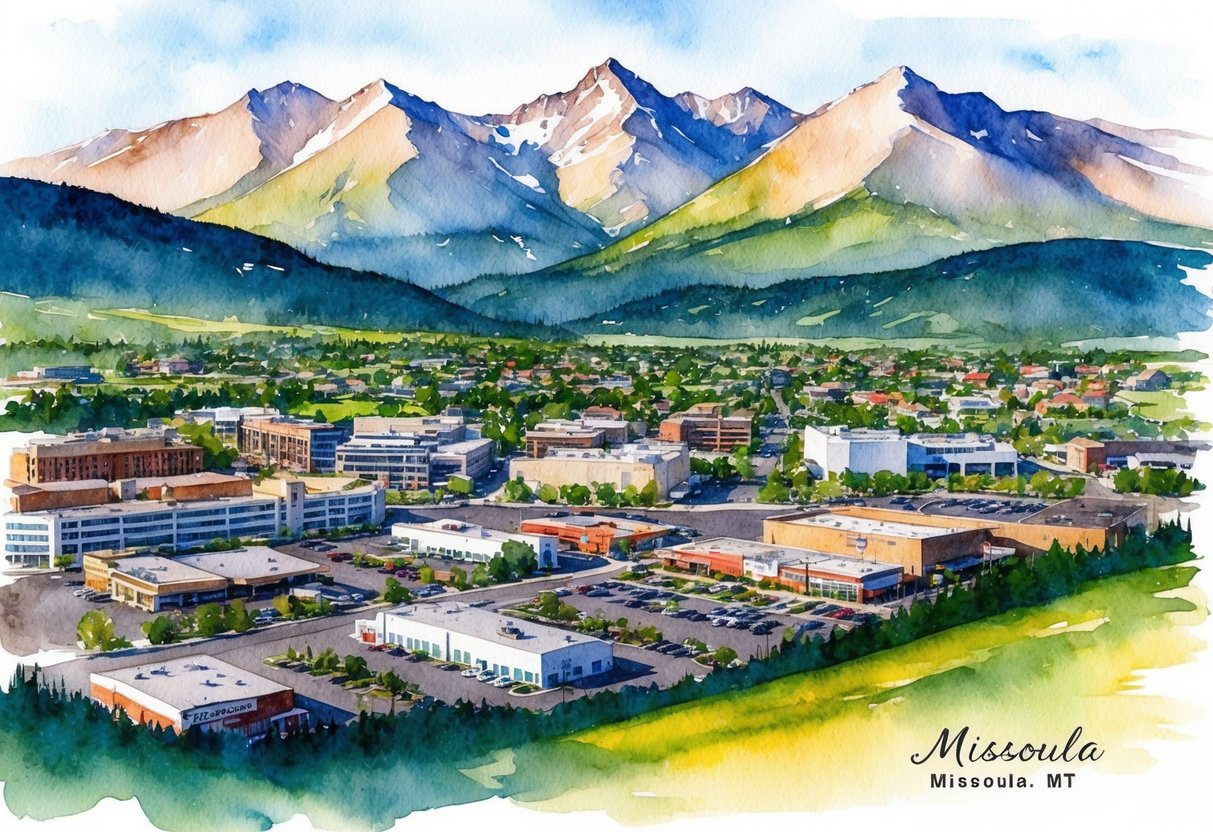
The average home value in Missoula has increased by 6.2% over the past year, reaching $557,197 in April 2024. This growth suggests a strong market with potential for solid returns.
But what makes Missoula so appealing to investors? Is it the diverse mix of properties, from single-family homes to historic buildings? Or perhaps it’s the city’s thriving economy, supported by healthcare, education, and tourism sectors?
As we dive deeper into Missoula’s real estate landscape, we’ll explore the most desirable neighborhoods for investment and uncover the factors driving the market’s growth.
Are you ready to discover the opportunities waiting for you in Missoula?
Key Takeaways
- Missoula’s real estate market shows strong growth potential with rising property values
- The city offers diverse investment options, from single-family homes to commercial properties
- Understanding local economic drivers and neighborhood trends is crucial for successful investing in Missoula
Understanding Missoula’s Real Estate Market

I’ve been keeping a close eye on Missoula’s real estate scene, and let me tell you, it’s a market worth watching. Did you know the average home value in Missoula is $557,197? That’s a solid 6.2% increase from last year.
But what does this mean for savvy investors like us? It signals growth and opportunity. The median sale price hit $539,333 in March 2024, showing strong demand in the area.
Missoula’s economy isn’t just about pretty mountains. It’s backed by:
- Healthcare
- Education
- Tourism
These sectors provide a stable foundation for real estate investments. The University of Montana and St. Patrick Hospital are major employers, bringing in a steady stream of renters and homebuyers.
What types of properties can you invest in? Missoula offers a diverse range:
- Single-family homes
- Historic properties
- Commercial developments
This variety allows us to tailor our investment strategy. Are you looking for long-term appreciation or immediate cash flow?
One challenge? Limited inventory. With only 1.69 months of housing stock available, competition can be fierce. But for those who move quickly, this scarcity can lead to faster appreciation.
Demographic and Economic Indicators
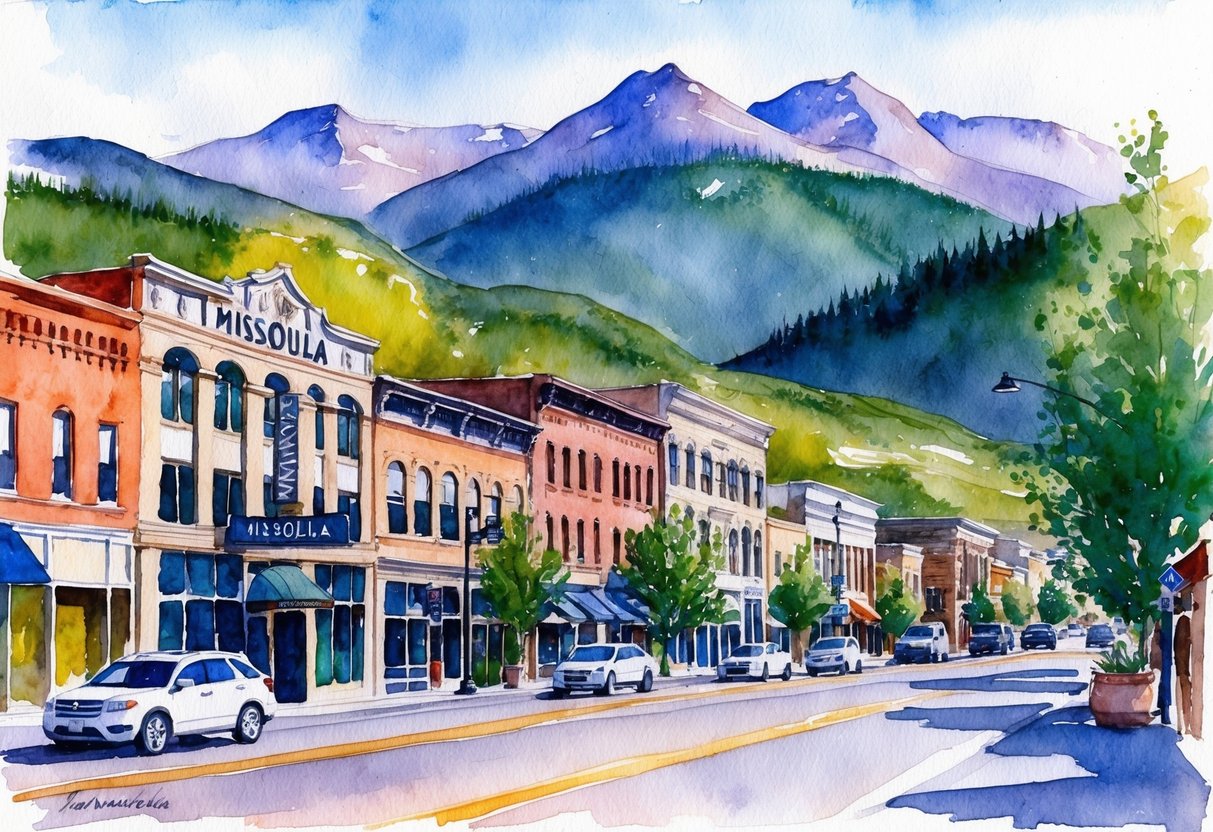
Missoula’s demographic and economic landscape offers intriguing insights for real estate investors. The city’s population growth, income levels, and employment diversity paint a picture of a dynamic market with potential opportunities.
Population Growth and Median Age
Missoula has seen steady population growth in recent years. From 2020 to 2022, the Missoula metropolitan area’s population increased by 6.88%. This growth rate outpaces many other cities in Montana.
I’ve noticed that population growth often correlates with increased housing demand. Have you considered how this might affect property values?
The median age in Missoula is slightly lower than the national average. This younger demographic can drive demand for rental properties and starter homes.
Income Levels and Employment Industry Diversity
Missoula’s income levels have been on the rise, which is good news for real estate investors. Higher incomes can lead to increased spending on housing.
The city boasts a diverse employment landscape, including:
- Education (University of Montana)
- Healthcare
- Retail
- Tourism
This diversity can provide a buffer against economic downturns. I’ve found that cities with varied job markets tend to have more stable real estate markets.
Unemployment Rate
Missoula’s unemployment rate has remained relatively low compared to national averages. A strong job market typically supports a healthy real estate market.
Low unemployment can lead to:
- Increased housing demand
- Higher rental occupancy rates
- Potential for rent increases
Have you considered how employment stability might impact your investment strategy? I’ve seen many investors overlook this crucial factor.
Investment Properties in Missoula
Missoula offers a variety of investment opportunities for real estate investors. The market includes single-family homes, townhomes, and multi-unit properties. Let’s explore some key aspects of investing in Missoula real estate.
Single-Family Homes vs. Townhomes
When I look at Missoula’s real estate market, I see potential in both single-family homes and townhomes. Single-family homes in Missoula often appeal to families and long-term renters. They typically offer more space and privacy, which can justify higher rents.
Townhomes, on the other hand, can be a smart choice for investors looking for lower maintenance costs. These properties often have shared walls and common areas, reducing individual owner responsibilities.
In Missoula, townhomes are available in various sizes and price points, making them accessible to different types of investors.
Which is better? It depends on your goals. Single-family homes might appreciate more over time, while townhomes could offer steadier cash flow with lower upkeep costs.
Property Management Considerations
Managing investment properties in Missoula requires careful planning. Should you manage the property yourself or hire a professional?
Self-management can save money, but it demands time and local presence.
Professional property management companies in Missoula handle tenant screening, maintenance, and rent collection. This can be especially valuable if you’re an out-of-town investor. However, management fees will impact your bottom line.
Consider the following:
- Your availability to handle tenant issues
- Your familiarity with local laws and regulations
- The number of properties you own
Remember, good property management can make or break your investment. Choose wisely based on your situation and goals.
Real Estate Investment Strategies
In Missoula, I’ve observed several effective investment strategies. Buy-and-hold is popular, allowing investors to benefit from long-term appreciation and rental income. The city’s stable economy, supported by healthcare, education, and tourism sectors, makes this a viable option.
Fix-and-flip can work well in older neighborhoods where property values are rising. Look for undervalued properties that need cosmetic updates.
Another strategy to consider is investing in multi-unit properties. Missoula has various multi-family options, from duplexes to small apartment complexes. These can provide multiple income streams from a single investment.
Which strategy is right for you? It depends on your financial goals, risk tolerance, and the amount of time you can dedicate to your investments.
Neighborhood Analysis
Missoula’s diverse neighborhoods offer unique investment opportunities. Let’s explore two key areas that show promise for real estate investors like us.
Spotlight on Miller Creek
Miller Creek is a gem I’ve had my eye on. This growing neighborhood south of Missoula offers a mix of newer homes and undeveloped land. What makes it special?
- Scenic mountain views
- Excellent schools nearby
- Easy access to outdoor recreation
I’ve noticed families are drawn to Miller Creek’s quiet streets and spacious properties. The area’s growth potential excites me as an investor. Have you considered the long-term value of buying in an up-and-coming area?
Comparing Median Home Values Across Neighborhoods
Let’s look at how Miller Creek stacks up against other Missoula neighborhoods:
Neighborhood
Median Home Value
Miller Creek
$450,000
Lewis and Clark
$525,000
University District
$600,000
Rattlesnake
$700,000
These figures are based on recent market data I’ve analyzed. What jumps out at me? Miller Creek offers relative affordability compared to more established areas. This gap presents an opportunity for savvy investors.
Why does this matter to us? Lower entry prices can mean higher potential returns. As Missoula grows, neighborhoods like Miller Creek may see significant appreciation. It’s a strategy I’m seriously considering. Are you ready to get in on the ground floor?
Financial Considerations and Taxes
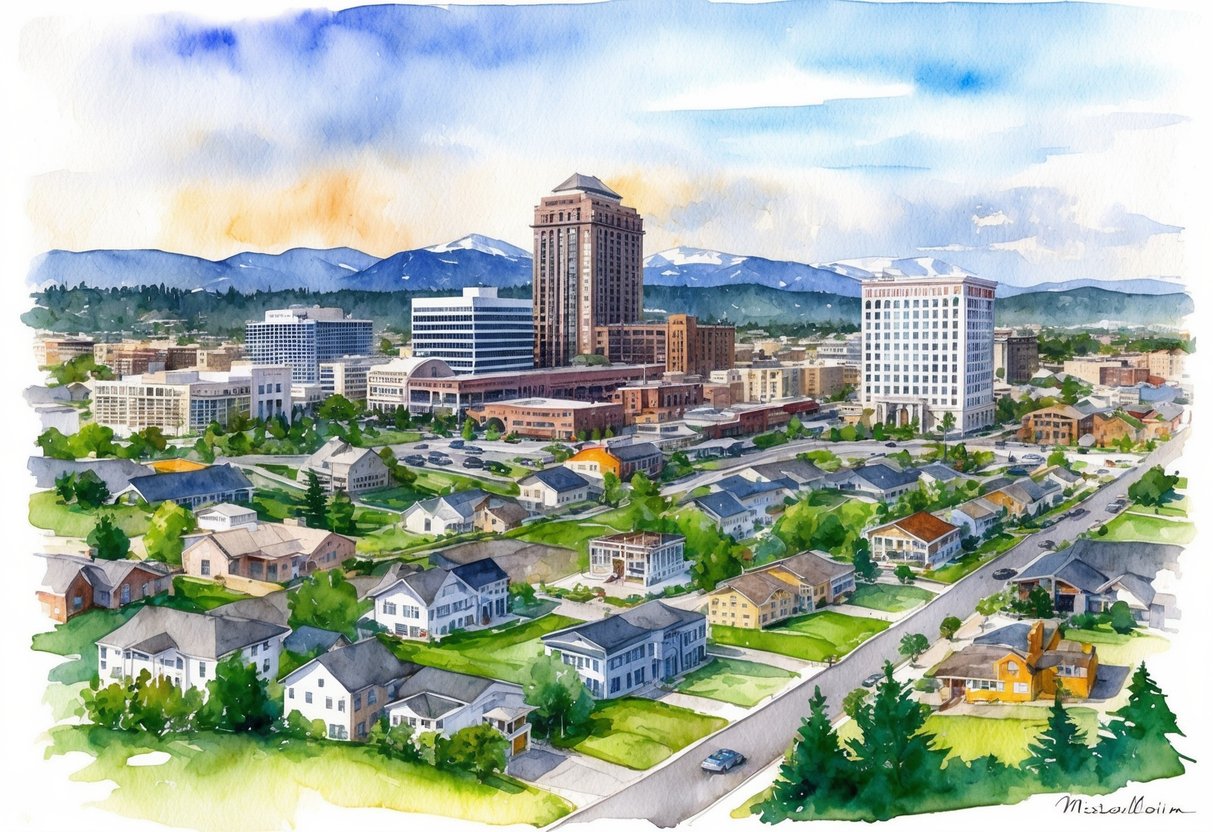
When investing in Missoula real estate, I always keep a keen eye on the financial aspects. Have you thought about how property taxes might impact your bottom line?
In Missoula, property values have been rising, which can affect your tax bill.
Let’s break down some key financial points:
-
Property Taxes:
- Assessed annually
- Based on property value
- Can increase with market growth
-
Investment Strategy:
- Buy and hold for long-term appreciation
- Flip properties for quick profits
- Rent out for steady cash flow
I’ve found that a diverse real estate portfolio can help balance risks and rewards.
Consider mixing residential and commercial properties in Missoula. This approach has served me well over the years.
Here’s a quick look at potential returns:
Strategy
Potential ROI
Risk Level
Rentals
5-10% annual
Moderate
Flipping
10-30% per deal
High
Long-term
3-5% annual appreciation
Low
Remember, these numbers are just estimates. Your actual returns may vary based on market conditions and your management skills.
I always advise keeping a cash reserve for unexpected expenses.
Have you factored in costs like repairs, insurance, and property management? These can eat into your profits if you’re not careful.
Lastly, don’t forget about tax deductions.
Mortgage interest, property taxes, and depreciation can all help reduce your tax burden.
I suggest consulting with a tax professional to maximize your benefits.
Building a Real Estate Portfolio in Missoula
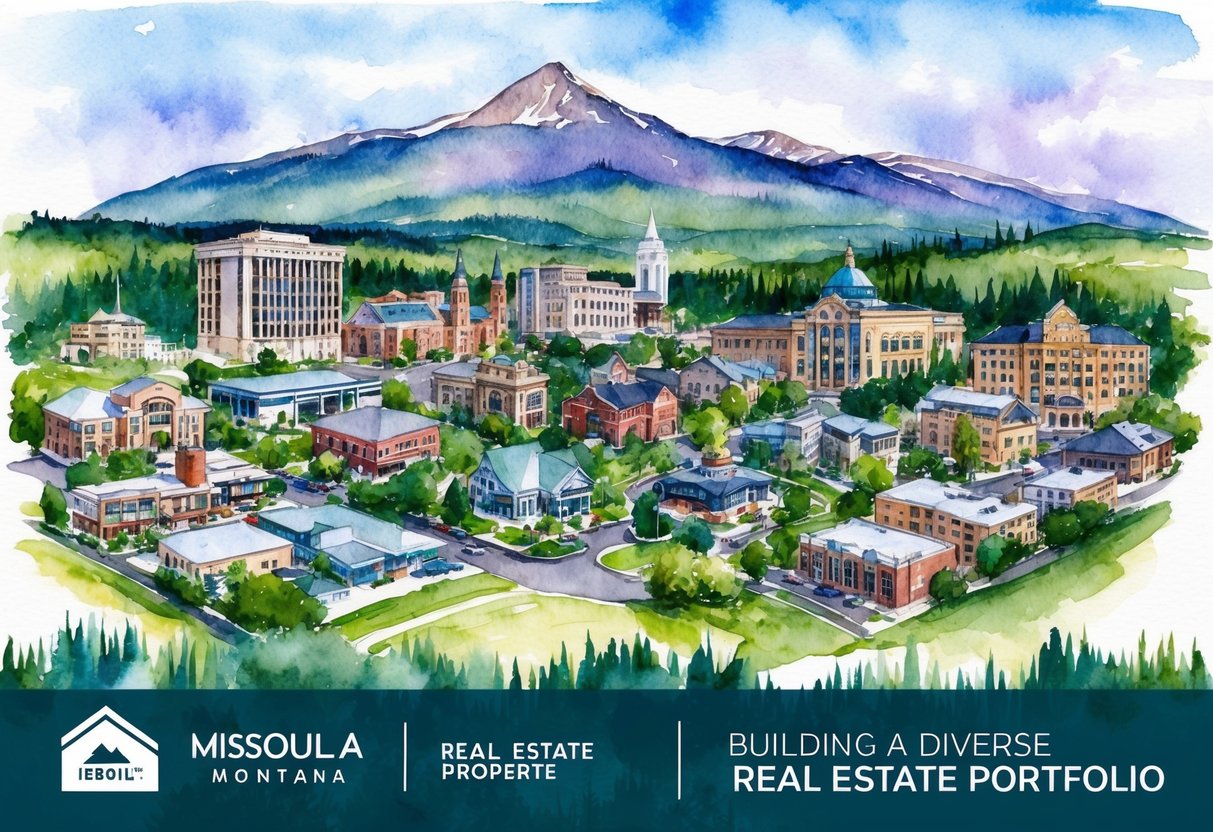
Are you ready to take your financial future into your own hands? I’ve found that building a real estate portfolio in Missoula, Montana can be a smart move for savvy investors.
Missoula offers a diverse range of investment opportunities, from single-family homes to historic properties. But where should you start?
First, consider your investment goals. Are you looking for long-term appreciation or immediate cash flow? This will guide your property selection.
Next, familiarize yourself with Missoula’s neighborhoods.
Some areas to explore include:
- Downtown
- University District
- Rattlesnake Valley
- South Hills
Remember, location is key in real estate. Properties in desirable areas tend to hold their value better over time.
What about financing? I recommend building relationships with local lenders and exploring creative financing options. This can help you leverage your investments and grow your portfolio faster.
Don’t forget about property management. Will you handle it yourself or hire a professional? Effective management is crucial for maximizing your returns.
Lastly, network with other investors. Join local real estate groups and attend industry events. You never know where your next deal might come from.