
Ever notice how some investors seem to win over and over, even when everyone else is burned out on advice that goes nowhere? I get it—traditional methods can leave you spinning your wheels or feeling left behind, even if you’re doing everything “right.”
Real estate investing in Knoxville, TN gives me a shot at building real wealth and opening up options for my future.
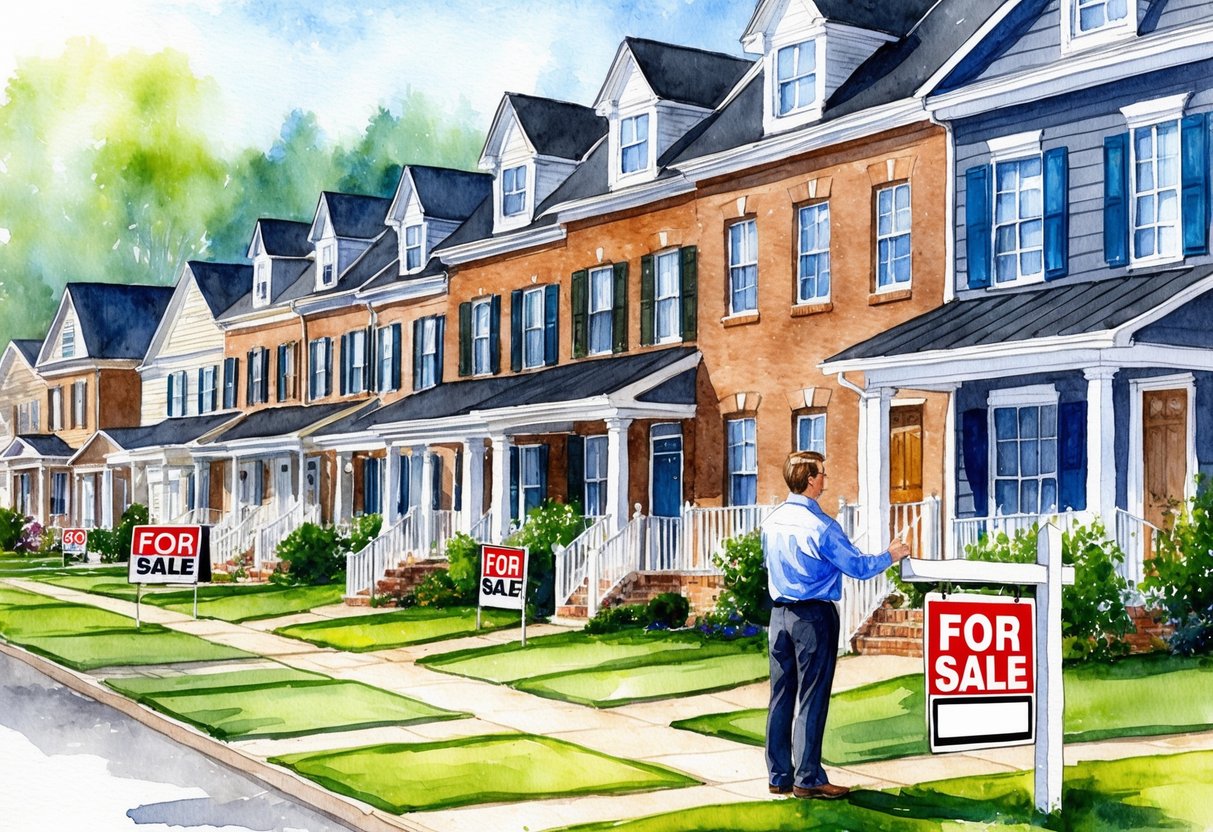
Knoxville’s pulling in investors who want something solid, not just more empty promises. The city has a mix of properties—single-family homes, commercial spaces, all sorts—many popping up in hot neighborhoods.
Rental demand is strong, prices are still within reach, and new opportunities keep showing up.
With the right knowledge, real estate in Knoxville could mean long-term financial security for me and my family. Why stick with uncertainty when I can try to make my money work harder?
Key Takeaways
- Knoxville real estate actually offers investors some real growth opportunities
- Different property types fit different budgets and goals
- Understanding the market gives me a better shot at strong returns
Overview of Real Estate Investing in Knoxville, TN
Knoxville, Tennessee draws investors because it’s got steady job growth, affordable homes, and a lively rental market.
I see families, young professionals, and retirees moving here, all looking for something Knoxville offers that their last city didn’t.
Understanding Knoxville’s Real Estate Market
What makes Knoxville different from the rest? For me, it’s demand. Knoxville’s population keeps growing, which means more people need homes.
Whether it’s the leafy suburbs or places near the University of Tennessee, homes get snapped up quickly.
Home prices here usually sit below the national average, but rental rates and home values are rising. Investors like single-family homes and small multifamily properties, especially when compared to pricier metros.
Neighborhoods like West Knoxville and North Knoxville stand out for their balance of price, location, and steady tenant demand.
Vacancy rates stay low, so your property is more likely to stay rented. If you want more details, check out these Knoxville real estate market insights.
Economic Growth in Knoxville
Economics drive real estate, period. Knoxville isn’t just a college town.
Healthcare, manufacturing, research, and the university system keep the local economy humming. More jobs bring more people, and those people need homes.
Big companies and hospitals keep expanding, which sparks new construction and wage growth. Knoxville’s cost of living stays reasonable, so businesses and residents keep coming.
Downtown revitalization and steady job growth help Knoxville stand out among southern cities. People searching for better opportunities move here, and I see it in the housing numbers.
If you’re curious about investment hotspots, check out this comprehensive Knoxville guide.
Types of Investment Properties in Knoxville
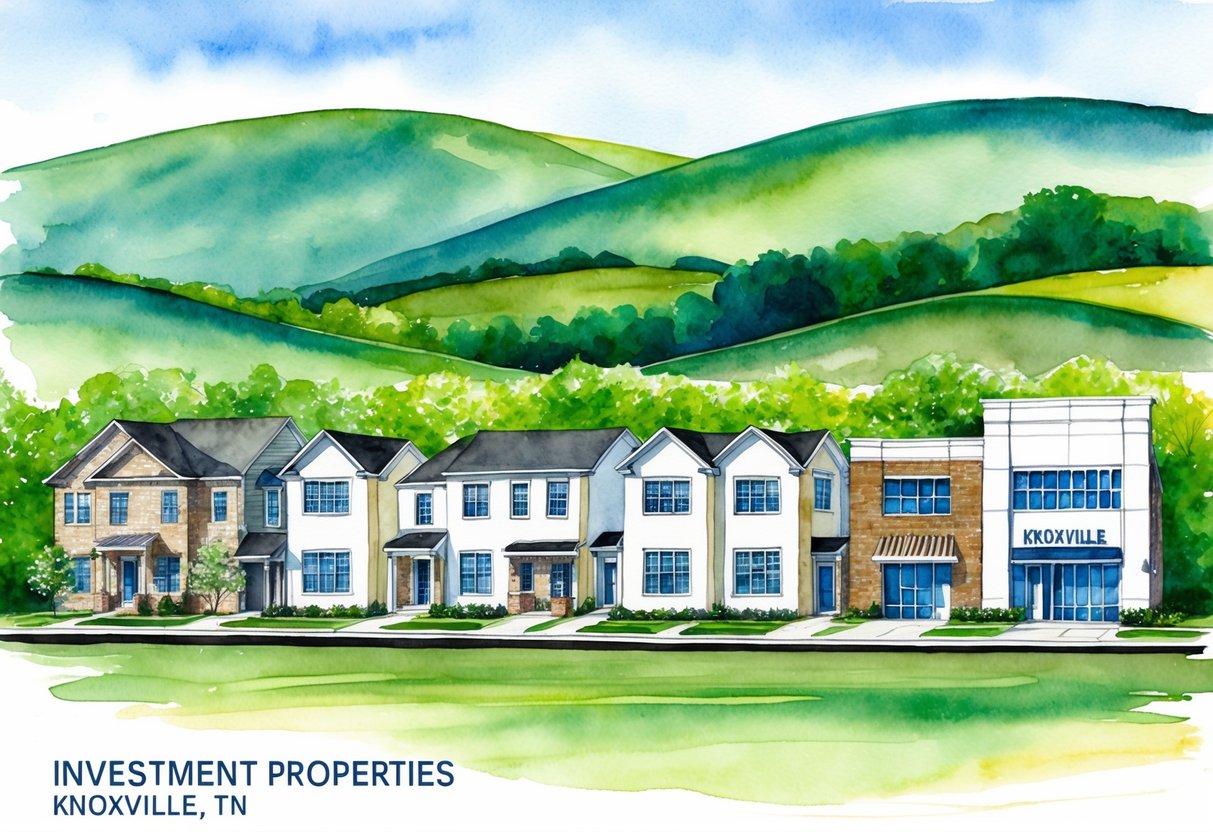
Real estate investing in Knoxville lets you build income and wealth in a bunch of ways. Each property type has its own pros, cons, and management quirks, which shape how investors earn rent and handle their assets.
Single-Family Homes
Single-family homes really are the backbone of Knoxville real estate investing. Families want privacy, a yard, and better schools, so these homes stay popular.
Vacancies are lower in a lot of neighborhoods, and tenants stick around longer.
Rent rates for single-family homes usually give a steady, predictable cash flow. Maintenance costs don’t tend to spike since tenants treat the place like their own.
The resale market is strong, so it’s easier to exit when the time comes.
Single-family homes are flexible. I can manage the place myself or hire a property manager.
For anyone wanting to start small with less risk, a single-family rental in Knoxville just makes sense.
Townhomes and Condos
Townhomes and condos are a hit with renters who want modern amenities and less hassle. These places usually come in developments with pools, gyms, and landscaping covered by HOA fees.
Honestly, the built-in property management from condo associations is a big plus for me. Repairs, curb appeal, and finding new renters get easier.
Rental rates for well-placed condos and townhomes can be surprisingly good.
I always watch out for HOA rules and fees, though. Some associations limit rentals, and random dues can eat up cash flow.
With the right homework, I can add solid, low-hassle properties to my portfolio, especially in high-demand spots. You can find Knoxville condos and townhomes listed all over the web.
Multi-Family Housing Units
Multi-family units—think duplexes, triplexes, small apartments—let me multiply income streams per property. It’s a hedge against vacancies: if one unit is empty, I’m still collecting rent from the others.
Cash-on-cash returns can be higher, especially if I keep tenants happy and units filled. Property management companies in Knoxville handle leasing, repairs, and screening, so I can scale up without losing my mind.
Multi-family properties are in demand because of job growth and rising housing costs. If I want more stable, higher-volume income, I see plenty of multi-family investment opportunities in Knoxville’s growing neighborhoods.
Best Knoxville Neighborhoods for Real Estate Investors

In Knoxville, picking the right neighborhood can make or break your investment. Some spots offer quick returns, others just deliver steady growth and reliable tenants.
Emerging Areas with High ROI
If I want real gains, I keep an eye on Fourth & Gill, Old City, and Oakwood. These areas are packed with older homes, many getting a fresh look from investors.
Turnkey properties with a modern touch attract higher rents and young professionals who want to live near downtown.
Downtown Knoxville is buzzing, too. The area’s growing fast with new businesses, restaurants, and a surge of students from the University of Tennessee.
Properties here can cost more, but the rental yield is tough to beat. When homes sell quickly and buyers line up, you know there’s heat in the market.
On the edges, Oak Ridge and parts of West Knoxville are getting attention. New employers and better schools drive growth.
Investors here are snapping up properties that have appreciated quickly in recent years.
For anyone willing to walk the blocks and dig into the data, the potential is obvious. I can’t say enough about doing your own homework on price trends and tenant demand—it’s what separates the amateurs from the pros.
Check out these “investment hotspots” with this comprehensive guide on Knoxville neighborhoods.
Established Neighborhoods with Steady Demand
Not everyone wants to chase the next big thing or flip fast. If I want proven, reliable results, I look at West Knoxville, Farragut, and North Knoxville.
These spots have a track record of stable values, low vacancy, and solid rental income.
West Knoxville and Farragut pull in families with great schools, safe streets, and plenty of shopping. Homes attract long-term tenants—usually professionals or parents with kids.
I like that stability. It lets me plan cash flow without guessing at wild swings.
North Knoxville, especially Fountain City and Happy Holler, has a different vibe but similar returns. There’s a strong sense of community, with parks and older homes that hold value.
These neighborhoods appeal to both young families and older renters. If you care about stability, investing in established, in-demand areas like these might just fit your long-term plans.
For more, check out this Knoxville investment area overview.
Market Dynamics and Trends in Knoxville

I don’t believe in ignoring the numbers. Knoxville’s got a real story to tell.
Housing supply, mortgage rates, and new construction all shape profits and risks. If you pay attention, you’ll spot patterns that give you an edge.
Current Housing Supply and Demand
Ever try to buy something and find the shelves empty? That’s how Knoxville’s housing market feels right now.
Inventory has stayed low all year, while buyer demand keeps climbing. More people move in for jobs, schools, and a better life, but there just aren’t enough homes.
A rising population and more out-of-state investors push demand even higher.
Here’s the deal: More buyers chasing fewer properties almost always means prices stay strong. Investors usually see faster sales and fewer days on the market.
But higher demand also means higher purchase prices up front. If you’re sick of hearing “there’s no deals left,” maybe it’s time to learn how to spot value in a tight market.
- Housing Inventory: Down about 2% year-over-year
- Pending Home Sales: Almost unchanged, still solid
- Home Prices: Up roughly 6.5% in the Knoxville metro
- See more data and trends at 865realestate.com/knoxville-real-estate-market-update-september-2024-trends-and-insights and the East Tennessee REALTORS 2025 Housing Market Forecast Report.
Impact of Mortgage Rates
You’ve seen the headlines: interest rates up, down, sideways. But how do these mortgage rate swings really hit Knoxville investors?
I focus on leverage. High rates mean higher monthly payments, which pushes some buyers out.
But honestly, I see opportunity. When rates climb, some buyers pause, but sellers don’t always drop prices right away.
That gives me a window—less competition, more chances to negotiate. If you’ve got solid finances or can put down a bigger chunk, sometimes you can move faster than the crowd.
- Low mortgage rates drove demand in the past
- Recent hikes have slowed price spikes, but Knoxville’s market is still active
- Creative loan options and shorter-term ARMs are getting more popular
When the average investor panics, I get curious. Do shifting rates make you nervous, or do you see a door opening—just a crack?
Trends in Construction and Development
If supply is tight, will builders solve the problem for us? The answer isn’t so simple.
Knoxville’s new construction has grown, but not nearly fast enough to balance the shortage. Builders are facing rising costs for labor and materials, plus longer permit times.
Sustainable housing is gaining ground. We’re seeing more energy-efficient homes and neighborhoods built for walkability.
Developers are also chasing mixed-use projects to attract working families and professionals who want to live, work, and relax without a long drive. But are these new units affordable for families and middle-class investors, or are they mostly aimed at luxury buyers? Honestly, it’s a mixed bag.
Trend
What’s Happening
New Construction Starts
Up slightly but not closing the gap in supply
Smart Home & Green Features
Gaining popularity in both single-family and multifamily
Mixed-Use Developments
Rising in downtown and suburban corridors
In a market shaped by scarcity, every new project matters. The smart move is to pay attention—not just to what’s already built, but to what’s coming next.
Key Investment Strategies
If you want to move beyond just saving and see your money actually work for you in Knoxville, it pays to understand investment strategies that can get real results. Every method has its own rewards, risks, and level of involvement, so finding the best fit really matters.
Buy and Hold Investments
I really think buy and hold is one of the most reliable strategies, especially if you want long-term growth and stability. The idea is simple: buy a property, keep it for several years, and let appreciation do its thing.
Knoxville’s property values have shown steady gains over time. With demand rising for rentals, this feels like a prime spot to lock in equity.
Often, buy and hold means looking for single-family homes or small multi-units in good neighborhoods. Key benefits include passive income from rent, long-term appreciation, and some nice tax advantages.
There’s also less stress about short-term market swings. If you want control and tangible results, this strategy is worth a look. Want a deeper dive? Check out more about Knoxville’s opportunities for long-term rentals and appreciation.
Cash Flow Focused Approaches
Why wait decades to see profit? With a cash flow focused approach, I target properties where the rental income covers all expenses—plus a healthy profit margin each month.
This steady monthly income can help you stop worrying about big market crashes or a single paycheck. Knoxville’s older homes often fit this bill.
Many investors like to buy, renovate, and either rent for higher returns or sell for a quick profit. Some call this the fix and flip strategy, but for long-term security, monthly cash flow is king.
I always look closely at local rent rates, taxes, and vacancy trends to make sure the numbers actually work. For anyone tired of traditional investments that offer little control, see key tips for maximizing real estate returns in Knoxville.
Private Equity and Joint Ventures
Does pooling your resources with others make sense for you? Private equity and joint ventures let me team up with investors who share similar goals.
Together, we can take down bigger deals than I could manage alone. The big advantage: access to larger, often more profitable properties, and professional management teams.
I’m able to spread out risk and tap into new opportunities. Of course, private equity means less liquidity—my money is tied up longer, so patience is key.
Joint ventures are ideal for those ready to move beyond solo investing but who want more say than a simple stockholder. I make sure everyone involved is clear on roles, profits, and exit plans.
Knoxville is seeing increased interest in these partnership models thanks to the city’s strong rental market and pretty stable growth.
Financial Considerations and Tax Benefits

When I invest in real estate in Knoxville, I think about how to get the best financial returns right now—not ten years from now. I need to know how to use my money and credit well while making sure I’m protected by tax breaks.
Financing Options in Knoxville
Knoxville gives you a range of financing choices that help build wealth outside of Wall Street. Local banks, credit unions, and mortgage companies offer competitive rates for both traditional and investment loans.
Most lenders want stable income, a good credit score, and a 20-25% down payment for investment properties. Owner financing can open the door when bank loans are tough to get.
Some sellers let me pay for the property over time, often with less strict requirements. Other times, I’ll consider using a home equity loan or personal line of credit to tap into money I already have.
I always check the local market’s loan requirements and interest rates before making big moves. By talking with Knoxville lenders and comparing offers, I make sure I get terms that support cash flow, not drain it.
Tax Benefits for Real Estate Investors
I never overlook the tax benefits real estate investing brings. In Knoxville, I can deduct mortgage interest, property taxes, repairs, management fees, and even some travel costs.
These deductions help lower my taxable income every year, giving me more money in my pocket. Depreciation is another powerful tool.
The value of my property (except the land) can be spread out over many years, letting me claim a deduction for “wear and tear” even if my property rises in value. Combined with possible state property tax incentives, this creates a strong tax shelter for my rental income.
For more on maximizing these tax benefits as an investor in Knoxville, I always consult with a trusted CPA to keep more money working for me.
The Role of Property Management
Owning real estate in Knoxville isn’t just about buying a property and collecting rent. The success of a rental investment depends on smart decisions about who manages it and how everyday tasks get handled.
Selecting a Property Management Company
When I look for a property management company, I focus on trust and results. There’s a world of difference between a manager who simply reacts to problems and one who actually adds value to my property.
I ask key questions. Does the company offer strong tenant screening? Do they understand Knoxville’s unique rental trends?
Can they take care of repairs fast? Solid answers give me confidence that my investment is in good hands.
A reliable manager handles marketing, sets the right rent, and follows local laws. Some even use online portals for easy communication and rent collection.
For more on these services, check out the benefits of property management in Knoxville. I want a company that watches my back while keeping my renters happy and my income steady.
Managing Rentals in Knoxville
Managing rentals here asks more of me than just signing leases. With Knoxville’s growing renter population, I need to stay proactive and organized.
Am I responding to maintenance requests quickly? Are property inspections happening on a regular basis?
These steps matter for tenant satisfaction and, honestly, for long-term profit. Setting the right rent price means digging into local data and trying to understand demand.
Knoxville’s strong market and low vacancy rates can create good opportunities. But I have to keep up with the competition and treat renters well.
I track rent payments, renewal dates, and keep an eye on local laws about tenant rights. Honestly, using a knowledgeable property manager saves me from so many headaches and those dreaded late-night calls.
If you want a closer look at why effective rental management matters, check out this advice on streamlining operations and maximizing returns.