Investing in peer-to-peer lending can be a game-changer, especially if you’re tired of the traditional financial advice that seems to lead nowhere. Picture this: your money working for you effortlessly, generating returns while you focus on what truly matters. That’s the magic of automating peer-to-peer lending investments. By using auto-investing tools, you can streamline your decisions and let technology do the heavy lifting.  Why stick to the old ways when you can explore a method that’s both innovative and potentially rewarding? In a world driven by technology and connectivity, peer-to-peer lending offers a modern twist on investing. Automation allows for efficiency, letting you diversify your portfolio without the headaches of constant monitoring. It’s about making informed choices and reallocating resources where they matter most.
Key Takeaways
- Automation maximizes peer-to-peer lending efficiency.
- Diversification reduces risks while increasing returns.
- Technology simplifies managing investments and portfolios.
Understanding Peer-to-Peer Lending
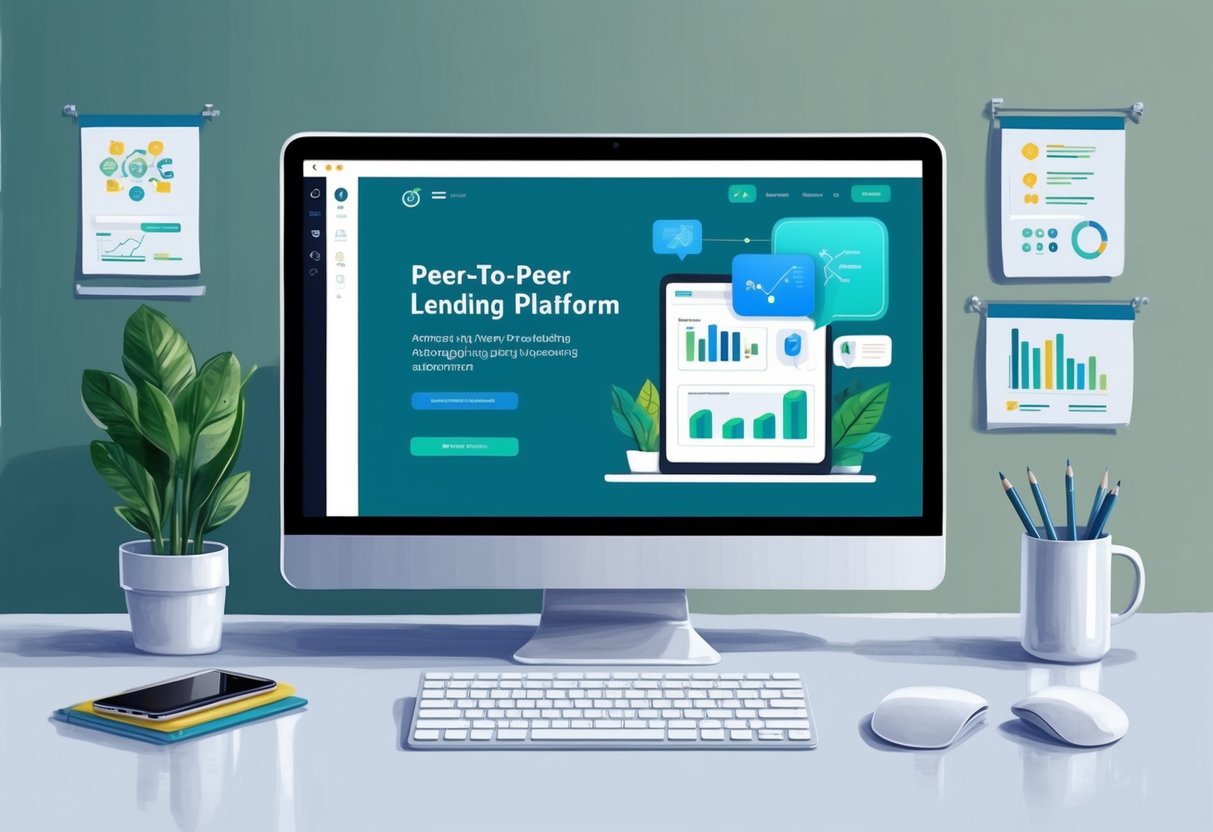 Peer-to-peer lending, a growing trend, offers a way for investors to earn returns by lending directly to individuals or businesses. It bypasses traditional banks, creating opportunities for both borrowers and lenders seeking better terms.
History and Evolution
Peer-to-peer lending began as a straightforward concept. Individuals could lend money directly to others, often at more favorable rates compared to banks. Over time, it evolved to include businesses, offering a broader range of loan types. Early pioneers like LendingClub and Prosper revolutionized this space by introducing platforms that connected borrowers with investors, all online. As technology advanced, so did the features of these platforms. They began offering tools for risk assessment and diversified investment options. The rise of other platforms such as Upstart and Funding Circle further diversified the market, catering to specific types of loans and borrowers.
P2P Lending Platforms
P2P platforms act as intermediaries, matching lenders with borrowers. Well-known platforms like LendingClub and Prosper allow investors to browse loan requests and choose which to fund. These platforms offer detailed borrower profiles, credit ratings, and risk assessments to aid investment decisions. Some platforms, like Funding Circle, focus on business loans, whereas others, such as Upstart, leverage AI to assess creditworthiness, expanding access to borrowers with limited credit history. This technology-driven approach offers a glimpse into the potential for innovation in lending. Platforms generally manage loan servicing, ensuring payments are collected and distributed to investors.
P2P Market Dynamics
The P2P lending market operates in a unique way, driven by demand from both borrowers and investors seeking better returns. Market dynamics are influenced by interest rates, default risks, and economic conditions. These elements play a crucial role in shaping investment strategies. Investors must be mindful of default rates, which can be higher than traditional lending. Yet, the absence of a middleman often results in better interest rates for lenders. Platforms like LendingClub and Prosper have worked to minimize these risks through robust credit evaluation methods, making the sector appealing.
Benefits of P2P Lending Investments
 Peer-to-peer lending brings unique advantages for both borrowers and investors. Borrowers enjoy faster access to funds and possibly better loan terms, while investors can diversify their portfolios and benefit from attractive interest rates.
For Borrowers
When borrowing through peer-to-peer lending, people often find better loan terms than traditional banks offer. Interest rates can be more competitive, which is appealing to those looking to consolidate debt or finance large purchases. Quick access to funds is another key benefit. Unlike banks, P2P platforms simplify the lending process, meaning loans can be approved faster. Borrowers also appreciate the personalized nature of peer-to-peer platforms. Rather than just being another number in a bank’s database, they have the chance to share their stories and purposes with potential investors, who may be more empathetic and supportive. This connection can lead to more favorable loan conditions.
For Investors
Investors find peer-to-peer lending an exciting venture due to its diversification opportunities. By spreading their capital across multiple loans on different platforms, investors reduce risk. What about the returns? They can be quite impressive. By bypassing traditional banking structures, investors often see higher interest rates compared to standard savings accounts. Moreover, investing in P2P lending means having control. Automated investments allow for either hands-on or hands-off involvement depending on personal preference. Plus, many platforms provide handy tools to assess and manage risk, making it an attractive opportunity for those seeking a more personalized approach to growing their wealth.
Risk Management and Diversification
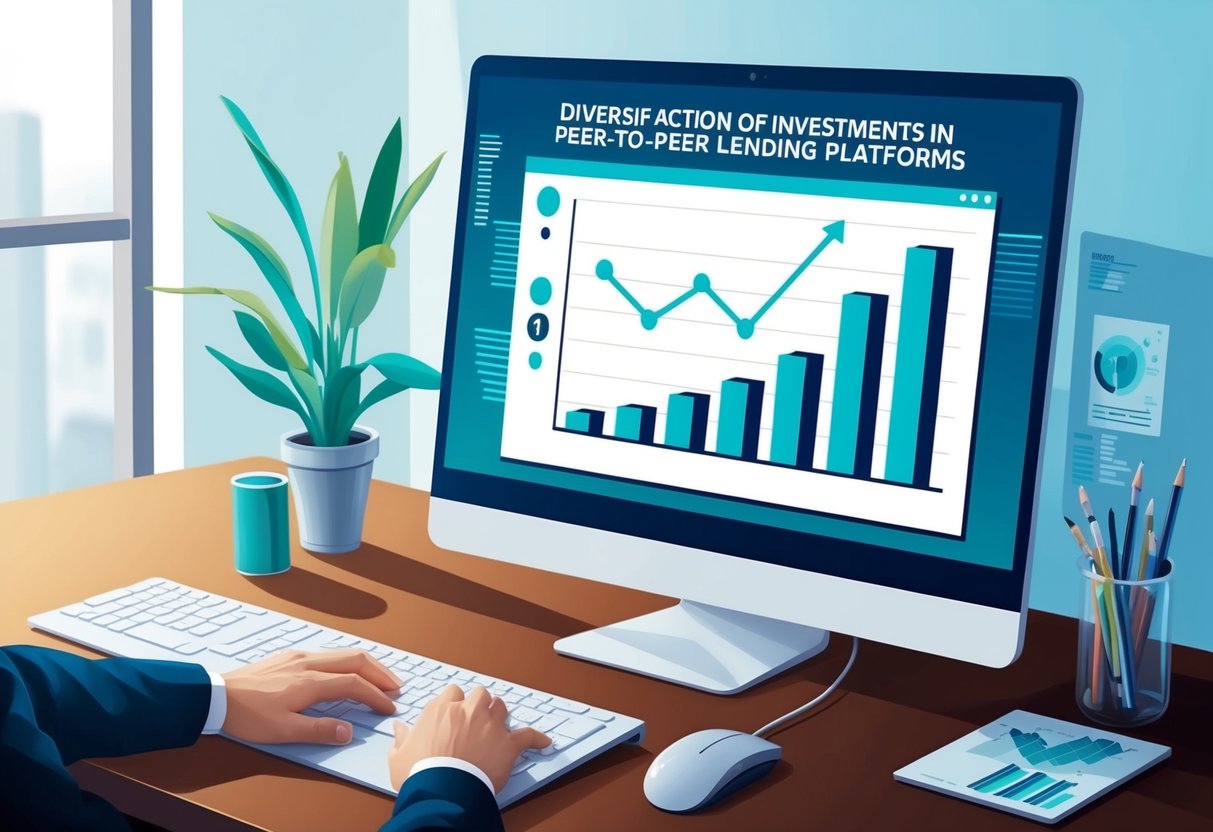 Balancing risk and reward is crucial in peer-to-peer lending. By understanding risk profiles and employing effective strategies, investors can better protect their portfolios and maximize returns.
Understanding Risk Profiles
What makes some investments riskier than others? It’s all about risk profiles. They help determine how much risk an investor is willing to take. Factors such as age, financial goals, and personal comfort with uncertainty shape these profiles. In peer-to-peer lending, identifying the creditworthiness of borrowers is key. This can involve examining credit scores, income levels, and default history. A strong profile analysis helps manage expectations and align portfolios with individual tolerance levels. A clear picture leads to smarter investment decisions.
Strategies to Mitigate Risks
How can risk be minimized? Diversification plays a vital role. By spreading investments across multiple loans, I can reduce the impact of any one borrower defaulting. This means looking beyond a single opportunity and considering different industries or borrower profiles. Automated investing tools also analyze default rates and adjust portfolios in real-time. These strategies allow me to better navigate economic cycles and market volatility. Additionally, regular reviews ensure that the portfolio aligns with changing financial goals. Staying adaptable and informed is crucial.
The Role of Technology in P2P Lending
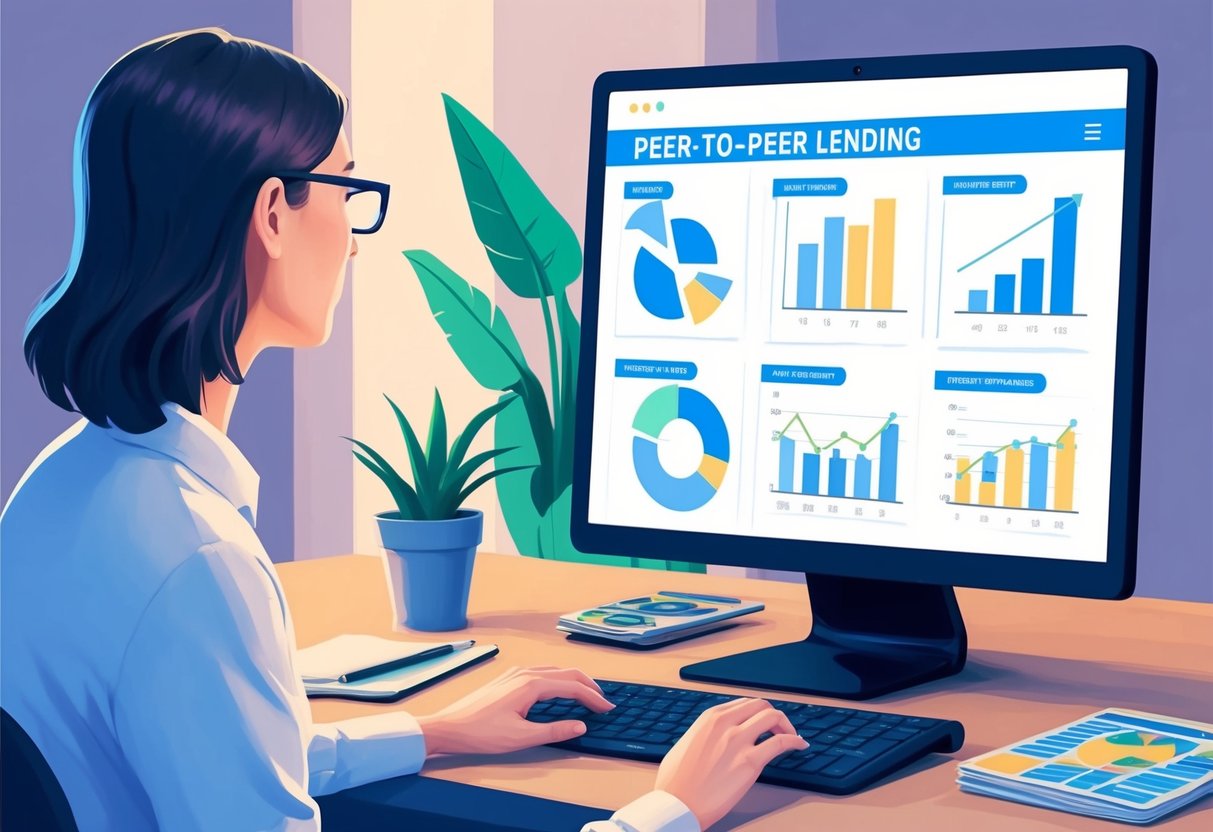 The digital transformation in peer-to-peer lending is changing how we think about investments. Innovations in software, data security, and artificial intelligence enable more efficient and secure platforms for lenders and borrowers alike.
P2P Lending Software
At the heart of this digital shift is peer-to-peer lending software. What makes this software so crucial? It simplifies and automates many tasks that used to take up valuable time. Imagine a platform where loan applications, payments, and account management all happen with a few clicks. This software not only boosts operational efficiency but also enhances user experience. Investors can track their portfolios effortlessly, while borrowers enjoy streamlined application processes. The right software can make or break a lending platform, emphasizing the importance of choosing solutions built for scalability and ease of use.
Data Security and Compliance
Data security is a significant concern for anyone dealing with online financial platforms. Is your information safe while you invest in P2P lending? Modern platforms adhere to stringent compliance standards to protect sensitive data. Encryption technologies and secure user authentication methods form the backbone of these security measures. Compliance with regulatory standards offers an added layer of assurance, preventing unauthorized access and ensuring transparency in transactions. For lenders and borrowers, this focus on security fosters trust and confidence, making P2P platforms a viable alternative to traditional banking systems.
Artificial Intelligence and Loan Origination
Artificial intelligence plays a pivotal role in the evolution of loan origination within P2P lending. AI algorithms assess creditworthiness by analyzing vast datasets, ensuring that loans are not just faster to approve but also more accurately aligned with risk profiles. Who would have thought AI could predict borrower behavior with such precision? This results in more competitive interest rates and reduced risk of default. Lenders benefit from smarter investment decisions, and borrowers gain access to funds that might otherwise be out of reach in traditional settings. By leveraging AI, P2P platforms are redefining what’s possible in lending, paving the way for a more inclusive financial future.
Setting Up Your Investment Portfolio
 Setting up a robust investment portfolio in peer-to-peer lending can offer alternative income streams. By crafting a solid investment strategy, evaluating loan options, and managing your account, your investments can grow efficiently.
Creating an Investment Strategy
To begin, I consider what financial goals I aim to achieve. Do I want to supplement my income or grow my wealth over time? Understanding this helps me decide how much I can afford to invest. I choose to allocate funds across multiple notes rather than putting all my money into one or two loans. This approach helps me spread the risk. I also decide on the level of risk and the expected returns I’m comfortable with. Reviewing the terms of different platforms is vital. Each might offer different interest rates or fees, so I take the time to research before committing. By setting clear parameters from the start, I can measure my portfolio’s success against my personal goals.
Assessing Loan Listings
When evaluating loan listings, I always scrutinize the borrower’s credit history and loan purpose. What are they using the money for? A vacation loan might not be as secure as a small business loan. Credit scores provide a snapshot of reliability. A higher score often means lower risk, though returns might be less attractive. I analyze the terms, interest rates, and durations. Consistency with my risk tolerance is key. Platforms can provide ratings or assign grades to loan listings. I use these tools to guide me in choosing loans that align with my strategy. It’s like having a roadmap in complex territory, making decision-making clearer and more informed.
Account Management and Reinvestment
Managing my account actively involves keeping track of loan performance. I regularly check repayment status to identify any delinquent notes. What if a borrower misses a payment? I consider contacting the platform for resolution. Reinvestment is another powerful tool. By reinvesting returns automatically into new loans, I can harness the power of compounding. Many platforms offer automated features that streamline this process, saving time and effort. Effective account management also means being ready to adjust. As the market changes, so might my goals. Adaptability keeps the portfolio aligned with my evolving financial landscape, ensuring it remains a strong asset in my investment toolbox.
Secondary Markets and Liquidity
 In the dynamic world of peer-to-peer lending, secondary markets and liquidity play crucial roles. They offer investors opportunities to improve their ability to manage investments and access funds earlier. These markets can impact investment returns, giving more control over financial strategies.
Trading in Secondary Markets
Trading in secondary markets is a game-changer. You might wonder how they work. In essence, these platforms allow me to buy and sell loan contracts before they mature. This flexibility can be valuable if I need access to my funds sooner than expected. Secondary markets can be particularly useful in adjusting my portfolio according to current financial needs or market conditions. They’re not risk-free, though. Prices might vary based on the loan risk or the demand for specific investments. By carefully analyzing options within secondary markets, I can make educated decisions that might enhance my investment strategy. This adaptability is essential for anyone looking to optimize their returns in the P2P lending arena according to my unique financial goals.
Impact on Liquidity
How do secondary markets affect liquidity? They provide a path to potentially liquidate my investments faster than waiting for them to mature. In peer-to-peer lending, liquidity can often be a limitation. But secondary markets offer a solution. By buying and selling these contracts, I can adjust my portfolio with more ease without being tied down by inflexible terms. This greater liquidity allows me to explore more opportunities without the traditional constraints seen in some investments. It empowers investors like me to make trailblazing moves, responding swiftly to life or market changes. It’s a way to keep my investments vibrant and responsive, working to my advantage even in unpredictable financial landscapes.
Types of Loans and Borrower Segments
 When diving into peer-to-peer lending, it’s essential to understand the different types of loans and borrower segments. This knowledge can help identify potential investment opportunities that align with risk tolerance and financial goals.
Personal and Business Loans
Personal loans are often a go-to option for individuals wanting to finance various personal needs without risking their assets. They can cover expenses like home renovations, medical bills, or debt consolidation. On the other hand, business loans target entrepreneurs and small business owners seeking capital for expansion, equipment, or operational purposes. In peer-to-peer platforms, borrowers can often enjoy competitive interest rates compared to traditional banks. Business loans might carry more risk but offer potential for higher returns. Evaluating these factors can aid in making informed investment choices that suit an investor’s objectives.
Secured vs Unsecured Loans
Understanding the distinction between secured and unsecured loans can guide investment decisions. Secured loans are backed by collateral, such as real estate in a mortgage or a vehicle in an auto loan. These loans typically come with lower interest rates due to the reduced risk for lenders. Unsecured loans do not require any collateral, which means they carry higher interest rates and a heightened risk for investors. Types of unsecured loans include personal loans, student loans, and credit card loans. Knowing these differences can help target investments offering the desired balance of risk and return.
Specialized Loan Types
There are several specialized loan types available in the peer-to-peer lending space. Mortgages are a common secured loan type tied to real estate, providing security but often longer commitment. Auto loans finance vehicle purchases and can also be secured. Student loans cater to individuals seeking funds for education, while medical loans cover healthcare expenses. Specialized loans often come with unique terms and conditions. By evaluating these offerings, investors can make strategic choices aligned with their financial comfort and growth expectations.
Legal and Regulatory Framework
 Navigating the legal landscape in peer-to-peer (P2P) lending is crucial. I aim to explain key areas such as compliance, protection for investors and borrowers, and essential processes like KYC/AML verification. These topics are critical for maintaining trust and ensuring a smooth investment process.
Understanding Compliance
What do you need to know about compliance in P2P lending? It’s all about making sure platforms follow the necessary laws and rules to operate legally and ethically. Compliance includes processes such as regulatory compliance that adapt to changing laws. This ensures that platforms are trustworthy and can handle changes in the market. KYC (Know Your Customer) and AML (Anti-Money Laundering) verification are core parts of this framework. They help verify the identity of users and prevent illegal activities. By using advanced systems, platforms can maintain a secure and transparent environment for all users. This not only protects the platform but also instills confidence in investors.
Investor and Borrower Protection
How can we ensure that both investors and borrowers are safeguarded? The protection involves creating clear guidelines and procedures to manage risks. For investors, protection means having access to detailed information about where their money is going. Transparency in operations is key, allowing investors to make informed decisions. As for borrowers, a secure borrower portal can provide the necessary tools and support needed to navigate the lending process. By implementing strict measures to protect against risks, platforms can offer a safe space for borrowers. Clear communication and support ensure that borrowers have a positive experience, while investors feel secure about their investments.
Getting Started with Automated Investing
 Diving into the world of automated investing in peer-to-peer (P2P) lending can simplify how you manage investments. It involves selecting the right platform, setting up an account, and leveraging automatic tools to maximize returns without the constant need for oversight.
Choosing a P2P Lending Platform
When picking a P2P platform, I focus on stability and reliability. There are numerous platforms, but not all are created equal. For example, LendingClub is a well-known option with a solid track record. Are you looking for platforms that offer a comprehensive robo-advisor feature? I check if the platform provides a seamless user experience and detailed risk analyses. Researching the platform’s history and user reviews is crucial. I pay attention to fees and the minimum investment amounts. Some platforms allow starting with small amounts, like $25, making it accessible to nearly everyone. Platforms with auto-investment tools often have better streamlined tools for those who want a hands-off approach.
Setting Up Your Investor Account
After choosing a platform, the next step is to set up an investor account. This involves filling out basic personal information and linking a bank account. Sound cumbersome? It’s not. Most platforms have simplified this process, often taking less than 15 minutes. Once my account is set up, I pay attention to the verification process. It’s critical to ensure security and compliance. I look for platforms that also offer investment trusts as they might provide diversified investment opportunities. They can protect against volatility. I also keep track of any welcome bonuses or promotions, which can be an extra incentive to get started. These promotions often give initial boosts to investment.
Utilizing Auto-Investment Features
Automatic investing is a game-changer, especially for busy individuals. The auto-invest tool on P2P lending platforms spreads investments across multiple loans. Why worry about choosing individual loans when automation can handle it? The tool aligns with my risk tolerance. Some platforms allow me to adjust settings, whether I want conservative, balanced, or aggressive approaches. Setting preferences means I can essentially set and forget. Platforms like LendingClub have well-designed auto-investment features that aim to maximize efficiency. Monitoring performance is simple since most platforms offer straightforward dashboards. With these tools, my investments keep working, letting me focus on life instead of constant monitoring.
Comparing P2P Lending to Traditional Investments
 In exploring the landscape of peer-to-peer (P2P) lending, one discovers a range of investment alternatives. The comparison with traditional banking, alternative investments, and real estate options reveals distinct strategies and benefits.
P2P Lending vs Traditional Banks
I often wonder why people stick with traditional banks. They offer security, sure, but the returns are often underwhelming. In contrast, P2P lending platforms connect lenders directly with borrowers. This can sometimes yield higher interest rates for investors, while borrowers may face lower rates compared to conventional loans. Traditional banks, on the other hand, use deposits to generate loans, profiting from the interest spread. While banks are heavily regulated and provide a layer of security, the growth potential is stodgy. With P2P lending, it’s all about direct connections and potentially higher gains with added risks.
P2P Lending and Alternative Investments
Looking at alternative investments, P2P lending is an enticing option. It offers a chance for diversification beyond stocks and bonds, appealing to those who want a piece of something different in their portfolio. It’s not all roses, though. P2P lending carries risks like borrower defaults, which must be carefully managed. Alternative investments, such as commodities or private equity, possess their own complex landscapes. While some may seek alternative investments for potential high returns, the liquidity and volatility can be daunting. Compared with these, P2P lending offers a relatively straightforward avenue with transparent terms and duration.
Real Estate and REITs Involvement
Real estate is always an attractive classic. Its tangible nature is comforting. But managing properties is not for everyone. Here, P2P lending steps in with platforms catering to real estate loans, allowing participation in this asset class without direct ownership. On the other hand, Real Estate Investment Trusts (REITs) provide exposure to property markets with the benefit of liquidity. They have their own market fluctuations, though, which could make some investors hesitant. P2P lending allows an investor to bypass traditional real estate burdens, such as property maintenance, while engaging in real estate lending through carefully selected platforms.
Advanced Strategies for Seasoned Investors
 As a seasoned investor in peer-to-peer lending, you know the basics. Now, it’s time to dive deeper into strategies that can help you optimize your returns. Understanding portfolio fine-tuning and exploring international markets could be your keys to success.
Portfolio Fine-Tuning
When it comes to fine-tuning a portfolio, diversification is crucial. Have you ever thought about how spreading investments across multiple borrowers or platforms might reduce risks? By allocating funds in this way, I aim to balance potential gains with an acceptable level of risk tolerance. Applying advanced analytical tools can help me assess borrower profiles more precisely. These tools allow for a closer look at borrower credit histories, income, and other financial metrics. Do I stick with high-credit borrowers, or do I explore riskier options with higher returns? Staying updated with machine learning technologies might further refine investment strategies. These systems can predict market trends more accurately than traditional methods, leading to more informed decision-making. Using insights gained from these technologies could be what sets my portfolio apart.
Exploring International P2P Markets
Ever considered going global with peer-to-peer lending strategies? Exploring international P2P markets opens up a world of opportunities. Different regions have unique lending rules and market dynamics, which can diversify my portfolio and enhance potential returns. Before diving in, I examine the economic conditions of target countries. Knowing key regulations and potential currency exchange impacts helps in making informed decisions. I also weigh the risks of foreign investments against the benefits, ensuring my strategy meets personal risk tolerance. Networking with local investors or using platforms with international reach can provide invaluable insights. Through these networks, I get a clearer picture of regional market demands and potential growth areas, which is essential for a broader investment strategy.