Are you tapping into the full potential of your digital products and software through licensing? Many people are unaware that licensing could be their key to unlocking improved revenue streams. Expanding licensing revenue is essential for maximizing profit and ensuring the longevity of your digital products. The promise of licensing isn’t just in the present transaction; it’s a continuous income flow that can lead to significant financial stability.  Licensing offers a unique way to leverage your existing technology without the hassle of traditional sales models. Imagine extending your market reach and building stronger relationships with licensees, all while maintaining control over your intellectual property. Isn’t that a smart strategy for growing your business in today’s fast-paced digital world? How do you strategically position your software in the market to attract lucrative licensing partnerships? It’s about understanding different pricing models, optimizing your license management, and crafting compelling marketing strategies. By diving into these areas, we can pave the way for expanded revenue and sustained growth.
Key Takeaways
- Licensing maximizes digital product revenue.
- Strategic marketing enhances licensee relationships.
- Pricing models are crucial for optimal results.
Understanding Licensing in Digital Products
 Licensing in digital products can open up vast opportunities. If you’re seeking ways to protect your work or earn revenue, understanding these licenses is crucial. From different software agreements to unique digital product licenses, each model offers its own value and can significantly impact your financial strategy.
Defining Software Licensing
What makes software licenses tick? At its core, a software license grants permission to use software under certain conditions. It’s not just about usage rights but also about restrictions. For instance, a person might get a personal license that limits software use to non-commercial purposes. There are also enterprise licenses, which allow entire organizations to access the software, typically at a reduced cost per user. Open-source licenses, like GPL or MIT, allow users to freely modify the software. Each type of license has its unique terms and provides various levels of freedom and restriction. Understanding these terms helps in choosing the right software for your needs.
Types of Digital Product Licenses
How do licenses for digital products differ from software licenses? It’s about flexibility and control. You can offer exclusive licenses, granting a single buyer full rights to use your product. This is often seen with creative assets like graphics or music. Then there are non-exclusive licenses, where multiple buyers can use the product. This is common with digital courses or ebooks where creators want to reach a broader audience. Subscription-based licenses are another option, offering users regular access to updated content or services. The choice of license affects not only legal obligations but also the potential revenue and reach.
The Value Proposition of Licensing Models
Why consider licensing as a revenue model? Licensing can dramatically enhance your financial landscape by offering recurring revenue possibilities and expanding market reach. Subscription-based licensing aligns well with today’s digital economy, supporting ongoing customer relationships and continuous cash flow. Licenses also provide a structured way to distribute your products globally without heavy production costs. The digital licensing model smartly leverages the reach of the internet, making it easier to scale and strengthen customer connections. Carefully crafted licensing agreements can also help protect your intellectual property, enhance brand reputation, and attract new partnerships. By thinking of licensing as a key part of your strategy, you can unlock new paths to financial success.
Developing a Strategic Licensing Framework
 When crafting a strategic licensing framework, I focus on creating clear objectives, identifying target markets, and aligning strategies with business goals. This framework is a roadmap to unlock potential and generate revenue.
Setting Clear Licensing Objectives
I begin by establishing clear objectives for the licensing strategy. Without clear goals, it’s like navigating without a map. What do I aim to achieve? Is it increasing revenue, expanding reach, or enhancing brand visibility? Each goal requires a different approach. By setting precise objectives, I can measure success and make necessary adjustments. Defining these goals helps in selecting the right partners and leveraging our intellectual property effectively. Objectives guide every decision, ensuring that resources are used wisely and results are maximized.
Identifying Target Markets and Audiences
Identifying target markets is crucial. Do I know who will benefit most from the products I’m licensing? This involves understanding both existing and potential customers. Analyzing market trends and customer needs helps reveal new opportunities. By targeting the right audience, I ensure relevance and value, which drives demand. This approach reduces risks and increases the chance of success. It’s about matching the right product with the right people at the right time.
Aligning Licensing Strategies with Business Goals
Aligning licensing strategies with business goals is the next step. How do these strategies fit within the broader business vision? It’s essential to ensure that the licensing activities support overall growth and innovation. I take a close look at how licensing can contribute to the company’s competitive advantage. Whether it’s entering new markets or developing new revenue streams, the strategy must be cohesive with business objectives. Aligning these elements ensures that every move is deliberate and supports long-term success.
Building Relationships with Licensees
 Developing strong connections with licensees is key to ensuring the success of a licensing strategy. This involves careful negotiation, providing ongoing support, and maintaining regular communication. These steps help in nurturing trust and achieving mutual benefits.
Negotiating Licensing Agreements
Negotiating a licensing agreement requires a clear understanding of the goals and expectations on both sides. The terms should be specific, fair, and transparent to avoid conflicts. I focus on mutual benefits and explore flexible arrangements that can adapt to change. Key components like royalty rates, usage rights, and duration must be clearly defined. Do I prioritize long-term partnerships or short-term gains? The answer shapes negotiations significantly. Establishing clear guidelines and being open to discussions ensures a strong foundation for future cooperation.
Providing Licensee Support and Resources
After the contract is signed, the real work begins. Supporting licensees with resources and training is essential. This might involve sharing marketing materials or offering technical support. By providing these tools, I empower licensees to succeed, which benefits everyone involved. Are they getting the help they need to thrive? Regular feedback sessions can reveal valuable insights into areas of improvement. Ensuring they have the necessary support helps in maximizing their potential. My commitment doesn’t end with the deal; ongoing assistance is crucial for building lasting relationships.
Maintaining Ongoing Communications
Regular and open communication fosters trust and cooperation. I establish a schedule for check-ins to discuss updates and address any issues. This isn’t just about talking; it’s about listening too. Are there any concerns or ideas from the licensees that could benefit both parties? Encouraging an open dialogue helps in resolving problems before they grow. Sharing news about new opportunities or changes in the market can also keep our partnership dynamic and responsive. Effective communication is the lifeline of any successful relationship.
Optimizing License Management
 It’s no secret that effectively managing software licenses can boost revenue and reduce waste. By focusing on efficient systems, compliance, and updates, we can maximize the value of software investments.
Implementing Efficient Licensing Systems
Investing in a streamlined licensing system is a game changer. Using tools that track usage and manage licenses in real time can help reduce unnecessary costs. Imagine having a digital dashboard showing which licenses are active and which ones sit idle. This kind of transparency helps eliminate those “just in case” licenses we all purchase but rarely use. Efficient systems also allow for easy scaling. As the needs of a business grow, the system can adapt without overburdening the IT team. By delegating tasks and automating processes, companies can focus on strategic growth rather than administrative headaches.
Ensuring Compliance and Security
Compliance is more than a legal obligation; it’s a strategic advantage. Having robust practices ensures that all licenses are used within the terms set by vendors. This not only avoids penalties but also strengthens relationships with vendors. Tools that monitor compliance can save you from potential legal trouble and financial loss. Security goes hand in hand with compliance. Safeguarding digital assets is crucial to maintaining trust and operational integrity. A breach isn’t just about data loss—it’s about losing customers’ confidence. Implementing strong access controls and regular audits can help maintain both security and compliance.
Regularly Reviewing and Updating Licenses
How often do you review your software licenses? Regularly taking stock of your licenses can uncover cost-saving opportunities. This involves assessing whether current licenses still meet your needs or need adjustment. You might find some licenses are obsolete or others that may need upgrading. Updating licenses shouldn’t be a reactive process. Proactively reaching out to vendors for the latest versions or deals can keep your operations running smoothly. Remember, licenses are not “set and forget” investments. Making updates part of regular business reviews ensures that your software remains as agile as your business demands.
Pricing Models for Digital Licensing
 When talking about pricing models for digital licensing, it’s crucial to focus on choosing the right structure, understanding what the market wants, and keeping an eye on the competition. These factors can help ensure your software or digital product is positioned well for success.
Determining the Right Pricing Structure
How can you decide on the best pricing structure for digital licensing? The key is flexibility. Different customers have different needs, so offering tiered pricing or a basic freemium model could address broader demands. Adding premium features in higher tiers can encourage upgrades from entry-level users. Consider a perpetual license model for customers who prefer a one-time purchase, or a subscription model for those who want ongoing updates and support. Each choice aligns with various customer preferences and offers diverse revenue opportunities.
Understanding Market Demand and Elasticity
Understanding what drives customer demand and how sensitive prices are can significantly influence your pricing decisions. What features are essential for users? What price points are customers willing to pay without hesitation? These questions help you gauge demand elasticity. Elasticity can vary across different segments, so it’s wise to conduct market research and possibly A/B testing. This approach helps pinpoint optimal pricing that attracts users while maximizing revenue. Knowing when to adjust pricing based on market shifts can be a game-changer.
Competitive Analysis of Pricing
Who is your competition, and what are they charging? Knowing what’s out there is vital. Analyzing competitors’ pricing strategies offers insights into what your target market might consider reasonable or attractive. Check out how leading companies structure their pricing, and identify any gaps or weaknesses. If competitors offer similar products at lower prices, you might need to highlight added value or unique features. By understanding the landscape, you can position your pricing strategically and confidently.
Targeted Marketing Campaigns
Why waste resources on broad campaigns? Instead, I focus on targeted marketing campaigns that reach the right audience at the right time. Using data-driven insights, I craft messages that speak directly to potential customers’ needs, concerns, and desires. Email marketing, social media ads, and influencer partnerships allow me to personalize this approach to different audience segments. By setting clear objectives, such as improving customer acquisition or awareness, these campaigns deliver measurable results. Tailored promotions engage customers on a personal level, enhancing the effectiveness of the sales strategy.
Leveraging Digital Platforms for Visibility
Isn’t it exciting how digital platforms have transformed marketing landscapes? I capitalize on them to boost product visibility and engagement. Platforms like Facebook, Instagram, and LinkedIn offer unique opportunities to connect with diverse audiences. By sharing compelling content and engaging narratives, I create buzz around licensed products. Digital platforms are perfect for tapping into social proof and word-of-mouth marketing. User-generated content and online reviews can enhance credibility and trustworthiness. Harnessing analytics on these platforms helps refine strategies to better connect with the audience. They allow for tracking user engagement and adjusting promotional tactics for maximum impact.
Expanding Market Reach
 In today’s fast-paced world, expanding your market reach with digital products and software is crucial. Entering new global markets, forming strategic partnerships, and localizing products can help increase audience size and improve revenue potential.
Entering Global Markets
When stepping into global markets, businesses can find new customer bases and unique opportunities. I’ve learned that licensing is an effective method for tapping into international expansion. Granting permission to foreign companies to use intellectual property can open doors to diverse regions. Countries outside your own often hold untouched possibilities for growth. One example of successful global expansion is how Microsoft licensed its software to hardware manufacturers, spreading its operating systems across the globe. This not only boosted their market share but also solidified their standing worldwide. By carefully planning and researching potential markets, I can target regions where my products can thrive.
Partnerships and Collaborations
Forming partnerships and collaborations can significantly expand my market reach. By working with established companies, I can leverage their existing customer base and networks. Collaborations with trusted partners create synergies, allowing both parties to benefit from shared expertise and resources. This strategy can lead to innovative products and increased sales. A great example of this is the strategic decision made by Apple and Schneider Electric, which used licensing to foster innovation and reach new markets as discussed around how licensing can expand market presence. By teaming up with others, I can navigate competitive landscapes more effectively and position myself for long-term success.
Localization of Digital Products
Localization is essential for reaching a broader audience. By adapting products to suit local preferences and languages, I can increase user engagement and satisfaction. Localization is more than just translating text; it involves tailoring your entire user experience to meet cultural expectations. Understanding the local market’s unique needs can set my business apart from competitors. When software feels like it belongs, users are more likely to trust and adopt it. This process may involve adjusting pricing, marketing strategies, and user interfaces. By making digital products resonate personally with international users, I greatly improve my chances of success in new regions.
Innovation in Licensing
 In the world of licensing, innovation is key. It allows companies to leverage emerging technologies, adapt to market trends, and develop strategic approaches to maximize growth. Let’s explore how these elements are shifting the landscape of licensing.
Licensing in Emerging Technologies
Have you ever considered the role that AI or blockchain could play in licensing? Emerging technologies are opening new avenues for licensing innovation. AI-driven systems enable more efficient and personalized licensing processes, tailoring products to individual user needs. Blockchain offers increased security and transparency, ensuring that digital licenses are tamper-proof and verifiable. This means companies can expand their reach and enhance their credibility with these robust solutions. Further, cloud-based platforms are changing how we think about software distribution. They allow for flexible, scalable licensing models that can grow with a company’s needs. Engaging with these cutting-edge technologies can set a business apart in today’s competitive landscape, providing new revenue streams and strategic partnerships.
Adapting to Market Changes and Trends
Change is inevitable. How do companies adapt their licensing strategies to keep up with shifting market demands? Staying ahead of the curve is crucial. Businesses must remain flexible, incorporating continuous feedback from users to refine their licensing models. The rise of subscription-based services, for example, reflects a shift towards more adaptable, user-centric offerings. Rather than seeing market changes as obstacles, I view them as opportunities for growth. Staying attuned to market trends, like the increasing demand for customized and subscription-based licenses, can lead to more dynamic and responsive practices. Businesses that can quickly pivot and adjust their strategies often find they’re better positioned to capture market share.
Research and Development in Licensing Strategy
Why does research and development matter in licensing? It fuels innovation. By investing in R&D, companies can uncover new licensing strategies that align with technological advancements. Exploring alternatives to traditional licensing methods—such as flexible models or integrating with third-party technologies—can drive business expansion. Effective R&D can lead to unique value propositions that differentiate a company from its competitors. When organizations allocate resources to develop new licensing strategies, they not only bolster their product offerings but also build stronger customer relationships. Continuous innovation and strategic thinking ensure that companies not only survive but thrive in the ever-evolving business environment.
Metrics and Performance Analysis
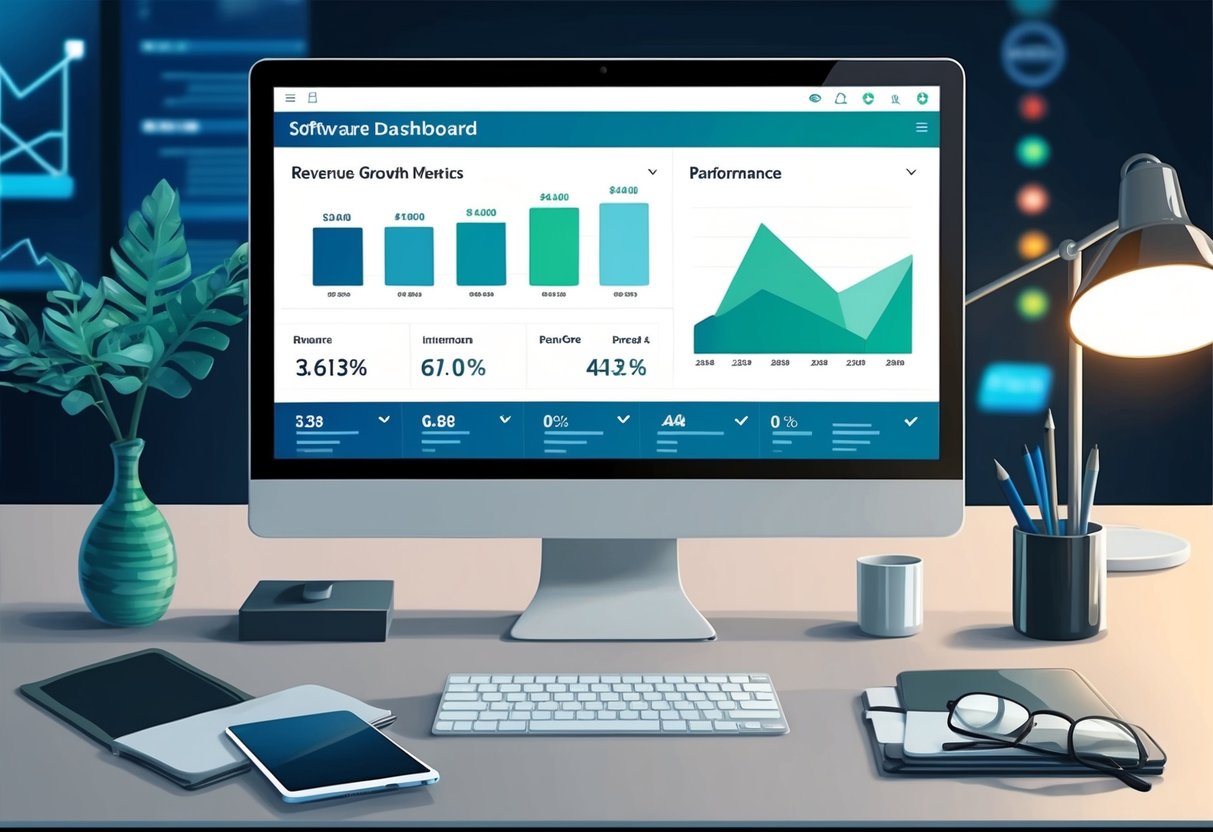 Understanding how to track and enhance licensing success is crucial for growing revenue from digital products. By focusing on key metrics and adopting strategic data analytics, it’s possible to refine processes and drive continual improvement.
Measuring Licensing Success
How do we quantify success in licensing? It’s essential to focus on metrics that genuinely reflect performance. Important measures include the number of active licenses, renewal rates, and revenue generated per license. These numbers can show whether a strategy is working or needs adjustment. Customer feedback also plays a role. Understanding what users value in your offering, and where they face challenges, can reveal areas for improvement. This feedback loop guides adjustments in license structure and marketing efforts. Additionally, tracking market share growth and comparing it against competitors can provide insights. It shows whether efforts to capture more of the market are effective or if there’s room for change.
Using Data Analytics for Licensing Decisions
In today’s fast-paced business world, relying on instincts alone isn’t enough. Data analytics transforms raw data into actionable insights, providing a clearer picture of licensing trends and patterns. I often ask myself—are we using the right tools to analyze our data effectively? One key tool is predictive analytics, which can forecast future licensing revenue and trends. By examining historical data, we can anticipate customer needs and adjust offers accordingly. Heat maps and dashboards are other valuable tools. They simplify complex data into visuals that help quickly identify areas of success and concern. Through these analytics, decisions on where to focus marketing efforts become more data-driven, minimizing guesswork.
Continual Improvement Processes
Why settle for what’s comfortable when there’s always room for improvement? Continuous improvement is a cycle that drives growth and efficiency. By evaluating the current licensing strategy, one can identify gaps and opportunities for refinement. This process often begins with feedback collection from both customers and internal teams. By identifying common issues and innovative solutions, adjustments can be made to enhance the product and licensing model. Regularly scheduled reviews of processes ensure that strategies remain aligned with market demands. This adaptive approach isn’t just about maintaining current success—it’s about building a stronger future. By staying flexible and responsive, any company can transform challenges into opportunities for growth.
Legal Considerations
 When expanding licensing revenue for digital products and software, understanding key legal considerations is crucial. These aspects include ensuring your intellectual property is protected, maintaining compliance with international laws, and effectively handling disputes when they arise.
Intellectual Property Rights
Have you secured your intellectual property rights? Protecting your software or digital product begins here. Patents, trademarks, and copyrights come into play. Each offers different layers of protection tailored to various needs. For instance, a copyright protects your code, while a trademark secures your brand identity. Exploring the variety of software licensing agreements can help strengthen your position. Implementing formal agreements, like EULAs or clickwrap agreements, is vital. These not only protect your creation but also define how users can interact with it. By being proactive and specific, you minimize the risks of unauthorized use and infringement.
Compliance with International Laws and Regulations
Navigating the international waters of digital licensing can be tricky. Are you aware of the different laws affecting your software in various jurisdictions? Each country may impose unique requirements around data protection, user privacy, and transaction taxes. For instance, the GDPR in Europe demands strict data handling compliance. Understanding these can protect you from legal troubles. Keeping abreast of changes in global regulations ensures long-term success. Regular audits and consultations with legal experts are crucial steps to stay compliant. As I see it, maintaining a global perspective is not just wise; it’s necessary for expanding your revenue safely.
Handling Licensing Disputes
Disputes can arise at any time. Is your strategy ready to handle them efficiently? Prevention starts with clear, precise contract terms. Ambiguities often lead to misunderstandings and conflicts. Well-crafted agreements are your best defense. When disputes do occur, your approach can make all the difference. Whether through negotiation, mediation, or arbitration depends on the situation. Preparing for these possibilities reduces costs and potential damage. Consulting legal professionals ensures sound strategies. Ultimately, handling licensing disputes effectively saves time, money, and stress, paving the way for smoother operations.