Have you ever wondered how you could turn your email list into a consistent income stream? Many people feel the pressure of making their hard-earned money work for them, especially when faced with the uncertainty of retiring comfortably. Email marketing is a powerful tool that can transform this challenge into an opportunity. By automating email marketing, you unlock the potential for scalable passive income, providing a solution to financial stress.  I’ve seen firsthand how automating email marketing can enhance business strategies. With the right approach, you can craft email sequences that not only engage your audience but also drive revenue. It’s not just about sending emails; it’s about nurturing relationships and providing value that converts to sales. The right tools and strategies make this process smooth and efficient. What sets successful email campaigns apart? It’s the ability to continually optimize and learn from each interaction. Automation provides insights, allowing adjustments that boost success rates. Why not let technology handle the routine tasks, freeing you to focus on growth? Discover how this can be the key to reaching your financial goals faster than you thought possible.
Key Takeaways
- Automate emails for scalable passive income
- Choose software that aligns with your strategy
- Use data insights to enhance campaign success
Understanding Email Marketing
 Email marketing is a powerful tool to reach an audience directly, offering opportunities for engagement, automation, and consistent growth. It serves not just as a marketing channel but as a bridge to build relationships and generate passive income effectively.
The Basics of Email Marketing
Email marketing involves sending messages to a group of people using email. It’s more than just newsletters or flyers; it’s about connection. By creating personalized and engaging content, I can develop a loyal audience base. With the right strategies, email marketing opens doors to communicate effectively, nurture potential customers, and retain existing ones. I often ask myself, why do some businesses see more success than others with email marketing? It comes down to understanding the audience’s needs and timing. Crafting relevant messages that appear in the inbox as a direct response to what users want right now is key. With easy-to-use tools like Mailchimp or Constant Contact, achieving these results becomes accessible, even if you’re starting.
Benefits of Automating Email Marketing
Automating email marketing allows me to reach out to more people without having to manage each message manually. This means I can focus on higher-level strategies while my automated systems do the heavy lifting. Setting up workflows that send triggered emails based on customer actions makes personalization efficient and scalable. Consider how automation helps you build a system that works even when you’re not. This not only saves time but also enhances the user experience by providing timely content. Services like ActiveCampaign or HubSpot simplify this process, offering tools to create multi-step journeys for users to follow, nurturing them into loyal customers. Through automation, I’ve found that I can focus on growing my business, spending more time on critical decisions rather than repetitive tasks. It’s like having a team of marketers working 24/7, ensuring that the right message gets to the right person at the right time.
Building Your Email Marketing Strategy
 Creating a strong email marketing strategy is essential for scalable passive income growth. When done right, it involves pinpointing your audience, setting clear goals, and developing a system that delivers value.
Defining Your Audience and Goals
Who are you trying to reach? Identifying your target audience is the starting point for any effective email marketing strategy. I ask myself what specific needs or problems my audience faces. Are they looking for budget-friendly solutions, or do they prefer premium services? Next, I set clear, achievable goals. Whether it’s increasing open rates or boosting sales, knowing what success looks like is critical. Clarity of purpose is what turns random email blasts into meaningful communication.
Segmentation and Audience Targeting
Once I know my audience, I segment them into specific groups. This allows me to tailor messages to different needs or interests. Why send the same email to everyone when I can personalize it? Segmentation can be based on age, location, or buying behavior. It’s about delivering relevant content. By doing this, I ensure that my messages hit the mark, leading to higher engagement and conversion rates. Audience targeting is no longer optional—it’s essential for growth.
Crafting a Sales Funnel
Building an effective sales funnel is key to converting leads into customers. Imagine guiding your audience through a journey from awareness to purchase. I start by offering something of value, like a free ebook or a useful checklist. Once they’re interested, I nurture the relationship with informative and engaging content. Each stage in the funnel needs to build trust and make my offers more appealing. By the time I present my main service or product, the groundwork is set for a successful sale. A well-crafted sales funnel is not just about selling—it’s about creating value at every step.
Choosing the Right Email Marketing Software
 Making the right choice in email marketing software can make all the difference in automating your business for passive income. By examining SaaS options, focusing on key analytics and automation features, and ensuring seamless integration with your existing systems, you can tailor your email marketing strategy to fit your unique needs.
Comparing SaaS Providers
When evaluating SaaS providers for email marketing, I look for ease of use and scalability. Who wants to spend hours learning complex tools? Simplicity allows me to focus on crafting effective campaigns. I keep an eye on pricing models as well. Some tools offer pay-as-you-go options, which can be cost-effective as my contact list grows. Customer support is crucial. I prefer providers with 24/7 assistance to tackle any hiccups immediately. Also, reading user reviews provides me insights into real-world performance, helping me avoid platforms with hidden pitfalls. It’s not just about the features offered but how they’ll support my growth. Tools like Ortto show the power of combining customer data and AI marketing tools.
Analytics and Automation Features
What do I need to track for success? Advanced analytics provide insights into open rates, click-through rates, and engagement. This data helps me refine my strategies. Automation features are pivotal in handling repetitive tasks. Think about sending personalized emails to thousands without doing it manually. Advanced segmentation allows targeting specific audience groups with personalized content. I also prioritize platforms offering A/B testing capabilities to experiment with subject lines and email content, ensuring the best performance. Comprehensive reporting tools highlight what works, enabling me to make informed decisions. It’s about working smarter, not harder, and tools providing robust analytics and automation features help achieve that.
Integration with Content Management Systems
Seamless integration with content management systems (CMS) is non-negotiable. Why struggle with disjointed systems when everything can work in harmony? Choosing software that integrates smoothly with platforms like WordPress or Shopify streamlines the process from content creation to distribution. I examine the range of available integrations. Native connectors, like those offered by popular providers, facilitate this connection, minimizing headaches associated with syncing data. For example, tools that integrate with Shopify and WooCommerce enable smoother e-commerce operations. The goal is a unified system for managing content and campaigns, enhancing the efficiency and impact of my marketing efforts.
Developing Your Content
 When creating content for email marketing, it’s essential to focus on delivering value that resonates with your audience. By carefully crafting engaging content and using personalization, you can significantly improve engagement and maximize the effectiveness of your email campaigns.
Planning and Creating Engaging Content
What’s the secret to keeping your audience hooked? Quality and relevance. Before diving into content creation, I assess the needs and interests of my subscribers. I often ask myself, what problems does my audience face? Addressing these concerns can be a game-changer. I typically map out a content strategy that includes a mix of informational, promotional, and entertaining content. This approach maintains interest without overwhelming. For instance, using lists, charts, and even occasional humor keeps the content lively and accessible. Another key aspect is timing. I look at engagement metrics to gauge the best times to send emails. For example, if open rates are higher on Wednesdays, that becomes my prime day for sending important content.
Using Personalization to Enhance Engagement
Have you ever opened an email that felt like it was written just for you? That’s the power of personalization. I make it a point to include the recipient’s name and tailor the message based on past interactions or preferences. It’s like having a direct conversation with each subscriber, increasing the likelihood of engagement. Using personalization helps establish a stronger connection. Techniques like segmenting the audience based on behaviors or interests enable me to send more targeted emails. For example, I segment users who frequently click on tech-related links and send them tech-focused content. Engagement grows when subscribers feel understood and valued. By incorporating personalization into content, not only do I enhance engagement, but I also build a forward-looking strategy that nurtures long-term relationships.
Optimizing Automated Email Campaigns
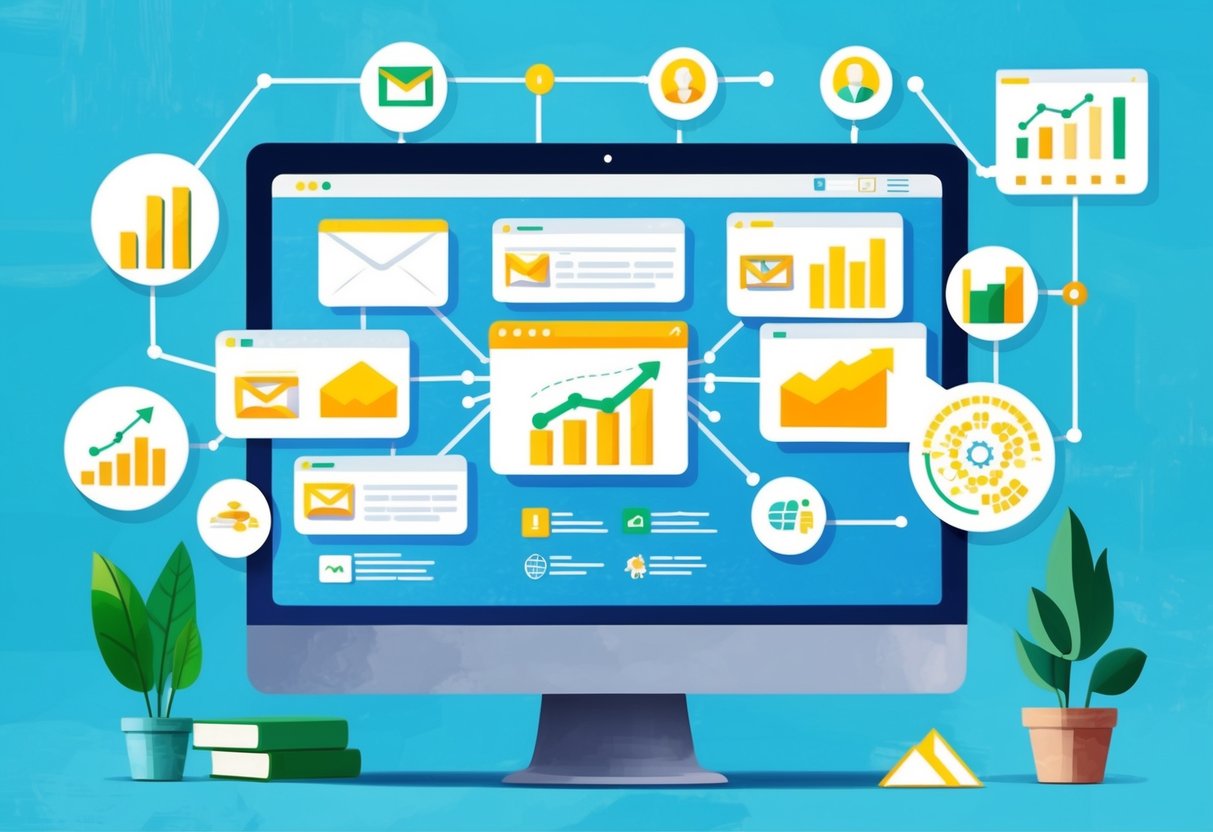 Success in email marketing requires fine-tuning your strategy. Automating emails can help you reach a larger audience more effectively and efficiently. Here, I explore key techniques to make your campaigns work smarter and harder for you.
Setting Up Trigger-based Emails
Why are trigger-based emails so powerful? They let you send messages based on specific user actions, increasing engagement and sales. Automation tools allow you to set up these triggers effortlessly. Imagine a customer adding items to their cart but not checking out. A well-timed reminder can make all the difference. Triggers can include actions like signing up for a newsletter or clicking on particular links. Setting up these triggers requires focusing on behavior patterns. This involves using data analytics to understand what actions lead to conversions. By utilizing machine learning algorithms, I can improve these processes and precisely target customer needs. This personalized approach nurtures relationships and boosts trust.
Testing and Improving Email Campaigns
Mistakes in email campaigns aren’t just inevitable—they’re lifesavers if you learn from them. Testing allows you to identify what works and what doesn’t. A/B testing, for instance, lets you compare different versions of an email to see which performs better. It’s a simple yet effective way to optimize. Metrics are your best friend here. You should track open rates, click-through rates, and conversion data. These insights allow you to refine and enhance your strategy. It’s not just about numbers; it’s about making informed decisions. Regularly updating content and strategies will ensure your emails remain relevant and effective. Evolving these campaigns over time keeps your audience engaged and helps maintain steady growth.
Leveraging Analytics for Email Marketing Success
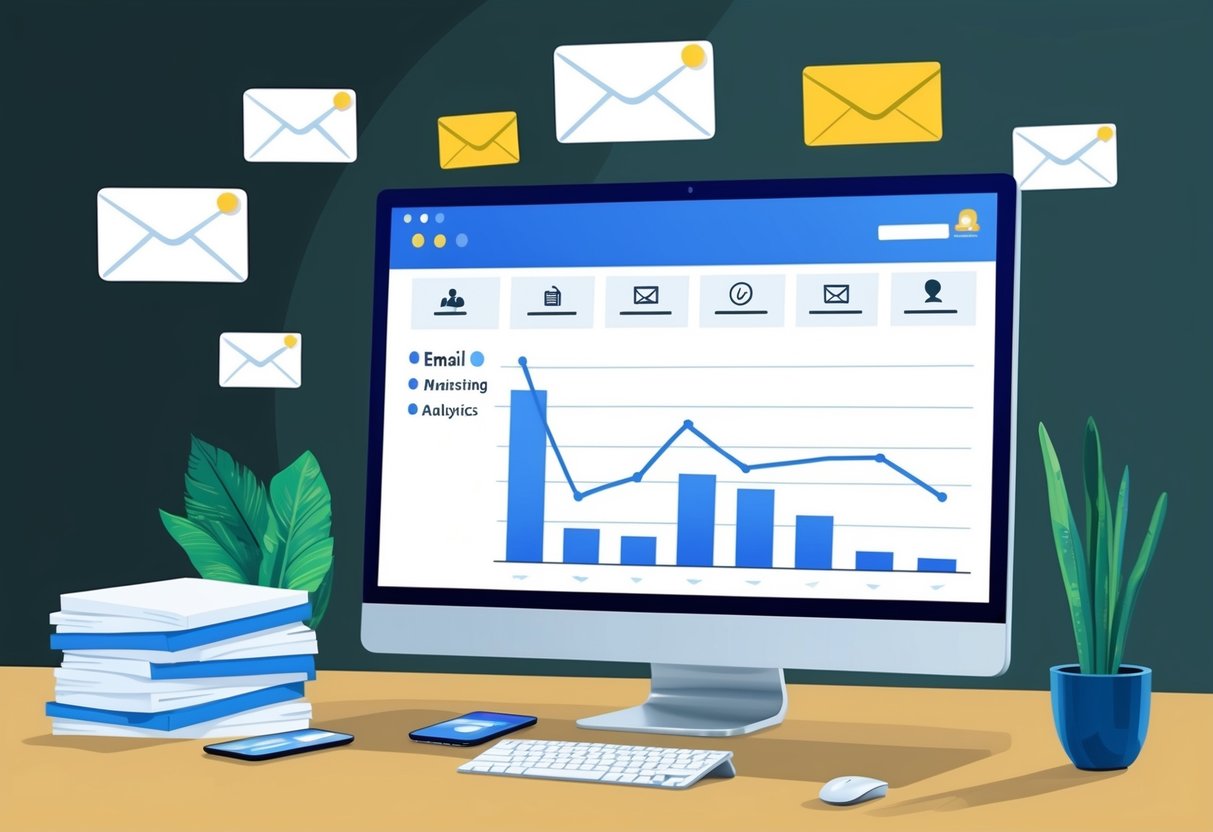 Do you know what separates an ordinary marketer from an exceptional one? It’s the savvy use of analytics. Understanding engagement metrics can transform your email marketing strategy, pushing your passive income to new heights. Email analytics can reveal important insights about subscriber behavior. Key metrics include open rates, click-through rates, and conversion rates. By analyzing these, I can identify what resonates with my audience and adjust my campaigns accordingly. Imagine being able to tell exactly when your subscribers are most active. Timing is everything. Sending emails at the optimal time increases the chances of engagement, leading to more effective campaigns. Table: Key Engagement Metrics
Metric
What It Tells Me
Open Rate
How often people are opening my emails
Click Rate
How often links are clicked within my emails
Conversion
How many subscribers take the desired action
Using advanced analytics tools, I can uncover hidden patterns and trends. Utilizing AI algorithms for analytics supports decision-making based on solid data, ensuring my strategy aligns with customer preferences. Isn’t it gratifying to know which content sparks attention or drives sales? By evaluating what works and what doesn’t, I can pivot quickly, improving future emails and pathing the way to financial independence. Have you ever noticed how small adjustments can make a big difference? Tailored strategies help me engage with subscribers meaningfully, leading to scalable growth in passive income. Think of each email as a stepping stone toward a more prosperous future.
Maintaining Trust and Customer Service
 Trust is the foundation of any successful business, and email marketing is no different. When I send out emails, I aim to build a connection, not just sell a product. Personalization plays a huge role here. By addressing subscribers by their name and providing targeted content, I make them feel valued. A strong customer service approach further strengthens this trust. Prompt and attentive responses to queries show dedication to my subscribers. When someone asks a question, I see it as an opportunity to reinforce my commitment to their satisfaction. Quick replies can turn a simple inquiry into a positive experience. Consider this: if an email is the first step in a conversation, how do I keep the dialogue going? By ensuring transparency. I keep my audience informed about what to expect from my emails. This openness fosters trust and sets clear expectations. Using email marketing automation allows me to be consistent. It’s vital that subscribers feel they matter to me, not just when I want something from them. Automated messages help maintain a steady flow of communication. This keeps the relationship active without overwhelming them. Here’s a quick tip: offer exclusive content or deals to your subscribers. This not only rewards their loyalty but also strengthens the bond. It’s about showing appreciation for their trust. In the journey of automating email marketing, maintaining trust and excellent customer service is non-negotiable. Customers want to feel heard and valued. When that happens, they’re more likely to engage and invest in what I offer.