
Have you ever wondered how healthcare planning can safeguard your financial legacy? As we move through life, there are countless demands on our money. We juggle saving for retirement and planning for the unexpected, all while trying to support our families. It’s critical to not only think about where our money is going today but also plan for what happens if we face healthcare challenges.  The link between healthcare planning and financial security is profound. By having a robust plan, you can ensure that your assets are protected, and your family’s future is secure. Planning for healthcare is not just about having coverage; it’s about creating a blueprint that aligns with your long-term financial goals. This strategy can be a game-changer in maintaining and protecting what you’ve worked so hard to build.
1) Estate Plan Development
 What is one of the most vital steps in safeguarding your financial legacy? It’s developing a solid estate plan. Many of us reach a point where the traditional approach to financial security feels uncertain. This is where an estate plan becomes essential. It bridges the gap between your current life and the future you envision. Estate planning begins with assessing what you own and understanding what you want to protect. It sounds simple, but how often do we take the time to truly evaluate our assets? Going through this step helps clarify your financial picture and reveals areas that might need more attention. Setting up an estate plan isn’t just about the tangible assets. It involves thinking deeply about who will make decisions on your behalf if you can’t. Do you have someone you trust to take on this role? Identifying this person early can prevent future stress and conflict for your family. One of the benefits of a well-developed estate plan is avoiding unnecessary legal costs down the road. Without clear instructions, assets could be tied up in probate, draining time and resources. Why leave it up to chance when you can control how your finances are handled? This planning process also offers the chance to support causes or people you care about. Is leaving a legacy part of your vision? Estate planning allows you to outline exactly how you wish to allocate your wealth, ensuring it supports your passions and beliefs. The key to successful estate planning is flexibility. As life changes, so should your plan. I make it a point to regularly review mine to ensure it aligns with my goals and the evolving needs of my family. You’ll find peace of mind knowing that your plan is always in tune with your present and future aspirations.
2) Long-Term Care Insurance
 Imagine reaching retirement with peace of mind, knowing that unexpected health issues won’t wipe out your savings. That’s where long-term care insurance steps in. At its core, this type of insurance helps cover the costs of care that aren’t typically covered by health insurance, such as assistance with daily activities like bathing, dressing, and eating. Why is this important? The costs for long-term care can be staggering. Without planning, you might end up using your hard-earned savings or relying on family members. Long-term care insurance aids in preserving your financial legacy by covering these expenses. It ensures you’re not a financial burden to your loved ones. Investing in long-term care insurance can also protect your family’s inheritance. Instead of using your assets to pay for care, the insurance steps in to handle these costs. This means your savings and property can be passed down as you intended, not dwindled away by healthcare needs. Have you ever thought about how maintaining independence impacts your future? Long-term care insurance supports this by allowing you to choose quality care without tapping into your own pockets or needing to depend on others. Furthermore, consider the stress relief it provides for your family. With this insurance, your loved ones are free from the worry about how to pay for your care, allowing them to focus on providing emotional support. In a world of uncertainties, long-term care insurance provides a safety net. Why not take control of your future by considering this essential part of healthcare planning? It’s all about safeguarding your financial legacy and ensuring your golden years are just that—golden.
3) Regular Financial Checkups
 I’ve often wondered, how many times do we check our bank statements but forget to check the overall picture of our finances? Just like scheduling regular doctor visits, scheduling financial checkups can be key. They become the core tool to keeping everything financially fit. What’s the point of all that hard work if I don’t ensure it’s well protected? By looking through my finances regularly, I can catch any issues before they become big problems. This means better decisions can be made with confidence. It’s not just about creating budgets. It’s also about making sure those budgets are still working for me. Why let small oversights grow into major setbacks? Regular checkups allow me to see where my money is going and keep my priorities in check. Are my retirement plans on track? Checking in on them can prevent last-minute scrambles. Evaluating my retirement savings helps ensure I’ll be ready when the time comes. It’s comforting to know I’m being proactive rather than reactive. Debt can creep up unexpectedly. By keeping an eye on it, I can strategize ways to reduce it. Financial checkups give me a complete view of my obligations, allowing me to choose the best paths for managing them effectively. It’s about progress—and planning for my future goals. When I continually assess how I’m progressing, I can adjust if I’m swaying off course. Each checkup is a step toward securing my financial legacy.
4) Critical Illness Coverage
 Ever thought about what a serious illness could do to your finances? Critical illness coverage is a smart way to protect what you’ve worked so hard to build. It’s insurance that provides a cash payout when you face a major health crisis like a heart attack, stroke, or cancer. These health events are not only emotionally draining but can also be a huge financial burden. Your primary health insurance may not cover every expense. That’s where critical illness insurance steps in. It can help cover costs that your regular insurance doesn’t. What’s great is that you can use the payout for anything you need. Whether it’s covering medical bills or helping with rent, the choice is yours. It’s flexible and provides peace of mind when unexpected health issues arise. Another advantage is the coverage for a range of conditions. Policies can be tailored to your needs, providing financial support when you need it most. It’s not just about covering expenses—it’s about maintaining your lifestyle during tough times. Whether you are planning for your future or ensuring your family is secure, critical illness coverage is a significant piece of the puzzle. It ensures you’re prepared, no matter what life throws your way. By adding this layer of protection, you can confidently move forward with your financial planning.
5) Retirement Savings Strategy
 Are you ready to unlock the secret to securing your future? It’s all about having a solid retirement savings strategy. I’ve seen too many people reach retirement age, only to realize they haven’t saved enough. This is where a strategic approach can make a world of difference. One powerful tool in your retirement arsenal is the Health Savings Account (HSA). The unique tax advantages of HSAs can help reduce your taxable income, and the savings can be used for future healthcare expenses. If you’re not already taking advantage of this, what are you waiting for? Think about the rising costs of healthcare. It’s crucial to understand just how much you will need to cover these expenses. Some estimates suggest that a couple retiring today might need about $315,000 after taxes just for medical expenses. Sound overwhelming? It doesn’t have to be. Consider diversifying your retirement portfolio. An often-overlooked aspect of retirement planning is investing in a mix of stocks, bonds, and funds. This diversification can protect you against market fluctuations and help grow your savings over time. What if I told you it’s vital to account for inflation? Healthcare costs are increasing faster than general inflation, eating away at your savings. Planning for these increases now can protect your financial legacy in the future. Don’t let an unexpected rise in costs catch you off guard. Furthermore, do you have a strategy for long-term illnesses? Managing potential chronic conditions is essential. This proactive approach will safeguard against unplanned expenses down the line, ensuring your savings are protected, and your health needs are met.
6) Health Savings Account
 Have you ever wondered why a Health Savings Account (HSA) might be the financial tool you’ve been missing? For those of us focused on a solid financial future, an HSA offers a strategic way to handle medical expenses. What makes an HSA so appealing? First, the tax advantages are hard to ignore. Contributions to an HSA are tax-deductible, which means you can reduce your taxable income. Isn’t saving on taxes something we all want? Plus, the funds in your HSA grow tax-free. This means that over time, your money has the potential to increase without the burden of taxes eroding your gains. And when you use these funds for eligible medical expenses, you won’t pay taxes on that money either. Another benefit of HSAs is flexibility. You can use the funds when you need them, or let them stay in the account and grow. Unlike some other accounts, there’s no pressure to spend it all within a year. How often do we get that kind of control over our savings? For those of us planning for the future, an HSA is more than just a short-term solution. It can be a cornerstone of your retirement strategy. By allowing the funds to grow, you are building a reserve that can be used in later years when medical expenses may rise. This flexibility can be especially comforting if you’re also trying to manage other financial goals like helping your children or securing your retirement.
Understanding Healthcare Planning
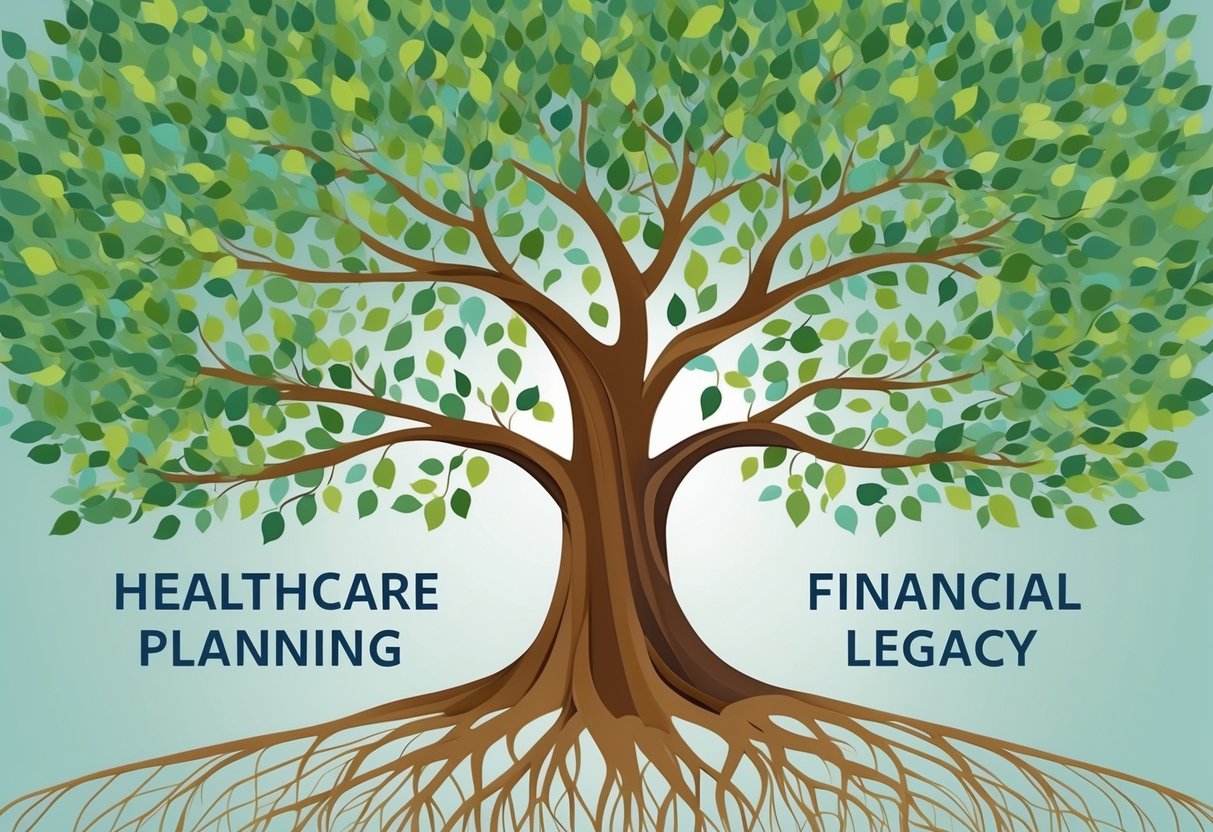 Healthcare planning is an essential part of securing your financial future. By integrating healthcare into your financial strategy, you can better manage unexpected costs and ensure your legacy is protected.
The Role of Healthcare in Financial Security
Why is healthcare such a critical component of financial security? It’s simple: medical expenses can be a significant burden if not managed correctly. When you plan your healthcare, you protect yourself from unexpected costs that can derail your financial goals. Each year, many families face overwhelming bills from illnesses or accidents, which sometimes leads to financial ruin. Incorporating healthcare into financial planning also means understanding insurance options and how they align with your overall financial strategy. It’s not just about having insurance; it’s about having the right insurance for your age, health status, and personal circumstances. As we age, healthcare needs change, and what worked for you at 30 might not be suitable at 50. Addressing these needs helps preserve wealth and ensures that you can meet future challenges head-on.
Components of a Comprehensive Health Plan
A comprehensive health plan should cover different areas. Start with basic medical coverage. It’s the foundation and deals with common health needs. Moving beyond that, consider specialized care, such as dental or vision, especially as these needs grow with age. Think about long-term care insurance. As we live longer, the possibility of needing extended care increases. This insurance can save you from exhausting your savings if long-term care becomes necessary. Next, factor in health savings accounts (HSAs). These can be a tax-efficient way to save for medical expenses while allowing your money to grow over time. Finally, plan for emergency situations. Having a financial buffer for emergencies adds a layer of security to your health plan. It’s vital to regularly review and adjust your plan based on changes in health, personal goals, or family circumstances.
Long-Term Financial Implications
 Planning for healthcare not only deals with immediate needs but significantly affects long-term finances. Understanding how medical expenses and estate planning intersect can help secure your financial legacy.
Managing Unexpected Medical Costs
Unexpected medical costs can strain even the best-laid financial plans. These costs, such as emergency surgeries or long-term treatments, often catch us off guard. Did you know that home health care expenses can exceed $50,000 annually for part-time care? This highlights the importance of budgeting for unforeseen circumstances. I suggest setting up an emergency fund dedicated to healthcare. This should be separate from other savings and tailored to cover several months of potential medical expenses. Insurance also plays a critical role here. Evaluating and updating your policy ensures it meets current healthcare costs and provides adequate coverage in emergencies. Of course, relying solely on insurance is risky. Consider investing in supplemental plans to cover gaps in traditional insurance policies.
Impact on Estate Planning
Estate planning becomes complex when healthcare costs are factored in. Medical expenses can deplete assets meant for heirs. Have you considered how these costs impact your loved ones’ inheritance? Crafting a solid estate plan involves more than just writing a will. It includes strategies to preserve your assets from being eroded by healthcare financial needs. Trusts, for example, can shield your estate from creditors and possibly even from large medical expenses. I also emphasize the importance of long-term care insurance in estate planning. This type of policy can help protect your assets by covering potentially high costs of long-term medical care. Talking to a financial planner about integrating healthcare considerations into your estate strategy is a smart move. Your family’s future could depend on these decisions.