Many people over 40 feel anxious about finances, despite years of hard work and saving. A small amount like $500 might not seem like much, but it can be a stepping stone to new income streams.  What if there was a way to make your money work for you, instead of the other way around? It’s possible to shift your mindset from just saving to actively generating income. The strategies in this article are designed to help you explore those opportunities, offering a more secure financial future.
1) Invest in Dividend Stocks
 Ever wonder how to make your money work for you instead of the other way around? Dividend stocks could be the answer. These stocks pay you a part of the company’s earnings regularly, and with $500, you can start building a portfolio that grows steadily over time. Why choose dividend stocks? They offer a dual benefit: potential for capital appreciation and regular income. Some companies have a track record of maintaining or even increasing their dividends. This can help you manage those nagging worries about retirement savings or supporting your kids’ education costs. Investing in dividend stocks doesn’t have to be complex. Look for companies with a history of stable earnings and a healthy payout ratio. This indicates they can sustain paying dividends even in tough times. Retail giants like Target and Lowe’s are examples of companies that pay dividends while maintaining growth strategies. Exchange-traded funds (ETFs) are another option if you’re not keen on picking individual stocks. ETFs like the Fidelity High Dividend ETF bundle various dividend-paying stocks. This diversification can reduce the risk while still giving you access to dividend income. Curious about how much income $500 can potentially generate? The amount depends on the dividend yield of the stocks you choose. A yield of 3% might seem modest, but when reinvested, the power of compounding can make a noticeable impact over the years. Starting small with dividend stocks also offers valuable investment experience. Over time, you’ll learn more about market trends and discover what aligns best with your financial goals. This hands-on knowledge can be empowering, transforming financial frustration into financial freedom.
2) Open a High-Yield Savings Account
 Ever wonder if your money could work harder for you? Traditional savings accounts often offer a modest interest rate, but a high-yield savings account shakes things up. These accounts can earn much more, sometimes offering 4% to 5% annual percentage yields. This means your money grows faster, adding a steady stream of passive income to your financial arsenal. Many financial institutions provide high-yield savings accounts with no monthly fees. It’s an excellent place to start if you’re seeking a low-risk option. Unlike the stock market or real estate, this avenue doesn’t demand much attention. Once your account is open, compound interest handles the rest, and your balance grows over time. You might ask, “Do I need a lot of money to see benefits?” Not necessarily. Even starting with as little as $500 can make a difference. The key is consistency. Adding small amounts over time can lead to significant growth, thanks to compounding interest. This approach can also serve as a buffer for unexpected expenses or emergencies. Automation makes it even easier to build wealth without stress. Setting up automatic transfers to this account ensures you’re consistently saving without needing to remember each month. It’s a foolproof way to keep your passive income growing.
3) Peer-to-Peer Lending Platforms
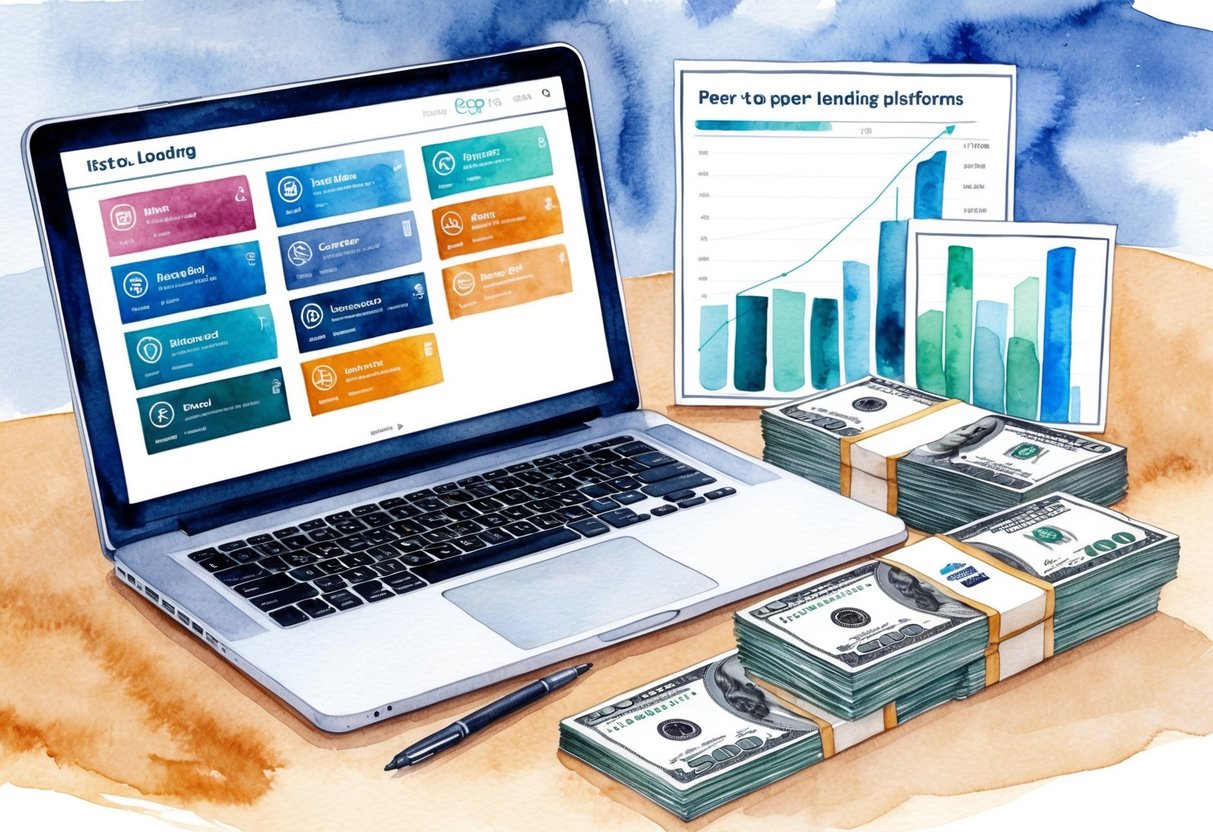 Have you ever felt that your savings aren’t working hard enough for you? Peer-to-peer (P2P) lending might be the answer. By lending your money directly to borrowers through these platforms, you can earn interest that beats traditional savings accounts. Platforms like Prosper offer automatic investing options, making it easier to manage your money. They assign ratings to loans, allowing you to choose the level of risk you’re comfortable with. This way, you can create a diverse portfolio with your $500 investment. The appeal of P2P lending is its potential for high returns. For instance, some platforms show average annual returns of over 10%. Of course, the higher the return, the greater the risk. This is something to keep in mind if you choose to explore this opportunity. Why settle for low interest when you can aim higher? Provisions often protect your investments. For example, certain platforms offer funds that safeguard against borrower defaults, though they may charge a fee for this service. It’s crucial to weigh the costs against the benefits when deciding on this added layer of security. P2P lending is not just about the numbers. There’s a satisfaction in knowing your money is directly helping someone achieve a goal, like funding a business or school fees. It’s a personal touch that typical investing lacks. Isn’t that a refreshing change?
4) Purchase an Automated Vending Machine
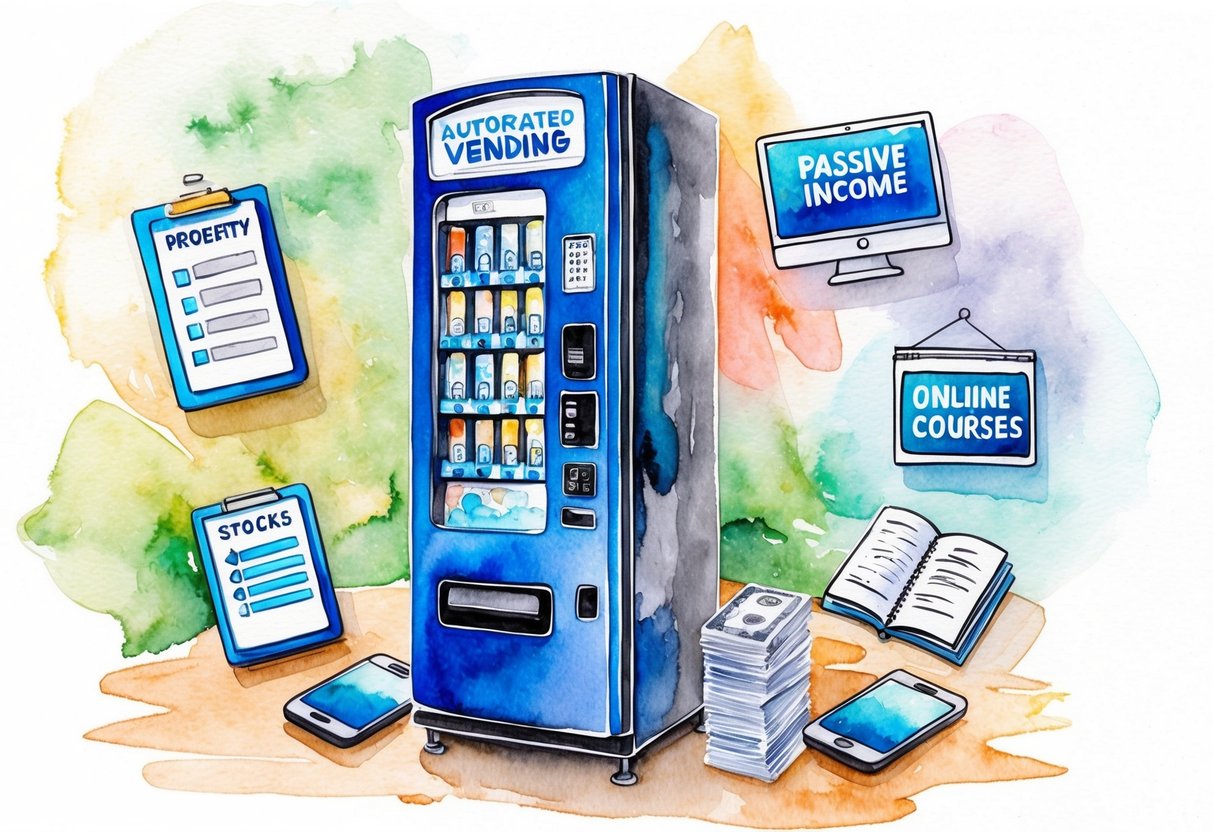 Ever thought about making money while you sleep? An automated vending machine can be your ticket to passive income. With just $500, this investment allows you to start small and gradually expand. Imagine setting up a few machines in high-traffic areas like offices, gyms, or schools. The earning potential is impressive with relatively low maintenance. You might wonder, how much can a vending machine make monthly? Moderately successful operators can expect to generate around $300 to $1,000 in profit per month, after covering expenses like restocking and maintenance. It’s about finding the right location where your machines serve the needs of the audience. Location is everything in this business. What makes vending machines so appealing is their convenience. People love grabbing a quick snack or drink without queuing up. By offering popular items, you can attract a steady stream of customers, ensuring consistent revenue. Plus, it’s a business that doesn’t require daily oversight. Are there any risks? Like any investment, there are always considerations. You need to think about machine security and potential vandalism, but these risks are manageable. Installing security cameras or partnering with a secure location can mitigate these concerns. Embracing technology is key. Some machines now allow cashless payments, making them more appealing to tech-savvy customers who prefer using cards or mobile payments. Staying updated with trends can give you a competitive edge and boost sales.
5) Start a Print-on-Demand Business
 Have you ever dreamed of owning a business but feared the daunting upfront costs? A print-on-demand business might be just what you need to explore. It’s a flexible way to earn some income without breaking the bank. With just a laptop and a creative idea, you can create products like t-shirts, mugs, and phone cases. Why is print-on-demand appealing? You don’t need inventory. When someone orders an item, it’s printed and shipped by a third-party service. This cuts down on risks and costs. It’s an attractive model for anyone wanting to dip their toes into entrepreneurship without the usual hassles. Finding your niche is key. Who do you want to reach with your designs? Passionate pet owners? Fans of vintage art? Exploring different markets can help you stand out. Marketing your store is crucial. Social media platforms like Pinterest or Instagram can drive traffic to your site and help you connect with potential buyers. SEO optimization is also important, ensuring that your products appear in relevant search results. Interested in getting started? Look into reliable platforms and partners who offer quality products and dependable shipping. Evaluate their fulfillment timelines and product options. Choosing the right partner can impact your business success significantly.
Understanding Passive Income
 In this section, I explore what passive income truly means and address some common misconceptions. Passive income isn’t just about making money while you sleep; it requires a strategic approach to build and maintain.
Definition and Benefits
Passive income refers to earnings generated with minimal active involvement from you. It’s like planting a seed; initially, there’s effort, but once it grows, it provides fruit consistently. For example, rental income from properties or dividends from investments can serve as passive income streams. What are the benefits? Passive income can offer financial freedom, allowing you to have more choices in life. Want to travel more or spend time with family? This income type can make that possible. It provides a safety net, too, diversifying your income sources beyond regular salaries. Think about adding peace of mind as you plan for retirement or unexpected expenses. Key advantages include:
- Financial Security Protect yourself against job loss.
- Time Flexibility Gain control over your schedule.
- Growth Potential Reinvest profits for increased income.
Common Misconceptions
Many believe that passive income is effortless. But is it really? While it demands less day-to-day labor than a regular job, setting up these income streams takes time, knowledge, and sometimes initial capital. It’s incorrect to assume you can start seeing results without a solid plan and some initial work. Another common myth is that you need to be wealthy to start. With options like peer-to-peer lending or starting small investments, you can begin even with modest funds, like the initial $500 I’m focusing on. It’s essential to recognize the difference between real passive income and schemes promising quick earnings. The latter often lack sustainability and transparency. Relying only on passive earnings early can also lead to disappointment. Use these streams to complement, not replace, your existing income at first. Then, as they grow, consider scaling it up.
Financial Planning and Goal Setting
 When it comes to starting passive income opportunities, knowing one’s financial goals and assessing personal risk tolerance are fundamental. These elements form the backbone of any financial plan that drives success and sustainability.
Assessing Risk Tolerance
How much risk can you comfortably take? Understanding this is crucial. Risk tolerance varies from person to person, influenced by factors like age, financial situation, and future goals. I often tell people approaching mid-life to consider not only how much they’re willing to risk but also how much they can afford to lose without jeopardizing their financial security. Engage in exercises like stress-test simulations for investments. Such exercises are eye-openers, allowing one to see potential outcomes under various market conditions. It doesn’t hurt to balance between high-risk, high-return options and more secure, stable investments. This creates a robust financial plan tailored to individual needs and peace of mind.
Setting Realistic Expectations
Ever wonder why so many financial plans fail? Unrealistic expectations often lead to disappointment and frustration. I believe in a practical approach: setting attainable goals that reflect one’s current financial standing and foreseeable future. Start small. If you’re planning to build passive income with $500, what does success look like in six months? In a year? Establish milestones—small wins that encourage continued effort and adaptation. Consider setting SMART goals (Specific, Measurable, Achievable, Relevant, Time-bound). They help in creating a clear roadmap and make every step forward a reason to celebrate. In setting these, don’t just dream big; make dreams actionable. Aim for goals that inspire, but also feel within reach.