
Estate planning can feel overwhelming, especially when considering all the details involved. While most people focus on creating a will or establishing a trust, beneficiary designations are equally important. Why should you care? Because this is about ensuring your hard-earned assets truly benefit your loved ones.  We often think we’ve covered all our bases, but have we really considered how beneficiary designations fit into our larger plan? Understanding beneficiary designations can make or break your entire strategy. This aspect of estate planning is crucial, yet commonly overlooked, impacting the distribution of your assets in ways you might not expect. Considering these elements now can help ease transitions for your loved ones later. I invite you to explore these often ignored details to make sure your estate plan doesn’t just exist on paper but genuinely serves your long-term goals. In doing so, you’re not just planning; you’re taking control.
1) Updating Beneficiaries Post-Life Events
 Ever wonder why your estate plan feels incomplete? It’s often because we forget to update our beneficiary designations after life’s big events. Major moments like weddings, divorces, or having a new baby can change your financial landscape entirely. Why leave your legacy to chance? If a named beneficiary passes away, and you don’t update your designations, it may lead to legal complications, costing time and money. Keeping beneficiary designations current helps ensure your assets pass to the right people. It’s easy to overlook these updates, but doing so can lead to unintended consequences. Imagine your ex-spouse inheriting your assets simply because you forgot to update a form. By regularly reviewing these details, you take control of your financial future. Many people update their estate plans but forget to align their beneficiary designations. This misalignment creates confusion for your heirs and can delay asset distribution. Make sure your beneficiaries match your estate plan to prevent unnecessary stress for your loved ones. So, next time you’re reviewing your finances, remember to double-check these crucial designations. It’s a simple step that can make a big difference for you and your family.
2)Contingent Beneficiary Importance
 Have you ever thought about what happens to your estate if a primary beneficiary can’t inherit? Designating a contingent beneficiary ensures your assets still reach the right hands. This step helps keep your plans intact, even if life tosses a curveball. Too often, people overlook this crucial detail in their estate planning. Naming a contingent beneficiary is like having a backup plan. It prevents your assets from getting tangled in probate. When a primary beneficiary is unable or unwilling to claim their inheritance, the contingent beneficiary steps in. This can save your loved ones from unnecessary legal messes and stress. Why let your money and effort go to waste? A proper designation ensures smooth transfers of assets, bypassing unnecessary hurdles. It makes sure your wishes are honored, no matter what life throws your way. With this peace of mind, you protect not only your estate but also your family’s future. Remember, life changes—marriages, divorces, births. Keep your estate plan up to date. Regularly reviewing your contingent beneficiaries is essential to adapting to these changes. This way, your asset distribution aligns with your current situation. Taking the time to designate a contingent beneficiary could be one of the wisest financial decisions you ever make.
3) Naming Minors as Beneficiaries
 Have you ever thought about naming your children as beneficiaries? It’s a common choice, but what happens if they’re still minors? This scenario can lead to legal complications that most people don’t foresee. A minor can’t directly receive financial assets because they’re not legally allowed to manage them. What does this mean for your estate plan? It means you need a plan for managing these assets until your child reaches adulthood. Setting up a trust can be a wise option. When you establish a trust, you appoint a trustee who manages the assets on behalf of your child. This ensures the funds are used appropriately and when needed. But, how do you choose a trustee? It should be someone you trust, with the skills to manage money wisely. Another approach is to work closely with legal professionals to explore other options like a custodial account. This way, your wishes are clear, and you provide a safety net for your child. Choosing the right path depends on your unique situation. Think strategically and protect your family by planning carefully. If these decisions feel complex, remember that it’s crucial to seek advice tailored to your needs. It’s your legacy, so make it count.
4) Impact of Joint Ownership
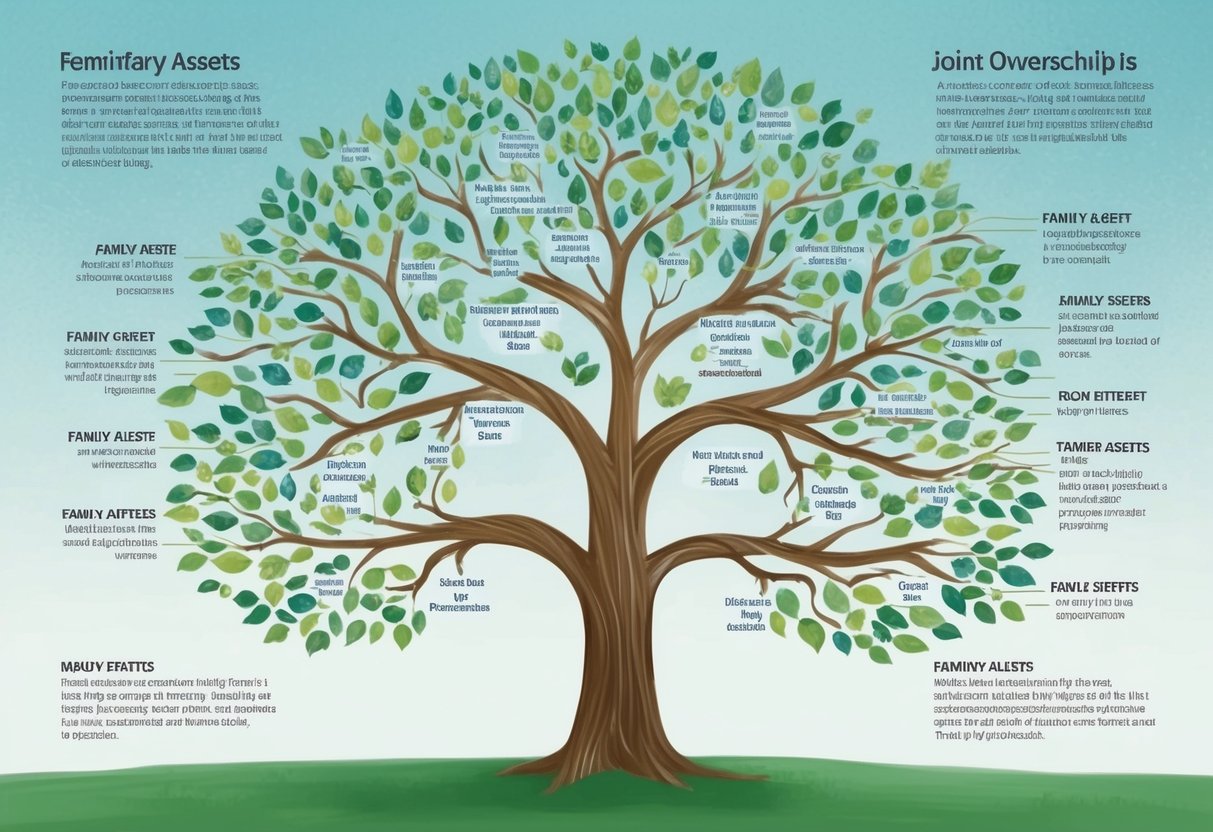 Have you ever thought about joint ownership in estate planning? It sounds simple, right? You add someone to your account or title, and you think the problem is solved. When I dug deeper, it became clear that this method brings its own challenges. Imagine owning property with someone else. If they pass away, it may seem like everything transfers smoothly to you. That’s not always true. You might run into probate if not all the owners are alive. Also, joint ownership affects control. Do you want someone else to have a say in your property now? This could be an issue. Think about your family’s needs and how this arrangement might affect them. Consider the long-term implications. What happens if you want to sell or change something? It often requires agreement from all parties involved. It’s crucial to understand these factors before deciding. While joint ownership can help, it also demands careful thought. Ask yourself: is this the best move for my estate plan? For more insights, explore the complications with joint ownership and beneficiary designations.
5) Beneficiary Designation Hierarchy
 When you think about estate planning, do you ever wonder how the order of beneficiaries could affect your plan? The hierarchy of beneficiary designations can have a big impact on how your assets are distributed. Imagine you’ve listed several beneficiaries for different assets like retirement accounts or life insurance. Each asset might have a primary beneficiary and then contingent ones. The primary beneficiary is first in line to receive the asset. If the primary beneficiary can’t claim the asset, maybe due to death or other reasons, the contingent beneficiary comes into play. Does this hierarchy sound simple enough? Not so fast. What if your contingent beneficiaries don’t exist anymore or can’t be located? It’s crucial to keep the hierarchy updated to avoid confusion and legal challenges. This means reviewing your designations periodically. You might also face different rules depending on the type of account or jurisdiction. Some policies automatically change their hierarchy if certain life events occur, like divorce. Understanding these dynamics is key to making choices that protect your wealth effectively. Thinking about the hierarchy isn’t just a checkbox on a list. It’s an opportunity to shape how your legacy impacts those you care about. Focus on the details now to save your loved ones trouble down the road.
Understanding Beneficiary Designations
 Beneficiary designations are vital, yet often overlooked, parts of estate planning. Getting these details right can significantly impact how your assets are managed and distributed after you pass away, affecting your family’s financial future.
Role in Estate Planning
Why do beneficiary designations matter so much? They allow you to decide where specific assets like life insurance policies or retirement accounts go without involving a will. Imagine having the power to specify exactly who receives these assets, saving time and potentially avoiding probate. Beneficiary designations are straightforward but crucial. They take precedence over wills in many cases. A common mistake is assuming a will controls everything. This isn’t true for accounts like IRAs or 401(k)s, where your designated beneficiary is king. You must revisit these designations regularly. Life changes, like marriage or divorce, can shift your priorities. Think strategically. Keeping your designations up-to-date means your assets reach the right hands. Isn’t that what estate planning is all about? When I consider how important beneficiary designations are, I see them as the bridge connecting today’s plans with tomorrow’s security.
Legal Implications
There are legal consequences if beneficiary designations are not addressed properly. Many think having a will is enough, but neglecting beneficiary designations can lead to unintended outcomes. Assets meant for your children could unintentionally go to an ex-spouse if forms aren’t updated. The law looks at these designations as binding contracts. Once filled out, they are often difficult to contest. Legal battles arising from improper beneficiary arrangements can drain resources and create family strife. So what can you do? Make it a habit to update your designations. Are your forms accurate and complete? Have you considered naming contingent beneficiaries? This small step can prevent significant legal challenges for your loved ones. By staying proactive, you’re not just fulfilling a formality; you’re empowering your family’s future with clarity and peace of mind.
Common Mistakes in Beneficiary Designations
 When handling beneficiary designations, there are certain errors that people frequently make. These missteps can lead to frustration and can easily be avoided with the right information. Let’s explore two common mistakes that can seriously impact your estate planning.
Naming Minor Children
Have you considered the implications of naming your children as beneficiaries? It might seem like a straightforward decision, but it can cause complications. Minors can’t directly inherit funds, so naming them outright could lead to your estate being tied up in court. In many states, a court-appointed guardian manages the funds until the child reaches legal age. This process can be costly and time-consuming. To avoid this, I recommend setting up a trust. This allows you to designate a trustee to manage the funds for your children’s benefit until they reach a more suitable age. A trust offers flexibility, letting you set conditions like using the money for education. This provides peace of mind knowing the funds are used in ways that align with your wishes. Are you prepared to protect your children’s future?
Contingent Beneficiaries
What happens if your primary beneficiary is unable to inherit? This is where contingent beneficiaries come into play. Don’t overlook this important step. Without a contingent beneficiary, your assets may be distributed according to state laws, which may not reflect your intentions. Naming a contingent beneficiary ensures there’s a backup plan. This helps to avoid unnecessary legal battles and delays. When choosing, consider someone who is financially responsible and trustworthy. Keep in mind, life is unpredictable. Regularly review and update these designations to reflect changes such as marriage, divorce, or new family members. Have you revisited your beneficiary arrangements lately?
Keeping Beneficiary Designations Updated
 Are you aware that outdated beneficiary designations can unravel your carefully laid plans? Paying attention to these details is crucial. Not only can it streamline your estate, but it ensures that your wishes are honored.
After Major Life Events
Have you experienced a major life event recently? Events such as marriage, divorce, the birth of a child, or even a significant career change warrant an update to your beneficiary designations. Neglecting this can lead to your assets going to someone no longer connected to your life. Think about how a new marriage might impact your financial priorities. Ensuring these updates is about protecting what you’ve worked hard to build. You wouldn’t want your hard-earned legacy to end up in unintended hands, right? After all, it’s about securing a stable financial future for those you care about most. You deserve peace of mind. Take the initiative and re-evaluate your choices when life takes those unexpected turns.
Consistent Review Schedule
Do you have a schedule to review your beneficiary designations? Relying on a haphazard approach isn’t just risky—it’s costly. Setting up a consistent review schedule ensures that your plan is as dynamic as your life. I recommend examining your designations every few years. Just like a financial check-up, checking these details can prevent unwanted surprises. Changes in tax laws or shifts in your financial landscape necessitate regular updates. How often should you review your beneficiary designations? While there’s no one-size-fits-all answer, aligning reviews with your financial updates or yearly tax preparation can be a practical approach. This proactive stance ensures your estate aligns with your current wishes.