
Navigating the world of estate planning might seem like a maze, but it’s really about safeguarding your financial future. Are you ready to take control and ensure your hard-earned assets go exactly where you want? While many of us have focused on saving and investing throughout our careers, planning for what happens next is just as vital.  Estate planning is more than just a will—it’s about making sure your loved ones are protected and your wishes are honored. Whether you’re thinking about retirement, supporting your kids, or both, understanding the essentials can bring peace of mind. Let’s explore how to start this important process and create a lasting legacy.
1) Last Will and Testament
 When it comes to estate planning, a Last Will and Testament is where it all begins. It’s your opportunity to decide who gets what once you’re gone. Ever wondered who will care for your kids if something happens? A will lets you name their guardian, ensuring they’re raised with your values in mind. This document isn’t just about naming beneficiaries. Think about your family home, your personal belongings, or cherished heirlooms. A will captures your wishes, preventing family disputes. Isn’t that peace of mind worth the effort? You also get to pick the executor. This is the person who will make sure your final wishes are followed. Choose someone responsible and trustworthy. Do they share your vision for your family’s future? Take your time and make a choice that aligns with your values. Why wait to set things straight? It might seem like something we can do later, but life can be unpredictable. Start your estate planning now, and ensure your family’s future is secure and your hard-earned assets go where you want. Are you tired of confusing financial options? The answer may lie in planning ahead. Having a will in place eases concerns about the future, giving you more control. Does this align with your financial goals? Take a step today and secure what you’ve built. Finally, keep in mind a will is not a one-time event. As life changes, update it to reflect new relationships, children, or assets. Being proactive can prevent unnecessary heartache and legal hassles for your family. Is it time to revisit your estate plan? Consider starting with a will. Your legacy deserves thoughtful planning.
2) Revocable Living Trust
 Estate planning can sometimes feel like a maze, but a Revocable Living Trust is a solid option to consider. This tool allows me to manage my assets during my lifetime and even after I’m gone. It’s not just for the rich—it’s a practical step for anyone wanting to make future planning a bit simpler. What exactly makes a Revocable Living Trust valuable? It lets me change it as I wish, whenever I’m mentally capable. That means I’m in control, whether I want to add beneficiaries or alter the terms. It’s like having a flexible blueprint for my financial future. The best part? It helps my estate avoid probate, which can be a lengthy and costly process. By creating a trust, assets can be transferred swiftly to my heirs. This not only saves time but also keeps my financial affairs private. Who wouldn’t want a bit more privacy in today’s world? Imagine setting clear guidelines for your family about who gets what without the court’s involvement. A Revocable Living Trust ensures that my wishes are respected, providing peace of mind. It’s about having a say in how I leave my legacy. There are numerous ways a Revocable Living Trust can make financial sense. From avoiding the hassle of probate to retaining control over my assets, it’s a strategic move for anyone looking to build a secure future. Interested in learning more? Check out detailed insights on Revocable Living Trusts.
3) Durable Power of Attorney
 I often ask myself: who’s ready to make my financial decisions if I can’t? This is where the durable power of attorney comes in. It lets someone I trust handle my financial matters when I’m not able to. Imagine the peace of mind knowing someone can manage my bills, real estate, or bank accounts if needed. Why is this vital? Imagine facing an unexpected illness or accident. Without a durable power of attorney, no one can legally make financial decisions for me. This document ensures that my finances remain intact and properly managed, without court intervention. Choosing the right person is crucial. I don’t just pick anyone. It’s someone who understands my financial needs and respects my wishes. This person will act in my best interest, making decisions as I would. I’ve seen friends regret not having this document. Their families faced legal hurdles just to access their accounts or pay bills. A durable power of attorney prevents such headaches. It’s an easy step but has a huge impact when life throws curveballs. Estate planning can be overwhelming, but it’s worth tackling now. A durable power of attorney is a key piece that paves the way for a secure financial future.
4) Advanced Healthcare Directive
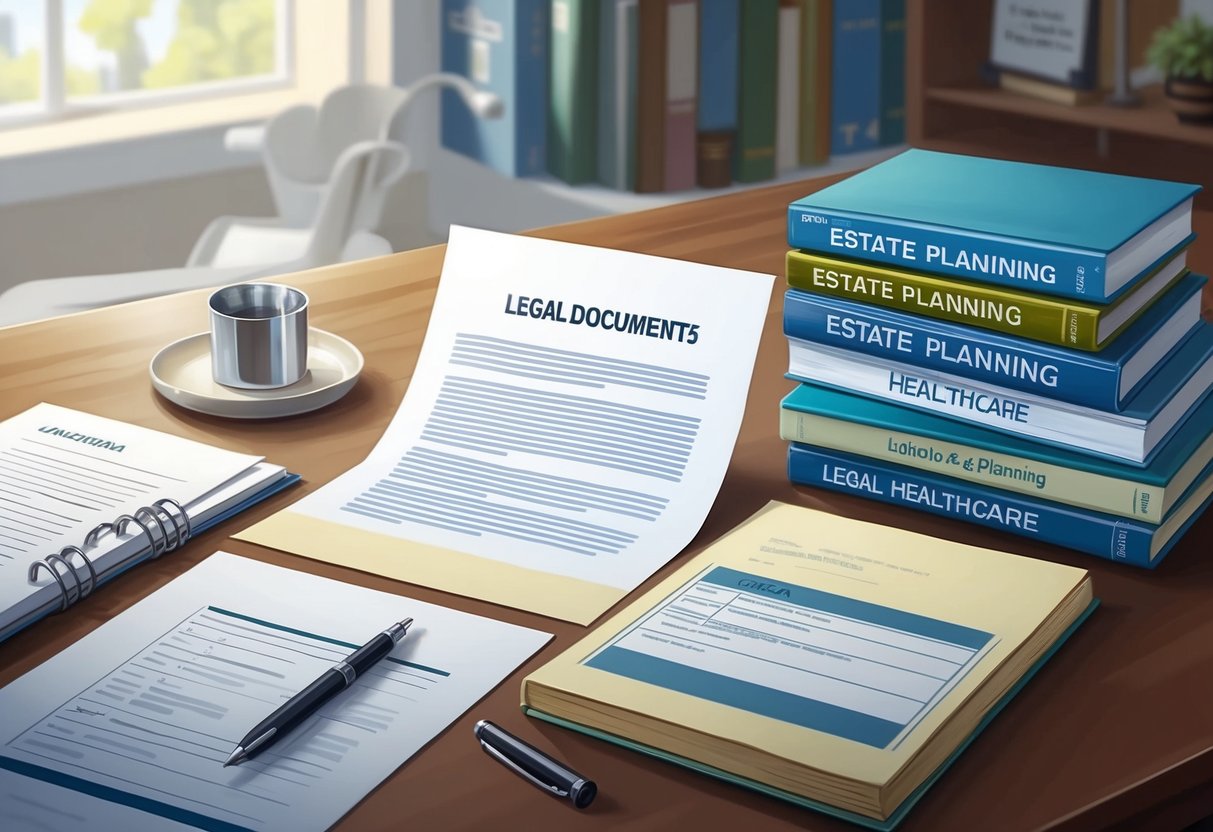 Let’s face it, life can be unpredictable. One moment we’re going about our daily routine, and the next, everything changes. Have you ever thought about what would happen to you if you couldn’t make your own medical decisions? This is where an advanced healthcare directive comes into play. It’s about taking control ahead of time. An advanced healthcare directive, sometimes called a living will, is more than just a piece of paper. It’s a roadmap for your loved ones, guiding them through your healthcare preferences if you become unable to speak for yourself. This document can give you peace of mind now, knowing your wishes will be respected later. When I first explored this option, I wondered why more people don’t have one. It seemed so straightforward and essential. This document clearly outlines your choices about medical treatments, like whether you want life-sustaining procedures under serious conditions. Creating an advanced healthcare directive involves considering some deep questions. What kind of care do you want? Are there certain treatments you’d rather decline? These are critical to think about and discuss with family members so everyone is on the same page. Making these choices is not just about you, but also about making things easier for your loved ones. While setting up an advanced healthcare directive, I found it helpful to consult professionals and get advice tailored to my situation. Understanding the rules and regulations in your region is crucial, as they vary widely. For more insights, some great resources, like those available on Ameriprise and the Mayo Clinic, highlight key aspects of this planning.
5) Beneficiary Designations
 Have you ever thought about what happens to your financial accounts when you’re gone? That’s where beneficiary designations come in. They are the key to ensuring that your assets go directly to the people you care about most. By clearly stating who gets what, you save your loved ones from unnecessary headaches. Beneficiary designations cover a range of assets like retirement accounts, life insurance, and investment portfolios. These designations override what’s written in your will. That’s why it’s crucial to keep them updated. Ignoring this can lead to your hard-earned money falling into the wrong hands. Reviewing these designations regularly is a must. Life changes like marriage, divorce, or the birth of a child can affect your original choices. You want your plan to reflect your current wishes, not your past decisions. Ask yourself, when was the last time I actually looked at these designations? It’s also important to understand that some accounts allow you to list secondary or contingent beneficiaries. This serves as a backup plan. If your primary beneficiary cannot inherit, the contingent beneficiary steps in. It’s like having a safety net for your legacy. So, consider this: Are your beneficiary designations up to date? People often overlook these small but significant details. Taking a little time now can prevent troubles later. Don’t let your hard work go to waste. Make sure your legacy reaches those who truly matter to you.
Understanding Estate Planning
 Estate planning is about more than just writing a will; it’s about preparing for the inevitable and securing a solid future for your loved ones. This process includes choosing the right tools to manage and distribute your assets effectively.
What Is Estate Planning?
Estate planning is the process of organizing how your assets will be managed and distributed after your passing. It involves creating legal documents like wills, trusts, and powers of attorney. These documents ensure that your wishes are honored and that your financial legacy is protected. A well-crafted estate plan not only highlights your financial wealth but also reflects your values and priorities. Estate planning might seem overwhelming, but it’s essential for anyone who wants to protect their assets and provide for their family. A good estate plan can help avoid probate, minimize taxes, and offer peace of mind, knowing that a clear plan is in place for distributing your estate.
Why Estate Planning Is Important
Nobody likes to think about their own mortality, yet planning ahead is crucial. Estate planning can prevent disputes among loved ones and avoid legal challenges. Without a proper estate plan, your estate could be subject to state laws that don’t align with your wishes. This could result in prolonged court proceedings or decisions that might not reflect your desires. Moreover, estate planning allows you to designate guardians for minor children and manage healthcare decisions through documents such as living wills or healthcare proxies. This proactive approach ensures your legacy is preserved and your family is cared for in the way you intend. Isn’t it time to start crafting a future you can control?
Legal Framework
 When setting the foundation of an estate plan, understanding the legal landscape is crucial. From the specific laws of your state to how federal taxes play a role, each aspect can significantly impact your plan’s effectiveness.
State-Specific Regulations
Did you know that state laws can drastically change how your estate plan works? Each state has distinct rules that govern estate planning, including what constitutes a valid will or trust. For example, some states allow handwritten wills, while others don’t. Other differences include the amount of estate taxes or probate costs you might face. It’s essential to consult with a local estate planning attorney who knows the ins and outs of state regulations. This step can help ensure that your documents are enforceable and tailored to your unique situation. Understanding these nuances can save your heirs frustration and money in the long run.
Federal Tax Implications
How do federal taxes impact your estate? The Federal Estate Tax only applies if your estate exceeds the exemption limit, which adjusts annually. For 2024, the exemption is quite high, meaning most estates won’t be taxed. However, knowing how to maximize your plans to minimize taxes is crucial for those with significant assets. Using strategies like gifting and setting up trusts can help reduce potential tax burdens on your estate. Working closely with a tax professional or financial advisor is key to making informed decisions. They can offer guidance on tax-efficient strategies, ensuring you leave as much as possible to your beneficiaries, rather than to Uncle Sam.