
Approaching the age of 40 often brings new priorities and financial responsibilities. It’s a time when the focus shifts toward securing a stable future not just for ourselves, but for our families too. Many of us start to think about how we can ensure our loved ones are cared for, even if the unexpected happens. Estate planning becomes a crucial topic at this stage of life.  Have you considered how an estate plan can protect your family’s future? Planning for what happens to your assets is more than just writing a will. It involves making sure that your family’s financial and emotional well-being is secure. Taking these steps can provide peace of mind, knowing that your legacy will be handled as you wish.
1) Create a Living Trust for Asset Protection
 Have you considered how a living trust can enhance asset protection? It’s a powerful tool that allows you to manage your wealth during your lifetime and beyond. By placing assets in a trust, you can safeguard them from potential creditors and give yourself greater peace of mind. A living trust can also provide flexibility. You’re not just handing over control; you’re creating a framework where your assets can be distributed according to your wishes. This means your beneficiaries receive what you intend without dealing with lengthy probate processes. One advantage of a living trust is the ability to adjust it as your life circumstances change. Whether it’s an unexpected family need or a shift in financial priorities, you have the power to adapt in real-time without undergoing complex legal challenges. Are you worried about taxes chipping away at your estate? Some trusts can reduce the tax burden, allowing more of your hard-earned money to reach your loved ones. Living trusts keep assets out of your name directly, providing a level of protection and potential tax benefits. In building a living trust, you align your financial goals with long-term family security. It’s not just about wealth but about crafting a legacy. Addressing these needs proactively ensures that your family does not face unnecessary hurdles. Have you taken steps to secure your assets through a living trust yet?
2) Establish Guardianship for Minor Children
 Have you ever wondered, “What happens to my children if something happens to me?” It’s a tough question, but one we can’t afford to ignore. As parents, we naturally want to ensure our kids are taken care of, no matter what. Setting up guardianship is a critical part of estate planning, especially for families with small children. Without this piece in place, the court decides who will care for your kids. Can you imagine the future being determined by someone who doesn’t know your child’s needs, dreams, and personality? Did you know that, in many states, a parent cannot be the sole guardian of the estate of a child? This surprising fact means comprehensive estate planning is key to prevent legal headaches down the line. Selecting a guardian involves choosing someone you trust to guide your children through life’s highs and lows. This person not only makes big decisions about education and daily life but also manages the financial aspects. For instance, a guardian of the estate handles a minor’s assets, like an inheritance, making sure they are used in the child’s best interests. Naming a guardian isn’t just about choosing a caretaker; it’s about setting your family values and securing your child’s future. It’s essential that this guardian aligns with your wishes and lifestyle. Hornstine Law has detailed how important it is to make these decisions before it’s too late. Let’s not leave our children’s fate to chance. Investing time in choosing a guardian means peace of mind, knowing your children are in good hands if life throws an unexpected curveball.
3) Minimize Estate Taxes with Strategic Planning
 Estate planning can feel overwhelming, especially when it comes to taxes. But what if I told you there are ways to reduce those taxes significantly? With strategic planning, you can keep more of your wealth in the family. Making use of the high federal estate tax exclusion is one effective approach. This amount may change, but maximizing it while available is crucial. Have you ever thought about gifting? Giving tax-free gifts during your lifetime is a smart strategy. Currently, you can make annual exclusion gifts up to a certain limit per recipient. This not only reduces your taxable estate but also brings joy to your family now. State estate taxes can differ greatly, adding another layer to consider. In some places, estates over a certain amount face steep taxes. Knowing your state’s rules helps tailor your plan to minimize these costs. Creating trusts is another powerful method. By placing assets into a trust, you remove them from your estate, potentially lowering the taxable amount. Trusts also allow more control over how and when your heirs receive their inheritance. How is your estate structured? Taking a fresh look at it with professionals can uncover new opportunities to save on taxes. It’s important to stay informed and proactive. With careful planning, those estate taxes won’t feel quite so daunting.
4) Ensure Healthcare Preferences with an Advance Directive
 Have you ever wondered how your healthcare choices would be respected if you couldn’t speak for yourself? That’s where an advance directive comes into play. It’s not just a document; it’s your voice when you can’t express your wishes. An advance directive lets me outline my specific healthcare preferences. It ensures that whether I’m incapacitated or facing a critical situation, my medical care aligns with what I truly want. I consider it a vital component of my estate plan. For families over 40, this becomes even more important. By this age, many of us have experienced situations in which a loved one couldn’t make their own decisions. It’s both empowering and responsible to have clear instructions ready for such times. Crafting a well-thought-out advance directive not only gives me peace of mind but also relieves my family from the burden of making tough choices. They won’t have to guess or argue about what I might have wanted. When I consult with a knowledgeable attorney, I ensure that my directive meets all legal requirements in my state. This makes it a strong and enforceable document. Why leave your healthcare to chance? Making these decisions in advance is a powerful step toward controlling my future.
5) Avoid Probate for a Timely Distribution of Assets
 Why should we worry about probate? It’s simple. Probate can slow the process of asset distribution, making it a headache for families. Imagine leaving your loved ones in a bureaucratic tangle when they just want to honor your wishes. Wouldn’t you rather ensure a smooth transition? Probate can be a lengthy and costly process. Court fees and legal processes can chip away at your estate. For families who depend on those assets, delays can be frustrating. We don’t want our families jumping through hoops just to gain access to what’s rightfully theirs. Creating a living trust is a smart move to bypass probate. This legal setup helps you manage and distribute your assets without court interference. It’s like setting up a private vault for your estate that ensures everything goes directly to your chosen beneficiaries. Discover more about how to create a living trust at Legal Templates. Joint ownership is another effective strategy. By owning property jointly, you automatically pass ownership to the surviving owner without hassle. It’s a straightforward way to keep your family stress-free during an already challenging time. Learn more about joint ownership options at Jones Legacy Law. Taking these steps doesn’t just save time and money. It gives us control over our legacy and peace of mind knowing our families won’t face unnecessary obstacles. Isn’t it time we put proactive measures in place for our loved ones?
6) Set Up Power of Attorney for Legal Decision-Making
 Have you ever thought about who would make important decisions if you couldn’t? Setting up a power of attorney (POA) is a key step in estate planning. A power of attorney lets you choose someone to act for you in legal or financial matters. This chosen person is called an agent or attorney-in-fact. It’s like having a trusted ally ready to step in when needed. Not everyone needs to use their POA immediately, but having it in place brings peace of mind. There are different types of POA. A durable power of attorney is one that remains in effect if you become unable to make decisions. This can be crucial if unexpected health issues arise. Why? Because it ensures that someone you trust handles your affairs. Choosing the right person as your agent is important. It’s about selecting someone who understands your wishes and can make decisions in your best interest. Think about who you trust most to handle these responsibilities. The cost of setting up a POA can vary. An attorney can help create one for more than $300, but affordable options exist. Services like LegalZoom offer packages starting at $39, making it accessible to many people. Check out power of attorney options from the National Council on Aging. Having a power of attorney in place means you’re not leaving anything to chance. It’s a smart move for anyone concerned about their future, especially as we navigate life’s uncertainties.
7) Safeguard Digital Assets and Passwords for Heirs
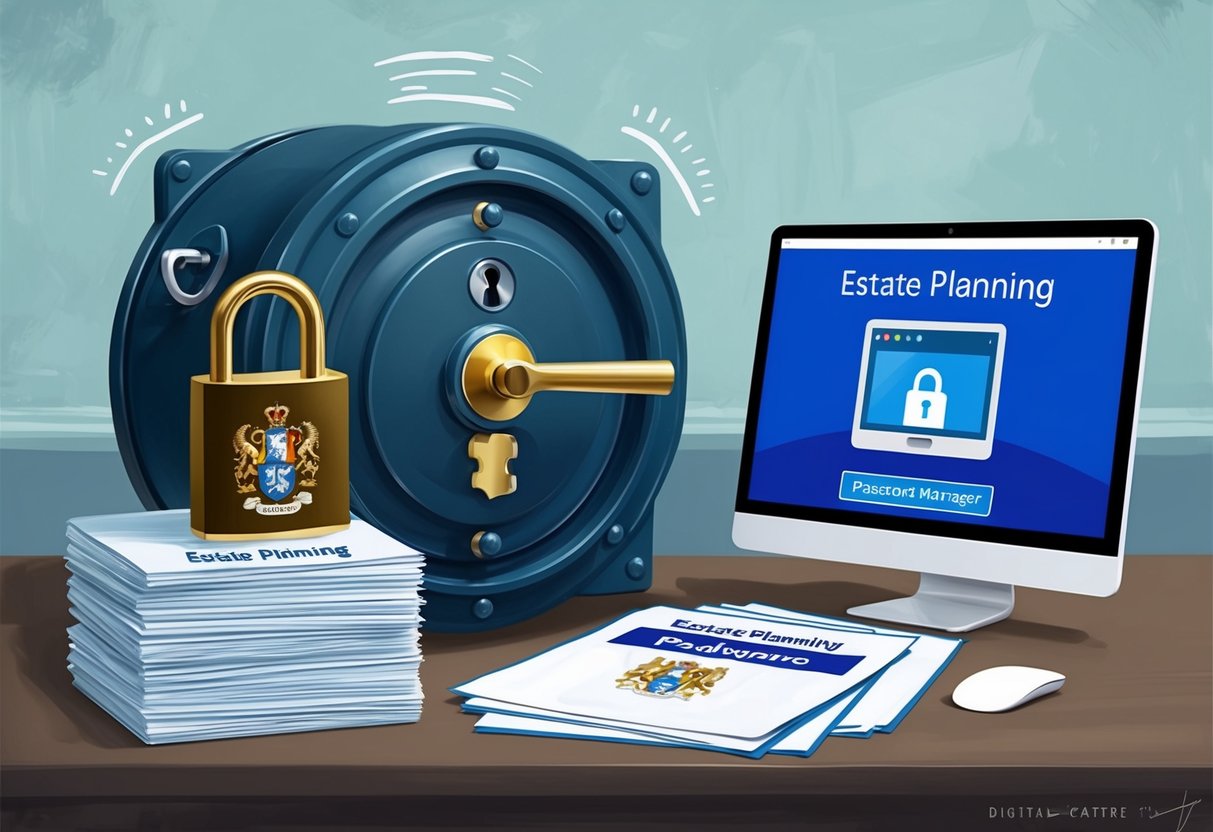 Have you ever thought about what happens to your digital world after you’re gone? It’s a question that many don’t consider until it’s too late. Digital assets, like social media accounts, email, or even cryptocurrency, are just as important as physical assets. Imagine the trouble your heirs might face if they can’t access these accounts. They might miss important financial information or valuable funds tied to online platforms. That’s why it’s crucial to list these assets and make sure the right people have access to them. Wouldn’t it be easier if your family could access passwords and accounts without a hassle? Creating a secure way for your heirs to know your passwords is invaluable. Password managers or handwritten lists stored in a safe place can be lifesavers. Plus, naming a digital executor can ensure your online presence and assets are handled according to your wishes. This is someone you trust to manage or even close your digital accounts. With so much at stake, there’s no room for chance. Stay proactive about your digital legacy to help your loved ones avoid the stress and uncertainty that often comes with accessing digital assets.
Impact Of Estate Planning On Asset Protection
 Estate planning is a powerful tool for protecting your assets. By addressing potential tax liabilities and ensuring your family’s wealth is secure, estate planning provides financial clarity and peace of mind.
Minimizing Tax Liabilities
Have you ever wondered how to keep the taxman from taking a big slice of your wealth? With estate planning, you can strategically minimize tax burdens. By setting up trusts and other legal structures, it’s possible to reduce the taxes paid on inheritance and other transfers of wealth. This isn’t about avoiding taxes unethically — it’s about using existing laws to ensure your hard-earned money goes to your loved ones. Consider using a living trust or charitable donations as part of your strategy. These methods can significantly reduce estate taxes while still benefiting your beneficiaries. When you understand the tax implications, you can plan more effectively. It’s all about protecting your nest egg and ensuring more of it stays where it belongs — with your family.
Safeguarding Family Wealth
Do you want your family’s wealth to vanish due to lawsuits or creditors? Estate planning provides strong defenses against these risks by using legal tools to shield assets. By carefully selecting the right structures, you can protect your wealth from potential legal battles and claims. One effective strategy is the use of family limited partnerships or limited liability companies. These entities help keep family assets intact and out of reach from creditors. With proper estate planning, you ensure financial stability for future generations, preserving the legacy you’ve worked hard to build. Remember, the goal is to make sure your financial resources serve your family, not unexpected liabilities.
Legal Implications For Families Over 40
 Navigating estate laws and preparing essential documents are critical steps for families over 40. These actions ensure that you protect your assets and secure your family’s future.
Understanding Estate Laws
Estate laws can be quite complex, especially as you accumulate more assets over time. Do you know how state laws might affect your estate planning? For instance, different states have varied rules about inheritance and estate taxes, which could significantly impact your financial legacy. You must be aware of both federal and state regulations to plan effectively. Avoiding probate is often a smart move, and understanding how wills and trusts work can help with this. Trusts are especially useful as they allow you to specify how your assets are distributed without going to court. Consider whether a living trust suits your needs. The key is to get familiar with these legal aspects and consult with a lawyer who understands your specific needs and goals.
Preparing Essential Documents
One essential step in estate planning is preparing the right documents. For most families, that means starting with a will, which spells out how you want your assets distributed. This document ensures that your wishes are followed after you’re gone. But what about during unexpected events? That’s where a power of attorney and health care directive come in. A power of attorney lets someone make financial decisions on your behalf if you become unable to. Meanwhile, a healthcare directive explains your medical preferences to family and doctors. These documents play a crucial role in maintaining control over personal and financial matters, even if you’re not in a position to make those decisions yourself. Getting these documents in place is an important part of safeguarding your future.