
Digital estate planning might sound like a complex topic, but it’s something we should all consider. In today’s digital age, almost everything we own has an online component. From social media accounts to online banking, these digital assets need attention in your financial planning. Why leave these important assets unmanaged when they can be included in your overall estate plan?  I’m here to guide you through the basics of preserving your digital legacy. The world is changing fast, and it can be overwhelming. But with the right knowledge and planning, you can ensure your digital presence is protected and managed according to your wishes. Whether it’s ensuring your family has access or preventing identity theft, your digital assets deserve the same care as your physical ones.
1) Create a Digital Inventory
 Have you ever thought about what would happen to your online accounts when you’re not around? Creating a digital inventory is the first step in a solid digital estate plan. It’s like building a roadmap for your loved ones to follow when they need it most. I start by listing every digital asset I have. This includes email accounts, social media profiles, online banking, and investment sites. Imagine your executor trying to trace these without a guide—it’s overwhelming. It’s crucial to document login credentials and account numbers for each entry. Where would your family begin without access information? Keeping this inventory secure yet accessible can save them considerable time and stress. Consider organizing instructions for how you want these assets managed or closed. Think about who should handle your Facebook or financial accounts. It’s about ensuring your digital footprint reflects your wishes. Keep your inventory updated. Digital life is dynamic, and accounts change over time. When was the last time you noticed the bounce in your account list? Don’t forget to update your executor with any changes. Lastly, store your digital inventory in a safe place. This can be with a trusted person or secure location. Some even choose to use digital vault services for added security. Whether it’s a trusted family member or a secure service online, make sure it can be accessed when needed. Crafting a clear inventory not only eases your mind but also lifts a weight off your family’s shoulders during emotional times.
2) Share Access with Trusted Contacts
 Have you ever considered what happens to your digital life when you’re no longer around? It’s a critical question. One essential step in digital estate planning is sharing access to your digital assets with someone you trust. This ensures that your wishes are respected and your assets are managed correctly. Think about who you trust enough to handle your digital assets. This could be a family member, a close friend, or perhaps a legal advisor. Whoever you choose, make sure they are responsible and understand their role. It’s more than just handing over passwords—it’s about entrusting them with part of your legacy. Creating a clear plan is key. Start by making a list of your digital accounts and assets. This includes everything from social media profiles to online banking accounts. Once you have this list, decide what access each contact needs. For some accounts, full access might be necessary, while others may only require limited control. Communication is vital. Talk to your trusted contacts about your digital estate plan. Make sure they understand what you want done with your digital assets. This conversation can help prevent misunderstandings in the future and ensure everything is executed according to your wishes. One practical step is to keep an updated “In Case of Emergency” document. This should include login details, special instructions, and any other relevant information they might need. It’s important to keep this document secure, yet accessible to those you trust. Finally, think about using digital management tools. Some services allow you to store sensitive information securely and share it with trusted contacts when necessary. This adds an extra layer of security and helps you maintain control over your digital legacy.
3) Use Cloud Storage for Digital Assets
 When planning my digital estate, I consider using cloud storage for my digital assets. Why do I choose this? It’s simple and secure. By storing files in the cloud, I don’t need to worry about physical damage or loss. I can access my files from anywhere with an internet connection. This convenience is a significant benefit. It means I can manage my estate whether I’m at home or traveling. Another advantage is the ability to share access with trusted individuals. This makes it easy for my loved ones to access important documents when needed. I can give them the access they need without physical handover. Cloud storage also provides backup options. If something happens to my computer, my files remain safe in the cloud. It gives me peace of mind knowing my digital life is secure. I also appreciate the ability to organize my assets. With cloud services, I can categorize documents, photos, and other files efficiently. This organization helps me and my loved ones find what we need quickly. When choosing a cloud service, I look for reliability and security features. Well-known providers often offer enhanced security and data protection. I make sure my chosen service meets these criteria. Thinking about digital security is vital. I take precautions and use strong passwords. It’s essential to keep access to cloud accounts safe from unauthorized hands.
4) Be Mindful of Subscription Services
 Have you ever forgotten about a subscription service you no longer use? In today’s digital age, these services can silently drain your estate long after you’re gone. Digital estate planning isn’t just about safeguarding your accounts. It includes thinking ahead about every aspect of your digital life. Does your online streaming service bring you joy? Great! Make sure it’s on your list for your loved ones. Subscriptions like software or news sites might be less obvious, but they accumulate costs quickly. Imagine leaving this burden to your family. They may struggle to manage payments for services that hold no value for them. I recommend regularly reviewing your subscription list. Make a simple spreadsheet or document and update it whenever you add or cancel services. This will keep your digital estate in order. Consider communicating this list to your digital executor. When they manage your estate, they’ll have a clear path to follow, knowing exactly what services to maintain or terminate. Are some subscriptions tied to automatic payments? Keep track of these. Note how they’re paid, so the executor can halt future charges that no longer serve the estate’s needs. Don’t wait until it’s too late. Taking small steps now saves your loved ones from unwanted stress in the future. This attention to detail brings clarity and peace of mind, making the transition smoother for everyone involved.
5) Encrypt Sensitive Information
 You might wonder, why is encryption necessary for digital estate planning? The digital age means our lives are online, and sensitive data like account passwords and personal photos need to be protected. Encryption acts like an unbreakable lock, keeping your most private details secure from prying eyes. Imagine your digital assets as a vault. Encryption makes sure only those with the right key can access it. It transforms your data into a code that only trusted individuals can decode. This is crucial for preserving privacy and ensuring your wishes are fulfilled after you’re gone. Implementing encryption might sound complicated, but it’s more straightforward than you think. Many digital estate planning tools provide built-in encryption features. Whether you’re dealing with email accounts or sensitive documents, ensuring encryption is used adds an extra layer of safety. Consider setting up encryption for email accounts, financial information, and personal data. With technology today, you have access to various user-friendly encryption tools. This not only protects your information while you’re alive, but also secures it for future generations. Don’t forget, part of encrypting sensitive information is sharing access responsibly. Decide who will hold the keys to your digital vault. Choose someone trustworthy who understands the importance of maintaining confidentiality. Have you ever considered how vulnerable your unprotected information might be? By encrypting sensitive material, you’re taking control of your digital legacy and safeguarding it against unauthorized access. This small step can make a big difference in maintaining your digital privacy and security.
6) Address Social Media Accounts
 Have you considered what happens to your social media accounts when you pass away? It’s not something we often think about, but it’s crucial. These accounts hold memories, personal connections, and sometimes even financial value. First, take an inventory of all your social media accounts. From Facebook to LinkedIn, each account could store different types of data and value. Knowing what’s out there is the first step in handling them properly. Decide what should happen to each account. Do you want them deleted, memorialized, or managed by someone you trust? Platforms like Facebook offer options to memorialize accounts, while others may require different actions. It’s also important to understand access requirements. Make sure someone has the legal authority to deal with these accounts. You might need to share login information or set up legacy contacts. Thinking ahead can save your family a lot of hassle. You should include these wishes in your digital estate plan. Clearly outline who will manage your accounts and provide the necessary documentation to ensure they have access. This step is just as crucial as any other part of planning. For more details on handling social media accounts after death, check out this helpful guide on managing these accounts. Understanding these steps can provide peace of mind and ensure your digital legacy is in trusted hands.
7) Consider Digital Photographs
 Did you know your digital photographs are a significant part of your digital legacy? Many of us have thousands of photos stored in the cloud, on social media, or on our devices. These images capture precious memories and are valuable assets. They deserve to be preserved and shared with loved ones. You need to make a plan for how these photos are managed after you’re gone. Ask yourself: Who would appreciate these memories the most? Assign someone as the custodian of your digital photographs. This person will ensure that the photos are accessible and can be enjoyed by future generations. It’s important to organize your photos now. Create albums and categorize them by events, people, or locations. This makes it easier for your appointed custodian to understand the context and meaning behind each image. Consider backing up these albums in multiple locations to prevent loss due to technical failures. Think about the platforms where your photos are stored. Different platforms have varying policies regarding access after you’ve passed away. Research these policies and make necessary arrangements, such as sharing access or downloading important albums. Don’t leave it to chance—prepare the way for a smooth transition. Lastly, ensure that instructions for accessing your photos are included in your estate plan. This might involve sharing passwords or listing accounts and where they are hosted. Securing these details allows your digital executor to maintain your photographic legacy. In the end, protecting your digital photographs is about honoring your memories and preserving them for those you care about. Remember, these moments are irreplaceable treasures.
8) Plan for Email Management
 Email may seem like a simple thing, but it can contain a lot of important information. Have you ever thought about what happens to your email account when you’re gone? It’s crucial to decide who will handle your emails after you’re no longer around. First, list your email accounts. This might include personal, work, and any other accounts you use regularly. Each account might have different login details, so be thorough. This list will help your executor access important messages and manage any ongoing communication. Next, think about privacy and security. You wouldn’t want sensitive information falling into the wrong hands. Provide guidance on how emails should be managed—for example, what should be deleted and what should be preserved. This keeps everything in order without risking your privacy. Setting up a system for email forwarding might be helpful, too. This can ensure that your emails don’t just pile up unattended. Wouldn’t it be reassuring to know that someone trustworthy is handling any urgent matters? Finally, check with your email providers. Some have specific procedures for allowing others access after you’re gone. Knowing these details ahead of time can save a lot of hassle for your loved ones. Isn’t it a relief knowing your digital life is as organized as your physical one? Planning for email management is just another step in keeping your estate plan rock-solid.
9) Detail Cryptocurrency Holdings
 Are you thinking about how to include your cryptocurrency holdings in your estate plan? It’s crucial to address this in today’s digital age. By doing so, you can ensure that your digital assets are passed on smoothly. Cryptocurrency can be tricky to handle because of its unique nature. Unlike traditional assets, it requires specific instructions on storage and transfer. Imagine the difficulties if your loved ones can’t access your crypto wallets or the codes are lost forever. What steps should you take to avoid this problem? First, list all your digital assets, including Bitcoin, Ethereum, and any other coins. Note whether they are stored on digital wallets or online exchanges. It’s also helpful to remember that a trust can specify who manages these assets. Communication is key. Make sure you discuss with an estate planning attorney to create a plan tailored for cryptocurrency. They can guide you on compliance and regulations to prevent legal issues later on. Moreover, clear documentation is essential. Provide detailed instructions, including passwords and security keys, perhaps stored in a safe and accessible location. It’s like giving someone the keys to your house, without it, they can’t enter. By carefully planning who will access and inherit your crypto assets, you not only protect your wealth but also ensure it benefits your family as intended. This step might not be what you’re used to with regular investments, yet it’s vital to adapt to protect your digital legacy.
10) Utilize Password Managers
 Have you ever asked yourself what would happen to your online accounts if you were no longer around? Planning for the digital world is as crucial as planning for the real one. One of the best tools to manage this transition is a password manager. When managing a digital estate, a password manager can store and organize all your login credentials in one place. It ensures your executor can access important accounts easily. Do you know where your passwords are right now? A password manager keeps them secure yet accessible when needed. Some managers come with features like an Emergency Kit that you can share with a trusted person. This kit includes essential information like your master password or account recovery details, making it an essential part of your digital estate plan. These tools also offer features to share access without compromising security. For example, 1Password has vaults that act like shareable folders. This lets you maintain control while ensuring others can manage your affairs if necessary. Using a password management system is not just about convenience; it’s about peace of mind. By organizing your digital life now, you set yourself, and your loved ones, up for smoother transitions in the future. In a world where everything is digital, planning for it is crucial.
Importance of Digital Estate Planning
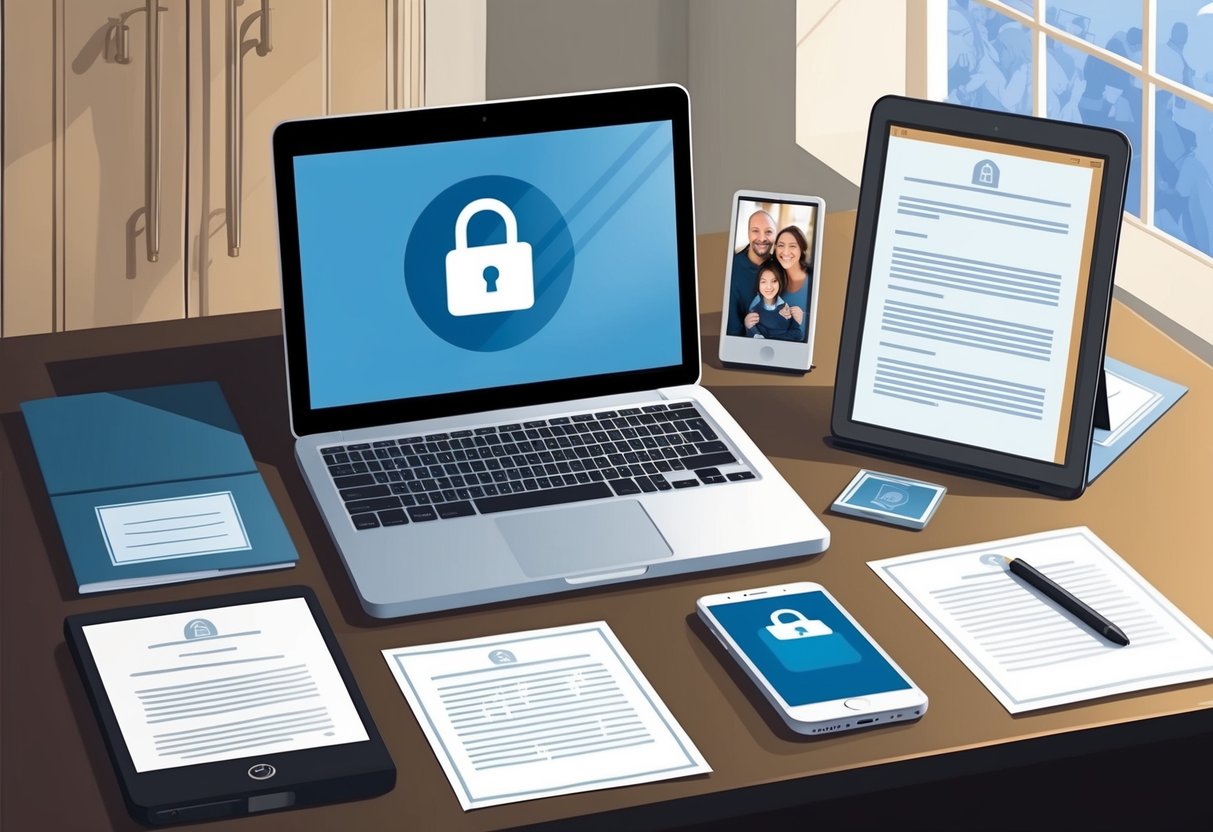 Navigating the digital world today is more crucial than ever for safeguarding wealth and security. Ignoring digital assets could lead to losses or risks that are both avoidable and unnecessary.
Securing Digital Assets
Have you ever stopped to consider the digital treasures you’ve accumulated? From bank accounts to social media profiles, these assets need as much attention as traditional ones. I always remind myself that digital estate planning isn’t just another task; it’s a necessity. Imagine the chaos of not having a plan in place—documents lost, accounts inaccessible, and memories scattered. Creating a digital estate plan helps secure these assets by designating someone to manage or transfer them after you’re gone. This isn’t just about peace of mind; it’s about control. Ensuring that passwords are accessible and accounts are listed in a will can prevent future headaches. Without a plan, loved ones may find themselves locked out of essential accounts. Crafting a strategy will ensure your digital legacy lives on, a simple yet vital action that pays off in the future.
Preventing Identity Theft
Have you thought about the risk of identity theft, even after passing away? Identity thieves don’t take breaks; they see opportunities everywhere, including in digital footprints left unmanaged. With digital estate planning, I can establish protections that reduce the risk of my digital identity being misused. Consider this—by appointing a digital executor, I can ensure someone trustworthy monitors and manages accounts. They can close unused accounts and monitor active ones, adding an extra layer of protection. The goal isn’t just to protect finances but also to safeguard against theft for peace of mind. Remember, digital estate planning isn’t just about securing assets; it’s also about protecting loved ones from needless struggles.
Steps to Create a Digital Estate Plan
 Creating a digital estate plan is like building a safety net for your digital world. You might think you’ve got it all handled, but what about those online accounts and files that hold personal value?
Inventory of Digital Assets
What if someone asked you to list all your digital assets today? Do you know where they all are? Your first step is to make a thorough inventory. This includes not just email accounts and social media, but also digital photos, documents, and online banking details. It’s easy to overlook something when you don’t consider it essential. But think about it—each password is a key. Don’t let these keys get lost. Recording each asset and its access details ensures nothing important is forgotten. Have you ever tried searching through endless files because you forgot where something was saved? Avoid that headache. Feel free to use a spreadsheet or a secure service that helps in organizing this information. Mark it clearly and keep it updated, just like you would with a financial portfolio.
Designating Digital Executors
Now, who do you trust enough to manage this digital landscape when you’re not around? Choosing a digital executor is crucial. This person will be responsible for handling your digital estate, much like an executor for your physical assets. Think of someone who is tech-savvy and understands the digital realm. It doesn’t have to be a family member. It can be a friend or even a professional like an attorney. In most states, a digital executor is not legally binding, but their role can be clearly outlined in your instructions. You might wonder if this step is necessary. Considering how intertwined our lives are with technology, it ensures a smoother transition and respects your digital legacy. After all, setting up the right executor is like passing the torch to someone who can see through the maze of the digital world.