
Are you tired of feeling like you’re falling behind financially? As someone who’s been there, I know the struggle. But here’s the good news: it’s never too late to get your finances in order. The right financial toolkit can make all the difference for people over 40, helping you build wealth and secure your future.  I’ve spent years researching and testing various financial tools, and I’m excited to share what I’ve learned. Whether you’re trying to catch up on retirement savings, plan for your kids’ education, or just want to feel more in control of your money, there’s a tool out there for you. In this post, I’ll break down the best financial toolkits for people over 40. These aren’t just any old budgeting apps or investment platforms. They’re comprehensive solutions designed specifically for our unique needs and challenges. Are you ready to take charge of your financial future? Let’s dive in.
Key Takeaways
- Financial toolkits tailored for those over 40 can significantly improve wealth-building strategies
- Comprehensive solutions address retirement, education planning, and overall financial control
- The right tools can help overcome common financial challenges faced in mid-life
Essentials of Financial Planning After 40
Financial planning in your 40s is a crucial time to set yourself up for long-term success. Let's dive into the key areas you need to focus on to build wealth and secure your future.Understanding Retirement Savings Options
I can’t stress enough how important it’s to maximize your retirement savings at this stage. Are you taking full advantage of your 401(k) or IRA? If not, you’re leaving money on the table. For 401(k)s, try to contribute at least enough to get the full employer match. It’s essentially free money! If you can, push yourself to hit the maximum contribution limit. Don’t forget about IRAs. They offer tax advantages and more investment options. Traditional IRAs give you a tax break now, while Roth IRAs provide tax-free withdrawals in retirement. Consider opening a taxable brokerage account too. It gives you more flexibility and can be a great complement to your retirement accounts.
The Importance of an Emergency Fund
Life can throw curveballs. Are you prepared? An emergency fund is your financial safety net. Aim to save 3-6 months of living expenses. This might seem daunting, but start small and build up over time. Even $1,000 can make a big difference in a pinch. Where should you keep this money? I recommend a high-yield savings account. It’s easily accessible and earns more interest than a regular checking account. Remember, your emergency fund isn’t for vacations or new gadgets. It’s for true emergencies like job loss or unexpected medical bills.
Insurance Coverage Essentials for Financial Security
Insurance isn’t exciting, but it’s a crucial part of your financial toolkit. The right coverage can protect your assets and give you peace of mind. Here’s what you need:
- Health insurance: Protect yourself from sky-high medical bills
- Life insurance: Ensure your family’s financial security if something happens to you
- Disability insurance: Replace your income if you can’t work due to illness or injury
- Homeowners/renters insurance: Protect your property and belongings
Don’t just set it and forget it. Review your policies annually to make sure you have adequate coverage as your life changes.
Tackling Debt for Long-Term Stability
Debt can be a major roadblock to achieving your financial goals. It’s time to get serious about paying it off. Start with high-interest debt like credit cards. Consider using the debt avalanche method: pay minimum payments on all debts, then put extra money towards the highest interest debt. For lower-interest debts like mortgages, weigh the pros and cons of paying them off early vs investing that money instead. Sometimes, investing can give you a better return in the long run. Looking to consolidate debt? A balance transfer credit card or personal loan might help you save on interest. But be careful - only use these if you have a solid plan to pay off the debt.
Investment Strategies for Individuals Over 40
As we approach our [golden years](/golden-rule-of-retirement-planning/), it's crucial to have a solid [investment plan](/retirement-planning-strategies/). Let's explore some key strategies to help you build wealth and secure your financial future.Maximizing Retirement Accounts
Are you making the most of your retirement accounts? I’ve seen many people overlook these powerful tools. 401(k)s, traditional IRAs, and Roth IRAs are excellent vehicles for growing your nest egg. For 401(k)s, I recommend contributing at least enough to get your full employer match. It’s free money! Don’t leave it on the table. Traditional IRAs offer tax-deferred growth. Your contributions may be tax-deductible now, and you’ll pay taxes when you withdraw in retirement. Roth IRAs, on the other hand, use after-tax dollars. The big advantage? Your withdrawals in retirement are tax-free. This can be a game-changer for your future tax bill. Consider maxing out these accounts if you can. The power of compound interest over time is incredible.
Smart Investing Principles
What’s your investment strategy? I believe in keeping things simple and effective. Here are some key principles I follow:
- Diversification: Don’t put all your eggs in one basket.
- Asset allocation: Balance your portfolio between stocks, bonds, and other assets.
- Regular rebalancing: Keep your portfolio aligned with your goals.
- Low-cost index funds: These often outperform actively managed funds over time.
Remember, your risk tolerance may change as you age. It’s okay to become more conservative, but don’t shy away from growth completely. I also recommend looking into dividend-paying stocks. They can provide a steady income stream, which becomes more important as you near retirement.
Understanding Employer Match and Its Benefits
Have you ever turned down free money? That’s essentially what you’re doing if you’re not taking full advantage of your employer’s 401(k) match. Here’s how it typically works: Your employer might offer to match 50% of your contributions up to 6% of your salary. So if you earn $100,000 and contribute $6,000, your employer would add $3,000. That’s a 50% return on your investment before you even start investing! I always advise maxing out this benefit. It’s one of the easiest ways to boost your retirement savings. Plus, these contributions are often tax-deductible, lowering your current tax bill. Remember, employer matching funds usually vest over time. This means you earn the right to keep them after a certain period of employment. Make sure you understand your company’s vesting schedule.
Insurance and Protection Plans
 Let’s face it - life can throw curveballs. That’s why having the right insurance is crucial for protecting your finances and your family’s future. I’ve seen too many people caught off guard by unexpected events. Don’t let that be you.
Life Insurance Considerations
Are you still relying on that basic policy from your employer? It’s time to take a hard look at your life insurance needs. As we age, our financial obligations often grow. Kids, mortgages, aging parents - they all factor in. Term life insurance is often a good fit for those over 40. It provides coverage for a set period, usually 10-30 years. The premiums are generally lower than whole life policies. But don’t just go for the cheapest option. Consider these factors:
- Your current income
- Outstanding debts
- Future education costs for children
- Retirement savings goals
Life insurance in your 40s and 50s can be surprisingly affordable. A healthy 40-year-old might pay around $334 per year for a $500,000, 20-year term policy. That’s peace of mind for less than a dollar a day.
The Role of Disability Insurance
Have you ever thought about what would happen if you couldn’t work? Disability insurance is your financial safety net. It replaces a portion of your income if you become disabled and can’t work. Here’s a sobering fact: over 25% of today’s 20-year-olds will be disabled before retirement. The odds don’t improve with age. Can you afford to gamble with those numbers? Disability insurance comes in two main types:
- Short-term disability: Covers 3-6 months
- Long-term disability: Kicks in after short-term ends, can last for years
Don’t rely solely on your employer’s coverage. It might not be enough. I always recommend supplementing with an individual policy. It stays with you even if you change jobs.
Planning for Long-Term Care
Let’s talk about the elephant in the room - long-term care. It’s not fun to think about, but it’s essential. Did you know that 70% of people over 65 will need some form of long-term care? Long-term care insurance helps cover costs for:
- Nursing home care
- Assisted living facilities
- In-home care
The best time to buy? In your 50s or early 60s. Premiums are lower, and you’re more likely to qualify. Wait too long, and you might be uninsurable. Remember, Medicare doesn’t cover most long-term care expenses. Without insurance, you could burn through your savings in no time. Is that a risk you’re willing to take with your hard-earned nest egg?
Estate and Legacy Planning
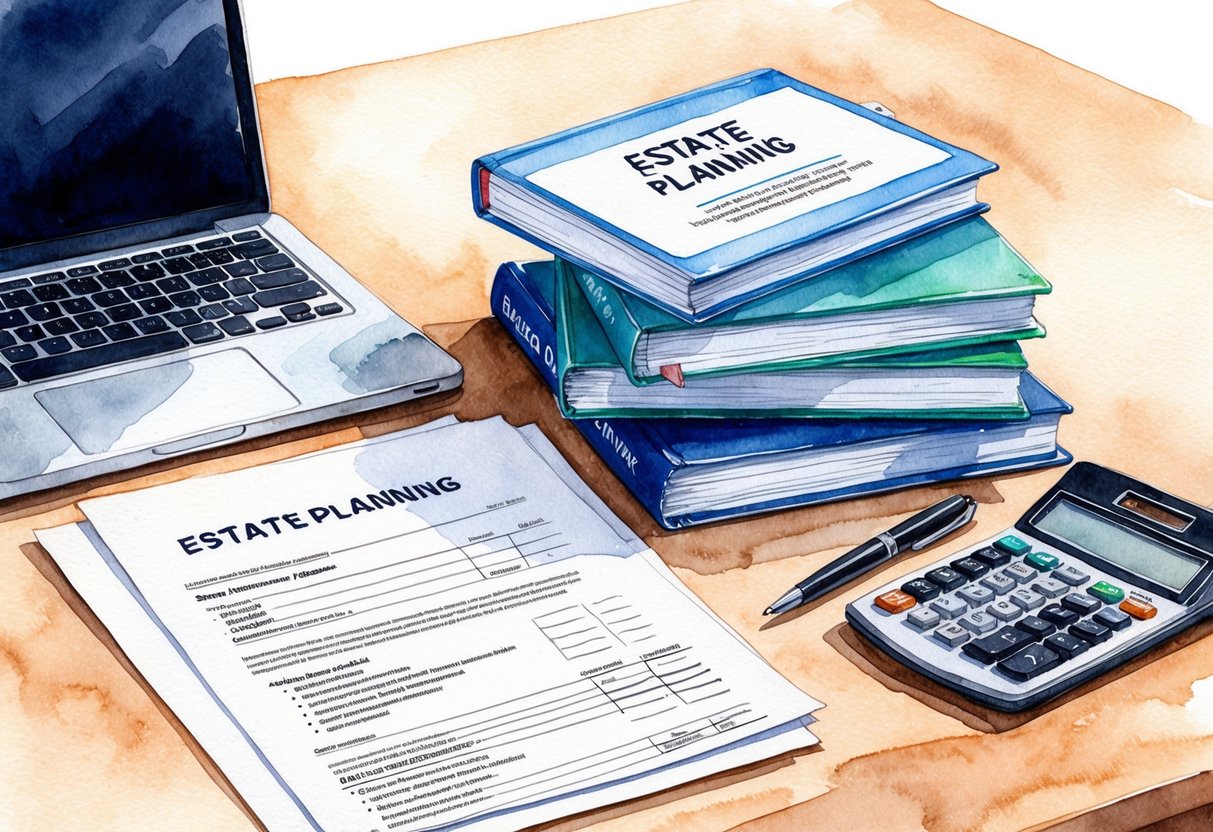 Estate planning is crucial for protecting your assets and ensuring your wishes are carried out. It’s not just for the wealthy - everyone needs a solid plan in place. Have you thought about what will happen to your hard-earned wealth when you’re gone?
Creating a Solid Estate Plan
An estate plan is more than just a will. It’s a comprehensive strategy to manage and distribute your assets. But where do you start? I recommend getting a free Personal Estate Planning Kit from AARP Foundation. It’s a great tool to organize your estate and save time. What should your plan include? Here’s a quick list:
- Will or trust
- Power of attorney
- Healthcare directive
- Beneficiary designations
Don’t forget about digital assets! In today’s world, your online accounts and digital property need protection too. Remember, estate planning isn’t a one-time task. I review my plan every few years or after major life events. This keeps it up-to-date with my current wishes and financial situation.
Maintaining Healthy Credit and Managing Liabilities
 Your credit score is the key to unlocking financial opportunities. It’s not just a number - it’s a reflection of your financial health and habits. Let’s dive into some powerful techniques to boost your credit score and take control of your financial future.
Credit Score Improvement Techniques
Want to know the secret to a great credit score? It’s simpler than you might think. First, always pay your bills on time. Set up automatic payments if you need to. It’s an easy way to boost your credit score. Next, keep your credit utilization low. I aim to use less than 30% of my available credit. It shows lenders I’m responsible with my money. Checking my credit report regularly is another habit I swear by. I look for errors and dispute them if I find any. It’s my financial report card, and I want it to be accurate. Have you considered asking for a credit limit increase? If you’ve been a good customer, your bank might say yes. Just don’t use that extra credit! Lastly, I avoid closing old credit accounts. The length of my credit history matters, and those old accounts are like fine wine - they get better with age.
Planning for College and Educational Expenses
 College costs are skyrocketing, but don’t let that scare you away from giving your kids a great education. I’ve got some smart strategies to help you tackle those hefty tuition bills without breaking the bank. The key is starting early and using the right tools.
Utilizing College Savings Plans
Have you heard of 529 plans? These are my go-to for college savings. They’re tax-advantaged investment accounts designed specifically for education expenses. The best part? Your money grows tax-free, and withdrawals are tax-free too, as long as they’re used for qualified education costs. But here’s a pro tip: don’t just stick to your state’s 529 plan. Shop around! Some states offer better investment options or lower fees. And guess what? You’re not limited to using the funds only in your home state. Want to supercharge your savings? Consider front-loading your 529 contributions. You can put in up to five years’ worth of gifts in one shot, without triggering gift taxes. That’s $75,000 per beneficiary in 2024! Remember, it’s never too late to start. Even if your kids are teens, every dollar you save now is one less you’ll need to borrow later. And who wants to be paying off student loans in retirement?
Adapting to Changes and Avoiding Lifestyle Creep
 As we age, our financial needs shift. It’s crucial to stay alert and adjust our money strategies to avoid the trap of lifestyle creep.
Adjusting Financial Plans for Life Changes
Have you ever noticed how easy it is to spend more when you earn more? That’s lifestyle creep in action. I’ve seen it happen to many of my clients over 40. To combat this, I recommend a simple trick: the 30-day rule. When you want to buy something new, wait 30 days. If you still want it after a month, go ahead. This helps cut impulse spending. Another key strategy? Automate your savings. Set up automatic transfers to your investment accounts. This way, you’re paying yourself first before lifestyle upgrades eat up your income. Don’t forget to review your budget regularly. As your life changes, so should your spending plan. Are you paying for services you no longer use? Cut them. Found a new hobby? Budget for it.
Seeking Professional Advice
 Getting expert help can be a game-changer for your finances after 40. Let’s look at when it makes sense to bring in a pro to boost your financial game.
When to Consult a Financial Advisor
I’ve seen many folks hesitate to get professional advice, thinking they can handle it all on their own. But here’s the truth: a good financial advisor can be worth their weight in gold. When should you make that call? First, if you’re feeling overwhelmed by complex financial decisions, it’s time. Are you unsure about balancing retirement savings with your kids’ college funds? That’s a sign. Second, major life changes are key triggers. Did you just get divorced? Inherited money? These are perfect times to seek guidance. Lastly, if you’re not seeing the growth you expect in your investments, a pro can help. They might spot opportunities you’re missing or risks you’re overlooking. Remember, it’s not about handing over control. It’s about gaining a partner in your financial journey. A good advisor will educate you, not just make decisions for you.