
Are you tired of the usual financial advice and wondering how to truly expand your business? If so, the role of CRM tools in scaling passive income businesses might just be the game-changer you need. These tools streamline processes, enhance customer relationships, and ultimately drive growth in a way traditional methods can’t. Why stick to the old ways when there’s a path that offers more control and insight?  CRM tools are not just about managing customers. They are about creating a seamless system that supports your business goals. From automating marketing efforts to integrating with e-commerce platforms, CRM tools provide valuable insights that help in making informed decisions. Imagine having a system that not only retains customers but also helps you understand them better. Picture this: you have a clear view of your business activities, customer preferences, and market trends. This clarity isn’t just for big corporations anymore. Even passive income businesses benefit from such strategic insights, making CRM tools crucial in your journey toward scalable success.
Key Takeaways
- CRM tools streamline business operations.
- They enhance customer retention and engagement.
- Analytics in CRM drive informed decision-making.
Understanding Passive Income Businesses
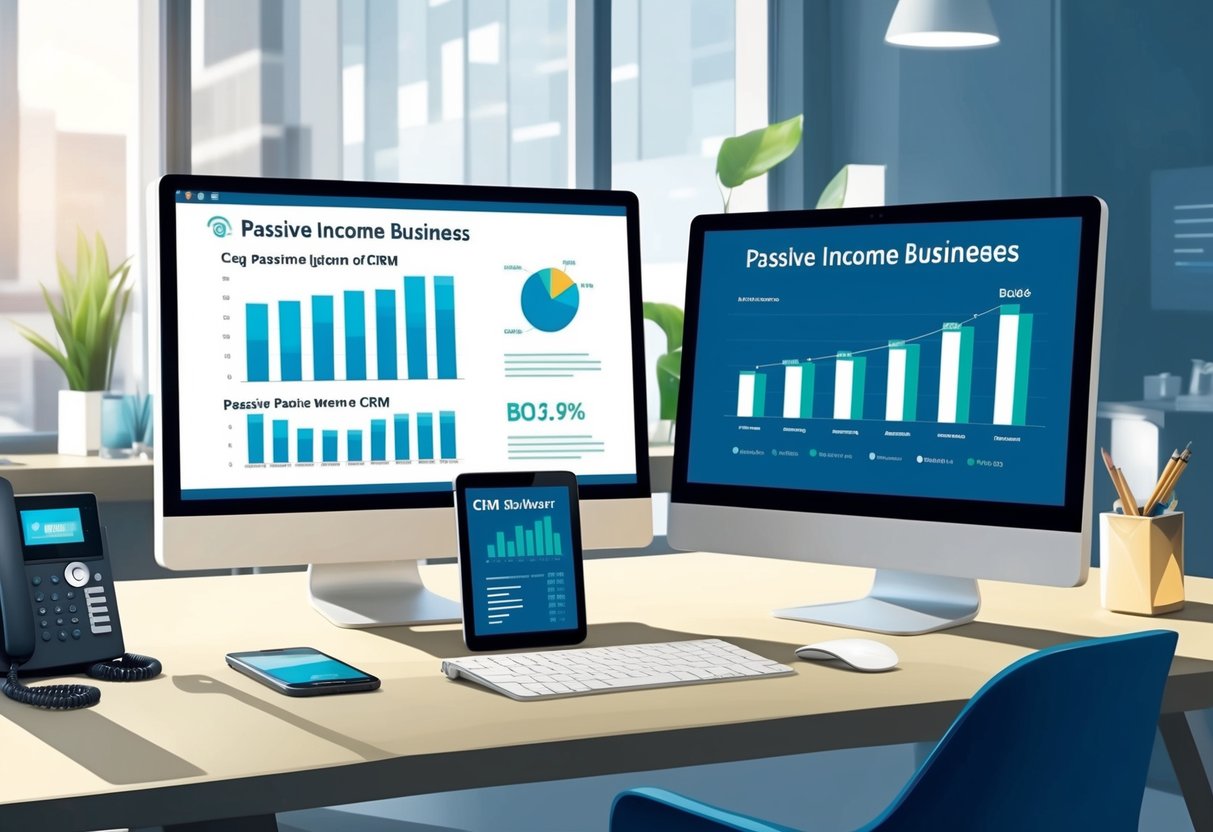 When you think about passive income businesses, it’s like planting a tree that grows even when you take a break. You set up the system, and then it starts working in your favor. Many are realizing that traditional income sources may not be enough for the life they envision.
Definition and Benefits of Passive Income
Passive income refers to money earned regularly with little effort or active involvement. Once the setup is complete, it requires minimal maintenance. This could be like earning rent on a property or selling an online course that you created just once. The benefits are significant. Imagine making money while you sleep. It offers financial security and the freedom to explore personal interests or spend time with family. For those who are used to trading time for money, passive income can feel like unlocking a whole new financial world. It diversifies income sources, which reduces risk.
Examples of Passive Income Streams
There are numerous ways to generate passive income. Real estate investments, like owning rental properties, are common. They provide consistent cash flow if managed well. Investing in dividend stocks can also offer regular earnings, though they depend on market performance. Creating digital products, such as e-books or online courses, allows people to profit from their expertise while enjoying a flexible lifestyle. Consider automated businesses, such as those using strategies for financial freedom through digital platforms. Subscription services, where customers pay monthly or annually, also provide stability. By choosing diverse strategies, you create a more secure financial future without depending solely on a paycheck. Each stream has its own set of requirements and potential returns, so it’s vital to choose one that aligns with your skills and interests.
Essential Characteristics of CRM Tools
 What makes CRM tools essential for scaling passive income businesses? Key features like data management, automation, and integration with other platforms boost efficiency and streamline operations.
Data Management Capabilities
A strong CRM tool acts as a repository for all customer information. It’s crucial to have a comprehensive and accessible database. Imagine having all your customer data in one platform. This functionality allows for precise targeting and personalized marketing campaigns. Does your business need better customer insights? Effective data management in a CRM tool can unlock hidden opportunities and help anticipate customer needs. CRMs like the ones discussed in Ringy act as a single source of truth. They provide a reliable way to track interactions and preferences, ensuring consistency and accuracy. By prioritizing data management, businesses can make informed decisions and identify new revenue streams.
Automation Features
Automation in CRM tools frees up time and reduces repetitive tasks. Tasks like lead scoring, pipeline management, and follow-ups can be automated to improve efficiency. How much time can you save by automating mundane tasks? Automation also minimizes errors, ensuring that every customer receives timely and accurate communication. With automation, I reduce the time spent on administrative duties, allowing more focus on strategic growth. Tools highlighted by BookBaker enable seamless workflows, making it easier to nurture leads and convert them into customers.
Integration With Other Platforms
Integration is a top characteristic of any robust CRM tool. Being able to connect with other platforms ensures that information flows seamlessly across systems. Need to connect your CRM with email marketing software or e-commerce platforms? This capability is critical for maintaining consistent communication and streamlining operations. As Kylas emphasizes, a CRM that integrates well saves resources and avoids data duplication. The smoother the connections between different tools, the better informed your strategies will be. Integrations allow for easy expansion into new markets and improve the overall customer experience by connecting various digital touchpoints efficiently.
The Role of CRM in Customer Retention
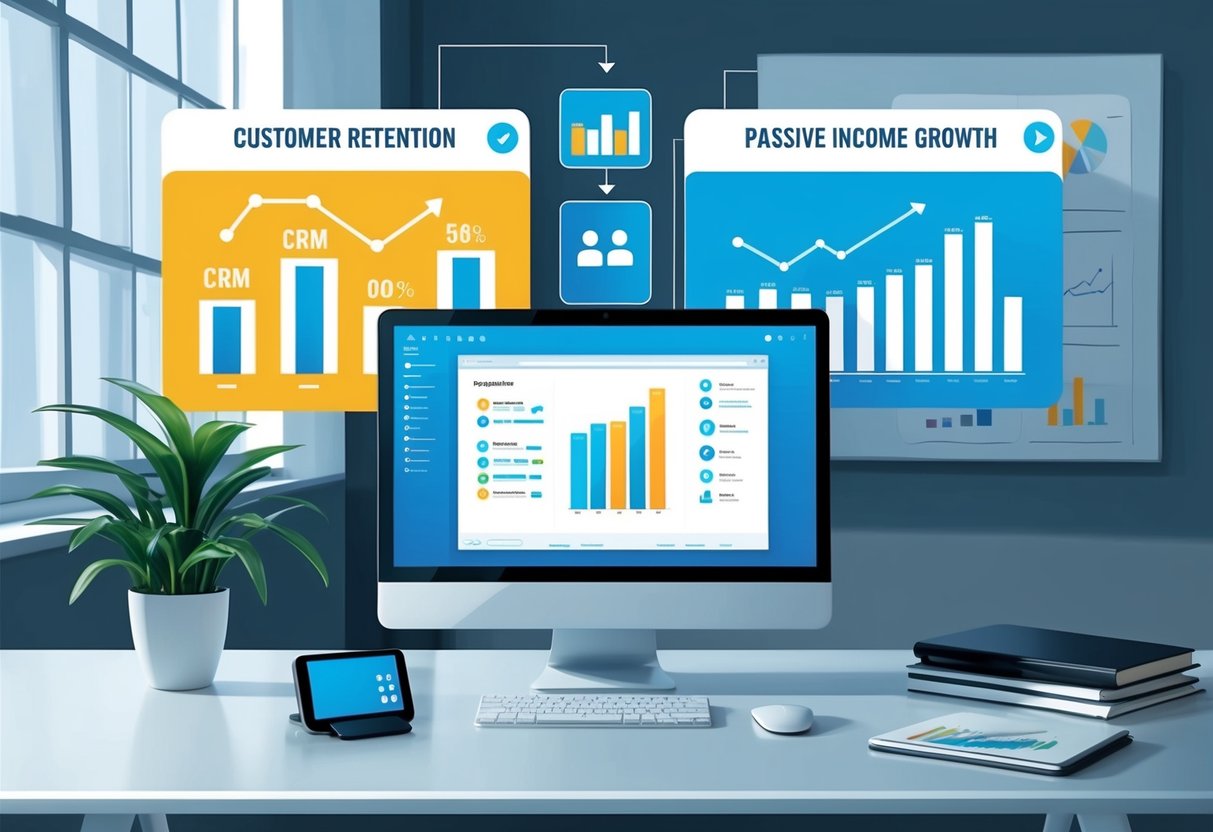 Understanding how to keep customers coming back is crucial. With the right Customer Relationship Management (CRM) tools, we can track how customers interact, personalize their experience, and predict their needs before they even know what they want.
Tracking Customer Interactions
How often do we lose touch with where our customers are in their journey with us? Using CRM, I can keep a detailed record of each interaction. This isn’t just about knowing dates and times but understanding what these interactions mean. A CRM organizes data to help me see patterns. It lets me know what customers talk about, what issues they face, and how we resolve them. This clear view of communication is the first step in making customers feel valued.
Personalization Strategies
Have you ever received a message that felt like it was meant just for you? That’s the power of personalization. Through a CRM, I can tailor experiences specifically for each customer. Knowing their preferences and purchase history allows me to create personalized offers. Personalization goes beyond just using a name. It’s about creating a connection by addressing specific needs and wants. When customers feel known and understood, they trust more and are likely to stay longer.
Predictive Analytics for Customer Behaviors
What if you could foresee what a customer will need? Predictive analytics in CRM makes this a reality. By analyzing data trends, I can predict future customer behavior. This anticipation helps in making proactive decisions about what products or services to offer. I can identify which customers might leave and take steps to retain them. Utilizing predictive insights ensures that I stay one step ahead, cementing long-term relationships and increasing trust. Here’s where strategic action comes into play, ensuring that customers don’t just return but become advocates.
Leveraging CRM for Marketing Automation
 When we’re talking about using CRM tools, it’s all about better communication and efficiency. CRM systems not only streamline processes but also provide data-driven insights that can transform how businesses approach marketing. Let’s delve into specific areas where CRM makes a huge impact: email marketing, social media, and lead nurturing.
Email Marketing Automation
How can CRM improve email marketing? It’s not just about sending emails but crafting messages that speak directly to each customer. CRM systems enable businesses to segment their audience based on past interactions and preferences. This means more personalized content, which often leads to higher engagement rates. With email tracking capabilities, businesses know when to follow up. Automation doesn’t stop at sending emails; it includes responding to inquiries and scheduling follow-ups. It’s like having a personal assistant who never takes a day off. Automated responses ensure timely communication, keeping customers engaged without additional manual effort.
Social Media Outreach
Social media is where many of us spend a lot of our time. So, why not automate this too? CRM tools can manage social media interactions efficiently, ensuring that every comment, message, or mention gets a response. Automation through CRM can even analyze social media data, helping businesses tailor their posts to suit their audience. By integrating chatbots, instant responses can be given to customer queries, enhancing the experience and keeping the conversation going.
Lead Generation and Nurturing
Lead nurturing is crucial for any business aiming to scale. With CRM automation, I can track every lead’s journey and know precisely when to reach out. CRM systems streamline these processes by automating tasks such as lead scoring and follow-up scheduling, freeing up time for strategic thinking. Effective CRM use means businesses can focus on qualified leads rather than wasting time on unpromising ones. Automated systems keep the entire process running like clockwork, ensuring no opportunity slips through the cracks. The ability to nurture leads seamlessly helps in building long-term relationships, which is essential for sustainable growth.
CRM Integration With E-Commerce Platforms
 In today’s fast-paced digital world, integrating CRM with e-commerce platforms is crucial. It helps in managing customer data effectively and ensuring the sales process is smooth. Let me show you why this matters for any business looking to expand.
Synchronizing Customer Data
Have you ever wondered how businesses keep up with thousands of customers? CRM systems can gather, store, and analyze customer data from many points, streamlining how businesses handle information. By integrating CRM with e-commerce, companies can ensure customer information is always up-to-date and accessible to the entire team. This synchronization allows businesses to provide personalized experiences. CRM tools capture customer preferences and buying history, enabling targeted marketing strategies. With accurate data, businesses can also enhance customer service. CRM integration means customer support has the needed information at their fingertips, making problem resolution fast and efficient. Is there anything more valuable than customer satisfaction for enhancing passive income streams?
Streamlining Sales Processes
Imagine having a clear path from product discovery to purchase completion. That’s what CRM integration offers. It automates parts of the sales process, reducing manual errors and improving efficiency. By connecting CRM tools with e-commerce platforms, businesses can automate order processing and follow-up communications. One key tool in this integration is CRM reporting. These reports provide insights into sales trends and performance. Marketing and sales teams can use this information to adjust strategies quickly, focusing on what works best. Additionally, CRM systems enable tracking of sales team activities, helping identify top performers and areas needing improvement. With automated processes and enhanced visibility, businesses can focus on growth. As the sales cycle becomes smoother, there’s more time and resources available to develop new strategies for building passive income.
Analytics and Reporting in CRM
 Ever wonder how some businesses seem to have a crystal ball for predicting future trends and customer needs? That’s the power of CRM tools. They transform raw data into actionable insights, boosting growth and efficiency.
Sales Forecasting
Sales forecasting gives me a glimpse of what lies ahead. By analyzing past sales data and current market trends, I can predict future sales volumes. This helps me allocate resources wisely, prepare for potential challenges, and set realistic targets. CRM systems provide detailed reports, which are crucial for making accurate forecasts. They track everything from customer buying patterns to seasonal spikes in demand. This means I can be proactive rather than reactive, ensuring my business scales smoothly. A well-implemented CRM tool becomes a reliable companion, guiding me through market uncertainties with precision.
Customer Segmentation Reports
Knowing my audience is key, isn’t it? CRM tools break down my customer base into meaningful segments. By using factors like age, buying behavior, and location, I can tailor my strategies to suit different customer groups. Segmentation reports help me understand not just who my customers are, but what they want. For example, I might find that a particular age group prefers a specific product or service. This means I can fine-tune my marketing efforts to engage them more effectively. With these insights, my business can offer personalized experiences that enhance customer satisfaction and loyalty.
Conversion Tracking
Tracking conversions is like keeping score in a game. With CRM tools, I can see which strategies are turning potential customers into paying ones. This is essential for optimizing marketing efforts and allocating budgets effectively. By analyzing conversion data, I understand which channels or campaigns are most successful. For instance, I may discover that email marketing drives more sales than social media. These insights empower me to adjust my strategies accordingly, ensuring that every effort counts. Conversion tracking through CRM systems helps streamline processes and boosts overall profitability.
Scalability and Customization of CRM Solutions
 In the world of passive income, choosing the right tools can make a big difference. A good CRM system is vital for growth and flexibility, especially when scaling your business and tailoring services to unique market needs. Let’s explore how to select the best CRM for your situation and how to make it fit specific niche markets.
Choosing the Right CRM for Business Size and Needs
When picking a CRM, size matters. You don’t want a system that overwhelms a small team or is too simple for a large operation. What’s your business size and goal? These are key in finding the right CRM. Scalable CRMs grow with your business. They handle more data, users, and features without sacrificing performance. Forbes highlights the value of a CRM that can expand as you do. Customization is crucial too. Think about your specific needs. Do you need integration with other tools? How about automation features? A flexible CRM can adapt to the way you work, not the other way around. Investing in such a tool can save time and boost productivity.
Customization Options for Niche Markets
Not every business is the same, and a one-size-fits-all approach won’t work. Customization allows your CRM to meet the unique requirements of your market. For niche markets, a tailored CRM can align with specific workflows and industry demands. This means seamless integration into daily operations, which LinkedIn discusses in their article. Consider custom fields, modules, or analytics that address your market’s specific needs. Involving stakeholders in this customization process ensures that all voices are heard and that the system truly meets your business requirements. Proper documentation of these customizations can further enhance maintainability and scalability, ensuring your CRM solutions keep pace with your growth.
Best Practices for Utilizing CRM Tools
 CRM tools are critical for businesses looking to scale passive income streams. Key practices ensure your system is effective and secure. Understanding how to train employees, maintain data quality, and secure privacy compliance can make all the difference in your business’s success.
Employee Training and Adoption
How can you ensure your team is equipped to make the most of CRM tools? Training is essential for maximum benefit. Employees who understand CRM features can leverage them to improve customer interactions. Organize workshops and hands-on sessions. Focus on using chatbots and automated responses to save time and streamline communication. Encourage team members to share success stories and challenges to foster a collaborative environment. Everyone benefits from a deeper understanding. Consider a reward system for teams who actively use CRM tools. This encourages consistent engagement, and over time, your staff becomes more adept at using these systems to boost productivity.
Maintaining Data Quality
Does the adage “garbage in, garbage out” resonate with anyone trying to manage a CRM system? High-quality data is the heart of effective CRM operations. Regular audits help maintain accuracy. Implementing data entry protocols ensures every input is consistent. Train teams to verify information upon input to reduce errors. CRM tools can automatically flag duplicate or inconsistent data entries, aiding error reduction. Use CRM features to gather clean, relevant data. Properly configured CRM systems categorize and segment customer data efficiently, boosting marketing and service efforts. As data quality improves, so does decision-making power across your business.
Ensuring Data Security and Privacy Compliance
The importance of security in CRM systems cannot be overstated. Customer data must be protected according to privacy laws. How do we achieve this? Start by encrypting all sensitive information. Regularly update security protocols for threats. Implement role-based access controls to limit data exposure. Stay informed about updates in privacy legislation. Is your CRM compliant with the latest regulations? Regular audits and compliance checks are critical. Inform employees about security best practices to prevent unauthorized access and data leaks. Trust builds loyalty; if customers know their data is safe, they are more likely to engage with your business.