
The notion of scaling income from licensing intellectual property can seem complex, can’t it? Yet, it holds immense potential for transforming dormant ideas into thriving revenue streams. By developing a strong licensing strategy, you can unlock hidden value in your intellectual property and create new opportunities for growth. Imagine not only making money from your innovations but also building partnerships that expand your reach even further. I’ve seen how strategic partnerships can open doors that seemed firmly closed. Licensing is not just about letting others use your IP; it’s about forming alliances that can help both parties succeed. When your licensing agreements are well-crafted, they form a backbone for consistent and reliable income. This can make all the difference when seeking to stabilize and grow your financial future. Those who can effectively leverage their intellectual property often stand out from the crowd. Whether you hold patents, trademarks, or copyrights, knowing how to operationalize these assets can put you ahead in the game. As you read on, you’ll discover practical insights on attracting investors and marketing your licensed products. The possibilities are truly vast, so why not explore these opportunities to secure a brighter financial path?
Key Takeaways
- Licensing IP can create steady revenue growth.
- Strategic partnerships enhance licensing success.
- Operationalizing IP boosts financial stability.
Understanding Intellectual Property Licensing
 Imagine you could earn money from something you created without giving it away. This is what licensing intellectual property (IP) is all about. I’ll explain what IP is, the different types, and what you need to know to create a licensing agreement that works for you.
Defining Intellectual Property
Intellectual property is like owning an idea or invention. It includes creations of the mind like inventions, designs, brand names, and artistic works. Owning IP gives you exclusive rights to use and benefit from your creation, just like owning a piece of land. This ownership allows you to control how others use it. Sometimes, I think of IP as a tool. It lets me protect my creations and also gives me the power to earn from them. By understanding IP, you can transform intangible ideas into valuable assets. The key is to know your rights and how to manage them effectively.
Types of IP: Patents, Trademarks, and Copyrights
Three major types of IP are patents, trademarks, and copyrights. Each covers different aspects of creativity and innovation. Patents protect inventions and discoveries, giving owners rights to produce and sell their invention for a set time. A patented product can boost income by selling or licensing the patent to others. Trademarks protect brand symbols, names, and slogans, which helps prevent consumer confusion. These can be licensed to expand a brand’s reach. Trademarks are like a business’s signature; they tell the world who you are. Copyrights provide protection for artistic and literary works. From books to music, copyrights give creators control over their work’s use. By licensing these materials, I can generate income while retaining ownership. If you own a song, for instance, licensing lets others use it, but their use must comply with your terms.
Essentials of a Licensing Agreement
Crafting a good licensing agreement is crucial. First, it defines the scope, who can use the IP, and for how long. Precise terms help avoid future disputes. In a strong agreement, both parties benefit, and expectations are clear from the beginning. Control is a big part of these agreements. They often include details on how the IP is used, payment terms, and any limitations. The terms can be as broad or specific as I need them to be. For example, I can license a product for use in just one country or worldwide. A clearly defined agreement protects my interests and maximizes my IP’s value.
Developing a Licensing Strategy
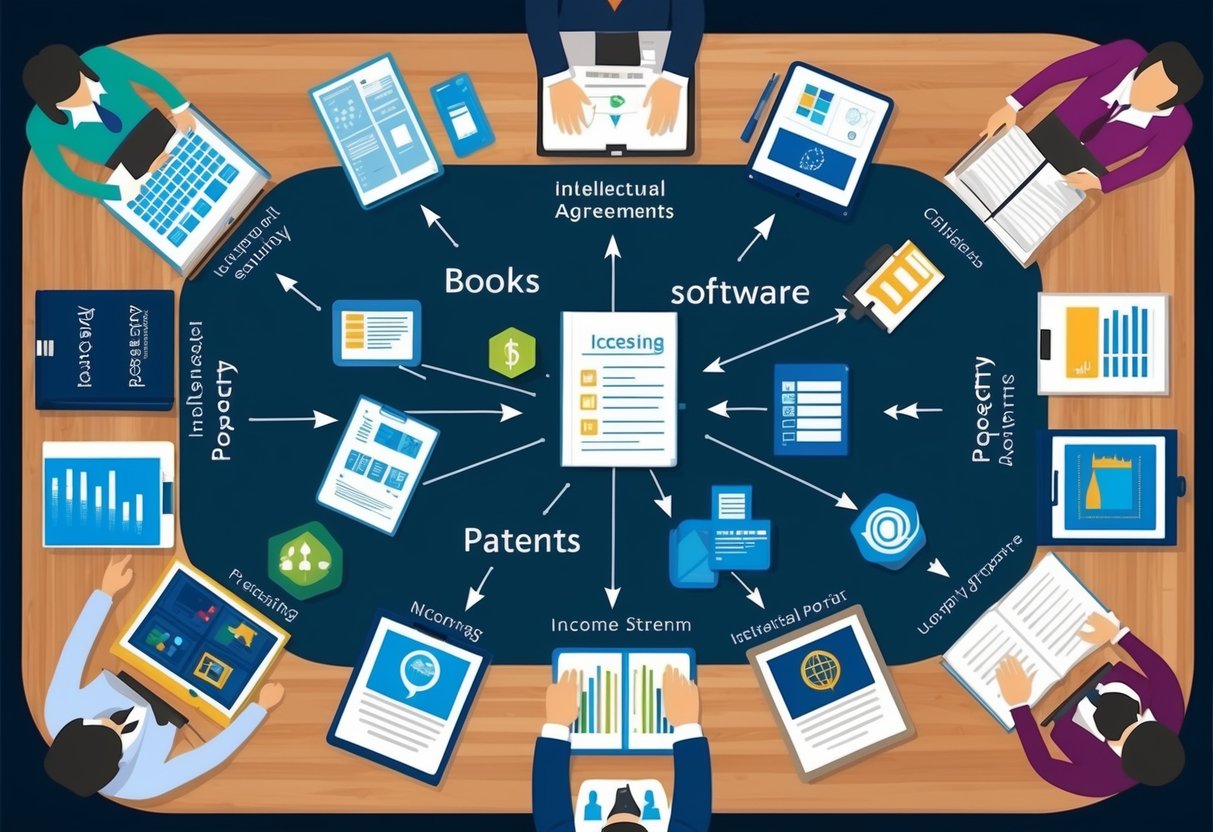 Creating a successful licensing strategy is vital for maximizing the value of intellectual property. By aligning this strategy with business goals, assessing product-market fit, and negotiating protective terms, I can ensure a profitable and secure licensing approach.
Aligning Licensing With Business Strategy
Aligning a licensing strategy with a business strategy is key. First, I must identify how the intellectual property fits into the overall goals of the business. Does it enhance the brand value or open new revenue streams? It’s crucial to pinpoint where licensing can drive growth and create opportunities. Additionally, I will consider the target audience and market segments that can benefit from the IP. Are there specific industries or regions where the IP will have the most impact? Understanding these elements is essential to develop a robust strategy and guide every decision.
Assessing Product and Market Fit
Next, understanding market dynamics is crucial. Is there genuine demand for my product in the target markets? Conducting thorough market analysis helps identify potential partners and determine the best pricing models. I consider product viability and competitive landscape before making licensing commitments. To enhance success, I explore adaptable strategies for various market conditions. Monitoring trends and customer needs also helps in refining the approach and ensuring the licensing agreement remains beneficial. Such analysis is the backbone of a thoughtful licensing strategy, guiding all major choices.
Negotiating Terms and Protecting IP Rights
Negotiating terms effectively protects IP rights and lays the foundation for a strong agreement. I focus on crucial aspects such as payment terms, usage rights, and exclusivity. Establishing clear terms prevents future disputes and ensures both parties understand their responsibilities. Legal frameworks are also central to protecting rights. Securing intellectual property through patents, trademarks, or copyrights is critical. This legal protection acts as a security net, reinforcing the value and integrity of the IP. Ultimately, successful negotiation coupled with strong legal protection assures the long-term viability of the licensing strategy.
Revenue Streams From Licensing
 When considering revenue streams from licensing intellectual property, it’s crucial to understand how royalties are structured and how to manage cash flows effectively. Additionally, having an exit strategy for licensees can provide flexibility and enhance your licensing strategy.
Royalty Structures and Financial Terms
Royalties are at the core of licensing income, acting as a recurring revenue stream. Have you considered the different ways royalties can be set up? They can be structured as a percentage of sales, a flat fee, or a combination of both. By choosing a structure that aligns with your goals, you can maximize income while retaining control. Clear financial terms are vital. This includes defining minimum royalty payments and addressing currency exchange if dealing internationally. Clarity here avoids misunderstandings and sets the groundwork for lasting partnerships. Ultimately, setting optimal financial terms can significantly impact the profitability and scalability of your licensing endeavors.
Managing Revenue and Cash Flows
How do you ensure steady income from your licensing agreements? Effective cash flow management is vital. Licensing agreements can enhance your cash flow significantly, especially if licensees pay up-front fees for accessing the intellectual property. This upfront revenue improves liquidity and provides financial stability. Regular audits and monitoring of royalties received ensure compliance and accuracy. Stay vigilant about tracking payments and performance metrics. By keeping a close eye on these aspects, I maintain control and can plan for scaling up or investing further into intellectual property development.
Exit Strategies for Licensees
Planning an exit strategy? It’s wise to consider how you might disengage from a licensing deal. This could involve buyouts, transferring licensing rights, or entering new markets. Exit strategies provide a safety net, allowing both parties to move forward if market conditions change or strategic goals shift. Negotiating exit terms upfront can prevent potential conflicts. These include resale rights or setting conditions for early termination. By preparing for exits, I can retain flexibility while maximizing the long-term value of my intellectual property.
Creating Strategic Partnerships
 Strategic partnerships can transform how intellectual property generates ongoing revenue. By partnering with the right entities, you can expand market reach and create new revenue streams through joint ventures and alliances, effective collaboration, and the strategic use of exclusivity and sublicensing rights.
The Role of Joint Ventures and Alliances
Forming joint ventures and alliances lets you tap into other companies’ strengths. Are you leveraging the right partnerships? These collaborations allow each partner to share risks and resources, often leading to innovative products or services that neither could achieve alone. Take the time to choose partners with complementary strengths. A successful joint venture often blends different skills, such as combining innovative technology from one partner with established market presence from another. This synergy is key to unlocking new doors for intellectual property monetization.
Collaboration and Synergies
Have you ever wondered how the right partner could amplify your efforts? Collaboration can be like magic when it comes to licensing intellectual property. By working closely with your partners, you can harness each other’s expertise to drive mutual success. Synergies aren’t just buzzwords. They’re valuable outcomes that arise when two entities collaborate effectively. Whether through shared technology or combined marketing efforts, these synergies can streamline operations and help achieve common business goals. Focus on communication and trust, as these are fundamental to forming productive collaborations.
Exclusivity and Sublicensing Rights
Exclusivity and sublicensing rights provide control. Are you considering the value of exclusivity in your agreements? These arrangements can be powerful tools in a licensing strategy. Exclusivity means offering rights to an IP to a single partner, creating scarcity and often increasing value. Sublicensing adds another layer, allowing you to grant rights to additional parties under certain conditions. This approach maximizes IP value by broadening its reach while retaining primary control. Consider the benefits of exclusivity against its limitations, such as reduced flexibility. The balance of exclusivity and sublicensing can define the success of your strategic partnerships.
Operationalizing IP Licensing
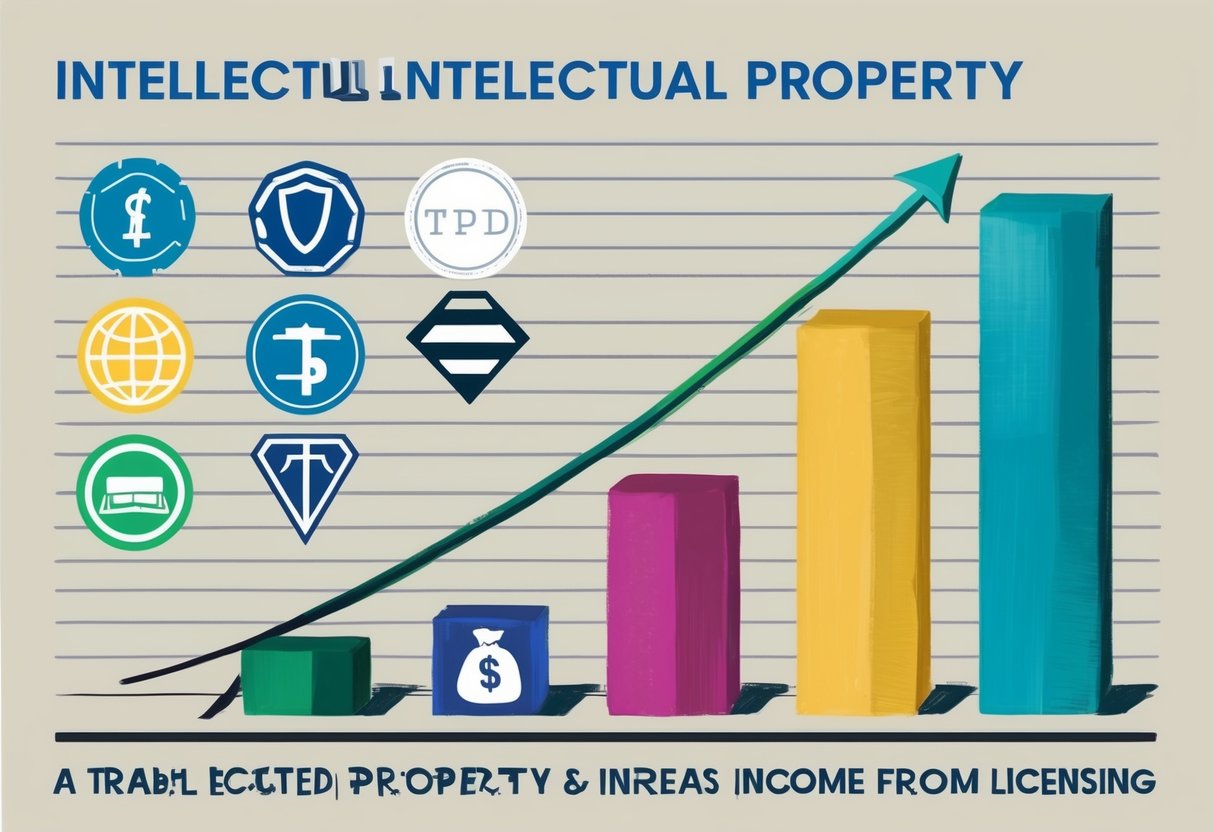 Getting intellectual property (IP) licensing to work smoothly can be a game-changer for growing income streams. It requires setting up the right infrastructure, maintaining compliance, and leveraging distribution channels effectively. Here’s how it all fits together.
Infrastructure for Licensing
Infrastructure is the backbone of successful IP licensing. Consider this: what systems are in place to manage licensing agreements efficiently? Building robust databases where all contracts and royalties are tracked is crucial. I’ve seen many businesses scramble because they didn’t prioritize this from the beginning. Automating these processes can streamline operations, making it easier to scale. Automated systems help track payments, renewals, and IP usage, reducing the chance of human error. Ensuring trained staff handle these tools leads to smoother transactions and timely communications. Deciding on licensing models early on—like exclusive or non-exclusive licenses—creates clarity for everyone involved. This decision impacts contract management, so understanding its implications is vital.
Compliance, Quality Control, and Enforcement
A solid compliance strategy prevents costly legal issues. Have you ever worried about whether your IP is used correctly? Policies must be clear, detailed, and enforceable. This means regular audits and checks to ensure IP is being utilized per agreements. Quality control ensures that licensed products meet your standards. Imagine the damage to your reputation if a licensee cuts corners. Monitoring production quality is not just wise but necessary. It protects your brand and ensures long-term viability of your licensing program. When it comes to enforcement, I believe in acting decisively. If licensees breach contracts, taking swift action is important to discourage others from attempting the same. Whether through negotiations or legal means, enforcement keeps your IP protected.
Leveraging Distribution Channels
Distribution channels play a pivotal role in reaching new markets. Are you effectively using all available avenues? Collaborating with established distributors can provide an existing network to tap into, maximizing exposure with minimal effort. Consider licensing as a way to introduce products to regions where you lack presence. Geographic expansion can widen your reach and introduce your products to eager new customers. Aligning with partners who know these markets well makes this process smoother and more effective. Using digital platforms as a distribution channel is an excellent way to scale IP. In today’s digital age, the broader the reach, the higher the opportunity for revenue growth. Integrating online strategies with traditional channels can create a winning combination.
Monetizing Intellectual Property
 In today’s fast-paced world, the ways to transform intellectual property (IP) into a revenue-generating machine are vast. Whether it’s through licensing agreements or tapping into foreign markets, IP can offer significant financial benefits. Let’s explore how these methods can be applied effectively.
Licensing for Startups and Scale-ups
Isn’t it exciting to think about the potential of licensing for startups? Licensing agreements can offer startups a critical path to scaling without needing huge capital investment. Startups can grant rights to other firms to use their technology or products in return for royalties, a smart way to generate ongoing income. For scale-ups, licensing can fast-track growth. Such arrangements allow these companies to extend their reach and maximize revenue without the burden of manufacturing or production overhead. This method is often compared to renting out something valuable without losing ownership, providing much-needed cash flow at crucial times.
Market Penetration and Global Expansion
Do you aim for global expansion with your IP assets? Well, leveraging IP for market penetration is a strategy that can open doors to new territories. Startups and established companies alike can use licensing to enter foreign markets with reduced risk, as local partners take on the regional nuances. When stepping into global markets, licensing provides a competitive edge. It allows companies to navigate international regulations and preferences more smoothly. This method also lets businesses benefit from local expertise, leading to greater adaptation and success in diverse markets. Market penetration can thus be accelerated by forming strategic alliances with local licensees.
Leveraging Licensing for Brand Building
How can licensing boost your brand? Remarkably, it provides visibility in areas previously unexplored. By letting other companies use your brand in their product lines, you gain access to new consumer bases without the costs of direct marketing or distribution. Brand building through licensing also aids in cementing a competitive advantage. It diversifies your presence in consumer products, making your brand recognizable in multiple sectors. This approach not only enhances brand equity but also builds consumer trust across different markets. Licensing, therefore, turns your IP into a powerful tool for establishing long-term brand loyalty and recognition.
Strategies for Scaling Licensing Income
 Scaling income through licensing is about strategically selecting models and approaches that maximize revenue from intellectual property. It involves finding the right fit for the business, exploring growth tactics, and utilizing cross-licensing opportunities. Let’s explore some strategies to achieve this.
Finding the Right Licensing Model
What makes a licensing model ideal for your business? The right model aligns with your intellectual property and market goals. For those with patents, a royalty-based model can generate consistent income over time. Businesses with strong brands might benefit from a franchise model, expanding their reach while retaining control. Another approach is the exclusive licensing agreement, which can command higher fees due to limited access. The focus here should be on understanding the value of your intellectual property and how it fits within the competitive landscape. Recognizing the appropriate model helps to enhance revenue and maintain brand integrity.
Scalability and Expansion Tactics
Growing through licensing requires planning. How can a business expand while managing costs? One strategy is targeting geographic areas with unmet demand. Licensing offers an opportunity for international presence without the high risk. This method leverages existing networks and reputation to scale efficiently. Partnering with reliable licensees is key. Their knowledge of local markets can drive successful implementation. A well-defined agreement with clear terms and limits prevents misuse and conflict, creating a path for stable income growth. This approach provides businesses with scalability and reduced entry barriers into new markets, fostering an environment for sustained revenue increase.
Cross-Licensing and Leveraging Patented Technology
Cross-licensing involves exchanging rights with other companies to access their technologies. What if you could match expertise with another firm to boost innovation? This method enables collaboration, sharing patented technologies, and expanding capabilities without extensive R&D investments. It’s crucial to assess potential partners and ensure they align with your vision. This model not only opens avenues for generating income but also strengthens market positioning by pooling resources and ideas. It also enhances competitiveness by increasing your range of products or services, thus meeting a broader spectrum of customer needs.
Risk Management in IP Licensing
 In the world of IP licensing, managing risks is crucial to sustain and grow income. Legal and financial risks require measures that protect and enforce intellectual property rights. Learning from real-world experiences can offer valuable insights for navigating challenges.
Mitigating Legal and Financial Risks
How can one effectively manage legal and financial risks in IP licensing? It’s essential to draft comprehensive licensing agreements that outline clear terms and conditions. These agreements help in reducing disputes. Regular audits of licensee activities can provide early warning signs of potential breaches. Licensors should also consider insurance options to cover unforeseen liabilities. This can protect against financial losses if legal action becomes necessary. Hiring experienced legal counsel familiar with IP law ensures that agreements are enforceable and protect critical assets.
Intellectual Property Protection and Litigation
Why is protecting IP so important? Without it, your hard-earned innovations are vulnerable to infringement. Start with patenting, trademarking, or copyrighting vital elements of your portfolio. A strong IP portfolio deters potential infringers and strengthens negotiating positions. In cases of litigation, build a strategy involving experienced IP attorneys. Legal enforcement ensures that any infringement gets addressed quickly. Understand that litigation can be costly and time-consuming, so having a sound strategy can limit these impacts. Effective enforcement not only safeguards assets but also reinforces the value of your licensable IP.
Insights From Case Studies and Industry Experiences
What can I learn from others’ experiences? Reviewing case studies from similar industries can reveal common pitfalls and successful strategies. Many companies have learned valuable lessons through trial and error. Studying how others mitigate risks can provide practical approaches you might not have considered. For example, consider how some firms utilize innovations to access new markets and boost income, overcoming initial IP challenges. This knowledge empowers you to make informed decisions and adapt strategies proven effective by others.
Marketing and Promotion of Licensed Products
 When it comes to marketing and promoting licensed products, focusing on strategic awareness, leveraging public platforms, and building sales partnerships are crucial. These elements can effectively boost a product’s visibility and sales potential.
Strategies for Market Awareness
How do we make sure everyone knows about our licensed product? First, I look at creating a strong brand presence. This involves maintaining consistent branding across every piece of marketing material. It’s all about creating a memorable identity. Consider using social media campaigns to reach a wider audience. Platforms like Facebook or Instagram can be effective for storytelling and engagement. Paid advertising can amplify these efforts, ensuring that more eyes see the product. Promotions and giveaways also serve as excellent engagement tools, sparking interest and discussion.
Utilizing Conferences and Articles
Conferences are golden opportunities. They provide a platform for presenting products to potential customers and industry leaders. When I participate, I ensure that the product demonstrations are impactful and the messaging is clear. Conferences offer networking opportunities that can help solidify the product’s standing in the market. Writing articles is another effective strategy. By sharing insights through industry publications and blogs, I establish credibility and educate the audience about the product. Articles can be showcased in newsletters and company blogs, building a repository of trustworthy content that creates engagement and facilitates sales.
Licensing and Affiliate Marketing
Is licensing enough? I believe in taking it further with affiliate marketing. It’s a partnership where affiliates promote the product for a commission on each sale they generate. By collaborating with bloggers and influencers whose audiences align with my product, I can tap into new customer segments. I ensure that affiliates have access to attractive marketing materials and provide them with training about the product. This partnership not only expands reach but also builds a network of advocates for the product, driving consistent traffic and sales growth. Understanding that affiliates become brand ambassadors makes them an invaluable part of the marketing strategy.
Attracting Investors Through Licensing
 Licensing intellectual property can open doors for investors who see potential in your IP. This strategy can be a game-changer, turning intangible assets into tangible opportunities. By using licensing wisely, my IP can act as powerful leverage in securing funding and interest from venture capitalists and other investors.
Licensing as Collateral for Funding
Have you ever thought about using licensing deals as collateral? It’s a compelling option. When I license my intellectual property, I transform it into a valuable asset. This asset can then be leveraged in financial dealings. For lenders and investors, a robust licensing agreement suggests stability and profitability. They see the ongoing royalties and potential market reach as security, offering them confidence in my business. These agreements make my IP less risky for investors, showing them the potential for steady revenue streams. It’s a strategic maneuver that can bring in the funding needed to grow without losing control. By showcasing detailed licensing deals, I can prove the reliability and scalability of my IP, enticing more investors to consider funding or partnership.
Venture Capital and Strategic Investment
Venture capitalists aren’t just looking for promising ideas; they want a clear path to returns. Licensing offers that path. When I license my IP strategically, it not only boosts my income but shines a light on growth prospects. The scalability of IP and its ability to enter new markets with minimal investment attract these savvy investors. What draws venture capital is the promise of expansion without massive initial outlay. Licensing allows my start-up or business to enter diverse markets rapidly. This broadens the appeal to venture capitalists, who are keen on funding ventures with a clear strategy for entering and dominating markets. They see the chance for multiple revenue streams and scalable options, making licensing even more appealing.
Spin-off Ventures and Subsidiaries
Licensing can be the foundation for creating spin-offs or subsidiaries. Imagine having a concept that, through licensing, turns into multiple related businesses. This not only maximizes value but spreads potential risks. Investors often look for opportunities like these, where one investment might lead to several successful ventures. Spin-offs and subsidiaries created through licensing can introduce new products or services with already established IP. This structure is attractive because it enhances the parent company’s value while limiting risks. Investors see multiple pathways to success, encouraging them to bet on these ventures. Each successful spin-off ties back to my original IP, increasing its worth and appeal.