Navigating the world of eCommerce can feel like wandering through a maze. For many, the idea of scaling revenue without shouldering the burden of inventory is enticing. This is where dropshipping shines. By integrating automation into your dropshipping business, you not only increase efficiency but also unlock the potential for significant revenue growth.  Are you tired of outdated financial advice that never quite brings the results you’re after? I’ve been there, too. Automating the dropshipping process allows you to focus on what truly matters: creating an exceptional customer experience and expanding your market reach. Imagine freeing yourself from the minutiae and concentrating on strategic growth. What if I told you that it’s not just about selling products, but about transforming your entire approach to business? Embracing the right tools and strategies could be your key to scaling success. By the end of this journey, you’ll see how controlled automation in dropshipping can bring peace of mind and a more robust bottom line.
Key Takeaways
- Automation enhances efficiency in dropshipping.
- Focus on customer satisfaction for sustained growth.
- Strategic use of tools leads to revenue scaling.
Understanding Dropshipping as a Business Model
 I often hear people struggle with finding new ways to boost their income. Dropshipping can be a game-changer. It’s a unique business model allowing sellers to offer products without holding inventory. This opens doors for scalability and efficiency in the ever-growing ecommerce market.
Defining Dropshipping and Its Core Components
Dropshipping is a retail model where the seller doesn’t keep products in stock. Instead, when a customer makes a purchase, the seller buys the item from a third party, usually a manufacturer or wholesaler, who ships it directly to the customer. This means the seller doesn’t handle the product directly. What makes dropshipping appealing? Words like flexibility and low overhead costs come to mind. Without the burden of storing inventory, managing large upfront investments becomes a non-issue. Sellers can focus more on marketing and customer service. This opens a pathway to a more streamlined and agile business operation.
The Rise of eCommerce and Dropshipping
Ever wonder why ecommerce is booming? It’s the convenience and reach it offers. Everyone wants easy access to products from the comfort of their homes. The rise of ecommerce platforms such as Shopify and WooCommerce has made dropshipping more accessible than ever. Dropshipping has become a key player in this online explosion. It offers a scalable way to tap into global markets without the hefty logistics of traditional retail. Remember, fewer boundaries exist online. A well-managed dropshipping operation can capitalize on this expanded reach, turning potential audiences into regular customers.
Analyzing the Business Model for Scalability and Efficiency
Can dropshipping scale efficiently? Absolutely. Its scalability lies in its simplicity. Because startup costs are minimal, it’s easier to try various products and markets. The more successful dropshipping does not mean stacking more in a warehouse. It means expanding your catalog and finding new niches. Efficiency comes from automation. Using the right technology can streamline tasks like order processing, inventory updates, and customer management. Tools exist that integrate seamlessly with ecommerce platforms, enhancing both scalability and efficiency by reducing manual work. Is there a better way to grow a business without swelling costs? I think not.
The Pillars of Scaling Your Dropshipping Business
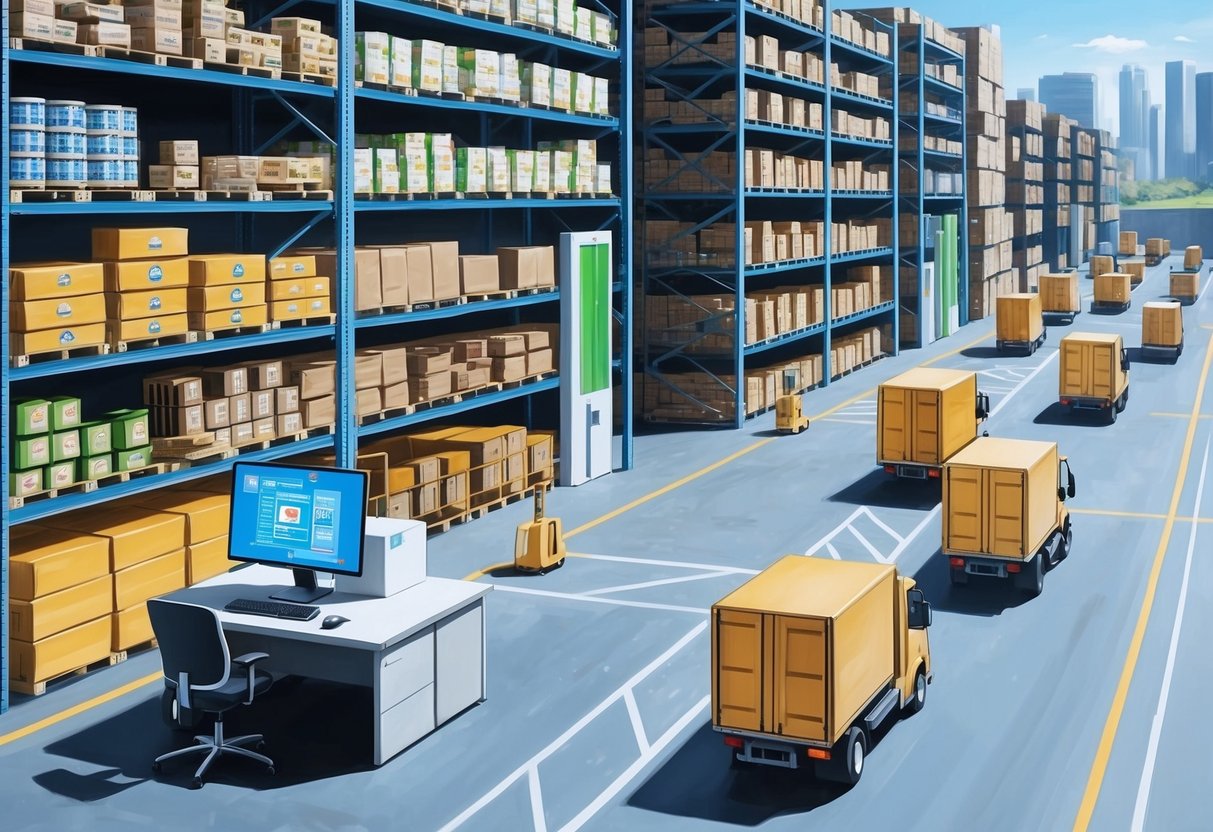 Scaling a dropshipping business involves several key pillars that collectively strengthen operations and enhance revenue streams. It’s all about managing inventory, building strong supplier ties, using marketing automation, and leveraging data analytics.
Optimizing Inventory Management for Wider Product Range
Imagine being able to offer a vast array of products without the complexities of physical storage. That’s the beauty of efficient inventory management. By aligning with reliable fulfillment partners, I ensure the product range matches market demand. A broader selection attracts more customers, increasing potential sales. Effective product sourcing is essential. I keep an eye on sales data and trends. What products are flying off the shelves? Advanced inventory systems help me track this. They also signal when inventory levels are low. This proactive approach means I’m rarely out of stock, keeping customers happy and sales steady.
Enhancing Supplier Relationships and Management
Why do some businesses excel while others falter? Often, it’s about robust supplier relationships. Building trust with suppliers ensures reliability and can even lead to better terms or exclusives. I don’t just pick any supplier; I choose those with a strong reputation and consistent delivery history. Communication is vital. Regular updates and discussions help both sides stay aligned on expectations. In my experience, a reliable supplier means smoother operations and fewer headaches. By fostering these partnerships, I’m able to scale operations efficiently, meeting customer needs and boosting business growth.
Leveraging Marketing Automation to Boost Sales
Marketing automation is a game-changer. Why manually handle tasks that technology can do more efficiently? Automated emails, for example, nurture leads and remind customers of abandoned carts. It’s like having a 24/7 sales team without the ongoing cost. Using tools like targeted ads and customer segmentation, I reach the right audience at the right time. This is crucial for engaging customers and driving conversions. As I integrate these systems, sales become more predictable, and growth becomes sustainable. It’s no longer about the hustle; it’s about smart processes that amplify my reach.
Using Advanced Analytics for Business Insights
Data is the backbone of informed decisions. Through advanced analytics, I gain insights into purchasing behavior, sales trends, and market dynamics. What products are popular this season? What promotions drive the most traffic? These questions guide my strategy. Analytics tools sift through complex data, highlighting patterns I might otherwise miss. This allows me to pivot strategies based on real-time information. As I harness the power of data, I’m not just guessing what will work; I’m making calculated moves that steer my business toward higher profitability.
Automation Tools in Dropshipping
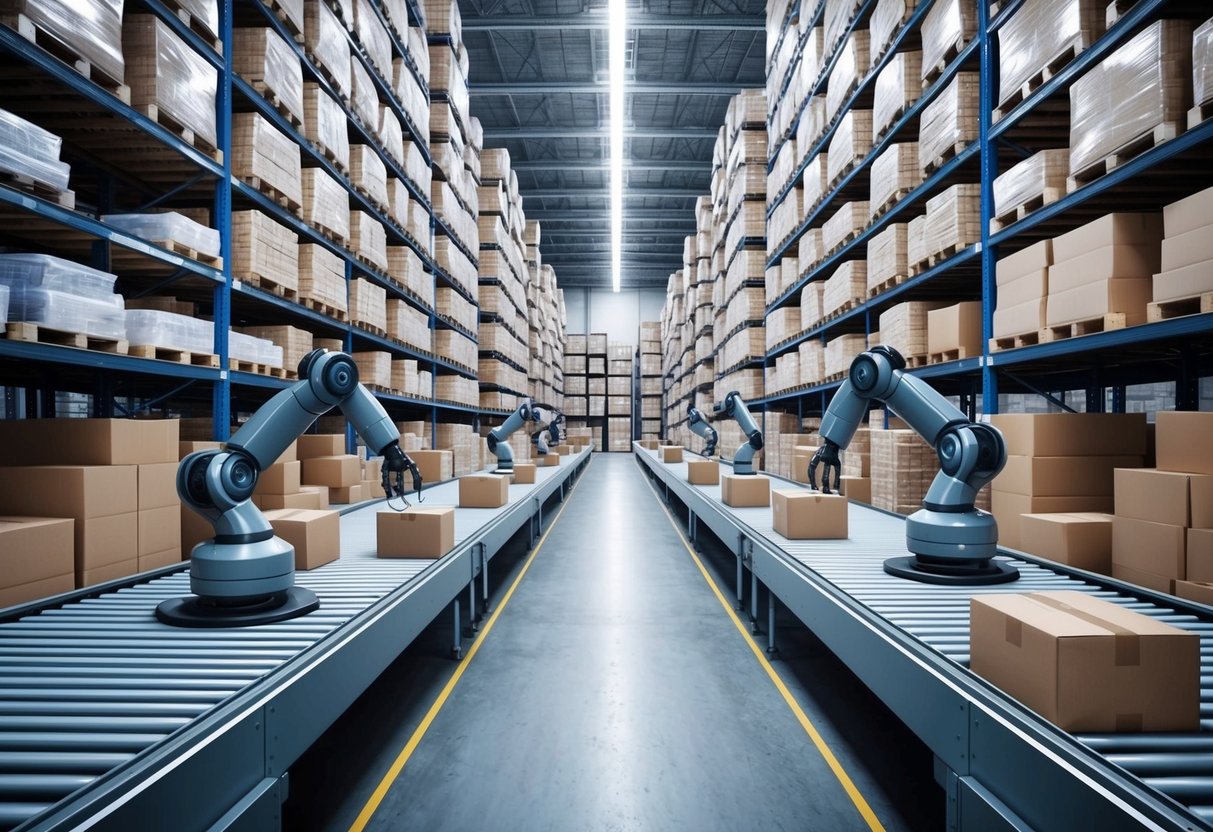 In the world of eCommerce, efficiency is key. By using automation tools, dropshipping businesses can streamline processes and increase revenue. From software that tracks inventory to systems that handle order routing, automation helps reduce manual tasks and minimize errors.
Essential Dropshipping Automation Software
Have you ever thought about how much time you spend managing your store? That’s where dropshipping automation software comes in. Tools like AutoDS and DSers simplify product listing and order management. These platforms automate repetitive tasks, allowing you to focus on scaling your business. Spocket provides an added advantage with AI tools that help find top-selling products quickly. With multiple options available, finding the right software can dramatically boost efficiency and save you hours weekly.
Streamlining Order Processing with Automation
Streamlined order processing is a game-changer. Automation tools handle tasks from order placement to shipping updates, making the process smoother. Flxpoint is one tool that manages these tasks effectively. It integrates with suppliers to ensure orders are processed seamlessly. Imagine having orders fulfilled automatically while you work on growth strategies. This not only cuts down on errors but also speeds up delivery times, keeping customers satisfied.
Advantages of Automated Order Routing and Inventory Syncing
Why struggle with manual inventory checks and shipping logistics? Automated order routing and inventory syncing bring numerous benefits. Tools like DSers and Flxpoint keep your stock levels updated, preventing overselling. Meanwhile, systems handle routing orders to the nearest or most cost-effective supplier. This ensures timely dispatch and reduces shipping costs. By having a system in place that anticipates needs and manages resources, you can rest easy knowing your business is running smoothly.
Cultivating Customer Experience and Satisfaction
 The quality of customer experience can directly impact the success of a dropshipping business. By focusing on service automation, reliable order tracking, and efficient customer retention strategies, I can significantly enhance satisfaction and build lasting relationships.
The Role of Customer Service Automation
How can I improve my interaction with customers? One effective way is by using customer service automation. This technology streamlines responses and ensures consistent communication. Tools such as chatbots can handle inquiries instantly, which reduces wait times and improves the customer relationship management. Automation also helps in gathering feedback, indispensable in refining products and services. By collecting this data, I can focus on enhancing the customer experience. Efficient automation saves time, reduces costs, and lets me focus on what truly matters: growing the business and ensuring customer satisfaction.
Importance of Order Tracking for Customer Trust
Would you trust a business if you didn’t know where your package was? Order tracking builds this trust by giving customers real-time updates. With automated shipment tracking, clients can follow their purchases every step of the way. This transparency is crucial for building consumer confidence, especially in a world where timely delivery is expected. By providing clear and regular updates, I not only enhance satisfaction but also reduce anxiety related to purchases. Embracing order tracking fosters an environment where customers feel secure, appreciated, and informed.
Strategies for Maximizing Customer Retention
Retaining customers can be more cost-effective than acquiring new ones. How can I keep them coming back? One strategy is focusing on personalized customer experiences. By analyzing behaviors and preferences, I can tailor offerings that align with individual needs. Reward programs or exclusive deals can also strengthen loyalty. Engaging with customers through social media and surveys allows me to gather insights and adapt to their needs. Combining these strategies with efficient customer service ensures that I not only meet but exceed their expectations, paving the way for continued patronage and sustained business growth.
Effective Marketing Strategies for Growth
 To grow your eCommerce revenue through dropshipping and automation, it’s essential to implement strategic marketing approaches. These strategies include refining email marketing campaigns, optimizing SEO and content marketing, and analyzing competitors for potential market expansion opportunities.
Deploying Email Marketing Campaigns for Customer Acquisition
Email marketing is a powerful tool for acquiring customers. What makes it so effective? It allows for direct communication with potential buyers. When using platforms like Mailchimp or Klaviyo, I focus on crafting personalized messages that resonate with the audience’s needs. By segmenting my email lists, I can tailor campaigns to different customer types, increasing the chances of conversions. Creating engaging content is key. This might include special offers, product recommendations, or updates about new arrivals. I find that consistent email timing also helps maintain customer interest. By monitoring open rates and click-through rates, I can adjust my strategies to optimize outcomes. Don’t underestimate the power of A/B testing to refine messaging and design for better engagement.
Utilizing SEO and Content Marketing for Organic Reach
Reaching new customers without spending a fortune on ads is where SEO and content marketing shine. A strong SEO strategy ensures that my online store ranks high in search engine results, bringing organic traffic. I focus on keyword research to understand what potential customers are searching for and incorporate these into my content. Content marketing plays a vital role. By producing high-quality, relevant blogs, videos, or product descriptions, I keep my audience engaged and informed. This not only drives traffic but also builds trust in my brand. Interlinking related content and using quotes from experts or customer testimonials can enhance credibility and help with SEO.
Analyzing Competitor and Market Expansion Opportunities
Understanding what competitors are doing can reveal gaps in the market and areas for expansion. I regularly conduct competitor analysis to see which marketing tactics work for them and where they fall short. This involves examining their website, social media presence, and customer reviews. By identifying underserved niches, I can tailor my offerings to meet those needs. It’s also important to keep an eye on emerging markets that might align well with my current product line. Expanding strategically allows me to capture new audiences while leveraging existing strengths. This approach not only helps in gaining a competitive edge but also ensures sustained growth.
Measuring Success and Identifying Key Metrics
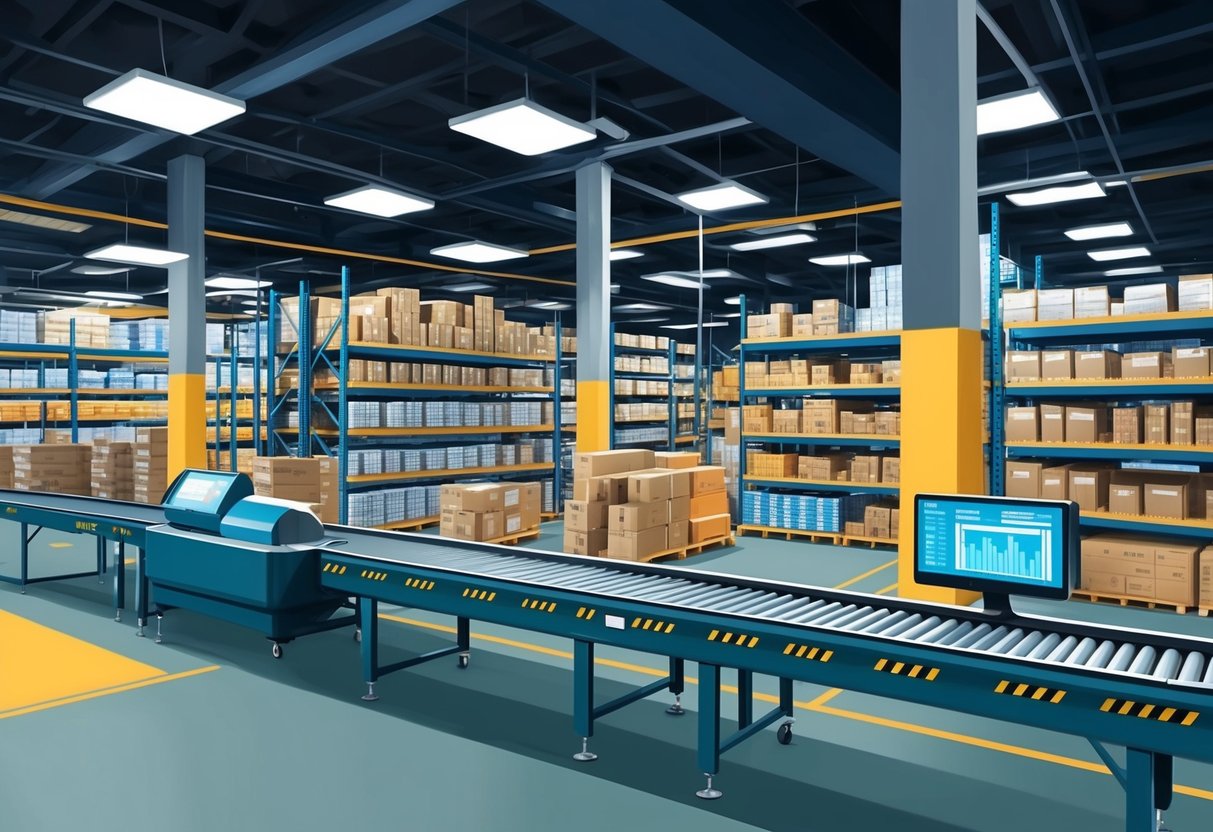 In scaling eCommerce revenue, understanding key metrics is crucial. These metrics help analyze growth and ensure resources are used effectively. Critical areas include tracking growth indicators, evaluating return on investment, and optimizing conversion rates through data insights.
Key Metrics to Gauge eCommerce Growth
Ever wondered what drives real growth in an eCommerce business? It starts with tracking the right metrics. Revenue growth offers a direct view of upward movement, but you shouldn’t stop there. Customer lifetime value (CLV) tells you how much each customer contributes over time, and monitoring this lets you strategize on retaining valuable clients. Looking at the average order value is another powerful way to grow. It pushes you to explore up-selling or bundling strategies. For dropshipping, analyzing monthly trends can show where you’re gaining momentum or lagging behind.
Quantifying Your ROI and Efficiency Gains
How do you know if your efforts are paying off? Quantifying your ROI is essential. Calculating the return on what’s invested involves not just profits but understanding operational costs too. When expenses decline, yet sales remain steady, you’re gaining efficiency. Explore how automation impacts this balance. It can dramatically cut labor expenses and minimize errors, freeing up your time. Assess how these changes affect your bottom line. Consider if enhancements in operational efficiency enhance profit margins. With optimized processes, I can maintain or boost profitability, even amidst scaling challenges.
Leveraging Sales Funnel Data to Optimize Conversion
Your sales funnel has more to reveal than you might think. By dissecting each stage, I can identify where potential buyers drop off. Is the checkout process too complicated? Or perhaps the product descriptions aren’t convincing enough? Pay attention to metrics like the conversion rate. Improving this involves making tweaks based on funnel insights. Look into customer behavior at each step, and use this to refine the approach. Analyzing funnel data can guide adjustments, boosting the chances of turning a curious browser into a loyal customer. Remember, each incremental improvement can lead to substantial gains.
Unlocking Potential with SaaS and Technology
 In today’s fast-paced world, exploring the synergy between software as a service (SaaS) and other advanced technologies enables us to enhance efficiency and reduce operational costs. Through this approach, dropshipping businesses can reach new heights in scaling operations and optimizing time management.
SaaS Platforms for Scaling Dropshipping Operations
SaaS platforms have revolutionized the way we conduct dropshipping. With tools like Zendrop and WooDropship, the process is streamlined and efficient. These platforms eliminate the headaches of manual inventory management, allowing me to focus on scaling my business. They provide real-time data on shipments and inventory, ensuring that I can respond quickly to market demands. What’s more, services like Shopify Flow automate various tasks, reducing the effort needed to fulfill each order. This increases the capacity to handle multiple orders without a hitch. Automation here isn’t just a buzzword; it’s a game-changer. In essence, SaaS platforms make expanding a dropshipping business manageable and scalable.
Technological Solutions to Save Time and Reduce Costs
Time is a precious commodity. By using technology to automate repetitive tasks, I free up valuable hours to innovate and plan strategically. Automation tools, such as workflow automation in Shopify, handle routine processes like order confirmation and customer notifications. This reduces the manual workload, cutting down on labor costs. Additionally, the use of advanced analytics provided by SaaS platforms helps in identifying sales trends and stock needs effectively. By analyzing this data, I can make informed decisions, preventing overstocking or stockouts and thus saving money. Employing these technological solutions empowers any dropshipping business to operate more efficiently and cost-effectively.
Showcase of Success Stories Using Automation
It’s inspiring to see how others have thrived. Consider businesses that embraced automation and SaaS solutions early on. One such example is a friend’s dropshipping store that scaled from five to 500 orders a day within a year. Using platforms like Zendrop, he could focus on marketing and product sourcing while automation handled order processing. Another case is a retail entrepreneur who integrated Shopify and various SaaS tools to automate inventory and customer service. In doing so, not only did they save time, but they also made customer interactions smoother, resulting in higher satisfaction rates and repeat sales. These stories demonstrate the real-world impact of embracing automation technology in dropshipping.
Logistics and Order Fulfillment
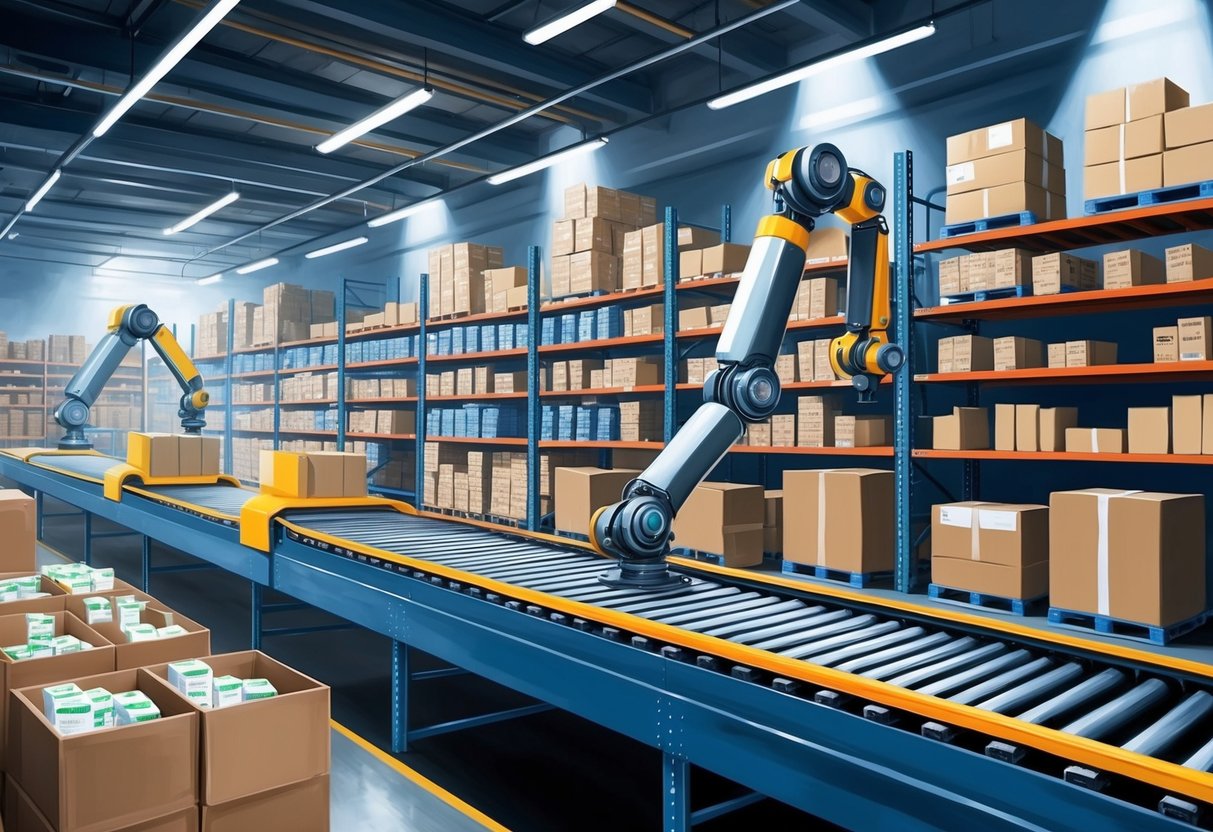 Running an efficient eCommerce operation hinges on mastering logistics and order fulfillment. Optimizing these areas can significantly boost scalability, enhance operational efficiency, and lead to satisfied customers.
The Impact of Logistics on Dropshipping Scalability
How crucial is logistics in scaling a dropshipping business? Well, it’s at the heart of things. Proper logistics streamline daily operations, ensuring that products reach customers quickly and reliably. This efficiency not only builds trust but also empowers businesses to handle increased order volumes without bottlenecks. Effective logistics directly affect scalability. Having the right inventory source ensures timely restocking and order shipping, reducing delays. This means your store can handle growth smoothly, without sacrificing customer satisfaction or order accuracy.
Best Practices for Efficient Order Fulfillment
Order fulfillment is more than just sending products from point A to B. It’s about precision and care. Partnering with reliable suppliers and utilizing dropshipping fulfillment strategies ensures that orders are processed accurately and quickly. Efficient practices include bulk order processing, which minimizes repetitive tasks and speeds up shipments. Automating parts of the fulfillment process reduces human error and frees up time for other core activities. Maintaining a close relationship with your logistics partners ensures smooth operations, boosting efficiency and customer satisfaction.
Tools and Software to Streamline Operations
In today’s fast-paced market, how do you keep operations running smoothly? Using the right tools can make a big difference. E-commerce platforms often come with built-in tools that simplify logistics tasks. Software solutions like those from Flxpoint can automate order tracking and inventory management to enhance operational efficiency. Look for software that offers real-time tracking and updates. This transparency helps manage customer expectations and avoids potential mishaps. Choosing tools that integrate seamlessly with your existing systems ensures minimal disruption and maximum efficiency in your daily operations. By leveraging technology, businesses can focus on growth rather than logistical headaches.