
Navigating the digital landscape can feel like a maze for those in the creative industry, and finding a path to scalable digital royalties is no exception. It’s a world where old constraints meet new opportunities, and creatives need more than talent; they need strategy. Scaling digital royalties from creative work is about understanding how to maximize your earning potential in the ever-evolving digital world. This involves not just creativity, but knowing how to protect your work and strategically market it.  Have you ever wondered how copyright laws and licensing can impact your earnings? They aren’t just legal jargon; they’re tools that can enhance your financial payoff if used correctly. As we embrace technological advancements, creatives must ask themselves how these tools can work to their advantage. Ignoring these aspects might mean leaving money on the table, while understanding them can open up new streams of revenue. The keys to success in this field lie in effectively monetizing your creative process and ensuring your work is protected. Your creative journey should be as much about innovation as it is about strategic financial planning. I’ll explore actionable insights to help you scale within this intriguing world.
Key Takeaways
- Maximizing digital royalties involves understanding and utilizing copyright laws.
- Technology offers new opportunities for creative work monetization.
- Strategic marketing is crucial for scaling earnings in the digital landscape.
Understanding Digital Royalties
 Navigating the world of digital royalties can be complex, but it’s crucial for anyone involved in creative work. Let’s explore the key aspects of digital royalties, from their definition and the rights they protect to the various types and legal considerations involved.
Defining Royalties and Intellectual Property Rights
Royalties are payments made to the owner of a creative work for its use. They act as a financial reward that can provide long-term income. Intellectual property rights protect these creative works, ensuring creators retain ownership and control over how their content is used. These rights cover a wide range of creations, from music and books to art and patents. Why is this important? Without proper intellectual property protection, creators risk losing control over their work, which can mean lost income. By understanding these concepts, creators can better safeguard their digital content and establish a sustainable revenue stream. It’s about turning creativity into a financial asset that works for you.
Types of Royalties
Did you know there are different types of royalties? Performance royalties are earned when a song is performed publicly. This includes live concerts or radio plays. Streaming royalties, on the other hand, come from digital platforms like Spotify or YouTube. Licensing royalties are fees paid for using a piece of work in another project, like a song in a film. Each type offers unique opportunities to earn income from creative works. Knowing the distinctions helps in maximizing earnings. Have you ever considered branching out into different royalty streams? It’s like diversifying an investment portfolio.
Legal Considerations in Royalty Agreements
Royalty agreements can be the backbone of successful intellectual property management. However, they come with legal nuances that can be tricky. Contracts must clearly define how royalties are calculated, paid, and what rights are being granted. Pay attention to terms concerning territory, duration, and exclusivity. Why does this matter? Without clear agreements, disputes can arise that may jeopardize income. It’s essential to consult with legal professionals who specialize in intellectual property to ensure all contracts are airtight. Think of it as building a protective moat around your creative castle. Understanding the intricacies of these agreements ultimately safeguards both your intellectual and financial interests.
The Role of Copyright Laws and Licensing
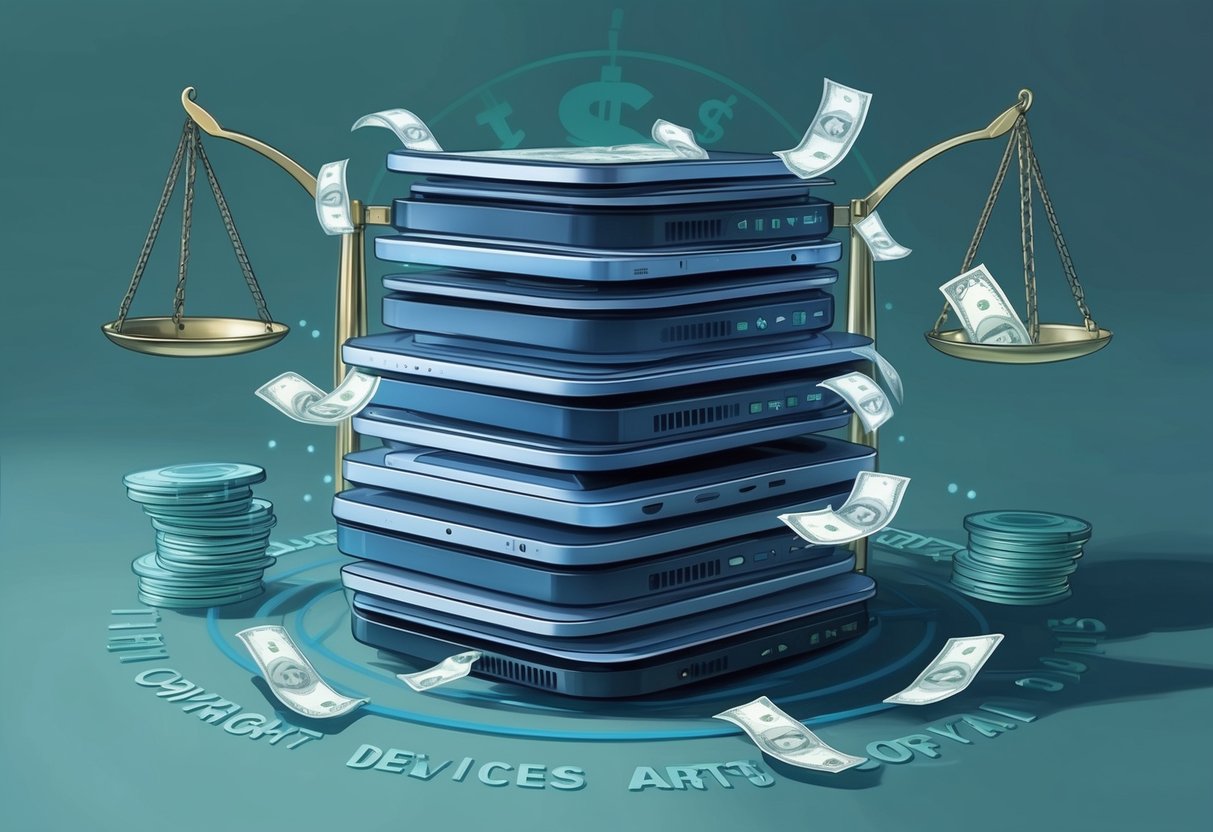 Copyright laws and licensing play a critical role in protecting creative work and ensuring creators are compensated. These frameworks are essential for navigating the complex world of digital royalties.
Navigating Copyright and Licensing Agreements
When it comes to creative work, navigating copyright laws and licensing agreements can feel like traversing a maze. Have you ever wondered why some agreements seem so complex? It’s because they involve numerous elements like legal rights and obligations. The key is to understand the terms and conditions laid out in these agreements. Are you aware that these agreements can cover different types of rights? For example, some grant the right to reproduce or distribute a work, while others might allow for public performance. Knowing the specific rights being offered or granted is essential to making informed decisions.
Exclusive vs. Non-Exclusive Licenses
In the arena of licensing, the choice between exclusive and non-exclusive licenses can heavily impact creators and their earnings. Exclusive licenses give one party the sole right to a particular use of the work. This could mean greater control and potentially higher fees, but it limits how the creator can further monetize that work. On the other hand, non-exclusive licenses allow multiple parties to use the work at the same time. This might seem less profitable at first glance, but it can lead to broader exposure and diverse income streams. Which approach aligns best with your goals? It often depends on the balance between control and potential reach.
Financial Aspects of Creative Work
 Creative work offers unique opportunities to earn income through royalties and digital assets. Understanding royalty rates, the role of NFTs, and the effective collection of royalties is crucial for maximizing revenue streams in this space. Let me break down these financial aspects for you.
Determining Royalty Rates and Compensation
How do you know if you’re being compensated fairly for your creative work? Royalty rates can vary significantly. These rates depend on factors like the type of work, the industry, and negotiated agreements between parties. For instance, authors often receive royalties from book sales. These rates can be on the cover price or the net profit, depending on the contract structured terms. What if you’re in the music industry? Often, performers and songwriters earn different percentages which might depend on agreements with music labels or streaming platforms. Knowing your worth and negotiating smartly can lead to sustainable income. Are you leveraging all compensation opportunities in your field?
Non-Fungible Tokens (NFTs) and Digital Ownership
Non-Fungible Tokens (NFTs) are a game-changer. They allow creators to sell digital ownership of their work. Unlike traditional methods, NFTs provide a way to verify and authenticate digital works, ensuring originality. This opens new revenue streams by giving power back to the creators and guaranteeing unique ownership rights. Imagine selling a digital art piece and the ownership can be traced on a blockchain. This means assured authenticity for buyers and a potentially ongoing income stream for creators, as NFTs can be programmed to deliver royalties automatically each time they are resold. Don’t you want a piece of this innovative pie?
Collection and Distribution of Royalties
Once your work generates income, how do you get paid? Royalty collection remains a vital aspect, ensuring you receive your fair share. Often, third-party agencies collect royalties on behalf of creators. This ensures proper tracking and distribution of revenues from various sources such as streams, plays, or sales. However, it’s vital to be proactive. Know who is managing your collections and understand the typical timeline for payments. With platforms like MassPay offering management services, creators can lean into technology to assist with accurate collection and efficient distribution. Are you leveraging technology to ensure your royalties are collected efficiently?
Technological Advancements Impacting Royalties
 Technology is revolutionizing the way royalties are managed and distributed. From blockchain’s ability to ensure transparency to smart contracts that automate payments, these innovations offer new efficiencies and fairness in handling digital rights.
Blockchain Technology for Transparency and Tracking
Blockchain is fundamentally changing how we track and manage royalties. This technology creates a tamper-proof record of transactions, ensuring accuracy and trust in the process. Imagine knowing exactly where and how your money moves without any discrepancies. For creators, this means a transparent view into how their royalties accumulate. By using blockchain, artists and producers can verify their earnings are accurate and fair. This tool links all stakeholders, from creators to consumers, providing a single source of truth. Isn’t it crucial to know your creations are being rightfully acknowledged? This transparency could redefine digital rights, making it critical for anyone involved in royalty collection.
Smart Contracts and Automated Royalty Payments
Smart contracts are bringing a new level of automation to royalty payments. These digital agreements automatically execute financial transactions based on predefined conditions. No more waiting for manual processing or worrying about delayed payments. Imagine your earnings arriving consistently and on time, with zero errors. Automation tools through smart contracts mean less human error and more efficiency. They can distribute payments to all the rightful owners instantly. This isn’t just about saving time; it’s about safeguarding your income. Why should your hard-earned money go through a complex maze when it can come straight to you? This innovation could change how digital finance operates for creatives.
Digital Asset Management Systems
Digital Asset Management (DAM) systems streamline the handling of digital rights and royalties. These platforms allow creators to organize, store, and track their digital assets efficiently. By keeping everything in one place, you reduce the time spent on administration and increase focus on creation. DAM systems help manage usage data, leading to more accurate royalty calculations. They offer detailed insights into asset performance, allowing for informed decisions about licensing and distribution. With these systems, creators have the power to maximize their income potential. How much would this clarity and control over your creations influence your financial future? The possibilities are vast.
Strategic Marketing and Distribution
 Strategic marketing and distribution are critical to unlocking the full earning potential of creative works. In an increasingly digital world, it’s vital to use online platforms effectively, maintain brand consistency, and engage audiences to ensure successful market penetration.
Maximizing Global Reach through Online Platforms
In today’s digital landscape, how do you get your creative work in front of a global audience? The answer lies in leveraging online platforms. Platforms such as Spotify or YouTube can transform the distribution of creative work, allowing it to reach millions worldwide. Online distribution has democratized access, enabling even small creators to compete on a large scale. The right strategy involves targeting specific demographics and regions, ensuring that content resonates with diverse audiences. Crucially, this approach reduces the reliance on physical distribution, lowering costs and increasing reach.
Building Brand Consistency Across Multiple Platforms
Why is brand consistency important in the digital age? It builds trust and recognition across various channels. I ensure that my messaging and visuals are consistent, whether on social media, streaming sites, or through email marketing. Each platform may require a slightly different approach, but the core identity must remain stable. Consistent branding helps in creating a coherent image that audiences can rely on, fostering loyalty and improving recall. It’s not just about a logo or color scheme but about communicating values and promises consistently.
Content Promotion and Audience Engagement
In a world overflowing with content, how do I ensure mine stands out? Promotion and engagement are key. Effective content promotion involves using data-driven insights to target the right audience at the right time. Engaging with the audience means interacting through comments, live sessions, and tailored content suggestions. I focus on creating two-way conversations online to strengthen relationships with my audience. Tools like social media analytics can help in understanding what resonates, making it easier to adjust strategies for better engagement. Building a community around creative content not only increases its reach but also enhances its value and impact.
Creative Process and Monetization
 In the world of digital content, creators can transform their unique ideas into profitable ventures. By collaborating effectively, choosing the right monetization strategies, and maintaining authenticity, they can ensure steady income while keeping their audience engaged.
Collaboration and Content Creation
When it comes to content creation, collaboration can be a powerful tool. Working with other creators allows for a synergy of skills and ideas. This not only enhances creativity but also expands the reach to a broader audience. For instance, two content creators might co-create a series, sharing their expertise to create something neither could achieve alone. A successful collaboration requires clear communication and shared goals. It’s essential to establish trust and define roles from the beginning. Tools like shared workspaces or video conferencing platforms can facilitate smooth exchanges of ideas and feedback. This setup helps streamline the creative process, ensuring that all collaborators are on the same page.
Monetization Strategies for Digital Content
Monetization is crucial for turning creativity into cash flow. One effective method is through streaming platforms, where micro-royalties are earned per view or listen. This approach has gained traction with the rise of streaming services, shifting the focus from ownership to on-demand access. Another strategy involves licensing creative works to third parties. This approach allows creators to earn a percentage of sales or a fixed amount per use, depending on the licensing agreement. Additionally, offering premium content or merchandise through personal platforms can boost income. Creators must choose strategies that align with their work and audience preferences.
Ensuring Authenticity and Originality
In a digital landscape crowded with content, staying authentic and original is vital. Authenticity builds trust with the audience, making them more likely to support monetized offerings. Creators should focus on their unique voice and insights, steering away from imitation. Originality doesn’t just appeal to audiences; it can also protect creators legally. Registering intellectual property rights ensures that others can’t profit from someone else’s work without permission. By maintaining a clear and honest presence, creators can foster loyal communities that support their creative and financial endeavors over the long term.
Industry Perspectives on Digital Royalties
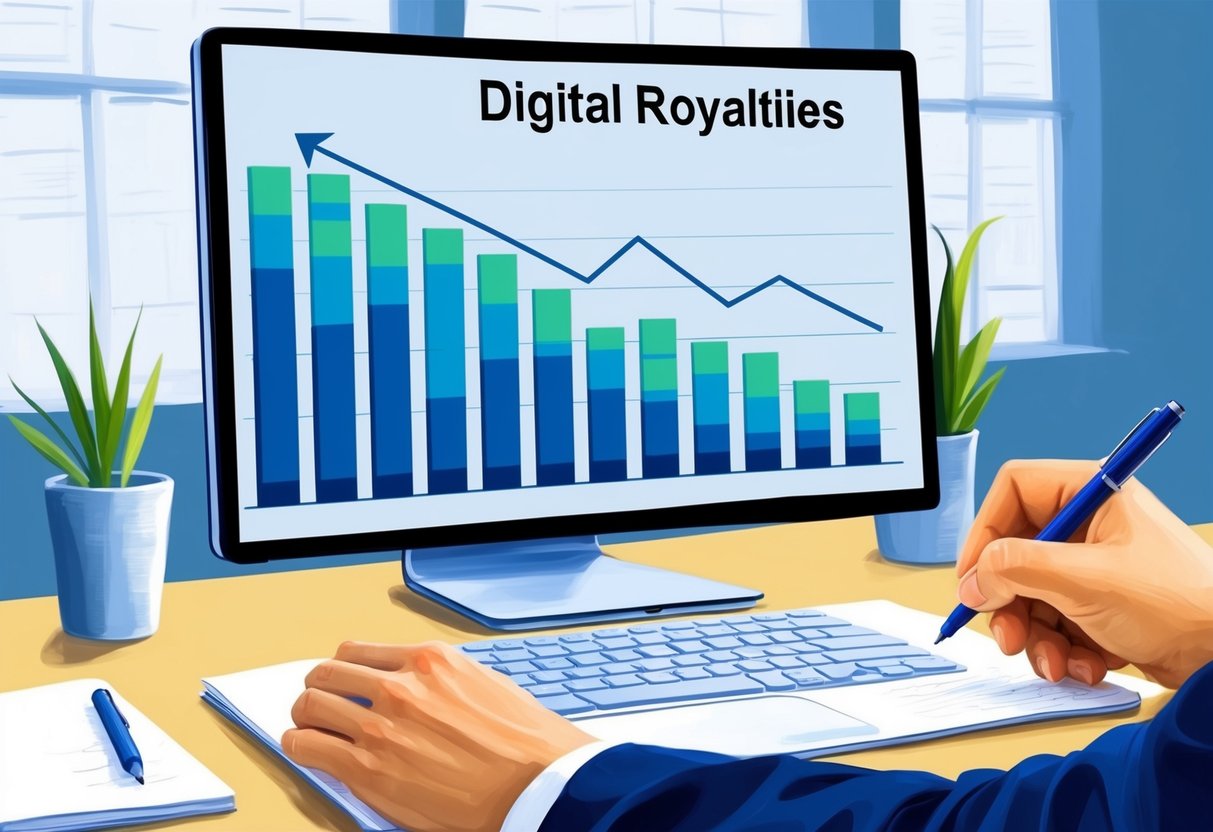 Navigating the landscape of digital royalties can be challenging, especially with evolving streaming services and digital markets. It’s crucial to understand the impact of these shifts, the adaptability required to thrive, and the looming threats posed by piracy and compliance issues.
Impact of Streaming Services on Royalties
How have streaming services like Spotify and YouTube changed the way creators earn royalties? These platforms have revolutionized access to music and video content, allowing creators to reach audiences worldwide. However, the compensation model often results in lower payouts per stream compared to traditional sales. Streaming giants dominate the market, leaving many artists struggling for fair compensation. The vast reach of these services provides exposure, but balancing exposure with income remains challenging. Many creators seek alternative revenue streams to supplement their earnings from streaming.
Adapting to the Evolving Digital Marketplaces
The digital marketplace is a consistent challenge in adaptability. As platforms and consumer habits shift, creators must stay agile to capitalize on their work. This evolution demands strategic planning and the willingness to explore new platforms like NFTs, which offer new ways to earn. How do creators adjust to this fluid environment? By leveraging technology and engaging directly with their audience, artists can maintain relevancy and maximize income. Digital marketplaces offer unprecedented opportunities, but only for those willing to adapt and innovate.
Challenges Posed by Piracy and Compliance
Piracy remains a major issue, threatening creators’ ability to earn fair royalties. Illegal distribution of digital content erodes potential earnings and undermines the value of creative work. Compliance with ever-changing digital rights management regulations is another hurdle. Protecting one’s work in the digital space requires vigilance and often legal assistance. Striking a balance between accessibility for consumers and protecting creators’ rights is key. Robust anti-piracy measures and compliance frameworks can shield artists from revenue loss and legal challenges.
Protecting Creative Work and Licensing
 In the world of digital art, safeguarding your creations while navigating the complex world of licensing is crucial. This involves balancing creative freedom with legal protection and understanding digital rights within online marketplaces.
The Importance of Creative Freedom and Legal Protection
Have you ever thought about how to keep your creative voice alive while protecting your work? It’s a fine line to walk. Legal protection helps ensure that your creations remain yours while offering the freedom to express your ideas. Copyright law is your ally here. By applying it, you can reserve rights over your work, which can deter unauthorized use. Creative Commons licenses provide another layer of control, allowing you to specify which rights you wish to waive and which you want to retain. This can open opportunities for collaboration while securing the integrity of your work. It’s a way to maintain your creative freedom without letting go of your rights entirely.
Navigating Digital Rights and Licensing in Online Marketplaces
How do you ensure your work is respected in digital marketplaces? When you share your art on platforms like Etsy or Amazon, understanding licensing is key. These platforms offer exposure but come with the risk of misuse. Here, digital rights management becomes essential. Royalty-free licensing is a popular choice, where a one-time fee allows others to use your work without ongoing payments. But don’t let the term “royalty-free” deceive you. It doesn’t mean your work is free of cost. It merely means no additional fees after the initial payment. Having the right licensing terms ensures that the use of your work aligns with your vision while protecting your financial interests.
Future Directions and Innovative Models
 Digital royalties are evolving with new technologies, offering unique opportunities for artists and creators. By embracing direct-to-consumer models, personalization, and analyzing the growth of e-books, we can uncover the potential for innovative royalty structures in creative industries.
Embracing Direct-to-Consumer Models and Personalization
Have you ever considered cutting out the middleman in creative work? With the rise of direct-to-consumer models, creators are now closer to their audience, allowing them to tailor their content more precisely. By leveraging digital platforms, artists can offer personalized experiences, expanding their reach and increasing their revenue opportunities. Direct connections mean more control over pricing and engagement. When creators understand their audience’s preferences, they can deliver customized content, fostering a deeper connection with consumers. This approach isn’t just about offering unique products but about building a personalized relationship that enhances loyalty and value. Adopting these models can significantly impact intellectual property management, providing artists with greater flexibility and potentially higher returns. Digital tools empower creators to experiment with different formats, maximizing impact while safeguarding their IP.
E-books and Digital Publishing: A Case Study in Royalties
Why do e-books lead the charge in reshaping royalties? In the realm of digital publishing, e-books have revolutionized how authors earn from their work. Unlike traditional publishing, digital allows for rapid distribution with lower costs, which can result in more favorable royalty agreements for authors. Through platforms like Kindle Direct Publishing, writers receive a higher percentage of sales compared to traditional routes. This shift benefits authors who adapt to digital formats, as they can retain a larger share of their sales revenue. It’s a model that encourages innovation and broadens market access without losing control over IP. This evolution in royalty structures highlights the growing importance of adapting to changing technologies and consumer habits. For creatives, it’s not just about adopting the latest technology but about strategically navigating new opportunities to achieve financial success and creative freedom.