

Are you tired of seeing slow growth in your digital product sales? Have you ever wondered how some businesses seem to effortlessly expand and meet market demand? The secret often lies in harnessing the power of sales automation tools. These tools not only streamline the sales process but also help in meeting shifting customer expectations efficiently. Automation tools can drastically transform the way digital products are sold. By adopting these technologies, companies can create meaningful customer experiences and enhance their relationships with clients. With data analytics, businesses gain insights to optimize their offerings and address pain points effectively. Investing in automation isn’t just about cutting costs; it’s about strategically positioning your business for future growth. As digital landscapes continue to evolve, scaling your operations becomes necessary to stay competitive. Curious about how automation tools can unlock this growth potential?
Key Takeaways
- Automation tools boost sales of digital products.
- Enhanced customer experiences lead to sustainable relationships.
- Streamlined processes optimize resources for future growth.
Understanding Automation in Digital Sales
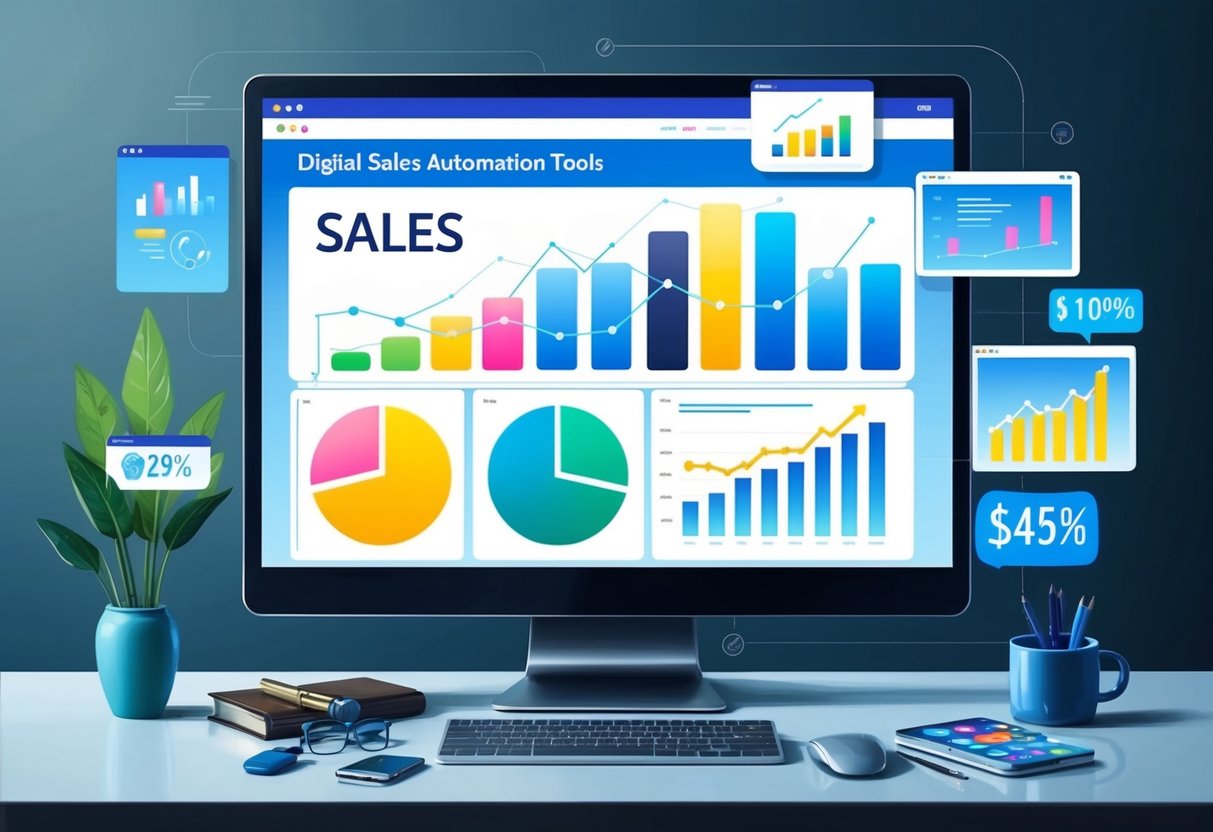 Automation in digital sales is transforming the way we do business. It streamlines operations and enhances our ability to reach more customers efficiently. By incorporating automation, we embrace opportunities for growth and reliability, ensuring our businesses can meet the increasing demands of the digital marketplace.
The Role of Automation Tools
Automation tools play a significant part in elevating our sales processes. These tools handle repetitive tasks like data entry and lead tracking, allowing us to focus on strategic decisions. By automating these functions, we improve overall operational efficiency, allowing our sales teams to engage more effectively with customers. For example, automation software manages customer follow-ups and integrates with customer relationship management (CRM) systems. This ensures that no lead is overlooked and helps us maintain strong relationships with potential clients. Such methods make the sales process smoother and more reliable, reducing human errors. Implementing these tools means our teams spend more time building strategies and less time on tedious tasks. This, in turn, boosts productivity and helps us create more tailored customer experiences.
Benefits of Digital Transformation
Digital transformation isn’t just about technology; it’s about reshaping our business to compete more effectively. By moving towards digital processes, we increase our capacity to respond to customer needs and market changes swiftly. With automation, we make operations faster and more reliable. One clear advantage is the ability to scale operations without a significant increase in resources. Automation helps us analyze sales data quickly, providing insights that guide our decision-making. This aligns our strategies more closely with market demands. Improved customer service is another benefit. Automation ensures consistent and timely responses to customer inquiries, enhancing satisfaction. Ultimately, digital transformation allows us to grow our businesses confidently, providing a solid foundation for future success.
Enhancing Customer Experience Through Automation
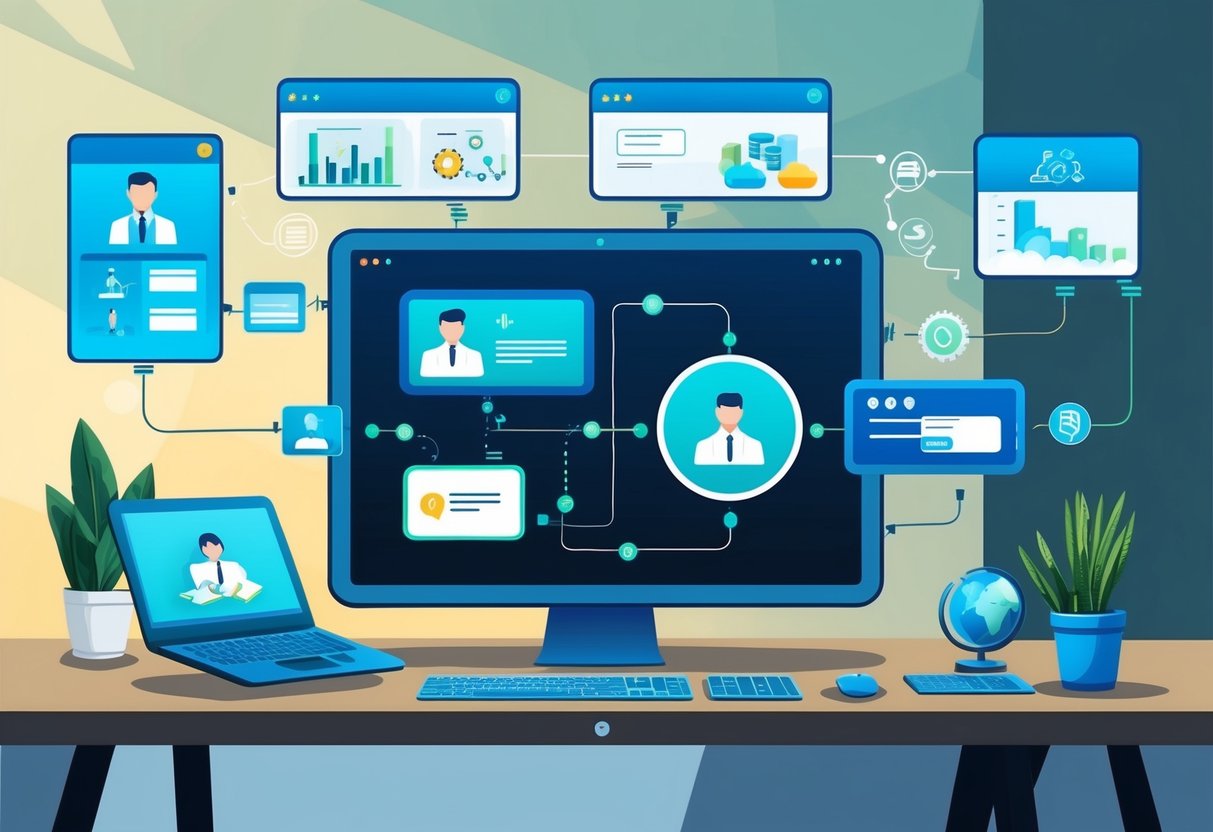 Automation is revolutionizing how we interact with customers. It’s not just about efficiency; it’s about creating meaningful connections and meeting customer expectations.
Personalization of Customer Interactions
Have you ever wondered why some businesses keep you coming back for more? The answer is often personalization. By using automation tools, businesses can deliver personalized experiences that make each customer feel unique and valued. These tools analyze data, such as purchase history and browsing behavior, to tailor recommendations and communications. Imagine receiving offers that speak directly to your interests! This level of personalization not only boosts customer satisfaction but also fosters customer loyalty. Happy customers are more likely to return and recommend your products to friends and family. By leveraging automation, I can foresee potential needs and address them before they’re even voiced. This proactive approach lays the foundations for long-lasting customer relationships.
Improving Customer Support With Automation
Who doesn’t appreciate fast and reliable support? Automation is transforming customer support by providing quick, accurate responses to inquiries. Automated systems, like chatbots, are available 24/7, ensuring that customers never have to wait for assistance. These tools can handle common questions and issues, freeing up human representatives to tackle more complex concerns. By using automation, companies can reduce response times and increase customer satisfaction. They provide consistent and precise support, which is crucial in meeting rising customer expectations. This means customers can rely on getting help whenever they need it. Ultimately, automating support functions enhances customer experience by delivering prompt and effective service, strengthening my customers’ trust and loyalty.
Optimizing the Sales Process
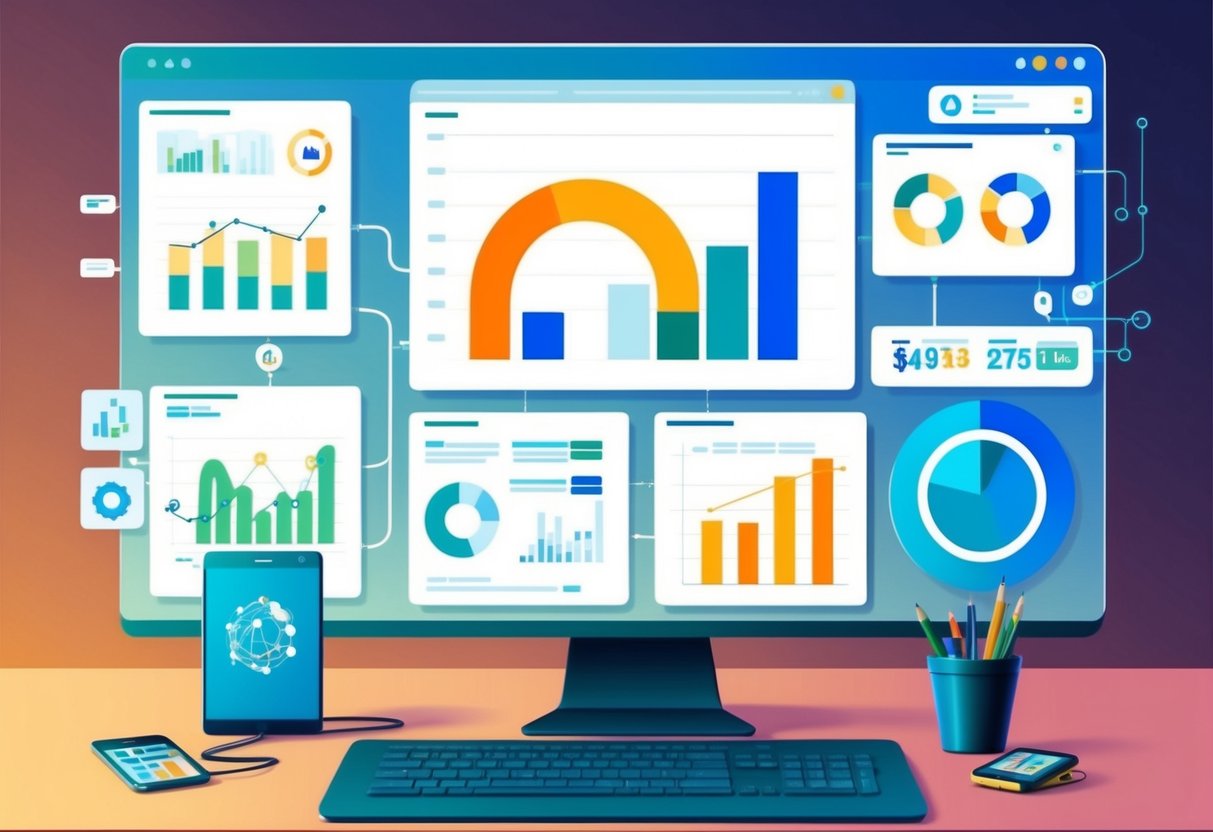 I’ve found that optimizing your sales process is key to improving overall performance. Harnessing the power of automation tools can streamline lead generation, enhance conversion rates, and ultimately boost sales performance and revenue growth. Let’s dig into the specifics of how these tools can transform your business.
Streamlining Lead Generation and Nurturing
Lead generation is the backbone of any thriving sales process. By automating this stage, you save time and resources. Automation tools help by using customer data and behavior patterns to identify potential leads efficiently. Once leads are in the pipeline, nurturing is critical. Automated messaging and follow-ups cater to individual preferences, ensuring personalized touchpoints without additional manual effort. This not only maintains engagement but also reduces the customer acquisition cost by making the process more efficient and effective. How does automation enhance your lead nurturing strategy? It’s a game changer.
Enhancing Conversion Rates with Automation
Increasing your conversion rates is crucial for achieving higher sales. Automation tools offer real-time insights into potential customers’ decision-making journey. By tracking interactions and preferences, you can tailor your approach and personalize offers, meeting their needs right when they are most interested. Sales automation also benefits sales reps by prioritizing leads likely to convert, based on automated scoring systems. This directly translates into higher conversion rates, as efforts are concentrated on the most promising prospects. What would it mean for your business to see a clear path to closing deals more efficiently?
Boosting Sales Performance and Revenue Growth
Boosting sales performance is more than just making transactions; it’s about understanding performance metrics and optimizing your strategy. With automation, you can analyze these metrics in real time, spotting trends and areas for improvement promptly. This level of insight allows for informed decision-making and strategic adjustments. Increasing revenue growth comes with consistent follow-through on these strategies. Automated systems track and manage sales activities, ensuring nothing slips through the cracks. A well-oiled machine is great, but it’s even better when it steadily advances your revenue goals. Have you considered how automated sales performance insights might elevate your business to new heights?
Data Analytics and Performance Measurement
 Navigating today’s digital landscape requires understanding customer behavior through data analytics and keeping an eye on performance metrics. How do we turn raw numbers into actionable steps for business growth? Let’s explore this by focusing on leveraging insights and tracking key metrics.
Leveraging Data-Driven Insights for Business Growth
When I dig into data, I’m not just looking for patterns; I’m searching for opportunities. By using advanced tools like analytics and AI, I can transform data-driven insights into strategic actions. This approach helps me identify what truly matters to my customers. As I analyze trends, I uncover areas ripe for innovation, allowing my business to adapt quickly. Imagine understanding why customers make certain choices. With robust analytics, I can tailor products to meet their needs better. This method not only delights customers but also boosts my bottom line. What’s my secret to business growth? It’s leveraging insights that push my boundaries and open new markets.
Tracking Performance Metrics
How do I measure success? For me, it’s about tracking specific performance metrics that align with my business goals. I focus on key performance indicators (KPIs) such as sales conversions, customer retention rates, and digital integration levels. Each metric tells a story about my company’s health and guides my decisions. By regularly monitoring these metrics, I spot potential issues before they escalate. This proactive stance keeps my strategies sharp and responsive. I use tools like dashboards and reports to visualize data, making it easier to communicate performance trends. Performance measurement is like a compass; it navigates my business through the unpredictable seas of the market.
Building Sustainable Customer Relationships
 In today’s fast-paced digital world, building sustainable customer relationships is vital. It’s about creating trust and ensuring that customers feel valued every step of the way. Let’s dive into how we can achieve this.
CRM and Customer Engagement
Have you ever wondered how businesses keep their customers coming back? It’s all about using tools like customer relationship management (CRM). CRM systems help engage with customers more effectively, enhancing interaction and boosting retention rates. They allow me to track customer interactions and understand preferences, leading to personalized experiences. When a customer feels understood and appreciated, they are more likely to remain loyal. CRM tools also enable real-time communication, which fosters a deeper connection with customers. By analyzing customer behavior patterns, I can tailor offerings that resonate with individual needs. This attention to detail improves customer lifetime value and strengthens the relationship over time. It’s not just tech talk—it’s about building genuine connections.
Reducing Costs While Maintaining Quality Engagement
How can I keep costs down while ensuring high-quality customer engagement? It starts with automation. Implementing automation tools helps streamline processes and reduce manual efforts. Tasks like sending personalized emails or responding to customer queries can be automated without losing the human touch. Automation doesn’t mean cutting corners. It’s about being smart with resources. By reducing operational costs, businesses can reinvest in quality engagement strategies. This approach helps maintain consistency in customer interactions and enhances overall satisfaction. Moreover, automating repetitive tasks allows me to focus on meaningful interactions, which increases customer lifetime value. By balancing cost-saving measures with high-quality engagement, sustainable customer relationships become a reality.
Cost Efficiency and Resource Allocation
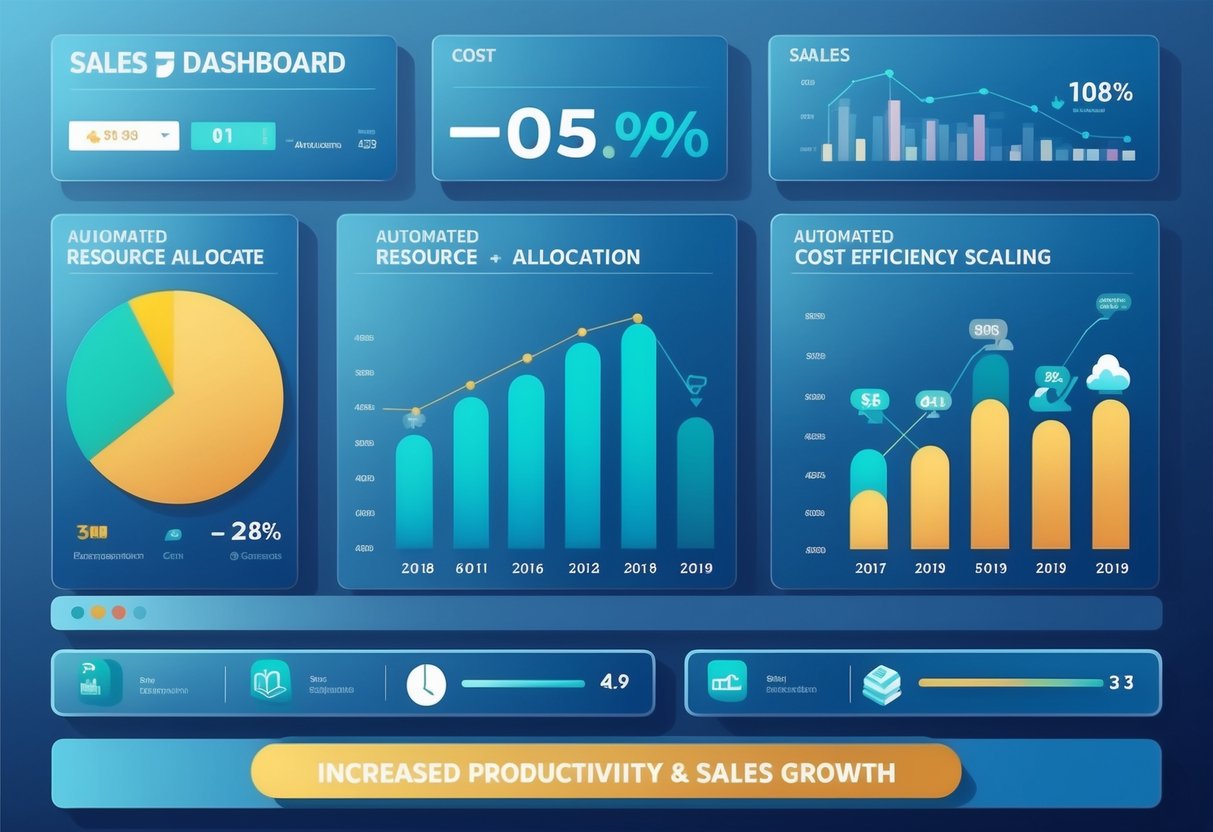 Achieving cost efficiency and strategic resource allocation is crucial in scaling digital product sales. By leveraging automation tools, companies can reduce expenses and allocate resources more intelligently, enhancing scalability and operational efficiency.
Minimizing Expenses with Automation
Automation tools can significantly reduce operational costs. For instance, implementing digital process automation can cut costs by up to 30% according to a Gartner report. These tools streamline repetitive tasks such as data entry and customer support, which frees up time for your team to focus on growth-oriented activities. Why pay for extra hours when software can do the job faster and without errors? Using cloud orchestration, businesses can automate resource allocation and scaling. This means during high-traffic periods, the system automatically adjusts to ensure continued performance, minimizing downtime and saving money on unnecessary resources.
Strategic Resource Allocation Decisions
It’s not just about cutting costs; it’s about smart spending. Strategic decisions in resource allocation involve using data insights to optimize your use of resources. With information from Sedai, businesses can determine precisely where to allocate their resources. Effective resource allocation ensures your investments are directed towards high-impact areas like market expansion and customer experience. Automation also means you can scale operations smoothly, offering the ability to adapt quickly to market changes without the need for constant manual intervention. This approach not only saves money but boosts your operation’s flexibility and resilience.
Integrating Sales Automation Tools
 In today’s fast-paced world, automating sales processes can unlock significant growth. From personalized messages to seamless tech integration, automating offers a proactive way to handle large data volumes and enhance customer relationships.
Customized Communications and Email Marketing
Why send generic emails when I can tailor each message? Customized communications through sales automation tools allow for personalized content that resonates with individual customer needs. By leveraging email marketing automation, I can schedule messages, track responses, and adjust strategies as needed. Creating targeted email lists and segmenting audiences enables me to send relevant offers and updates, increasing engagement. Utilizing cloud storage solutions helps manage the vast data required for personalization efforts efficiently, ensuring that all customer information is accessible and secure. Automation significantly reduces manual effort, ensuring that I maintain a personal touch without the time burden. It’s about working smarter, not harder, allowing me to focus on growing my business relationships effectively.
Ensuring Seamless Integrations
How can I ensure my systems talk to each other effortlessly? Integrations are the backbone of any effective sales automation strategy. The tools I choose must blend smoothly with my existing CRM, email platforms, and marketing tools. Using platforms that support easy integrations reduces data silos, allowing seamless data flow across systems. This ensures real-time access to information, which is vital for timely decision-making. Compatibility checks are crucial before any implementation to avoid technical hitches. Opting for tools with proven integration capabilities ensures that I can efficiently handle large data volumes without disruptions. Keeping my tech stack cohesive not only improves operational efficiency but also enhances the overall customer experience by providing a unified view of interactions.
Scaling for Future Growth
 In scaling digital product sales, adapting automation tools plays a critical role. To maximize growth, we need to focus on expanding market reach and maintaining a strong market presence.
Adapting Automation for Market Expansion
How can we effectively increase our market reach? By adapting our automation tools to stay ahead in a changing landscape, we can succeed. Automation allows us to tailor content to meet the specific demands of new markets. Using AI and machine learning, it’s possible to analyze new trends, promoting products that meet those demands. To gain insights from new regions, gathering customer feedback is crucial. This continuous loop of feedback informs adjustments, ensuring we stay relevant. Are we listening closely enough to our customer’s needs? This strategy not only captures attention but also boosts customer satisfaction and loyalty.
Sustaining Growth and Increasing Market Share
Maintaining growth requires a steady focus on increasing market share. Automation tools help streamline operations, reducing costs and increasing efficiency. But how do we improve further? Real-time data monitoring allows us to track and quickly respond to market changes, ensuring competitive positioning. Engagement is key to sustaining our growth. By personalizing interactions through automated systems, we can foster long-term relationships with our clientele. These relationships become the bedrock for trust and loyalty, crucial for sustained growth. As we scale, our ability to expand and maintain market share is strengthened, creating more opportunities for success.