
For years, I stuck to the usual advice—save, invest in stocks, cross my fingers. But what if there’s another way to make your money work, even when the economy’s unpredictable?
That’s what pushed me to look into real estate investing in York, PA.
York, PA stands out as a market that offers affordability, a variety of property types, and potential for stable growth. With its mix of suburban and urban neighborhoods, homes around $275,000, and a diverse community, York’s become a favorite for investors who want more control over their portfolios.
Ready to step off the well-worn financial path? Take a closer look at what York could do for your wealth and security.
Key Takeaways
- York, PA has unique opportunities for real estate investors.
- Knowing the market helps you find the right property.
- Careful planning helps avoid common investing pitfalls.
Understanding the York, PA Real Estate Market
York’s affordability and potential for appreciation should catch any investor’s attention. I see plenty of opportunity here, with different neighborhoods offering their own strengths for building wealth.
City Overview and Growth Trends
York, PA has roots in industry, but it’s not stuck in the past. Local employers include healthcare, manufacturing, and logistics, which keeps job stability strong.
Median home values hover near $173,200, well below the state average. That’s attractive for both first-timers and experienced investors.
There’s a surge in home inventory thanks to new construction and more listings. It’s easier to find deals, negotiate, and pick properties with solid cash flow potential.
Population growth is steady, not wild—great for stable rental demand. More buyers are moving in from pricier cities nearby, chasing a better cost of living without giving up amenities.
Key Neighborhoods for Investors
When I hunt for investments in York, I focus on Downtown, West York, and East York. Downtown pulls in young professionals and families, so demand for rentals stays strong.
It’s walkable, close to jobs, restaurants, and cultural spots renters actually care about. West York has older properties, often below market value.
With some updates, I can turn them into desirable rentals and see positive cash flow quickly. East York offers newer homes, great schools, and a steady stream of tenants looking for quiet and convenience.
Homes near York Hospital or York College? They’re a safe bet for shorter vacancies and reliable tenants.
Picking the right neighborhood isn’t just about price. It’s about long-term demand, easy management, and property appreciation.
Getting Started with Real Estate Investing in York, PA
I know what it’s like to save for years, follow all the “rules,” and still worry about your financial future. Real estate in York, PA gives me more control, brings steady income, and helps me build lasting wealth for my family.
Setting Investment Goals
Before buying my first York property, I get clear on what I want. Do I want extra monthly income, future appreciation, or both?
I set specific, measurable goals—like $500 in rental profit each month or three rental homes in five years. I also consider my risk tolerance and time.
Will I manage tenants myself, or hire it out? Writing these goals down keeps me focused and away from hype or shortcuts that never work.
Choosing an Investment Strategy
There are a lot of ways to invest in York. Each one has its ups and downs.
Do I buy and hold single-family homes for steady rent? Or should I try flipping for faster returns?
Here’s a quick comparison:
Strategy
Time Involved
Income Type
Risk Level
Buy and Hold
Low to Medium
Monthly Rent
Moderate
Flipping
High
Lump Sum Sale
Higher
Short-Term Rental
Medium
Nightly Rent
Moderate to High
I check York real estate market trends to match my strategy to what’s actually working now. My comfort with repairs, dealing with people, and cash flow all matter.
Once I know what I want and how I’ll get there, I move with more confidence and avoid rookie mistakes.
Types of Investment Properties in York, PA
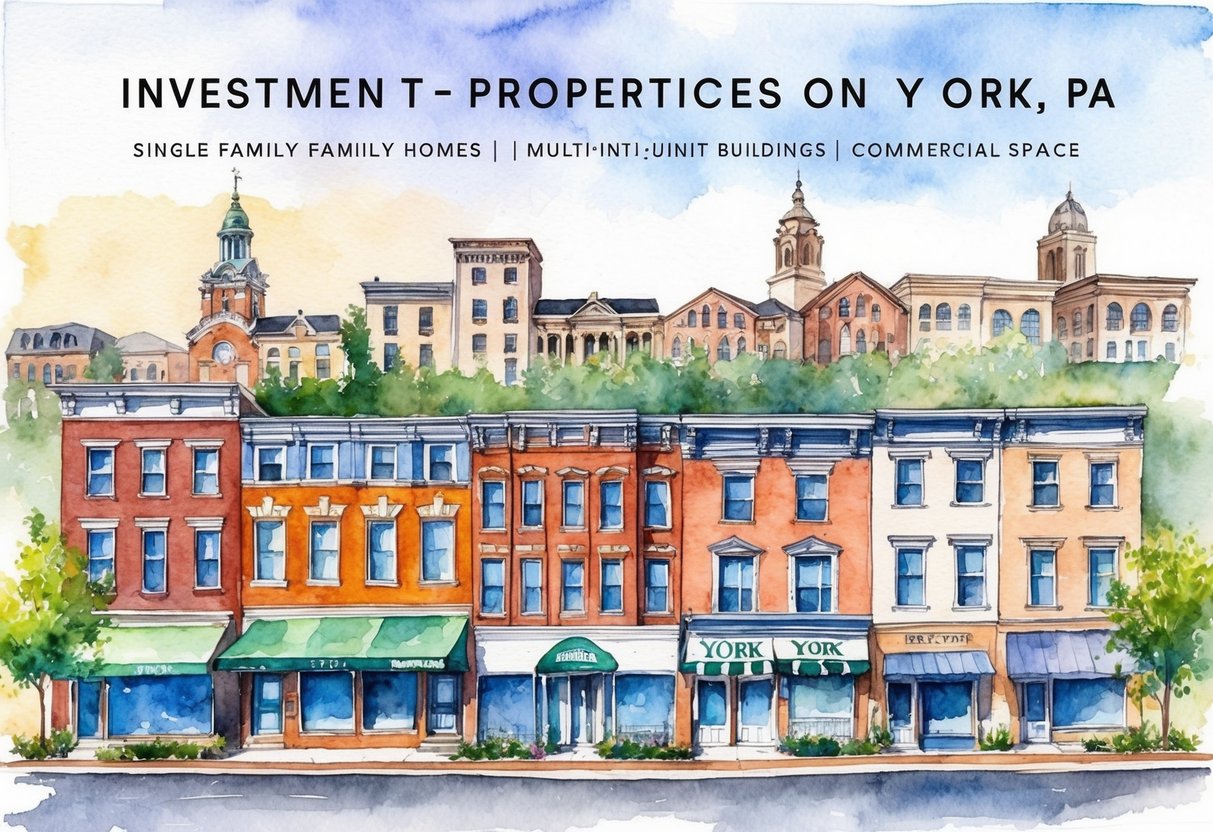
Picking the right property type is crucial for building wealth in York. Each one has its own risks, rewards, and cash flow potential, so knowing the differences helps me make smarter moves.
Single Family Homes
Single family homes are a go-to for steady demand and simpler management. When I rent to one family, turnover is usually lower.
That’s time saved—no endless search for new tenants every year. Most single family homes in York attract families and working professionals.
These tenants often treat the place like it’s their own. That pride of ownership means fewer headaches for me.
Single family homes are easier to sell or refinance than multi-family units. I usually find them in York for about $175,000, based on recent listings.
They might not bring in the biggest monthly cash flow, but they hold value and attract long-term renters.
Advantage
Challenge
Simple management
Vacancy risk (1 tenant)
High resale potential
Lower cash flow vs. multi
Tenant pride of upkeep
Multi-Family Units
Multi-family units—think duplexes or small apartment buildings—offer multiple rents from one property. If one unit sits empty, the others still pay.
It’s a numbers game. Why rely on one door when you can have several?
Managing multi-families gets more complex. I need systems for rent, repairs, and keeping everyone happy.
But the upside? Higher income, less vacancy risk, and tax perks that add up. Many York investors “house hack”—they live in one unit and rent the rest, turning their home into an asset.
Whether it’s a duplex or a bigger building, multi-family units offer more leverage for building wealth. You can dig into this more with this local guide.
Commercial Real Estate
Commercial properties in York include retail, offices, warehouses, and mixed-use spots. These usually need more cash and know-how, but the rewards can be big.
Ever wonder why the big investors chase commercial real estate? It’s the long leases and tenants who often cover more expenses.
Commercial tenants are usually businesses. If they do well, they might stay for years and even improve the space at their own cost.
But getting into commercial isn’t for everyone. Vacancies can drag on, and the market moves differently than residential.
For those ready to dig deeper and take calculated risks, commercial real estate in York opens up new ways to grow wealth. You’ll find plenty of investment properties to choose from—storefronts, offices, you name it.
Working with Real Estate Agents in York, PA
Building wealth in real estate isn’t about doing it all alone. In York, PA, the right real estate agent can be a game-changer.
Finding the Right Agent
Would I trust my money to an amateur? Not a chance. I look for agents with a strong track record in York.
Local agents put their profiles on Indeed and ZipRecruiter, so I check their history and reviews.
I want agents who know the types of properties I’m after—single-family, duplexes, small apartments. I set up interviews, ask about their deals, and how they handle bumps in the road.
Here’s my short checklist:
- Experience: Years active in York real estate
- Recent Successes: Closed investment deals in the last year
- Connections: Network of lenders and contractors
- Communication: Fast, clear responses
I want someone who’s invested and isn’t afraid to challenge my thinking.
Benefits of Local Expertise
Why settle for theory when local knowledge pays off? Agents who grew up or live in York know about listings before they go public.
They spot neighborhoods on the rise, where prices haven’t spiked yet. A York-based agent helps me:
- Pinpoint fair market values and avoid overpaying.
- Navigate city rules, like zoning and permits.
- Connect with good inspectors, contractors, and legal help.
Local expertise means they know when a street’s about to turn. Sometimes, that’s the edge between a cash cow and a money pit.
York real estate isn’t just about numbers. It’s timing, relationships, and a bit of gut instinct—things top agents bring to the table.
Financing and Budgeting for Investment Properties
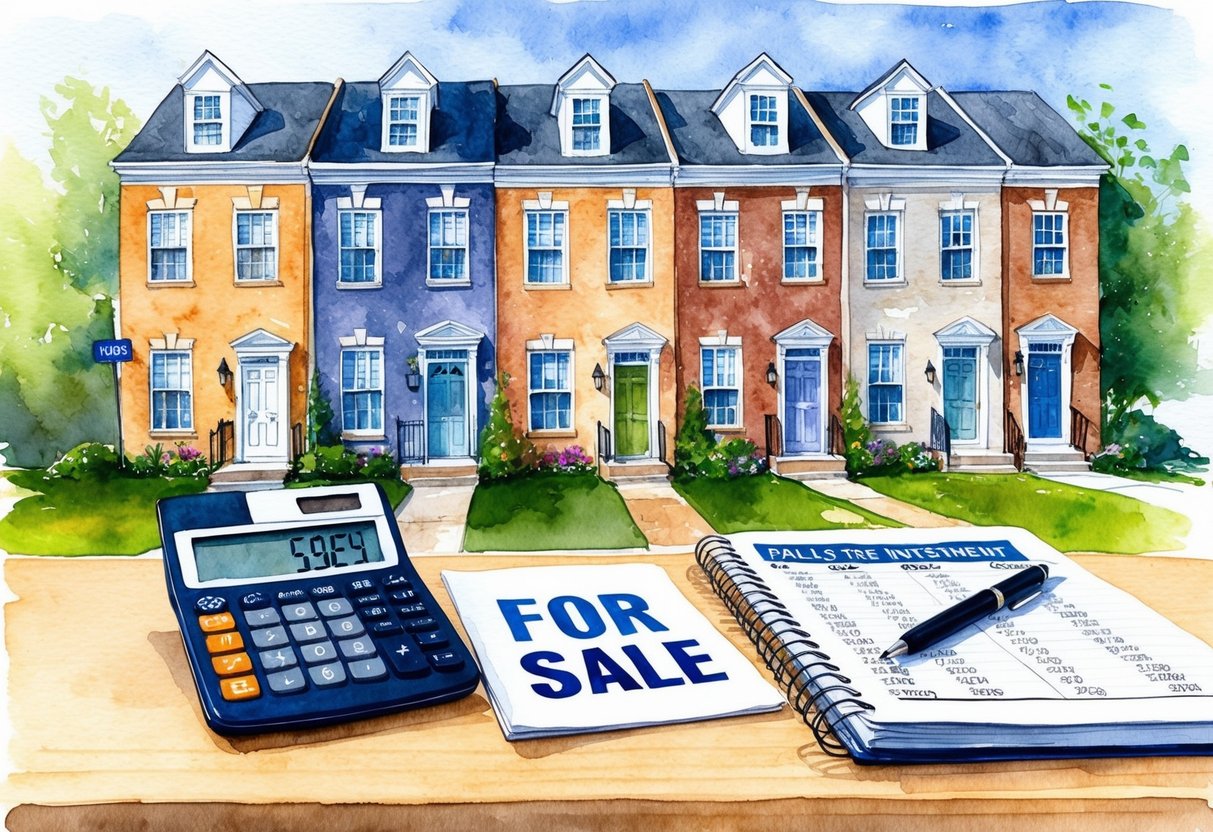
Making smarter money moves in York, PA real estate starts with getting clear on how you’ll pay for the property. I’ve learned firsthand—you can’t build wealth without taking charge of your financing and your spending.
Mortgage Options
Ever wonder if banks actually care about your goals? Honestly, I do too.
When you’re buying investment property in York, most folks go for a conventional mortgage. Banks want to see a solid credit score—usually 620 or higher—and proof you’ve got steady income.
Some investors turn to portfolio or commercial loans, especially if they already own a few properties or the place needs a lot of work. It’s smart to shop around: credit unions, local banks, and lenders focused on investment properties sometimes have better rates or more flexible terms.
I never take the first offer. Comparing multiple quotes has saved me thousands in interest and fees. These days, online platforms let you get quotes from several lenders in York County with almost no hassle.
Balloon payments and adjustable-rate mortgages exist for those who like a bit of risk, but I lean toward fixed-rate loans. Predictability just makes life easier.
The right loan isn’t just about saving money now—it helps me plan for the long haul.
Down Payments and Closing Costs
Ready to put more skin in the game? Investment properties usually require bigger down payments than homes you’d live in yourself.
Most lenders want at least 20% down. If your credit’s shaky, they might ask for even more. Bigger down payments can lower your interest rate and make your offer stand out in a hot market.
Don’t forget about closing costs. These cover things like appraisal fees, loan origination, title insurance, and escrow. I plan for an extra 2%–5% of the purchase price just for closing costs.
There’s always cash needed for repairs or updates. These add up fast. Is your emergency fund ready if something unexpected pops up right after closing? I never assume the place will be rent-ready on day one.
When I crunch the numbers, I want a cushion. Having extra funds from the start can mean the difference between a good investment and a headache. If you want a detailed breakdown, this local guide covers what to expect.
Legal Considerations for York, PA Investors

Before I invest in York, PA real estate, I make sure to know the local rules and understand my rights and responsibilities as a landlord. One wrong move can turn a promising investment into a serious headache.
Local Regulations and Zoning
Every property in York sits in a specific zoning district. That zoning decides what I can do with the place.
If I’m buying a single-family home to rent out, I double-check zoning laws. Some neighborhoods limit the number of unrelated tenants or short-term rentals.
Ignoring these rules? That leads straight to fines or legal trouble. I always review the latest local regulations on zoning and property use. Staying up-to-date helps me avoid nasty surprises and keeps my investments on track.
The county reviews zoning regularly. For a deep dive, I trust guides like House Hacking and Real Estate Investing in York County, PA.
Landlord-Tenant Laws
York follows Pennsylvania’s landlord-tenant laws. These cover security deposits, lease terms, eviction, and property upkeep.
Did you know I can only ask for two months’ rent as a security deposit for the first year? After that, it drops to one month by law.
Leases need to spell out the terms, notice periods, and everyone’s responsibilities. If my agreement isn’t clear, I’m at risk if things go sideways.
Protecting my investment means I have to know the notice requirements for ending a lease and how legal eviction works. For more, I check resources like Real Estate Investing: Legal Considerations for Success.
Missing these details can lead to delays or even lawsuits that eat into profits.
Knowing the rules isn’t the whole game, but it’s the foundation I rely on to protect my money—and my sanity.
Property Management and Maintenance
Managing rental homes is a lot more than just collecting rent. It takes planning and reliable systems to keep York, PA properties profitable and (hopefully) stress-free.
Hiring Property Managers
Why do I think about hiring a property manager? Because handling every detail myself turns into a full-time job fast.
Professional property management in York, PA can handle tenant screening, legal paperwork, and day-to-day issues. Companies like Peel & Company and Tidewater Companies help protect my investment, keep vacancies down, and respond quickly to tenants.
When I look for a property manager, I want experience, clear fees, and strong local knowledge. Communication matters. If someone can’t explain their process, how can I trust them with my property?
A good manager keeps solid financial records and gives regular reports. That’s how I know my investment is growing—not sinking.
Here’s what I expect:
- Transparent fees
- Good local reputation
- Proven tenant screening systems
- Regular updates and solid communication
Ongoing Maintenance Best Practices
Maintenance isn’t just fixing a leaky faucet. It’s a routine that protects my properties and keeps tenants happy.
I set up a maintenance calendar for every home. Regular checks on plumbing, heating, and roofing stop small problems from turning into big repairs.
When tenants report issues, I handle them quickly. Delays can hurt both the house and my reputation.
For bigger repairs, I try to negotiate bulk deals with local contractors. This saves money and usually gets better quality work. I also keep a reserve fund for emergencies. Why risk getting caught off-guard by a busted water heater?
A clear system for maintenance, repairs, and upgrades keeps things running smoothly. That’s how I make sure my York, PA rentals stay solid investments.
Market Risks and Opportunities in York, PA
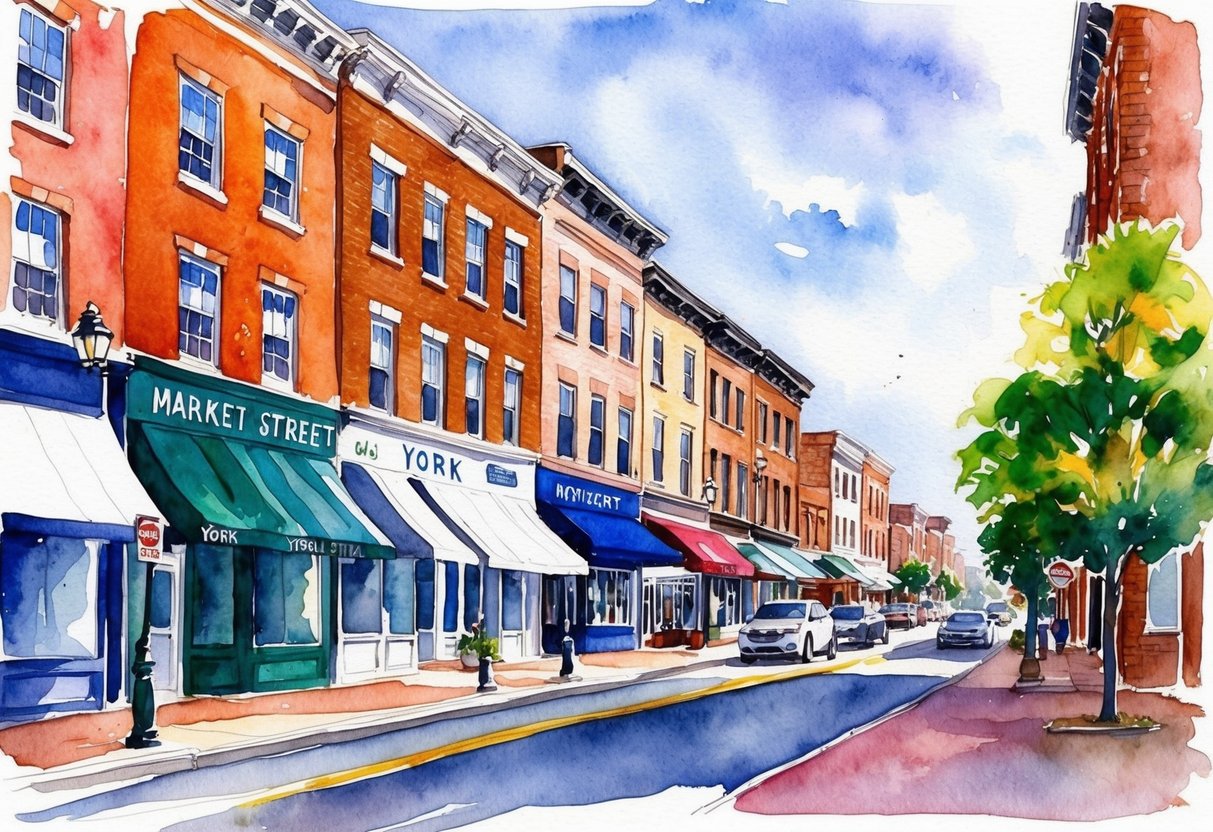
Real estate investing in York comes with real opportunities—and a few risks you shouldn’t ignore. I’ve learned that understanding both is the only way to make smart moves in this city.
Emerging Trends Affecting Investments
York’s real estate market isn’t growing by accident. Strong economic health and steady job growth are pushing up demand for homes and rentals.
The median sale price in the county sits around $275,000. That draws investors looking for affordability and upside.
Properties sell fast. The housing market here scores 81 out of 100 for competitiveness. Last month, the average home price in York was $179,000—a 17% jump over last year.
These numbers don’t just look good on paper. They show real, robust demand and a market with room to grow. If you’re like me and want to diversify, York’s activity is worth a closer look.
You can dig into the latest York, PA housing trends for more details.
Rental demand is up too, thanks to population growth and tight housing supply. That can mean steadier, more passive income—if you do your homework.
Mitigating Potential Risks
Every bright opportunity carries risks. Here in York, I keep a close eye on changing interest rates and local property taxes.
Sharp rises can eat into profits fast if you don’t plan for them. I always prioritize thorough inspections and research to dodge costly mistakes from deferred maintenance or hidden problems.
Buying below market value is a core method I use. It gives me both an equity cushion and room for renovations that actually add value.
Here’s a checklist I follow:
- Double-check historical appreciation rates
- Study rental vacancy trends
- Watch for regulatory shifts that impact landlords
Sometimes, neighborhoods get overhyped. Not every deal in York is good just because some numbers look strong on paper.
Careful analysis, access to local data, and a disciplined approach help me spot the real gems while avoiding pitfalls. For a strategic overview of the York County real estate investment climate, digging deeper never hurts.