
Real estate investing in Worcester, MA offers exciting opportunities for savvy investors. I’ve seen this city transform over the years, becoming a hotspot for property investments.
With its growing population and vibrant economy, Worcester presents a unique chance to build wealth through real estate.
The average annual population growth rate in Worcester County has outpaced both the state and national averages over the past decade. This trend points to a strong demand for housing, making it an ideal market for real estate investors.
Are you ready to tap into this potential goldmine?
Worcester’s real estate market caters to various investment strategies. From single-family homes to multi-unit properties, there’s something for every investor.
Have you considered the benefits of owning rental properties in a city with a thriving rental market?
Key Takeaways
- Worcester’s population growth outpaces state and national averages, indicating strong housing demand
- The city offers diverse investment options, from single-family homes to multi-unit properties
- Worcester’s thriving rental market presents opportunities for steady cash flow and long-term appreciation
Understanding the Worcester MA Housing Market
The Worcester housing market offers unique opportunities for savvy investors. It’s a dynamic landscape shaped by demographic shifts and economic forces. Let’s explore the key factors driving this market.
Demographic Insights
Worcester’s population is growing, attracting diverse residents. Young professionals and families are moving in, seeking affordable alternatives to Boston.
This influx is driving up home prices and creating rental demand.
I’ve noticed a trend of multi-generational households. This affects the types of properties in demand. Larger homes with in-law suites are hot commodities.
The city’s colleges bring a steady stream of students. This creates a robust market for off-campus housing.
Smart investors are capitalizing on this by purchasing and renovating multi-family properties.
Economic Factors
Worcester’s economy is evolving. Healthcare and education sectors are booming. This job growth is fueling housing demand across all price points.
The city’s revitalization efforts are paying off. Downtown Worcester is seeing new development. This is increasing property values in surrounding neighborhoods.
I’m seeing a lot of potential in fixer-uppers. With median home prices around $460,000, there’s room for profit in renovations.
The market is competitive. Homes often receive multiple offers and sell quickly.
This fast-paced environment rewards investors who can act decisively.
Key Areas in Worcester for Property Investment
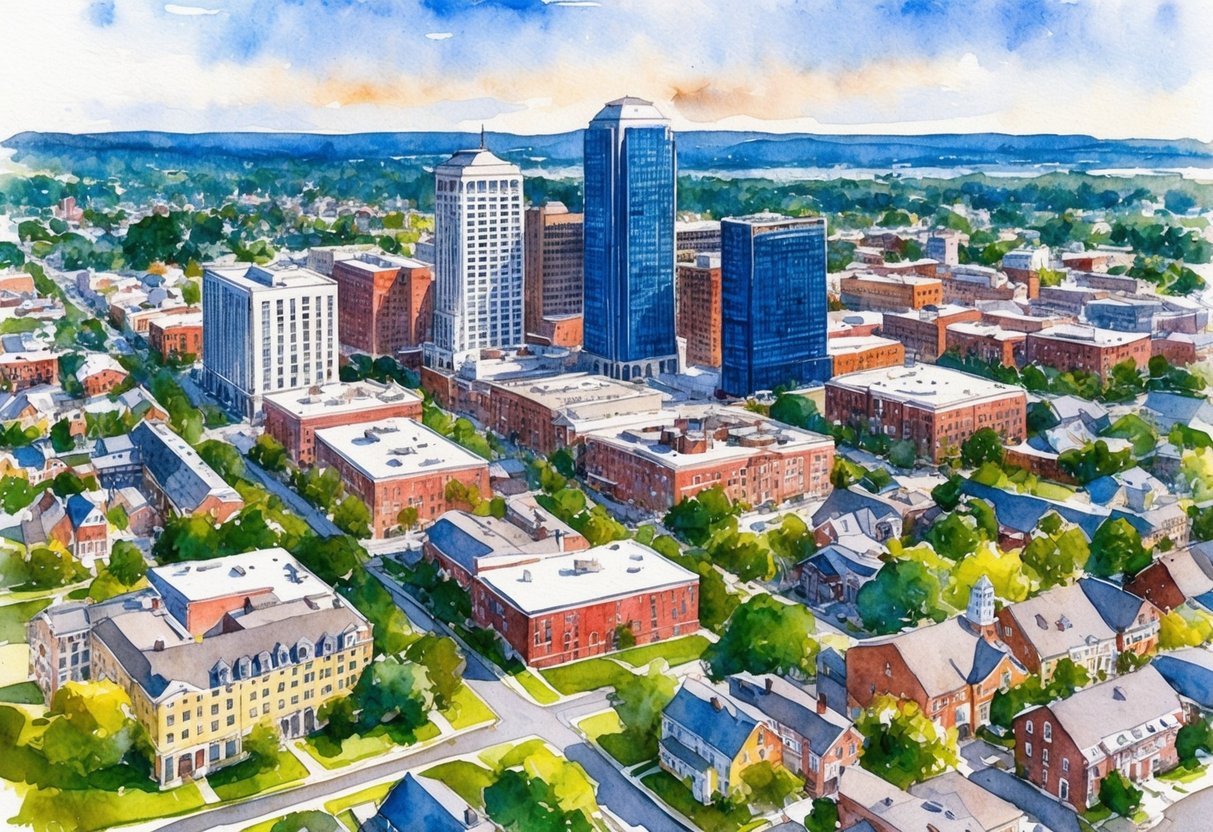
Worcester offers some great spots for real estate investing. I’ve found a few neighborhoods that stand out for their potential returns and growth. Let’s take a closer look at three key areas I think are worth your attention.
Salisbury Street Overview
Salisbury Street is a prime location for property investment in Worcester. This area boasts beautiful historic homes and is close to top schools. I’ve seen property values here steadily climb over the years.
The street runs through the desirable West Side neighborhood. It’s lined with stately Victorian and Colonial houses that catch my eye every time I drive by. Many of these homes have been well-maintained or renovated, which adds to their appeal.
What makes Salisbury Street special? It’s the mix of residential charm and proximity to amenities.
You’re just a short drive from downtown, but you still get that quiet, suburban feel. Have you considered how this balance could attract potential tenants or buyers?
Burncoat Neighborhood Focus
Burncoat is another area I’m excited about for property investment. This north Worcester neighborhood has a lot going for it. It’s known for its good schools and family-friendly atmosphere.
The housing stock in Burncoat is diverse. You’ll find everything from modest single-family homes to larger multi-family properties. This variety gives investors options at different price points.
One thing I love about Burncoat is its strong sense of community. There are local parks and community events that bring neighbors together.
These factors can make properties here more attractive to long-term renters or buyers looking to put down roots.
Have you thought about how community features like these can boost property values over time?
Cherry Valley Investment Potential
Cherry Valley, in southern Worcester, is an area I think deserves more attention from investors. It’s a bit under the radar, which could mean good deals for savvy buyers.
This neighborhood has a mix of older homes and some newer developments. I’ve noticed property prices here tend to be lower than in some other parts of Worcester.
This could spell opportunity for investors looking to maximize their returns.
Cherry Valley’s location is a big plus. It’s close to the Worcester Regional Airport and has easy access to major highways.
These factors could make it attractive for commuters or as a base for business travelers.
What if you could get in on this area before it becomes the next hot spot? Sometimes, the best investments are in places others haven’t discovered yet.
Types of Investment Properties in Worcester
Worcester offers a variety of real estate investment opportunities. Let’s explore the main types of properties investors can consider in this vibrant Massachusetts city.
Single-family Homes
Single-family homes are a popular choice for Worcester investors. These properties can be great for long-term appreciation and steady rental income.
I’ve found that many Worcester neighborhoods have charming houses with potential for renovation and value increase.
When looking at single-family homes, I consider factors like:
- Location and school districts
- Property condition and renovation needs
- Potential rental income vs. mortgage payments
Remember, a well-chosen single-family home can become someone’s dream home while generating cash flow for you.
Multi-family Units
Multi-family properties are my go-to for boosting rental income. Worcester has many duplexes, triplexes, and small apartment buildings that can provide multiple streams of revenue from a single investment.
Why do I love multi-family units? They offer:
- Higher cash flow potential
- Lower risk of full vacancy
- Economies of scale for maintenance and management
But here’s a question to ponder: Are you ready to handle multiple tenants and increased property management responsibilities?
Condominiums
Condos can be an attractive option for Worcester investors looking for lower-maintenance properties. These units are often more affordable than single-family homes and can appeal to young professionals or downsizing retirees.
When I evaluate condos, I look at:
- Monthly association fees and what they cover
- Rules regarding rentals
- The financial health of the condo association
Condos can offer a hands-off investment approach, but be aware of potential special assessments and rental restrictions.
Commercial Real Estate
Commercial real estate in Worcester presents opportunities for those willing to take on larger investments. This category includes retail spaces, office buildings, and industrial properties.
I’ve seen investors succeed with:
- Mixed-use buildings combining retail and residential units
- Office spaces near colleges or medical centers
- Warehouses in industrial areas
Commercial properties can yield higher returns but often require more capital and expertise.
Are you prepared to navigate complex leases and potentially longer vacancy periods?
Financing Real Estate Investments
When it comes to real estate investing in Worcester, MA, understanding your financing options is crucial. Let’s explore the main avenues available to fund your property ventures.
Traditional Mortgage Options
Banks and credit unions offer conventional loans for real estate investments. These typically require a down payment of 20-25% for investment properties. The benefit? Lower interest rates compared to other options.
I’ve found that many investors start with conventional mortgages. They’re great for long-term holds.
But what if you don’t qualify? Or need funds faster?
That’s where alternative financing comes in handy. Have you considered using creative strategies to fund your deals?
Hard Money Lending
Hard money lenders in Massachusetts can be a game-changer for investors. They focus on the property’s value rather than your credit score. Interest rates are higher, but approval is faster.
I’ve used hard money for quick flips. It’s perfect when you need to act fast on a hot deal. Some lenders offer rates starting at 10% with loan terms of 6-24 months.
Remember, the property is your collateral. Make sure your numbers work before jumping in!
Working With Private Money Lenders
Private money can be your secret weapon in real estate investing. These are individuals willing to lend their own funds for your deals.
I’ve built relationships with several private lenders over the years. They often offer more flexible terms than banks or hard money lenders.
How do you find them? Network! Attend local real estate meetups. Join investment clubs. Share your track record and vision.
Private money lenders in Massachusetts might fund up to $3 million per deal. Rates can be negotiable, and terms tailored to your specific investment strategy.
Are you ready to leverage other people’s money to grow your real estate empire?
Calculating Your Investment Returns

Measuring your real estate investment success in Worcester, MA requires looking at key metrics. Let’s explore how to calculate returns and make informed decisions.
Understanding the Price to Rent Ratio
The price to rent ratio is a crucial indicator for real estate investors in Worcester. It helps us determine if it’s better to buy or rent in the area. To calculate it, I divide the median home price by the annual rent for a similar property.
For example, if a home in Worcester costs $300,000 and rents for $1,500 monthly, the calculation would be:
$300,000 / ($1,500 x 12) = 16.67
A lower ratio (usually below 15) suggests it’s better to buy, while a higher ratio favors renting. In Worcester, this ratio can vary by neighborhood, so I always check local data.
Estimating Property Appreciation
Property appreciation is the increase in a home’s value over time. It’s a key factor in calculating ROI in real estate.
To estimate appreciation, I look at historical data and current market trends in Worcester.
Let’s say I bought a property for $250,000. After five years, it’s worth $300,000. The appreciation rate would be:
($300,000 - $250,000) / $250,000 / 5 years = 4% per year
This rate can help me project future values and decide if an investment is worthwhile.
Analyzing Rental Income Streams
Rental income is the lifeblood of many real estate investments.
In Worcester, I carefully analyze potential rental streams before buying.
To start, I look at the gross median rent for the area.
Then, I estimate my expenses, including property taxes, insurance, and maintenance.
For example, if I can charge $1,800 in monthly rent:
Annual rental income: $1,800 x 12 = $21,600 Annual expenses: $8,000 Net operating income: $21,600 - $8,000 = $13,600
This gives me a clear picture of my potential cash flow. I always factor in vacancy rates too, as no property is rented 100% of the time.
Local Real Estate Professionals and Services
Investing in Worcester real estate requires a trusted team of professionals. I’ve found that having the right experts by your side can make or break your success in this market.
Choosing a Real Estate Agent
Finding a top-notch real estate agent in Worcester is crucial. What qualities should you look for? Experience, local knowledge, and a track record of successful deals are key.
I recommend seeking out agents who specialize in investment properties. Victoria Morey is one such professional who’s known for guiding first-time buyers through the process step-by-step.
Another standout is John Snyder, who’s licensed in multiple states and has expertise in investment properties.
Remember, a great agent should:
- Understand your investment goals
- Have connections with local property managers
- Know the Worcester market inside and out
Don’t settle for less. The right agent can be your ticket to profitable deals.
Legal and Financial Advisors
Smart investors know the value of solid legal and financial advice. In Worcester, you’ll want to build relationships with:
- Real estate attorneys
- Accountants familiar with investment property tax laws
- Mortgage brokers specializing in investment loans
Why are these professionals so important? They’ll help you navigate complex legal issues, maximize tax benefits, and secure the best financing for your investments.
I always say, “The team you build is just as important as the properties you buy.” Have you considered how the right advisors could boost your bottom line?
Property Management Companies
For hands-off investing, a reliable property management company is gold. They handle the day-to-day operations, letting you focus on strategy and growth.
In Worcester, look for companies that offer:
- Tenant screening and placement
- Rent collection and financial reporting
- Maintenance and repair coordination
RE/MAX Diverse is one local option that provides comprehensive real estate services, including property management.
Ask potential management companies about their fee structure, vacancy rates, and tenant retention strategies. A good property manager can turn a headache property into a cash-flowing asset. Isn’t it time you leveraged their expertise to grow your portfolio?
Analyzing Market and Economic Data

Worcester’s real estate market offers exciting opportunities for savvy investors. Let’s explore the key factors driving growth and potential in this dynamic Massachusetts city.
Population and Demographics
Worcester’s population has been growing steadily, outpacing both state and national averages. This trend is great news for real estate investors like me. Why? More people mean more demand for housing.
The city’s median age is relatively young, suggesting a vibrant workforce and potential for long-term growth.
I’ve found that younger populations often drive rental markets, especially in urban areas.
Worcester’s diversity is another plus. Different cultural groups bring varied housing needs, opening up niche investment opportunities.
Employment and Industry Trends
Worcester’s job market is on the upswing. The city has seen significant job creation in recent years, particularly in healthcare and education sectors.
What does this mean for us investors? Stable employment leads to stable tenants and property values. It’s a win-win.
The city’s growing tech scene also catches my eye. Tech hubs often attract high-earning professionals, prime tenants for luxury rentals or high-end properties.
Worcester’s unemployment rate has been trending downward. This positive indicator suggests a healthy local economy, crucial for sustainable real estate growth.
Economic Indicators
Income levels in Worcester have been rising, albeit modestly. This trend supports potential rent increases and property appreciation over time.
Property taxes in Worcester are worth noting. While not the lowest, they’re competitive for the region. As an investor, I always factor in tax rates when calculating potential returns.
The city’s overall economic health looks promising. Worcester has been attracting new businesses and development projects, signs of a growing economy.
Have you considered the impact of Worcester’s educational institutions on the real estate market? These stable anchors often create steady demand for student and faculty housing.
Prospects of Long-Term Growth
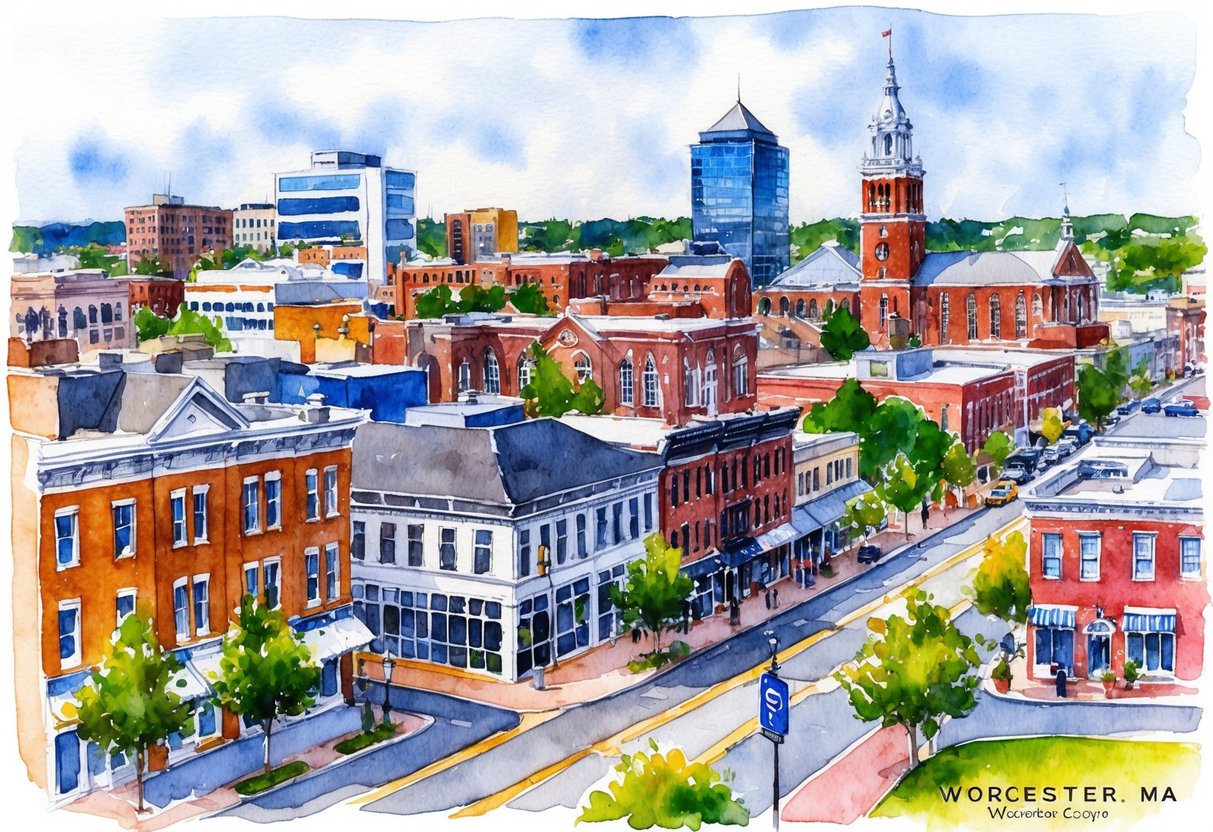
Worcester’s real estate market shows promising signs for investors looking to build wealth over time. Let’s explore the key factors driving this potential for sustained growth.
Future Infrastructure Developments
Worcester is gearing up for some exciting changes. The city is investing in new transportation hubs and revitalizing downtown areas. This could mean big things for property values.
What if you bought a property near one of these new developments? You might see your investment grow faster than you thought possible.
The Worcester real estate market is expected to see continued growth. New businesses are moving in, creating jobs and boosting demand for housing. This could lead to higher rents and property values in the coming years.
I’m keeping my eye on areas near planned infrastructure projects. These spots often see the biggest jumps in value.
Historical Growth Patterns
Looking back can help us look forward. Worcester’s real estate has shown steady growth over the years.
Did you know that Worcester’s home prices have gone up by 10.1% in just the past year? That’s a significant jump that savvy investors have capitalized on.
The city has seen consistent population growth too. More people means more demand for housing. It’s simple supply and demand, my friends.
I’ve seen markets come and go, but Worcester’s steady climb impresses me. It’s not about getting rich quick – it’s about building wealth over time.
Predicting Future Appreciation
So, what’s next for Worcester real estate? All signs point to continued growth, but at a more moderate pace.
Experts predict a slight dip in prices by mid-2024, followed by stable growth. This could be your chance to buy before the next upswing.
Worcester is projected to see a 4.8% increase in home sale prices in 2024. That’s not just growth – that’s opportunity knocking.
I always say, the best time to invest was yesterday. The second best time? Today. Worcester’s steady appreciation makes it a market worth considering for long-term wealth building.
Practical Considerations for Investors
Investing in Worcester real estate requires careful thought. Let’s explore some key factors that can make or break your success in this market.
Accessibility and Walkability
Worcester’s layout offers unique opportunities for savvy investors. I’ve found that properties with high Walk Scores often attract more tenants. Why? People love convenience.
Areas near colleges or downtown tend to have better walkability. Think about it - students and young professionals want easy access to amenities. I always check the Walk Score before making a purchase.
Public transport is another factor to consider. Properties near bus routes or commuter rail stations can command higher rents. It’s all about location, location, location!
Property Management
Managing a property in Worcester can be tricky. Do you have the time and skills to handle it yourself? If not, you’ll need to factor in management costs.
I’ve learned that good property management is crucial for long-term success. It can make the difference between a profitable investment and a money pit.
Local knowledge is key. Worcester has diverse neighborhoods, each with its own quirks. A skilled manager can navigate these differences effectively.
Consider joining local real estate groups. They’re great for networking and finding reliable property managers.
Tax Obligations and Benefits
Understanding Worcester’s tax landscape is crucial.
Did you know that property taxes here can significantly impact your bottom line?
I always research the tax rates in different areas before investing.
Some neighborhoods have higher rates than others. This can affect your cash flow and overall returns.
But it’s not all bad news.
There are tax benefits to real estate investing too.
Depreciation deductions can lower your taxable income. And if you live in the property for a certain period, you might qualify for capital gains exemptions when you sell.
Have you considered forming an LLC for your investments?
It can offer tax advantages and protect your personal assets. Always consult with a tax professional to maximize your benefits.