
Are you looking for a hidden gem in the real estate market? Watford City, North Dakota might just be the place you’ve been searching for.
This small city has been experiencing growth and development, making it an attractive option for savvy investors.
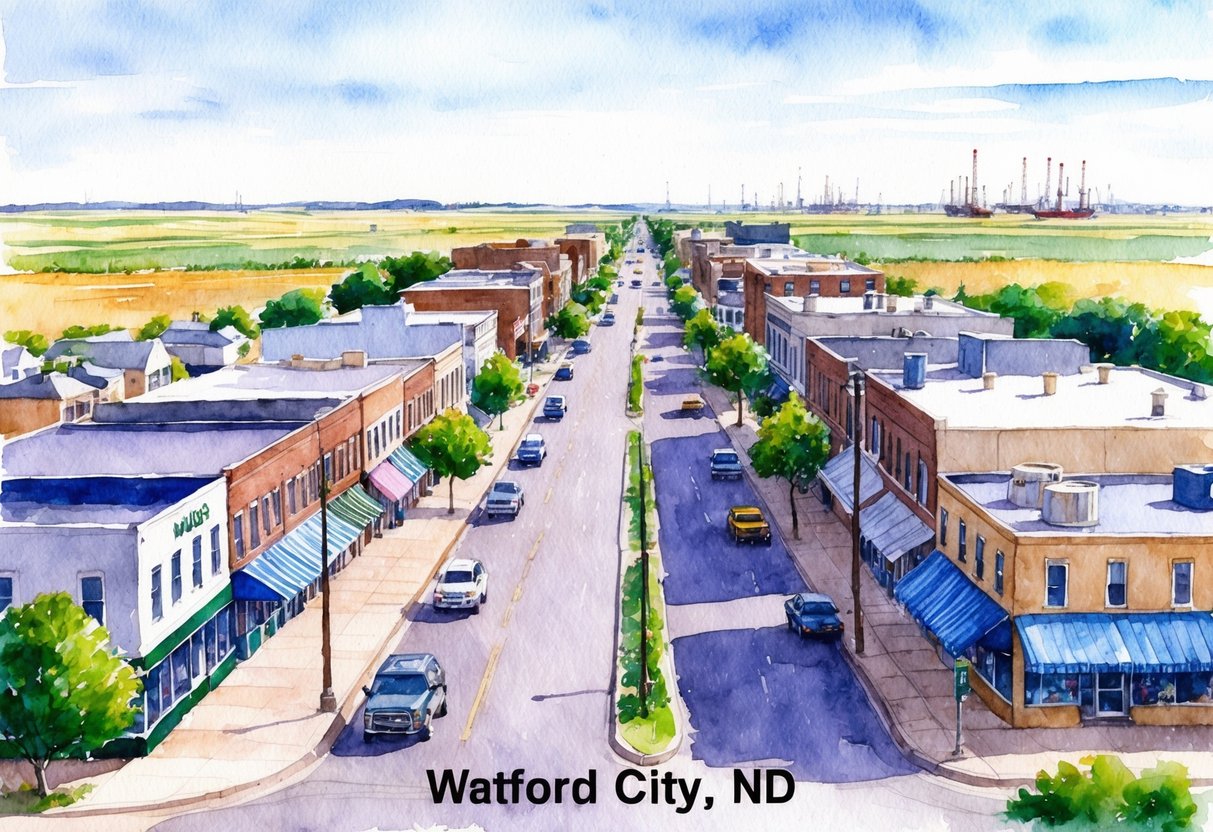
Real estate investing in Watford City, ND offers exciting opportunities for those willing to explore this emerging market. I’ve found that the city’s expanding economy and affordable property prices create a perfect storm for potential returns.
From single-family homes to commercial properties, there’s a diverse range of options to suit different investment strategies.
Have you ever considered the benefits of investing in a smaller, growing city? Watford City’s real estate market is less competitive than larger urban areas, giving you a chance to get in on the ground floor.
With properties available at various price points, from modest homes to more luxurious options, there’s something for every investor’s budget and goals.
Key Takeaways
- Watford City’s growing economy creates promising investment opportunities
- The real estate market offers diverse property types at competitive prices
- Investing in this emerging market could lead to potentially lucrative returns
Understanding Watford City Real Estate Market
The Watford City real estate market offers unique opportunities for investors. Let’s explore the key factors shaping this market, including pricing trends, property types, and demographic shifts.
Median Home Prices and Trends
Did you know Watford City’s housing market is heating up? Home prices in Watford City have seen a 3.4% increase year-over-year. The median listing price now stands at $454,900. That’s a significant jump!
But what does this mean for investors like us? It signals a growing market with potential for appreciation. The median price per square foot is $203, giving us a benchmark for valuations.
I’ve noticed the market isn’t overly competitive. This could mean more room for negotiation and better deals for savvy investors.
Types of Properties Available
Watford City offers a diverse range of property types. Here’s what I’ve found:
- Single-family homes
- Townhouses
- Commercial properties
- Land for development
Single-family homes are popular, with options like a 3-bed, 2-bath house for $397,500. Townhouses are also available, such as a 3-bed, 3-bath unit for $265,000.
For those interested in commercial real estate, I’ve seen warehouses listed. These could be great for businesses or as investment properties to lease out.
Market Demographics and Growth
Watford City’s real estate market is influenced by its changing demographics and economic growth. The city has experienced significant population growth in recent years, driven by the oil industry.
This influx of workers has created demand for housing. I’ve observed that many newcomers are looking for rental properties, which could be an opportunity for investors.
The city’s economy is diversifying beyond oil, which is good news for long-term real estate values. New businesses are opening, and the local government is investing in infrastructure.
What does this mean for us as investors? A growing, diversifying economy often leads to stable or increasing property values. It’s a trend worth watching closely.
Types of Real Estate Investments in Watford City
Watford City offers diverse real estate investment options. From homes to commercial spaces and vacant land, there’s something for every investor’s strategy and budget.
Residential Properties
Residential real estate in Watford City can be a smart investment choice. Single-family homes, townhouses, and apartments are all available here. I’ve seen many investors do well with these properties.
Rental demand is strong, especially for workforce housing. Oil and gas workers often need places to stay. This creates opportunities for steady rental income.
Some investors prefer to buy, renovate, and resell homes for profit. It’s a strategy I’ve used myself with good results. The key is finding undervalued properties and knowing your market.
Commercial Properties
Commercial real estate can offer higher returns, but it comes with more risk. I always tell my students to do their homework before jumping in.
Watford City has opportunities in retail spaces, office buildings, and warehouses. The oil industry drives demand for many of these properties.
I’ve seen investors do well with multi-use buildings. These might have retail on the ground floor and apartments above. It’s a way to diversify within a single property.
Industrial spaces are another option. With the energy sector’s presence, there’s often need for storage and workspace.
Investment in Vacant Land
Vacant land can be a goldmine if you know what to look for. In Watford City, land prices can vary widely based on location and potential use.
Some investors buy land to hold long-term, betting on future development. Others look for parcels they can improve and resell quickly.
I always say: know your zoning laws. What you can build on a piece of land greatly affects its value. Some areas might allow for commercial development, while others are strictly residential.
Water and mineral rights are crucial here. In oil country, these rights can be incredibly valuable. Always check what rights come with the land you’re considering.
How to Find Real Estate Listings
Finding the right property is key to successful real estate investing in Watford City, ND. I’ll show you some effective ways to uncover great listings and opportunities in this market.
Using Real Estate Platforms
Online platforms make property hunting a breeze. Have you tried Zillow for Watford City listings? It’s a goldmine of information. I often start my search there to get a feel for prices and availability.
Zillow lets you filter by price, bedrooms, and more. You can even set up alerts for new listings that match your criteria. Pretty handy, right?
Don’t forget about local sites too. Paramount Real Estate LLC has a great selection of Watford City properties. They often have exclusive listings you won’t find elsewhere.
Remember, the early bird gets the worm in real estate. Check these sites daily to catch new opportunities before others do.
Working With Local Real Estate Agencies
Why go it alone when you can tap into local expertise? Real estate agents in Watford City know the market inside and out. They can be your secret weapon in finding hidden gems.
I’ve found that local agents often know about listings before they hit the market. How valuable is that? It’s like having insider information!
Ask around for recommendations or check online reviews to find a top-notch agent. Look for someone who specializes in investment properties. They’ll understand your goals better than a general residential agent.
Don’t be shy about interviewing multiple agents. You want someone who’s a good fit for your investment style and communication preferences.
Attending Open Houses
Open houses are a fantastic way to get a feel for properties and the local market. I always make time to attend them, even if I’m not seriously considering that specific property.
Why? It’s a chance to network with other investors and agents. You never know what leads or insights you might stumble upon.
Bring a notepad and take detailed notes at each open house. What features stand out? How does the property compare to others you’ve seen?
Open houses also let you gauge the level of interest in a property. Is it crowded? That might signal a hot market or an underpriced listing.
The Buying Process for Homes in Watford City

Buying a home in Watford City involves several key steps. Let’s explore the process from searching for properties to closing the deal.
Searching and Viewing Properties
I always start my search for homes for sale in Watford City online. It’s a great way to get a feel for the market. Real estate websites like Zillow and Realtor.com offer extensive listings.
What about new construction? It’s an option worth considering. New homes often come with warranties and modern amenities.
Once I’ve found some potential properties, I schedule viewings. This is where the fun begins! I walk through each home, imagining my life there. Does it fit my needs? Can I see myself living here?
I make sure to take notes and photos during viewings. It helps me remember the details of each property later.
Making an Offer and Negotiating
When I find the right home, it’s time to make an offer. I work with a reliable real estate agent to determine a fair price based on recent sales of similar homes.
The offer includes more than just the price. I also specify:
- Contingencies (like home inspections)
- Closing date
- Any items I want included in the sale
Once I submit the offer, the seller may accept, reject, or counter. This is where negotiation skills come in handy. I’m not afraid to negotiate - it’s all part of the game!
Remember, in real estate, everything is negotiable. Don’t be scared to ask for what you want.
Closing the Deal
After we agree on terms, it’s time to close the deal. This process typically takes 30-45 days. During this time, I:
- Get a home inspection
- Secure financing (if needed)
- Purchase homeowner’s insurance
- Do a final walkthrough of the property
On closing day, I sign a mountain of paperwork. It can be overwhelming, but I stay focused. I’m about to become a homeowner in Watford City!
After signing, I get the keys to my new home. It’s an exciting moment! But remember, the journey of real estate investing is just beginning. What will you do with your new asset?
Legal and Financial Considerations

Investing in Watford City real estate requires careful attention to local laws, financing options, and tax implications. Let’s explore these crucial factors that can impact your investment success.
Understanding Local Real Estate Laws
In Watford City, I’ve found that knowing the local real estate laws is key. The city has specific zoning regulations and property use restrictions you need to be aware of.
For example, some areas may limit short-term rentals or have strict rules about property modifications.
I always recommend working with a local real estate lawyer who knows Watford City’s laws inside and out. They can help you navigate complex legal issues and ensure your investments comply with local regulations.
Remember, ignorance of the law isn’t an excuse. Do your homework and stay on the right side of local ordinances to protect your investment.
Financing Options for Buyers
When it comes to financing your Watford City property, you’ve got choices. I’ve seen investors use conventional mortgages, FHA loans, and even VA loans if they’re eligible.
But have you considered owner financing or private money lenders?
Local banks in Watford City often offer competitive rates for investment properties. They understand the local market and may be more flexible than big national lenders.
Don’t forget about creative financing strategies. Could you use a home equity line of credit on your primary residence to fund your investment property? Or partner with other investors to pool resources?
Always shop around for the best rates and terms. Your financing choice can make or break your investment’s profitability.
Taxes and Additional Costs
Taxes in Watford City can take a big bite out of your profits if you’re not careful. Property taxes, income taxes on rental income, and capital gains taxes when you sell – they all add up.
I’ve learned that Watford City’s median property price is $323,964. That means your annual property tax bill could be significant. Have you factored this into your cash flow projections?
Don’t forget about other costs like insurance, maintenance, and property management fees. These can easily eat into your returns if you’re not prepared.
Consider working with a local tax professional who understands real estate investing. They can help you find legal ways to minimize your tax burden and maximize your profits.
Navigating Real Estate as an Investor

Real estate investing in Watford City, ND can be a smart move for those looking to build wealth. I’ve found that success in this market comes down to spotting good deals, managing risks, and growing a solid portfolio.
Identifying Investment Opportunities
I always tell my students to keep their eyes peeled for hidden gems in Watford City’s real estate market. One great way to find deals is by networking with local real estate investors. They often have insider knowledge about properties not yet on the market.
Don’t overlook foreclosures or distressed properties. These can be goldmines if you’re willing to put in some work.
I’ve seen investors turn rundown houses into profitable rentals with just a bit of elbow grease.
Another tip: pay attention to city development plans. Areas slated for new infrastructure or business growth could see property values skyrocket. It’s all about thinking ahead and spotting trends before others do.
Risk Management Strategies
Let’s face it, every investment comes with risks. But in real estate, we can minimize them with smart strategies.
First, I always recommend thorough due diligence. This means checking property conditions, reviewing legal documents, and understanding local zoning laws.
Diversification is key. Don’t put all your eggs in one basket. Mix up your investments between residential and commercial properties in Watford City. This way, if one sector dips, you’re still covered.
Insurance is your friend. Make sure you’re properly covered for everything from natural disasters to liability issues. It might seem like an extra expense, but it can save you big in the long run.
Building a Real Estate Portfolio
Starting small and scaling up is my go-to advice for building a real estate portfolio in Watford City.
Begin with a single-family home or a small multi-unit property. As you gain experience and capital, gradually expand your holdings.
Consider different property types. Mix residential rentals with commercial spaces. This diversity can provide steady income streams and potential for appreciation.
Don’t forget about REITs (Real Estate Investment Trusts) as a way to invest in larger commercial properties without the hands-on management.
Leverage is a powerful tool, but use it wisely. Borrowing can help you acquire more properties, but make sure the numbers make sense.
I always say, if the property can’t pay for itself, it’s not a good investment.