
Tampa, Florida is buzzing with real estate opportunities. I’ve seen firsthand how this sunny city has become a hotspot for savvy investors.
The Tampa housing market boasts strong job growth and low unemployment rates, making it an attractive option for those looking to build wealth through property investments.
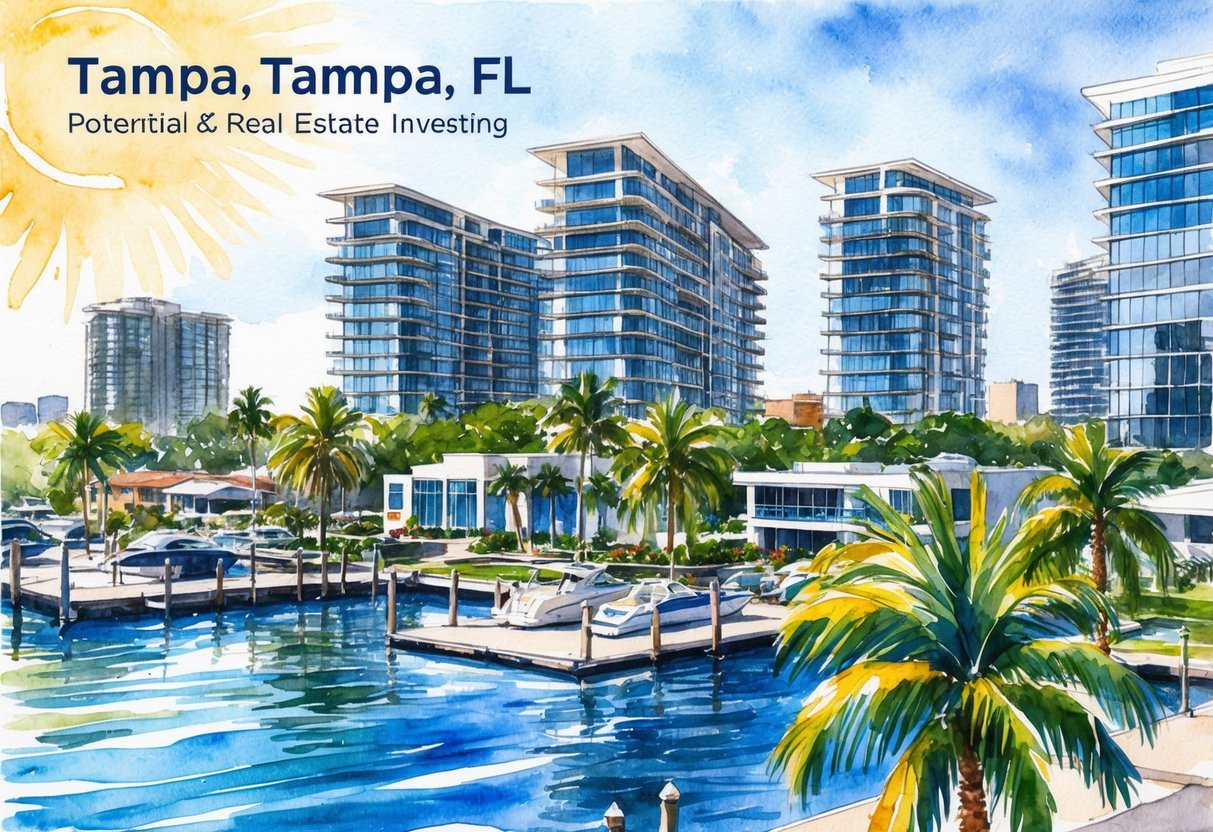
Are you tired of watching your money sit idle in low-yield savings accounts? Tampa’s real estate scene might be the answer you’re looking for.
With nearly 100 neighborhoods to choose from, there’s something for every budget and investment strategy. From affordable starter homes to luxury properties, Tampa’s diverse market caters to both new and experienced investors.
I’ve found that one of the keys to success in Tampa real estate is choosing the right neighborhood. Each area has its own unique charm and potential for returns.
Have you considered areas like Ybor City or Davis Islands? These are just a couple of the many neighborhoods that could offer great investment opportunities.
Key Takeaways
- Tampa’s strong job market and low unemployment rate make it ideal for real estate investing
- Diverse neighborhoods offer investment options for various budgets and strategies
- Building a team of local experts is crucial for navigating Tampa’s real estate market
Understanding the Tampa Real Estate Market
The Tampa real estate market offers unique opportunities for savvy investors. I’ve seen firsthand how this vibrant Florida city has become a hotspot for those looking to grow their wealth through property.
Market Overview
Tampa’s real estate scene is booming. The city ranks as the 10th hottest market in the US for 2024. Why? It’s simple - jobs and growth.
Tampa’s unemployment rate sits at a low 3.60%, well below the national average. This means a stable workforce and reliable tenants for landlords like us.
But here’s the kicker - inventory is tight. As of January 2024, there were 15,247 homes available. This scarcity drives up demand and prices. For investors, it’s a golden opportunity to snap up properties that will appreciate quickly.
Trends in Housing Market
I’ve noticed some exciting trends in Tampa’s housing market. First, there’s a strong push towards move-in ready homes. Buyers don’t want fixer-uppers; they want turnkey properties they can settle into immediately.
Another trend? The rental market is thriving. With home prices rising, many residents are opting to rent. This creates a perfect storm for investors looking to generate steady cash flow through rental properties.
Lastly, Tampa’s job market strength is a game-changer. It’s not just about low unemployment - it’s about high-quality jobs that attract skilled professionals. These are the tenants we want in our properties.
Price Fluctuations
Let’s talk numbers. In January 2024, the average home value in Tampa hit $372,746. That’s 7.7% above the national average. But here’s what really caught my eye - experts predict a 1.5% growth in home values this year.
Now, you might think 1.5% isn’t much. But in real estate, slow and steady wins the race. This gradual increase suggests stability - a key factor for long-term investors like us.
Remember, Tampa saw a whopping 34.9% increase in home values in recent years. While we can’t expect such dramatic jumps every year, it shows the potential for significant returns in this market.
Choosing the Right Neighborhood
Picking the perfect Tampa neighborhood for real estate investing can make or break your returns. Let’s explore what to look for and highlight two promising areas.
Evaluating Neighborhoods
When I scout Tampa neighborhoods, I look at a few key factors. What’s the median home price? Is it rising or falling? I always check rental rates too. Higher rents mean better cash flow.
Crime rates and school quality matter a lot. Good schools attract families who’ll pay premium rents. I also consider job growth nearby. More jobs mean more potential tenants.
Don’t forget about upcoming development plans. New shopping centers or transit lines can boost property values. I love areas with a mix of homes and local businesses. They tend to have more character and appeal.
Spotlight on Palma Ceia
Palma Ceia is a gem I’ve had my eye on. It’s known for its charm and great schools. The neighborhood has a mix of older homes and new construction.
Home prices here are higher than the Tampa average. But that’s often a good sign for investors. It means there’s strong demand. Rental prices are solid too.
I like Palma Ceia’s walkability. Residents can stroll to shops and restaurants. That’s a big plus for renters. The area also has some beautiful parks and golf courses.
Downtown Tampa Opportunities
Downtown Tampa is buzzing with potential. It’s seen major development in recent years. New apartments, offices, and entertainment venues keep popping up.
The rental market is strong here. Many young professionals want to live close to work and nightlife. I’ve noticed a trend towards smaller, efficient units in high-rise buildings.
Investing downtown can be pricier upfront. But the long-term growth potential is huge. I’m particularly interested in areas near the riverwalk and new Water Street development.
Types of Real Estate Investments
Tampa offers a variety of real estate investment options. Each type has its own benefits and potential for growth. Let’s explore the main categories you can consider for your portfolio.
Residential Properties
Single-family homes are a popular choice in Tampa. They’re easy to understand and manage. Many neighborhoods offer strong tenant bases with reliable rental payments.
Multi-family units like duplexes or small apartment buildings can provide multiple income streams. I’ve seen investors start with a duplex, living in one unit while renting out the other.
Condos and townhouses are attractive to young professionals and retirees alike. They often come with lower maintenance responsibilities, which can be a plus for busy investors.
Vacation rentals are worth considering, given Tampa’s tourism appeal. Short-term rentals can yield higher returns, but they require more active management.
Commercial Real Estate
Office spaces are evolving in Tampa’s growing tech hub. Modern, flexible workspaces are in demand as companies adapt to new work models.
Retail properties offer opportunities in high-traffic areas. Strip malls and standalone stores can be lucrative if you secure long-term tenants.
Industrial spaces, including warehouses and distribution centers, are gaining importance with the rise of e-commerce. Tampa’s strategic location makes these particularly valuable.
Mixed-use developments combine residential and commercial spaces. They’re becoming more popular in urban areas, offering a diverse income stream.
Vacant Land Opportunities
Raw land can be a long-term investment strategy. As Tampa grows, undeveloped areas may become prime locations for future development.
Infill lots in established neighborhoods can be goldmines. They offer the chance to build new properties in desirable areas with existing infrastructure.
Agricultural land on the outskirts of Tampa might be worth considering. It can provide income through leasing to farmers while you wait for potential rezoning opportunities.
Subdividing larger plots can maximize your returns. By creating multiple lots, you can sell to developers or build several properties yourself.
Financial Considerations

Investing in Tampa real estate requires careful financial planning. Let’s explore key aspects that can impact your investment strategy and potential returns.
Funding Your Investment
Finding the right financing is crucial for success in Tampa’s real estate market. I’ve seen many investors use traditional mortgages, but there are other options too. Have you considered using a home equity line of credit? It can be a smart way to leverage existing assets.
For bigger projects, commercial loans might be necessary. These often require a larger down payment, typically 20-25%. Don’t forget about private money lenders - they can be faster and more flexible than banks.
Hard money loans are another option, especially for fix-and-flip projects. They’re quicker to obtain but come with higher interest rates. Always compare terms and rates from multiple lenders before deciding.
Real Estate Investment Trusts (REITs)
REITs offer a way to invest in Tampa real estate without directly owning property. They’re great for diversification and generating passive income. But how do they work?
REITs pool money from many investors to buy and manage properties. They’re required to pay out 90% of taxable income as dividends. This can lead to attractive yields for investors.
Some REITs focus on specific property types, like apartments or office buildings. Others are more diversified. Research different REITs to find ones that align with your investment goals.
One advantage of REITs is liquidity - you can buy and sell shares easily. This is unlike direct property ownership, which can tie up your capital for longer periods.
Tax Implications
Understanding tax rules is key to maximizing your real estate investment returns in Tampa. Did you know that rental income is taxable, but you can deduct many expenses?
Property taxes in Tampa average around 0.89%, which is mid-range compared to other states. This cost should factor into your investment calculations.
Depreciation is a valuable tax benefit for real estate investors. It allows you to deduct a portion of your property’s value each year, reducing your taxable income.
When selling, be aware of capital gains taxes. If you’ve owned the property for over a year, you’ll benefit from lower long-term capital gains rates. Have you heard of a 1031 exchange? It can help you defer taxes when selling one property to buy another.
Legal and Compliance Issues

Investing in Tampa’s real estate market requires navigating a complex web of laws and regulations. I’ve found that understanding these rules is crucial for success and avoiding costly mistakes.
Zoning Laws
Tampa’s zoning laws play a big role in shaping real estate investments. These regulations determine how properties can be used and developed.
I’ve seen many investors stumble here, so it’s vital to do your homework.
Tampa divides areas into residential, commercial, and mixed-use zones. Each zone has specific rules about building height, density, and permitted activities.
For example, you can’t just turn a single-family home into a multi-unit apartment building without proper zoning.
Before buying, I always check the current zoning map. It’s also smart to look into future land use plans. These can hint at potential changes that might affect property values.
Building Codes
Tampa’s building codes ensure structures are safe and meet minimum standards. They cover everything from electrical systems to hurricane resistance.
As an investor, ignoring these can lead to big problems.
The city regularly updates its codes. Older properties might need upgrades to meet current standards. This can be costly, but it’s often necessary when renovating or changing a building’s use.
Key areas to watch:
- Energy efficiency requirements
- Accessibility standards
- Fire safety regulations
- Flood zone construction rules
I always budget for a thorough inspection and potential code-related upgrades. It’s better to know these costs upfront than face surprises later.
Investment Regulations
Tampa has rules specifically for real estate investors. These aim to balance property rights with community needs. Understanding them is key to avoiding legal troubles and maximizing returns.
Short-term rentals, like Airbnb, face restrictions in some areas. The city requires licenses and has occupancy limits.
I’ve seen investors caught off guard by these rules, leading to fines and lost income.
For larger investors, there’s growing scrutiny on corporate buying of homes. This trend is changing neighborhoods and may face new regulations soon.
Tenant rights are strong in Florida. As a landlord, I must follow strict rules on security deposits, evictions, and property maintenance. Ignoring these can lead to costly legal battles.
Building a Team of Experts

Success in Tampa real estate investing isn’t a solo journey. I’ve found that surrounding myself with skilled professionals is key to maximizing returns and minimizing risks.
Real Estate Agents
A top-notch real estate agent is worth their weight in gold. I always look for agents who specialize in investment properties in Tampa. They should know the local market inside and out.
What makes a great agent for investors?
- Deep knowledge of Tampa neighborhoods
- Understanding of rental market trends
- Experience with investment property transactions
- Strong negotiation skills
I’ve learned that the best agents often come through referrals. Ask other successful investors who they use. Don’t be afraid to interview multiple agents before choosing one.
Property Managers
If you’re not planning to manage properties yourself, a reliable property manager is crucial. They handle day-to-day operations, letting you focus on growing your portfolio.
Key qualities I look for in a property manager:
- Prompt communication
- Transparent fee structure
- Proven track record in Tampa
- Efficient maintenance and repair processes
I recommend checking reviews and asking for references. A good property manager can make or break your investment, so choose wisely.
Legal Advisors
Real estate investing comes with legal complexities. Having a skilled attorney on your team can save you from costly mistakes.
What should your legal advisor handle?
- Contract reviews
- Entity formation (LLC, corporation)
- Landlord-tenant law expertise
- Tax planning strategies
I’ve found that attorneys who specialize in real estate investment are worth the extra cost. They understand the unique challenges investors face in Tampa’s market.
Risk Management
Investing in Tampa real estate can be rewarding, but it’s not without risks. I’ve learned that managing these risks is crucial for long-term success. Let’s explore some key strategies to protect your investments.
Assessing Risks and Rewards
When I look at a property in Tampa, I always ask myself: What could go wrong? Is the potential reward worth it? Here’s what I consider:
- Market fluctuations
- Property damage from hurricanes or floods
- Changes in local laws or zoning
- Tenant issues
I use a simple risk-reward matrix to evaluate each investment:
Risk Level
Potential Reward
Action
Low
High
Invest
High
Low
Avoid
Medium
Medium
Research further
This helps me make informed decisions. Remember, not all risks are bad if the potential reward is high enough.
Insurance Strategies
I never skimp on insurance. It’s my safety net. For Tampa properties, I always get:
- Property insurance
- Flood insurance (even if not in a flood zone)
- Liability coverage
I also consider:
- Rent loss insurance
- Umbrella policies for extra protection
Insurance might seem costly, but it’s cheaper than a major loss. I review my policies yearly to ensure I’m adequately covered as property values and risks change.
Diversification in Real Estate
I don’t put all my eggs in one basket. Diversification is key. In Tampa, I spread my investments across:
- Different neighborhoods (South Tampa, Ybor City, Westshore)
- Various property types (single-family homes, multi-unit buildings, commercial spaces)
- Price ranges (from affordable to luxury)
This strategy helps balance my portfolio. If one area or type of property underperforms, others might compensate. I also consider investing in REITs or real estate crowdfunding platforms to further spread risk.
Staying Informed on Tampa Events

Keeping up with Tampa’s real estate scene is key to success. I’ve found that attending events regularly helps me stay sharp and spot new opportunities. Let’s look at some ways to stay in the loop.
Industry Conferences
Tampa hosts several big real estate conferences each year. These events are gold mines for learning and networking. I always mark my calendar for the Tampa REIA workshops - they’re packed with useful info.
At these conferences, I’ve heard top experts share their strategies. They cover topics like flipping houses, rental property management, and market trends.
Tip: Bring lots of business cards. You’ll meet potential partners, lenders, and mentors.
Local Market Seminars
Smaller seminars focus on Tampa’s unique market. These are perfect for diving deep into local trends. I’ve found great value in events listed on Eventbrite.
These seminars often feature:
- Local market analysis
- Neighborhood spotlights
- Legal updates specific to Florida
I’ve learned about up-and-coming areas and zoning changes at these events. This info has helped me make smarter investment choices.
Real Estate Networking Events
Nothing beats face-to-face networking. Tampa has a vibrant real estate community with regular meetups.
The Tampa Bay Real Estate Investors Association hosts events where I’ve made valuable connections.
These gatherings are casual but powerful.
I’ve found:
- Partners for joint ventures
- Private lenders
- Contractors and service providers
Pro tip: Don’t just collect cards. Build real relationships. Follow up with people you meet.
You never know which connection might lead to your next big deal.
Remember, in real estate, who you know can be as important as what you know.
Are you making the most of Tampa’s networking scene?