
What if the key to securing my financial future is sitting just south of Seattle, waiting to be discovered? I’ve seen what traditional investing offers, and honestly, I’m tired of wondering if it’s really enough.
Tacoma’s real estate market offers opportunities for cash flow, long-term growth, and stability that are hard to ignore.
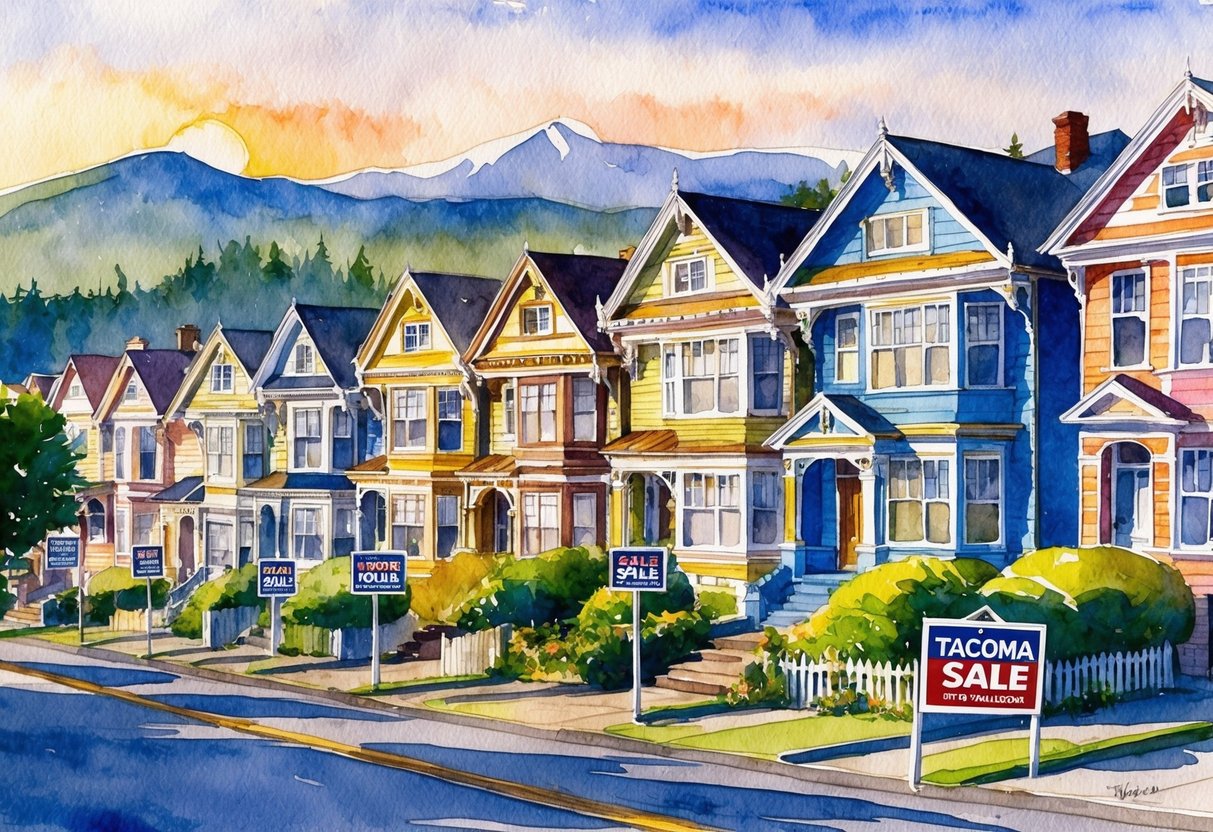
As I wander Tacoma’s neighborhoods, I spot homes for nearly every budget, from classic fix-and-flips to multifamily rentals. The city’s drawing in families and professionals, and prices are usually less intimidating than in other northwest cities.
Why keep following the same old financial advice that leaves me stuck? Diving into real estate here means learning local laws, scouting neighborhoods with the most promise, and building a team I trust.
I want every dollar and decision to matter so my family gets more options down the road.
Key Takeaways
- Tacoma offers real estate investments that can provide stability and growth.
- Knowing the local market and rules helps reduce risk and boost returns.
- The right strategy and partners can turn anxiety into long-term security.
Understanding the Tacoma, WA Real Estate Market
Tacoma’s real estate market is shaped by local demand, affordability, and its spot in the Puget Sound region. The area’s seeing shifts in home values, inventory, and rental yields—stuff savvy investors can use to their advantage.
Market Trends and Growth Drivers
Tacoma’s become a hot market. Demand for homes regularly outpaces supply, and I see it every time I check new listings.
Homes sell fast, and bidding wars are pretty common now. Low inventory keeps prices steady, while the price per square foot keeps inching up every year.
People move here for more affordable homes than King County, but still want access to jobs and amenities near Seattle. Strong job growth in Pierce County—healthcare, logistics, military—pushes both rental demand and sale prices higher.
Investors get a boost from Tacoma’s solid rental market. Rents have climbed steadily, beating out a lot of nearby areas.
You can dig deeper into these Tacoma real estate market trends.
Tacoma vs. Seattle and Kirkland
Comparing Tacoma with Seattle and Kirkland, price jumps out first. Median home prices in Tacoma are often hundreds of thousands less.
For the same monthly payment, I can usually get a bigger property or better cash flow in Tacoma. Seattle’s the tech hub, but its high prices and fierce competition push out many investors.
Kirkland, with its fancy homes and tech neighbors, draws a different crowd. Tacoma offers value, jobs in the South Sound, and still keeps commute times to Seattle reasonable if you’re up for it.
Honestly, Tacoma’s mix of affordability, rental demand, and growth potential makes it a smart entry point in the Puget Sound region. I always tell folks—think about where your dollar really stretches.
Key Neighborhoods and Submarkets
I always suggest picking neighborhoods that fit your goals. North Tacoma is famous for its historic homes, leafy streets, and waterfront views.
Families, professionals, and retirees like it here, keeping prices and rents steady. South Tacoma’s more affordable, and revitalization plus new businesses are putting it on the radar.
Central Tacoma is a hit with first-time buyers and investors chasing solid rental yields. I keep tabs on spots near the University of Puget Sound and East Tacoma—both draw in renters, especially students and hospital staff.
Every neighborhood grows at its own pace, with its own risks and rewards. Choosing the right submarket in Tacoma can really shape your investing strategy.
For more on picking the right spot, check out these tips and tools for buying in the Tacoma real estate market.
Types of Real Estate Investments in Tacoma
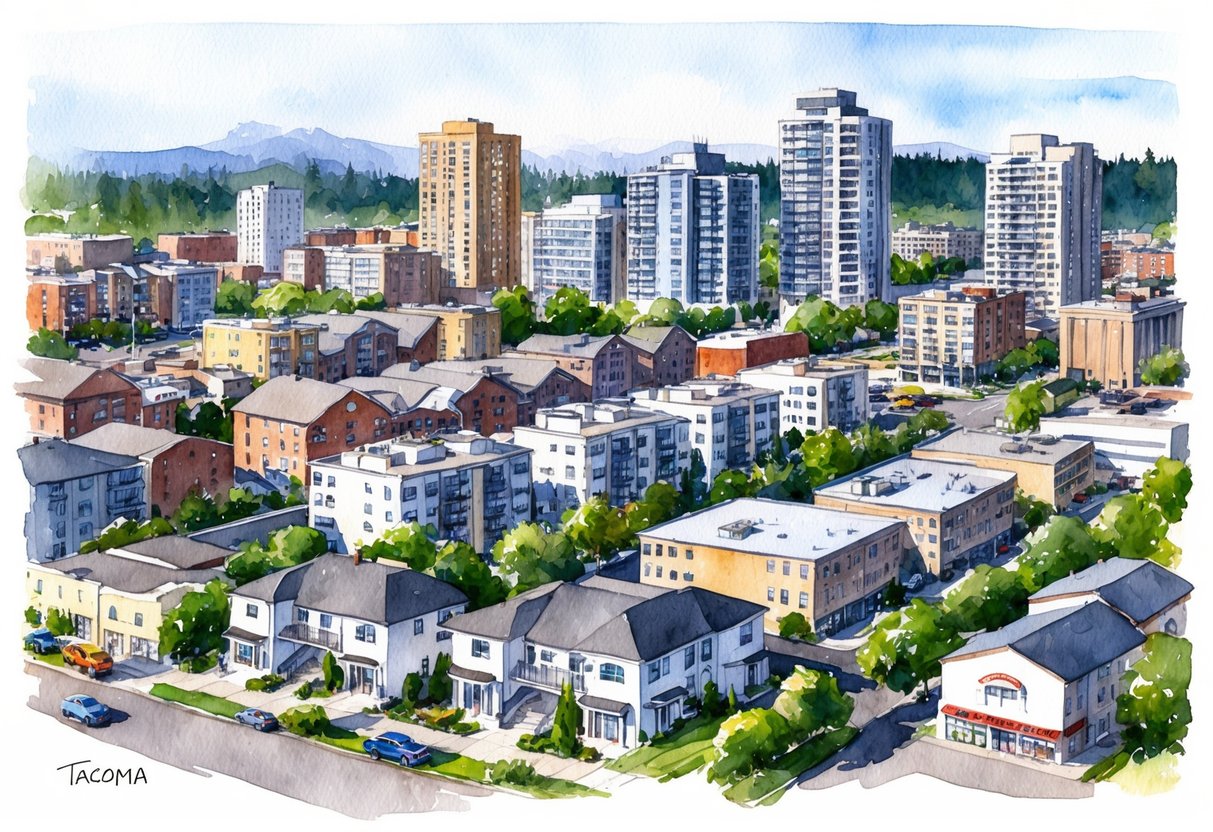
Tacoma’s got several real estate options, and each one comes with risks and benefits. For me, understanding these differences is crucial if I want to build real wealth.
Single Family Homes
When I look at single family homes in Tacoma, I see a stable entry point for anyone ready to move beyond savings accounts and mutual funds. These homes make up about 62.7% of the local market.
Families who want privacy and a little yard love these rentals. I find single family homes usually need less day-to-day oversight than other rentals, which is great if you don’t want a second job.
Appreciation tends to track with the overall market, so my property’s value could rise as Tacoma grows.
But competition’s tough. Median prices hover around $471,900 in Tacoma, and you’ll need strong financing or cash to win bidding wars.
Vacancy risk is higher too—if your only tenant leaves, rent stops until you find another. Still, for direct ownership and long-term growth, single family homes are hard to ignore.
Multifamily Properties
With multifamily properties—duplexes, triplexes, or even bigger complexes—I step up to a more scalable approach. Cash flow gets more predictable; if one tenant moves out, the others still pay rent.
Tacoma’s steady demand for rentals makes this appealing, especially as more folks search for affordable living. Even small-to-mid-sized buildings, like the Olympic Sunset Apartments, can do well here.
With more units, I spread out risk and make it easier to handle surprise repairs or vacancies. Managing several tenants isn’t everyone’s cup of tea, but a good property manager or solid system helps.
Tax benefits are strong, too—think depreciation write-offs and expense deductions that can lower your tax bill.
Commercial Real Estate
Commercial real estate in Tacoma means leasing space to businesses—offices, retail, or mixed-use. When I invest here, leases are often longer and tenants usually take care of more property upkeep.
It takes a bigger upfront investment, but the returns can be worth it. Some Tacoma neighborhoods are changing fast, drawing in new retail and restaurants.
Commercial loans ask for larger down payments, so solid reserves are a must. Vacancy rates and local laws can make or break you, but if you do your homework, commercial buildings can bring in diversified income and steady tenants.
I always watch each neighborhood’s growth and tenant demand before making moves.
Financing Options and Investment Strategies
Successful real estate investing in Tacoma takes more than just picking the right property. It’s about how you leverage financing, partnerships, and creative strategies to make your money work harder.
Traditional Financing Methods
When I started, I leaned on bank loans and conventional mortgages. A lot of investors still use traditional loans since rates are lower and payments are predictable.
Banks want a strong credit history, a solid down payment (usually 20%), and proof of steady income. If you already own a home, a home equity line of credit (HELOC) is another way to tap your home’s value for investments.
Trying to expand your multifamily portfolio? Firms like Berkadia offer mortgage banking for bigger assets, especially apartments.
Conventional loans aren’t quick, and the paperwork’s a pain. Still, if you want stable financing, it’s a reliable route.
Look into FHA, VA, and USDA loans if you qualify, though they’re mostly for primary residences.
Real Estate Syndication
Why go it alone? Real estate syndication lets me team up with other investors to buy bigger, cash-flowing properties.
One person acts as the syndicator and manages the deal. The rest of us just contribute capital and don’t have to deal with tenants or repairs.
With syndication, I get a piece of deals I couldn’t tackle solo—think apartment complexes or mixed-use buildings in Tacoma’s hot spots. Returns are based on your share, with set timelines and exit strategies.
Syndications sometimes start at $25,000 to $100,000, and aim for bigger returns over several years. Always check out the syndicator’s track record before jumping in.
Some companies, like Berkadia, specialize in these deals and provide data-driven insights.
Creative Financing Opportunities
Tired of banks saying no? I’ve seen creative financing open doors in Tacoma.
Seller financing—where the seller plays banker—lets you skip strict lending rules. You hash out terms directly, often with smaller down payments and flexible payments.
Partnerships are another way in—someone brings the cash, you handle management or renovations. Hard money loans are popular for short-term flips; they cost more, but they’re quick and don’t care much about your credit.
Lease options and subject-to deals let you control property with less upfront cash. Want more ideas? These guides on investment loans in Tacoma and creative strategies have a bunch of options to help you build wealth and take control.
Legal and Regulatory Considerations

Knowing the rules is half the battle in real estate investing. I’ve watched experienced investors get tripped up because they skipped a rule, missed a tax, or didn’t catch a new law in Tacoma or Pierce County.
Zoning Laws and Regulations
Before I buy anything in Tacoma, I check zoning laws closely. The city and Pierce County use zoning to decide what can go where—residential, commercial, mixed-use, and so on.
Want to turn a single-family home into a duplex? Better make sure local zoning allows it.
Changing a building’s use without city approval can cost you time and money. Tacoma’s zoning rules can shift, and Pierce County has its own if you’re outside city limits.
Unapproved changes, like illegal home offices, can bring fines or force you to undo improvements. I always check city or county websites and reach out to the planning department if I’m even a little unsure.
Understanding Tacoma’s zoning maps and use rules isn’t just paperwork—it’s how I protect my investment.
Landlord-Tenant Laws
Tacoma’s landlord-tenant laws are some of the most detailed in Washington. If you ignore these rules—even by accident—you could face big penalties.
I pay close attention to these regulations at every step. Tacoma sets minimum notice periods for things like rent hikes and evictions.
For example, raising the rent usually means giving at least 60 days’ notice. Some ordinances also limit what I can charge for certain fees.
Both Tacoma and Pierce County require specific documents for rental agreements, move-in checklists, and security deposit handling. I’ve found that missing even a small step, like not providing a current agreement or privacy policy, can turn into a real hassle.
If you’re not sure about the details, check the latest local rental rules. Guides on Tacoma landlord-tenant laws have saved me from headaches more than once.
Tax Implications for Investors
Taxes can make or break your investment. Tacoma, like everywhere in Washington, taxes real estate deals at both the state and local level.
I always plan for the real estate excise tax (REET). It’s one of those things first-timers often miss.
Pierce County charges property taxes based on assessed value. These aren’t up for negotiation, and they can go up each year.
The IRS treats rental income as regular income. Some costs—like repairs or mortgage interest—help lower my tax bill.
I keep good records so I don’t miss out on deductions. Local rules sometimes offer tax breaks for renovations or improvements.
I stay current with tax and real estate rules in Washington. If I’m unsure, I reach out to a CPA or tax pro who knows Tacoma and Pierce County. It’s money well spent.
Notable Investors and Influential Projects
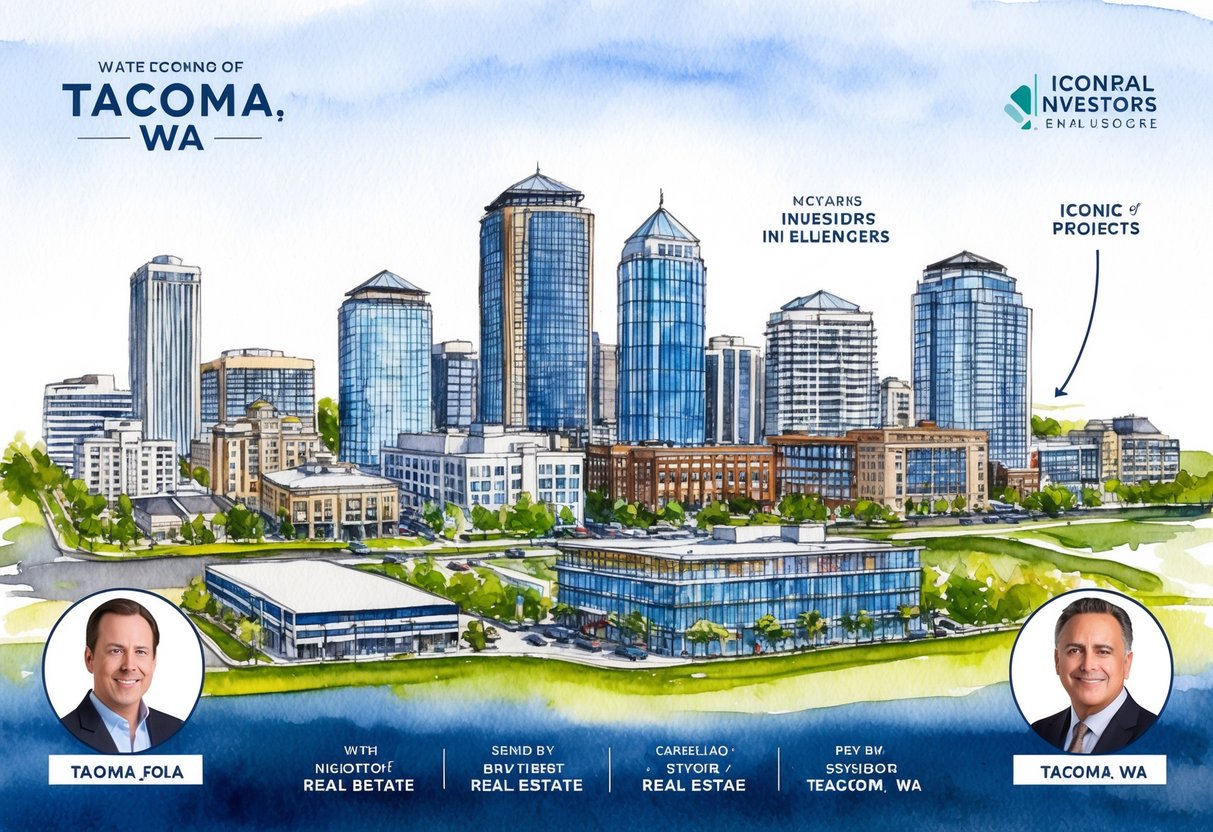
Not every real estate story in Tacoma comes from a big corporation. Some investors make a difference by spotting unique opportunities and building long-term value with smart moves and a bit of local know-how.
Chad Blenz’s Impact
When I think of real estate investors who’ve shaped Tacoma, Chad Blenz stands out. He didn’t just buy properties—he actually changed the local game.
He found undervalued sites most people overlooked and used cost-effective renovations to boost returns without driving out the community. Chad worked with local property managers and contractors, building teams that cared about their work.
You could see that pride in quick turnarounds and happier tenants. He proved that small improvements—fresh landscaping, energy upgrades, flexible leases—could attract stable renters and raise property values.
His approach mixed patience with discipline. You don’t need Wall Street money to build Main Street wealth, right?
Blenz stuck to tight budgets and reliable systems. He listened to neighborhood feedback and stayed on top of legislation, which helped him dodge risks and avoid expensive mistakes.
Olympic Sunset Apartments Case Study
Let’s look at a real-world example: the Olympic Sunset Apartments. This isn’t some flashy high-rise, but it’s a great case study in thoughtful investing.
The previous owners struggled with low occupancy and aging infrastructure. Investors saw potential and came in with a practical plan.
First, they tackled urgent repairs. Then they added upgrades like on-site laundry and better lighting.
Instead of flipping units for a quick buck, they created a place where people wanted to stay longer. Here’s what they did:
- Fixed leaking roofs and plumbing
- Updated common areas with new paint and signage
- Installed secure entry systems for safety
Occupancy rates went up, and the cash flow stabilized. The project proved that in Tacoma, success often comes from steady effort and targeted upgrades, not risky moves.
Partnering with Local Professionals

Building wealth in real estate isn’t about luck. It’s about relationships and knowing who you can trust.
The right people can turn risk into real opportunity. That’s why I focus on working with local experts who know the northwest and Tacoma market inside out.
Working with Local Real Estate Agents
Honestly, trying to invest in Tacoma without a local agent? It’s like sailing blind.
I lean on agents who know the neighborhoods, price trends, and the red flags you’d miss if you’re not from here. Local knowledge is everything.
I ask agents about their experience with investment properties. Do they have connections with inspectors, appraisers, or wholesalers?
The best agents bring deals before they hit the public market. Some I’ve met through the Tacoma Real Estate Investing Group know exactly what investors like me need—speed, accuracy, and strong negotiation.
I look for someone who lives nearby or has worked in Tacoma for years. They know which schools attract good tenants, which streets are changing, and which sellers might be ready to deal.
It’s not just about finding a property. It’s about finding the story behind it.
The Role of Property Management Companies
Owning rentals in Tacoma sounds great—until you get that 2 a.m. call about a leaking pipe. I learned fast that a good property management company isn’t a luxury, it’s a must.
They handle everything from finding tenants to collecting rent, so I’m not buried in emergencies. I interview several companies before I pick one.
I ask about their northwest experience and how they run things. Do they offer online payments? How do they handle repairs or complaints?
A solid company screens tenants well, knows the local laws, and keeps vacancies low. I want peace of mind when I invest.
That’s why my property manager checks in regularly, watches the market for rent changes, and helps me plan maintenance for the year. I’d rather they stay ahead of problems than scramble to fix them.
Evaluating Long-Term Investment Potential
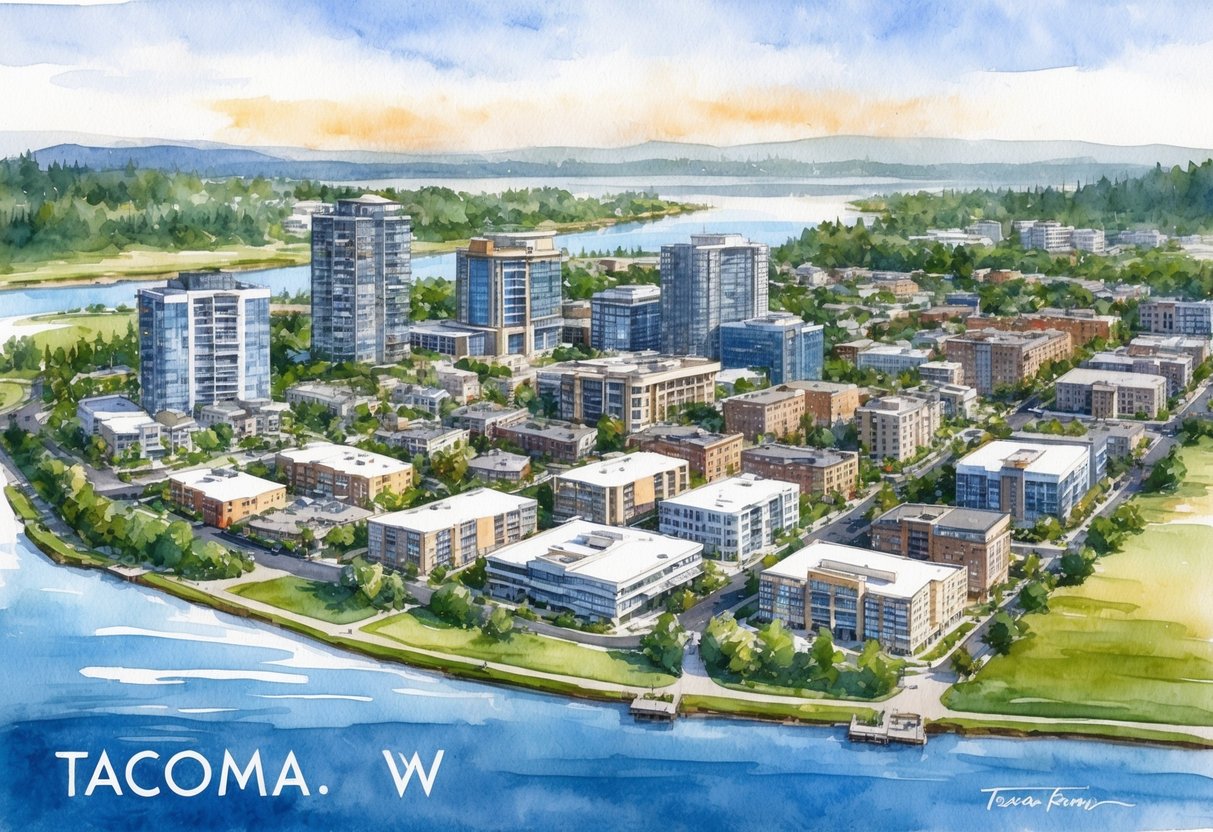
Investing in Tacoma means keeping an eye on how the market’s growing and what draws people to live and work here. I’ve found that long-term returns depend on tracking the real numbers, not just wishful thinking.
Market Appreciation Over Time
When I look at Tacoma, home values over the years give me a sense of what’s possible. Housing prices here have generally climbed over the last decade, especially compared to other parts of Puget Sound.
Even when the economy slowed down, Tacoma’s market stayed steadier than I expected. Limited inventory and rising demand have made property owners feel pretty secure about appreciation.
If I’d bought in Tacoma five or ten years ago, I’d see that homes near the waterfront—like in the North End—have appreciated especially well. I always check year-over-year appreciation rates and use public data before making a call.
I also compare Tacoma to the rest of the South Sound, where prices sometimes rise even faster than in bigger cities nearby. For a deeper dive, this Tacoma rental market analysis has some great info.
Population Growth and Economic Trends
Long-term potential in Tacoma doesn’t just happen—it’s built over time. Local job growth and steady migration into the city play a big part.
Employers in health care, shipping, and tech keep pulling new workers in. Families come for the lower living costs compared to Seattle.
They don’t have to give up quality schools or amenities either. That’s a pretty good deal, if you ask me.
I look for signals—new businesses popping up, infrastructure projects, those sorts of things around Puget Sound and the South Sound. When I see them, I usually expect more demand for rentals and homes.
Neighborhoods close to major economic hubs and highways tend to hold their value. Reviewing area trends and growth forecasts, like the ones in this market investing guide, helps me figure out which investments might actually stand out.