
Are you tired of the stock market roller coaster? Looking for a solid investment that can provide steady income and long-term growth? Syracuse, NY might just be the hidden gem you’ve been searching for.
I’ve been exploring real estate markets across the country, and Syracuse has caught my eye for some compelling reasons.
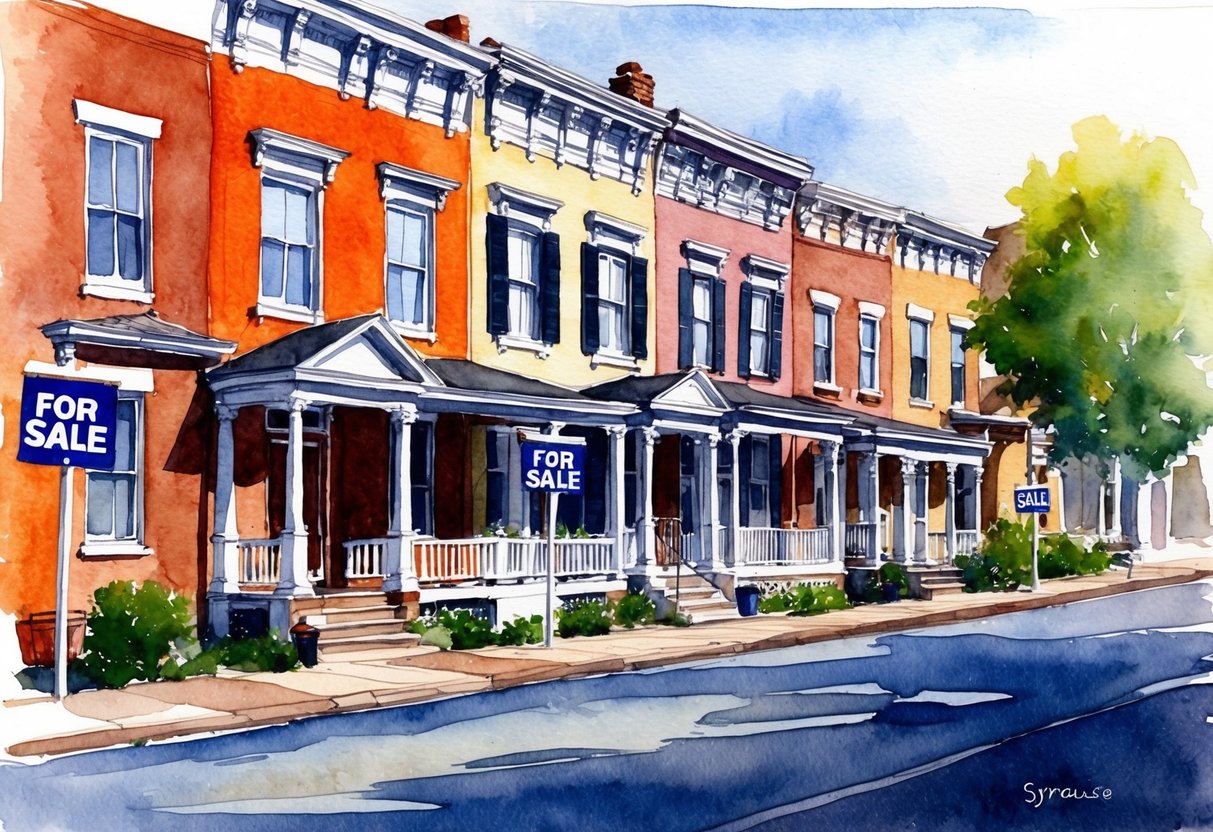
Real estate investing in Syracuse offers a unique blend of affordability and potential.
With median home values well below the state average, investors can enter the market without breaking the bank. But don’t let the low prices fool you - this city is on the move. Urban revitalization projects and a diverse economy are breathing new life into Syracuse, creating opportunities for savvy investors.
What sets Syracuse apart? It’s not just the numbers. It’s the community, the culture, and the quality of life.
As a real estate investor, I look for places where people want to live, work, and play. Syracuse ticks all these boxes with its rich history, vibrant arts scene, and four distinct seasons. Plus, with a mix of single-family homes, historic properties, and commercial developments, there’s something for every type of investor.
Key Takeaways
- Syracuse’s affordable property prices offer a low barrier to entry for real estate investors
- The city’s diverse economy and ongoing revitalization projects create potential for long-term growth
- A variety of property types cater to different investment strategies and goals
Why Invest in Syracuse Real Estate?
I’ve found that Syracuse offers some unique opportunities for real estate investors. The city’s affordable housing market and potential for growth make it an attractive option for those looking to expand their portfolio.
Economic Indicators and Their Impact on Real Estate
Syracuse’s economy is showing signs of improvement. The job market is growing, with new businesses moving in. This means more people needing homes.
The median home price in Syracuse is $170,000, which is much lower than many other cities. This low entry point makes it easier for investors to get started.
Rental demand is strong here. Many college students and young professionals are looking for places to live. This can mean steady income for landlords.
I’ve noticed property values are going up too. Homes in Syracuse saw a 9.7% increase in value compared to last year. That’s a good sign for potential appreciation.
Comparing Syracuse to Other Markets in Central New York
When I look at Syracuse next to other Central New York cities, it stands out. Why? It’s got a mix of urban amenities and small-town charm that’s hard to beat.
Syracuse has four distinct seasons, which some people love. It’s also home to Syracuse University, bringing in a steady stream of students and academics.
The city is more affordable than places like Rochester or Albany. This means investors can get more bang for their buck.
Syracuse’s real estate market is competitive, with homes selling fast. On average, houses are on the market for just 17 days. That’s quick turnover for investors looking to flip properties.
I’ve found that Syracuse offers a good balance of affordability and potential returns. It’s worth considering for those looking to diversify their real estate investments.
Understanding the Syracuse Housing Market
The Syracuse housing market offers intriguing opportunities for savvy investors. Low entry points and rising property values create a fertile ground for those willing to think outside the box.
Trends in Property Values and Rental Rates
Syracuse’s real estate landscape is evolving. The average home value sits around $196,060, a figure that’s been on the rise. I’ve seen this trend firsthand - it’s a positive sign for investors looking to build wealth through property appreciation.
But what about rental rates? They’re following suit. As more people move to the area, demand for quality rentals increases. This is music to a landlord’s ears. It means potentially higher cash flow from investment properties.
Are you wondering about the best neighborhoods to invest in? I’d suggest looking at areas near Syracuse University or downtown. These spots tend to attract young professionals and students, providing a steady stream of potential tenants.
Impact of Local Businesses on Real Estate
Local businesses play a crucial role in shaping Syracuse’s real estate market. When companies thrive, they attract workers. More workers mean more demand for housing. It’s a simple equation, but one that smart investors never ignore.
I’ve noticed that areas with growing businesses often see property values climb faster. Why? Because people want to live close to where they work. It’s convenience that drives demand.
Syracuse’s ongoing urban revitalization projects are another factor to watch. These improvements can breathe new life into neighborhoods, potentially boosting property values. As an investor, staying ahead of these developments can lead to significant returns.
Affordability and Demographic Dynamics
Syracuse’s affordability is one of its strongest selling points for investors. Compared to many other cities, your dollar goes further here. This opens doors for investors who might be priced out of hotter markets.
Who’s moving to Syracuse? I’ve observed a mix. Young professionals attracted by job opportunities. Families seeking affordable homes. Retirees looking for a lower cost of living. Each group represents a different segment of the rental market.
The city’s unemployment rate is another factor to consider. A lower rate typically means more stable tenants and potentially higher rents. It’s all part of the bigger picture we need to analyze as investors.
Key Neighborhoods for Investment
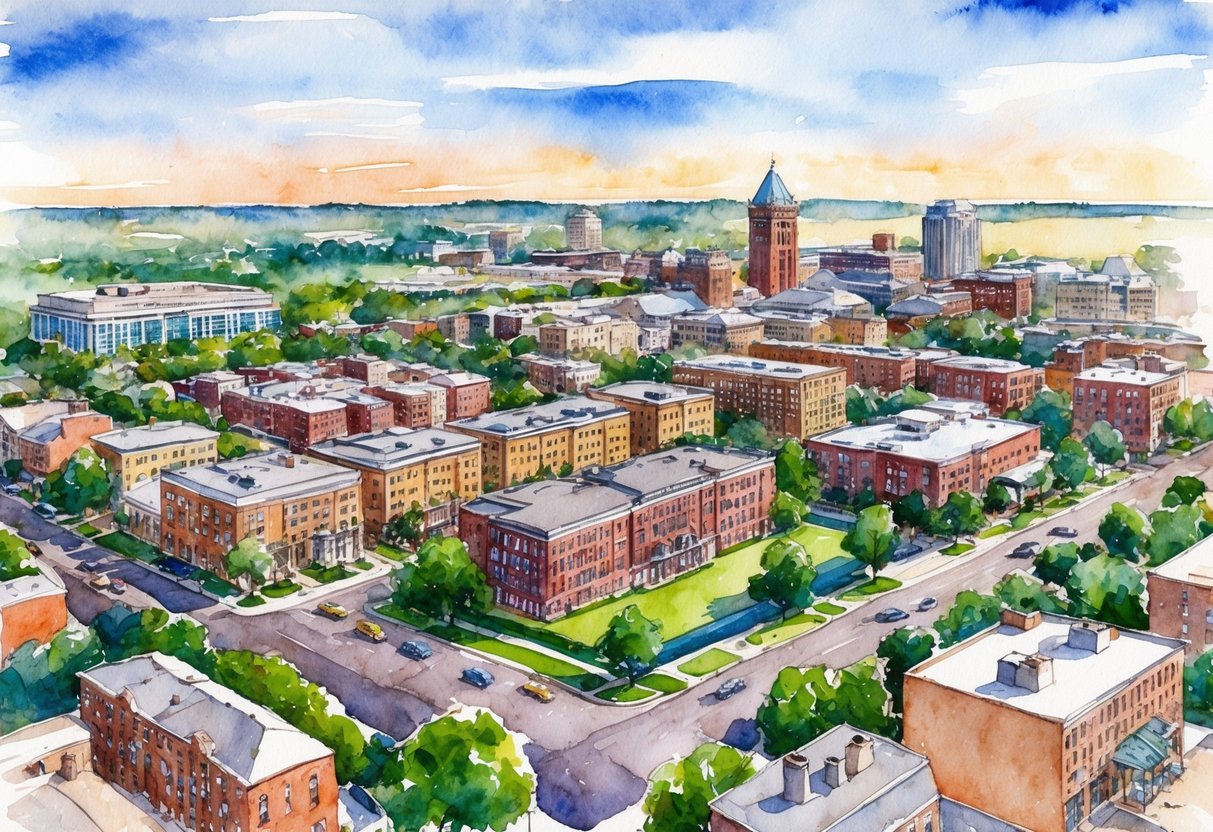
Syracuse offers diverse investment opportunities for real estate. Let’s explore some promising areas and established neighborhoods that savvy investors should keep an eye on.
Emerging Areas for Real Estate Growth
I’ve noticed exciting developments in Syracuse’s emerging neighborhoods. The Near Westside is transforming rapidly. Old industrial buildings are becoming trendy lofts and workspaces. It’s a golden opportunity for those who spot potential early.
Franklin Square is another gem. With its mix of historic charm and modern amenities, it’s attracting young professionals and families. The area’s walkability and proximity to downtown make it a smart bet for appreciation.
What about Tipperary Hill? This Irish-influenced neighborhood is seeing a revival. Its unique character and affordable properties are drawing investors looking for rental income and future gains.
Established Neighborhoods and Their Stability
When it comes to steady returns, I always consider established areas. Strathmore is a prime example. Its tree-lined streets and well-maintained homes offer stability that’s hard to beat. The neighborhood’s strong sense of community keeps property values robust.
Sedgwick is another rock-solid choice. Known for its stunning architecture and proximity to parks, it’s a favorite among families. This translates to long-term tenants for investors focused on rental properties.
Have you considered University Hill? With Syracuse University nearby, there’s a constant demand for housing. Student rentals and faculty homes make this area a reliable investment year after year.
Strategies for Real Estate Investment in Syracuse
Syracuse offers unique opportunities for real estate investors. I’ve found that a mix of strategies can help maximize returns in this market.
Building a Diverse Real Estate Portfolio
I always tell my students: don’t put all your eggs in one basket. In Syracuse, this means looking at different types of properties.
The city has affordable single-family homes averaging around $196,060. These can be great for rental income.
But why stop there? I’ve seen savvy investors snap up multi-family units too. They often bring in more cash flow. And let’s not forget about commercial properties. With Syracuse’s ongoing urban revitalization, these could be golden opportunities.
Have you considered student housing? Syracuse University creates steady demand. It’s a niche market that can pay off big time if you do your homework.
Buy and Hold Versus Fix and Flip
Now, here’s a question I get a lot: should I buy and hold or fix and flip? In Syracuse, both strategies can work. But you need to know when to use each.
Buy and hold is my go-to for long-term wealth building. Syracuse’s property values have been rising, making this a solid choice. You can benefit from appreciation while collecting rent.
Fix and flip can be lucrative too, especially in up-and-coming neighborhoods. But it requires more work and market knowledge. You need to spot undervalued properties and know your renovation costs inside out.
What’s your risk tolerance? Buy and hold is generally safer, while fix and flip can bring quicker profits. In Syracuse, I’ve seen success with both. The key is to match the strategy to your goals and resources.
Financial Considerations for Investors
Investing in Syracuse real estate requires careful financial planning. I’ll cover key aspects to help you make informed decisions and maximize your returns.
Loan Options and Financing Strategies
When investing in Syracuse, I’ve found that exploring various loan options is crucial.
Traditional mortgages are common, but have you considered FHA loans for lower down payments? Or what about VA loans if you’re a veteran?
Hard money loans can be useful for quick property flips. They have higher interest rates but faster approval times. For long-term investments, I recommend looking into conventional loans or portfolio loans from local banks.
Don’t forget about creative financing! Owner financing or lease options can be great ways to enter the market with less upfront capital. Have you thought about partnering with other investors to pool resources?
Remember, your financing strategy can make or break your investment. Choose wisely!
Tax Implications and Incentives
Syracuse offers some interesting tax benefits for real estate investors. Are you aware of the depreciation deductions you can claim on rental properties? This can significantly lower your taxable income.
Property tax rates in Syracuse are worth noting. While they may seem high, they’re often offset by lower property values compared to larger cities.
I’ve found that 1031 exchanges can be a powerful tool for growing your portfolio tax-free. Have you considered using this strategy to defer capital gains taxes?
Look into local incentives too. Syracuse sometimes offers tax abatements for renovating older properties or investing in certain neighborhoods. These can boost your returns substantially.
Insurance and Risk Management
Protecting your investment is just as important as growing it. I always recommend getting comprehensive property insurance. This should cover not just the structure, but potential liability issues too.
For multi-unit properties, consider requiring tenants to have renter’s insurance. This can help mitigate your risk in case of accidents or damage.
Have you thought about umbrella insurance? It can provide an extra layer of protection beyond your standard policies.
Don’t forget about flood insurance if you’re investing in low-lying areas of Syracuse. Regular homeowner’s policies often don’t cover flood damage.
Risk management goes beyond insurance. Regular property inspections and maintenance can prevent costly issues down the line. Are you budgeting for these preventive measures?
Legal and Regulatory Environment

Real estate investing in Syracuse requires careful attention to legal and regulatory details. I’ve found that understanding the rules can make or break your success in this market.
Understanding Zoning Laws
Syracuse’s zoning laws play a crucial role in real estate investing. I’ve seen many investors stumble here, but it’s not as complex as it seems. The city divides areas into residential, commercial, and industrial zones, each with specific rules.
What can you build where? That’s the key question. In residential areas, you might be limited to single-family homes or small multi-units. Commercial zones allow for businesses and larger apartment complexes.
Here’s a quick breakdown:
- Residential: Houses, duplexes, small apartments
- Commercial: Retail, offices, large apartment buildings
- Industrial: Warehouses, factories
Always check the zoning before buying. It could save you from a costly mistake.
Compliance with State and Local Regulations
Beyond zoning, there’s a web of regulations you need to navigate. I’ve learned that staying compliant is easier than fixing violations later.
Syracuse landlords face specific legal obligations. These include:
- Property maintenance standards
- Tenant rights and eviction procedures
- Safety regulations (fire codes, lead paint rules)
Don’t forget about taxes and licenses. Syracuse requires rental property registration. It’s a simple step that many overlook.
State laws also come into play. New York has strict tenant protection laws. Are you familiar with the Housing Stability and Tenant Protection Act? If not, it’s time to brush up.
I always recommend working with a local real estate attorney. They can guide you through the regulatory maze and help prevent costly mistakes.
Building Your Real Estate Team

Creating a strong team is key to success in Syracuse real estate investing. I’ve found that the right people can make or break your investments. Let’s look at who you need on your team and how to find them.
Working with Real Estate Agents and Brokers
In Syracuse, a good agent is worth their weight in gold. They know the local market inside and out. I always look for agents who specialize in investment properties. They should understand cash flow, cap rates, and ROI.
When I’m searching for an agent, I ask other investors for referrals. I also check online reviews and look at their past deals. It’s crucial to find someone who’s responsive and proactive.
A great agent will:
- Send you deals before they hit the market
- Negotiate strongly on your behalf
- Provide insights on up-and-coming neighborhoods
Remember, the best agents aren’t just salespeople. They’re advisors who can help grow your wealth.
Importance of Networking with Other Investors
Networking has been a game-changer for my Syracuse investments. Other investors are a goldmine of information and opportunities. But how do you build these connections?
I start by attending local real estate meetups and joining investment clubs. The Onondaga County Real Estate Investors Club is a great place to begin. These groups often host speakers and provide valuable education.
Online forums and social media groups focused on Syracuse real estate are also helpful. They’re great for asking questions and sharing experiences.
Networking benefits:
- Learn about off-market deals
- Share contractor recommendations
- Get advice on tricky situations
Don’t be afraid to reach out to successful investors. Most are happy to grab coffee and chat.
Finding Reliable Contractors and Service Providers
Good contractors can make your properties shine. Bad ones can drain your wallet. So how do I find the good ones in Syracuse?
I start by asking for referrals from other investors and real estate agents. Online reviews can be helpful, but personal recommendations are gold. When I meet with contractors, I always ask for:
- Licenses and insurance
- References from past clients
- Examples of similar projects
It’s crucial to get multiple bids for big jobs. This helps ensure fair pricing and lets you compare approaches.
I keep a list of go-to professionals for:
- Plumbing and electrical work
- Painting and carpentry
- Lawn care and snow removal
Building these relationships takes time, but it pays off. Reliable contractors will prioritize your projects and often give you better rates.
The Role of Education and Networking

Education and networking are key to success in real estate investing. They give you the knowledge and connections to find great deals and avoid costly mistakes.
Resources for Learning Real Estate Investment
I’ve found that Syracuse offers many ways to learn about real estate investing. The Whitman School at Syracuse University has a strong real estate program. It teaches analysis, development, and asset management.
Local libraries and bookstores have many books on real estate investing. I like to read a mix of beginner and advanced texts to keep learning.
Online courses and webinars are also great. They let you learn at your own pace from experts across the country.
Don’t forget about podcasts and YouTube channels. They’re free and cover the latest trends and strategies.
Benefits of Real Estate Investment Groups
Joining a real estate group has been one of my best moves. The Onondaga County Real Estate Investors Club holds monthly meetings.
These are gold mines of local knowledge. At these meetings, I network with other investors.
We share tips, discuss market trends, and sometimes even partner on deals. The club often brings in guest speakers.
They share insights on topics like financing, renovations, and property management. Being part of a group keeps me motivated.
When I see others succeeding, it pushes me to take action. Have you ever felt stuck and needed a push? Groups also offer mentorship opportunities.
Learning from someone who’s “been there, done that” can save you years of trial and error.