
Have you ever wondered if your savings or retirement accounts are really pulling their weight? I know plenty of folks over 40, myself included, who want smarter ways to grow wealth outside the usual Wall Street rollercoaster.
Real estate investing in Spokane, WA offers a shot at building lasting wealth. You get strong appreciation, lower taxes, and a market that’s way more accessible than the bigger cities.
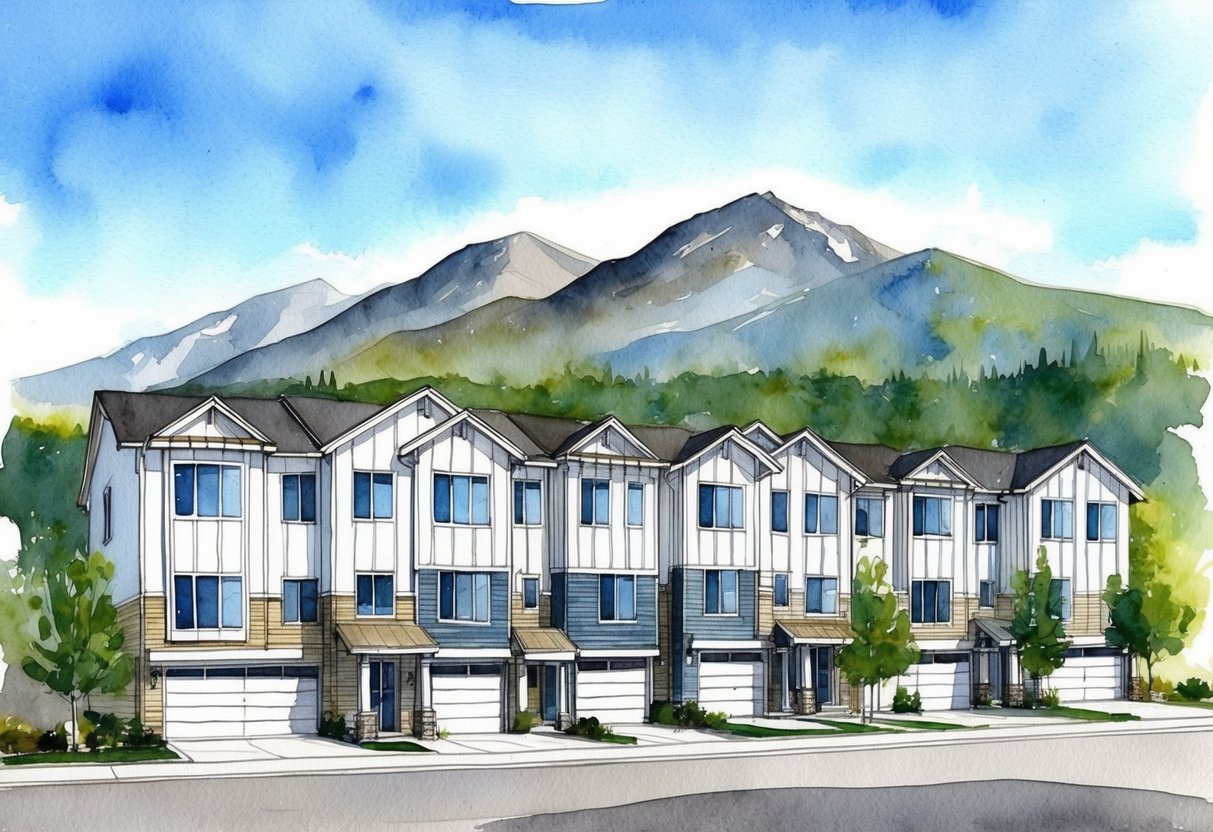
When I first checked out Spokane, the blend of affordable homes and neighborhoods with real growth potential caught my eye. Browne’s Addition, South Hill, and Peaceful Valley stand out for steady demand.
Even with prices on the rise, most investors can still get in. Instead of just waiting for the next market crash, wouldn’t it feel better to own property in a place with limited housing supply and reliable rental demand?
If you’re tired of the same old financial advice, maybe it’s time to take a closer look at real estate investment in Spokane and see what sets it apart.
Key Takeaways
- Spokane real estate gives you an alternative to the usual investments.
- Several Spokane neighborhoods show growth and high rental demand.
- Smart investing means understanding local risks, laws, and opportunities.
Overview of Real Estate Investing in Spokane
Spokane’s real estate market has some unique advantages for investors who want solid returns and long-term growth. I’ve noticed the right approach can help you skip the usual savings traps and build wealth on your own terms.
Current Market Trends
I keep asking myself, “Why does Spokane stand out?” It’s the price growth and affordability. In the last few years, home prices in Spokane have shot up—sometimes more than 13% a year.
Yet, homes here cost a lot less than in big West Coast cities. Median values stay well below state and national averages.
There’s not much inventory, and demand holds strong. Fewer homes for sale means buyers compete, so sales move fast and prices climb.
Investors who act early benefit from this tight supply. If you want more details, here’s a breakdown of market trends in Spokane real estate.
Key Investment Strategies
When I think about building my portfolio in Spokane, I try to work with the market, not against it. One practical strategy is to focus on single-family homes in areas where values keep rising.
These houses are usually easier to rent and sell because demand stays high. Another solid method is picking up fixer-uppers, making improvements, and then selling for a profit or keeping them as rentals.
If you’re patient and willing to wait for values to grow, buy-and-hold investing is a great path. Some folks lean toward short-term rentals, tapping into Spokane’s tourism and the growing interest in local experiences.
You can dig into more investment opportunities in Spokane real estate if you’re curious.
Benefits of Investing Locally
Why Spokane instead of chasing national trends? It’s about control and knowing your community.
When I invest locally, I can keep tabs on my properties and move quickly if things shift. I get to know realtors, contractors, and property managers—building a team I actually trust.
There are tax advantages too. Spokane’s low property taxes let investors keep more of their returns.
The lower barrier to entry, thanks to reasonable home prices, makes it easier to start or grow a portfolio. For more on why Spokane makes sense, see reasons to invest in Spokane real estate.
Types of Real Estate Investments in Spokane
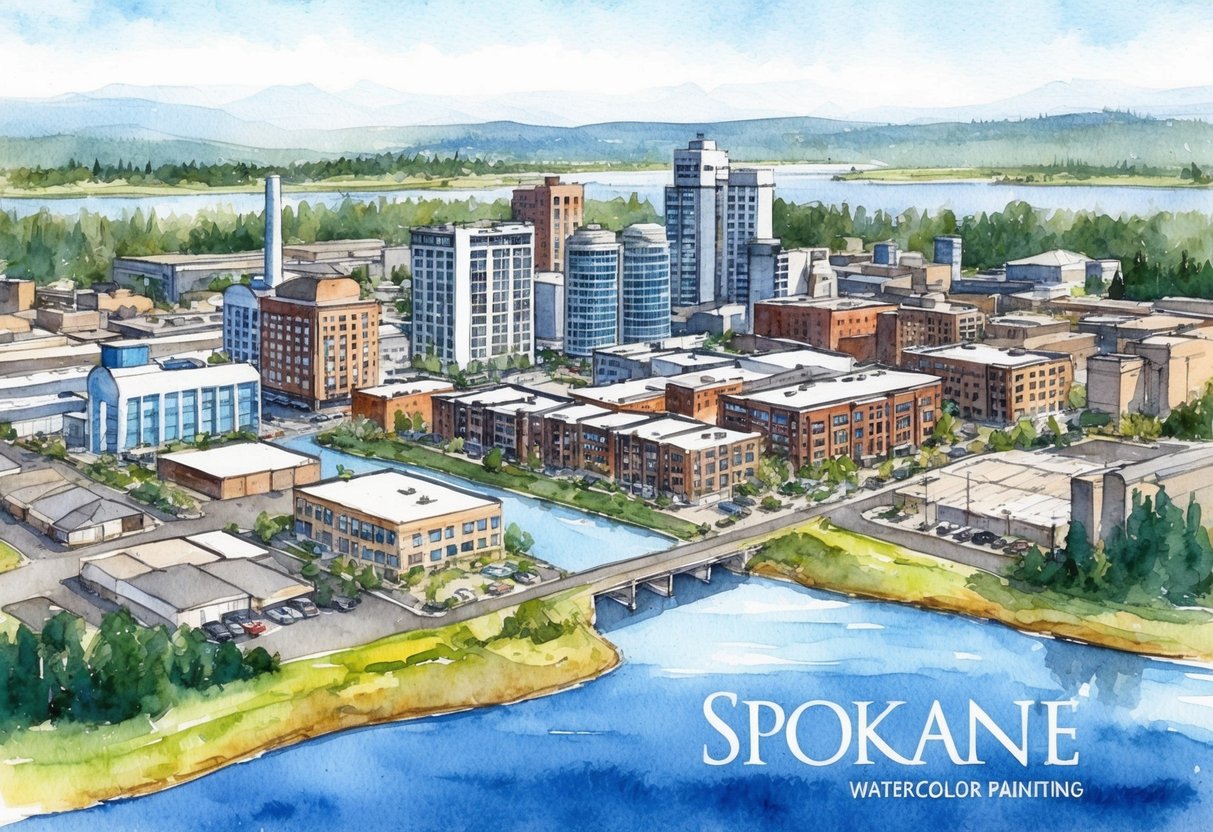
In Spokane, there are several ways to invest in real estate. Each type comes with its own upsides, risks, and quirks.
Residential Properties
I’ve noticed residential properties, especially single-family homes, are often the first stop for Spokane investors. These homes can bring in steady rental income.
Demand for good rentals is strong, partly because Spokane’s housing costs are still a bargain compared to big West Coast cities. Buying in well-kept neighborhoods usually leads to long-term appreciation.
Entry costs can shift, but I think keeping an eye on high-rent areas helps you get the most out of your investment. Renters here include families, professionals, and college students.
Good property management can really cut down on vacancies and headaches. If you want reliable tenants and long-term appreciation, residential might be your best bet.
Commercial Real Estate
Commercial real estate covers spaces like office buildings, retail spots, or warehouses. These properties often offer stable, longer leases, which helps with cash flow planning.
Spokane’s commercial sector is pretty diverse, with local businesses, healthcare, and retailers all in the mix. If you want to branch out from residential tenants, commercial could be interesting.
Commercial leases often shift more costs—like maintenance or taxes—onto tenants. But vacancies can drag on, and local economic shifts matter more here.
If you’re after cash flow and willing to dig into local business trends, commercial property might deserve a look.
Multi-family Units
Multi-family properties—think duplexes, triplexes, apartment complexes—grab my attention for their income potential and the way they spread out risk. With more units, a single vacancy won’t wreck your monthly numbers.
Spokane’s multi-family market is seeing healthy demand. There just aren’t that many affordable rentals, so multi-units usually stay full.
The ability to scale—owning ten doors in one building rather than ten separate houses—makes management and upkeep simpler. If you want both appreciation and monthly income, multi-family might be a good fit.
Lenders sometimes offer better financing for these, especially since Spokane’s rental market is steady with students, families, and retirees.
Vacant Land Opportunities
Vacant land might seem boring, but with a plan, it can be a strong investment. Land in Spokane costs less than in places like Seattle.
I look at land when I’m thinking long-term—development, or maybe holding for rezoning. There’s a lot of flexibility: you can build single homes, multi-units, or even commercial spaces, depending on zoning.
Raw land has fewer holding costs, but it won’t make money until you build or sell it. If you’re patient and have a vision, Spokane land could deliver big returns.
Zoning and utilities matter, so I always do my homework before making a move. Local trends and future city plans can make a huge difference.
For more info, see different investment property options in Spokane.
Spokane Real Estate Market Insights
Spokane keeps drawing investors with rising property values, a growing population, and solid rental demand. If you’ve ever wondered if moving from stocks to real property might give you more control, Spokane’s numbers are worth a look.
Neighborhood Analysis
Spokane’s neighborhoods each have their own story for investors. South Hill is known for stable resale values and great schools, so buyers tend to stick around.
On the north side, places like Garland and Shadle see steady rental demand thanks to affordable prices and access to amenities. Spokane Valley is growing fast, with young families moving in and driving up demand for homes and rentals.
Downtown Spokane is getting new life from developers, with revitalization and fresh retail.
Key neighborhood features investors watch for:
- Access to jobs
- Distance to colleges
- Crime rates and school quality
- Future development
Sticking with established neighborhoods reduces risk, but up-and-coming areas might offer bigger gains.
Property Value Trends
Home prices are a hot topic in Spokane. As of early 2025, the average home price sits around $355,000.
That’s about a 4% drop from last year, but things seem to be leveling off. Some investors see this as a chance, not a red flag.
Inventory is finally up, so buyers have more choices after years of tight supply. Interest rates are always a worry, but I’m seeing motivated sellers come back as things stabilize.
In spots like Liberty Lake and Five Mile, price growth is still solid. Downtown condos stay affordable for first-timers. If you’re planning to hold for at least five years, odds are you’ll see steady appreciation as Spokane’s job market improves.
Check out more on Spokane’s home price trends.
Year
Average Price
Price Change (%)
2023
$370,000
+2%
2024
$355,000
-4.1%
2025
$355,000
0%
Rental Yields and Vacancy Rates
Rental property in Spokane is catching the eye of investors from near and far. Rents keep climbing, and vacancies stay low compared to other Northwest cities.
Even with new buildings going up, demand for rentals is strong—especially from younger families and professionals who can’t swing homeownership yet. Most neighborhoods deliver rental yields between 5% and 7%.
High-demand areas near Gonzaga University and downtown can do even better. As of 2024, the average rent for a two-bedroom is about $1,400, and vacancy rates hover around 3%–4%.
Rental cash flow stands out as one of Spokane’s biggest strengths. If you like predictability and steady demand, this market deserves a closer look.
For more on rental yields and property values, see this in-depth Spokane investing analysis.
Steps to Get Started with Real Estate Investing
Getting started in Spokane real estate doesn’t take luck or a finance background. I focus on setting clear goals, building the right team, and understanding local financing options to move forward.
Setting Up Your Investment Goals
Before I put a dollar toward property, I make sure I know why I’m investing.
Am I after steady monthly income, long-term growth, or both? Maybe I want to hedge against inflation, or I’m thinking about something to leave for my kids.
If I skip this, it’s way too easy to get caught up in market hype or overpriced deals. I write my main goal down.
Then I pick the property type that matches—single-family for smoother cash flow, multi-family for more scale. Spokane has both, but I always run the numbers and stay conservative.
Bigger isn’t always better. With my goals on paper, it’s much easier to track progress and ignore distractions, even when others chase trends.
Building an Investment Team
The right team can make everything smoother—and honestly, a lot less stressful. Who do I really need in my corner?
At a bare minimum, I connect with a local real estate agent who actually knows Spokane neighborhoods, not just someone eager to push listings. Next, I bring in a dependable property manager if I plan to build a portfolio or live out of town.
An accountant who’s comfortable with real estate tax law helps keep more money in my pocket. I also look for a handyman or contractor I can trust; repairs can destroy margins if I don’t act quickly.
I keep my network lean but responsive. The Spokane market rewards folks who move fast and ask sharp questions.
Financing Options in Spokane
I need to know what funding sources are available and which ones fit my investment strategy. Spokane offers a range of options:
- Conventional Mortgages: Best if my credit is strong and I’ve got a solid down payment.
- Local Credit Unions: Sometimes these offer lower rates or more flexible terms than national banks.
- Private Lenders: Good for speed and flexible underwriting, though usually pricier.
- HELOCs and Cash-Out Refinancing: If I already own property, I can unlock equity to buy my next rental.
Some folks start small by pooling funds with friends or family. It’s crucial to know my monthly numbers: projected rent, expenses, and expected cash flow.
This discipline is what separates speculators from serious investors, especially in a city as competitive as Spokane. For local lender tips, check out this guide to buying investment property in Spokane.
Legal and Regulatory Considerations in Spokane
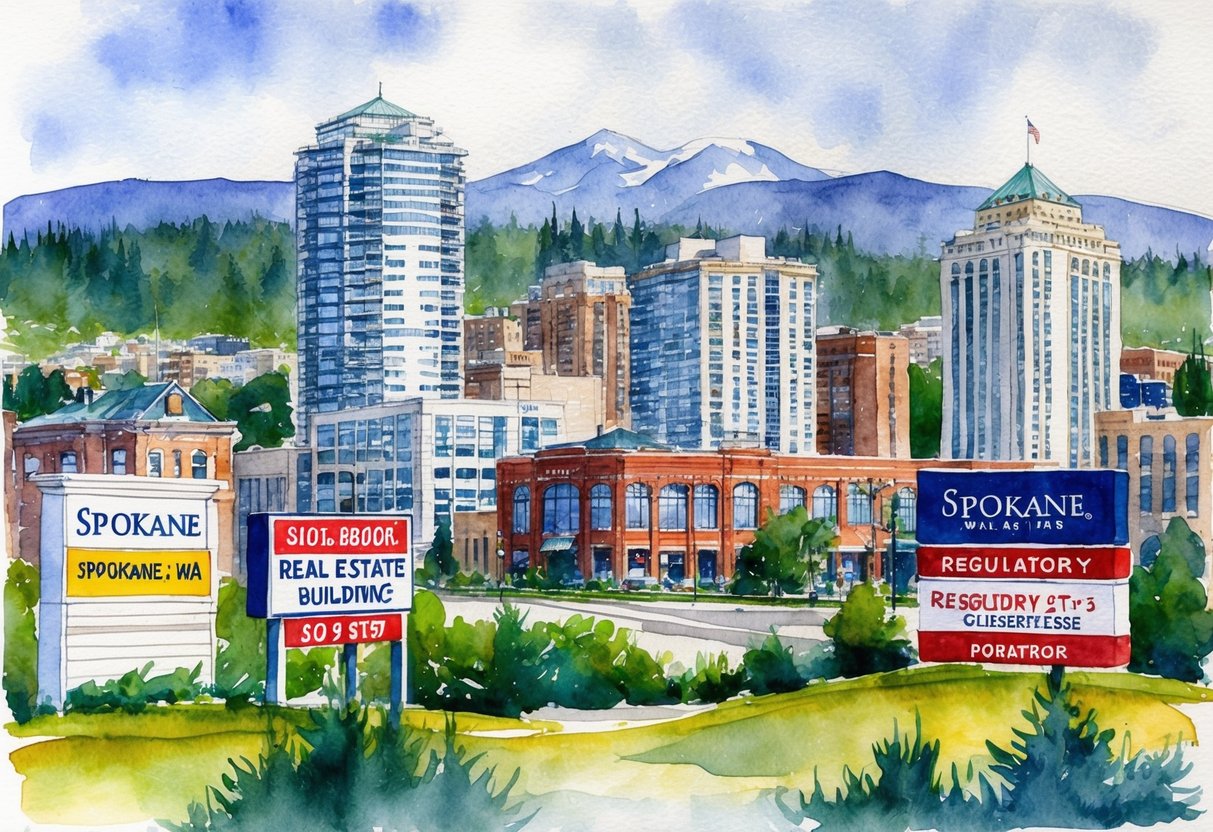
When I’m looking at real estate deals in Spokane, understanding the rules is key. I pay close attention to zoning, fair housing, and the responsibilities between landlords and tenants.
Overlooking these details can cost real money and time. I’ve learned that lesson the hard way.
Zoning Laws and Regulations
Spokane’s zoning codes shape what I can and can’t do with a property. The city breaks land into zones like residential, commercial, and mixed-use.
Rules might limit building height, require parking spaces, or restrict how many unrelated people can live in a single house. Before I buy or build, I check the zoning maps and talk with city planning staff.
Why risk buying a property that isn’t even legal for my plans? Recent updates often focus on promoting more housing but still protect neighborhoods from overcrowding or unwanted businesses.
If I spot a deal that looks “too good to be true,” I double-check the current zoning and even look up possible city council changes. I’ve found investors get ahead by knowing about future rezones before the crowd.
To start that process in Spokane, the city’s planning department and public records are my main resources. Title companies and third-party reports can also help with zoning reviews.
Learn more about legal land use and sale methods on the City of Spokane’s official guidance.
Landlord-Tenant Laws
Owning rental property in Spokane means following state and local rules about leases, deposits, notice periods, and tenant rights. Washington law requires clear rental agreements.
I give tenants written notice for things like raising rent or ending a lease. Some restrictions cover how much I can collect for a security deposit and how quickly I must return it after move-out.
Eviction in Washington, including Spokane, involves a legal process. There are waiting periods, and all notices must be in writing.
If I mess up even a step, I could end up in court or lose months of income. Some cities require rental registration or regular inspections, so I always double-check if the rules have changed before every new lease.
Understanding these laws isn’t just about compliance—it protects my cash flow and reputation. There’s less drama, fewer headaches, and a smoother relationship with tenants.
For recent details on taxes and regulations, the team at Nick Briggs Realty shares that Spokane remains investor-friendly.
Tax Implications for Investors

Buying investment property in Spokane means thinking beyond the purchase price or rental income. I need to understand how tax rules—both local and federal—can impact my returns and long-term strategy.
State and Local Taxes
Washington state is unique when it comes to property taxes and capital gains. Did you know the state doesn’t charge a capital gains tax on real estate sales?
If I sell a property in Spokane and make a profit, I won’t owe any state-level capital gains tax on that sale. The Department of Revenue explains Washington’s capital gains tax exemptions for real estate.
My main state tax concern is property tax. Spokane County assesses property taxes every year.
The rate can change, but it’s generally comparable to the national average. I get a bill each year based on my property’s assessed value.
Late payments can lead to penalties or even liens, so I always set reminders for due dates. If I run my investments as a business or LLC, I may owe the state’s Business & Occupation (B&O) tax on gross income, depending on my setup and what activities I perform.
Investors who buy and flip homes, for example, should pay close attention here.
Tax Benefits for Property Owners
It’s not just about what I pay—it’s about what I save. The federal government gives me several ways to reduce my taxable income with real estate investment in Spokane.
Depreciation is one of my favorite tools. Each year, I can deduct part of the property’s value as a depreciation expense, lowering my taxable profits.
Repairs, property management costs, insurance, and even mortgage interest are also deductible. Section 1031 exchanges can let me defer federal capital gains tax by reinvesting proceeds from a sale into another investment property.
This helps me grow my portfolio without big tax hits up front. For a quick overview, here are some deductions I consider:
Expense Type
Deductible?
Mortgage Interest
Yes
Property Taxes
Yes
Repairs & Maintenance
Yes
Depreciation
Yes
Travel to Property
Sometimes
Smart investors look at each opportunity—and its tax impact—before making moves. Isn’t it time I started thinking the same way?
Technology and Tools for Spokane Real Estate Investors

In today’s real estate market, using the right technology can free up time and help me make smarter decisions. Powerful tools now make it easier to manage properties, analyze deals, and stay ahead of market trends.
Property Management Solutions
I’ve seen firsthand that managing properties isn’t just about collecting rent or fixing broken sinks. Modern property management companies in Spokane, like Real Property Management Strive, offer software and online portals so I can view rent payments, schedule repairs, and communicate with tenants in real time.
Wouldn’t life be simpler if all that hassle was automated? Some property management tools give me automated reminders, monthly financial summaries, and easy access to legal forms.
I can even set up recurring tasks so nothing falls through the cracks. Many landlords choose apps that allow tenants to pay online, make maintenance requests, and get updates on repairs.
If I want to reduce stress and keep my income steady, using strong management tech is hard to beat.
Market Research Platforms
Accurate market research is the backbone of good investing. I lean on advanced online platforms to analyze home prices, rent trends, and neighborhood changes in Spokane.
Proptech tools, for example, let me research, buy, and manage real estate with fewer headaches. Why rely on guesswork when data drives better choices?
Many websites pull together recent sales, rental comps, historical values, and future forecasts, so I can see if an area is growing fast or slowing down. I look for tools with easy-to-read dashboards and customizable reports to keep my finger on Spokane’s pulse.
With this level of detail at my fingertips, I’m making well-informed investment decisions and avoiding costly mistakes. Want proof? Check out this insight on how proptech is shaping Spokane’s real estate.
Risks and Challenges in Spokane Real Estate Investing
Every investment has a flip side, and real estate in Spokane is no exception. While this market offers real chances for growth, it can also test your knowledge and patience in unique ways.
Market Volatility
Have you noticed how quickly markets can shift, sometimes for no clear reason at all? That’s the reality in Spokane.
Though prices have often risen fast, there’s never a guarantee of future growth. Sudden changes in interest rates or shifts in local employment can send property values tumbling.
Right now, demand is high, but this can make prices unpredictable. Is it possible to buy at the peak and then face several years of flat or falling values? Absolutely.
Experts point out that while a crash seems unlikely, the risk of overpaying is real, and quick profits are never promised in the current Spokane real estate market.
Smart investors watch out for these warning signs:
- Rising mortgage rates
- Decreased housing demand
- Job market shifts
Each of these can turn a ‘safe’ bet into a challenge.
Dealing With Problem Tenants
Let’s be honest—tenants can make or break your entire investment. Have you ever imagined your rental returns only to find yourself dealing with missed payments or constant repairs?
Properties often sit in good neighborhoods, yet sometimes, the wrong renter ends up inside. Missed rent, property damage, and even the eviction process eat away at both time and profit.
Resolving these issues takes patience and a strong lease agreement, but it also demands awareness of Washington’s strict tenant-friendly laws. To lower risk, I screen every applicant closely.
I always check credit, rental history, and references. Even then, I stay ready:
- For property inspections
- To address tenant complaints fast
- To keep good communication
That’s my insurance against turning a promising asset into a headache overnight.
Building Long-Term Wealth Through Spokane Real Estate

Building wealth isn’t just about working harder—it’s about making smarter choices. For me, real estate investment in Spokane offers a strong chance to grow my net worth while reducing risk.
Portfolio Diversification
Why would I stick to the stock market when Spokane’s property scene is right there? Owning real estate gives me a buffer against the wild swings of stocks and bonds.
Homes in places like South Hill or the Perry District—where rentals stay in demand—keep those rent checks coming, even if Wall Street’s having a meltdown.
Some investors like to mix it up with single-family homes, duplexes, or even small apartment buildings. That spreads out the risk a bit.
Personally, I prefer a mix of asset types. If one thing tanks, it doesn’t drag down everything else I own.
The Spokane Real Estate Investing Network points out that local properties often match or beat mutual fund or ETF returns. Plus, I get more control and something I can actually see and touch.
Here’s a quick comparison:
Asset Type
Potential Cash Flow
Market Volatility
Control
Spokane Rentals
Moderate-High
Low-Moderate
High
Stocks
Low-High
High
Low
Bonds
Low
Low
Low
Exit Strategies
I always want a plan for getting out of my investments—before I actually need to bail. Spokane offers a handful of exit strategies that suit different goals and timelines.
I could sell a rental after a few years and pocket the appreciation. Or maybe I’d use a 1031 exchange to roll my gains into another property and dodge some taxes.
If steady cash flow is my thing, I might just hang onto the property and live off rent. Long-term rental loans make it easier to buy more without selling what I’ve got.
Some folks want to keep the property in the family—maybe help their kid with college housing, or work it into an inheritance plan. The right exit? That’s totally up to me, and Spokane real estate offers a lot more flexibility than most investments.
Understanding Cookies and Online Privacy for Real Estate Investors
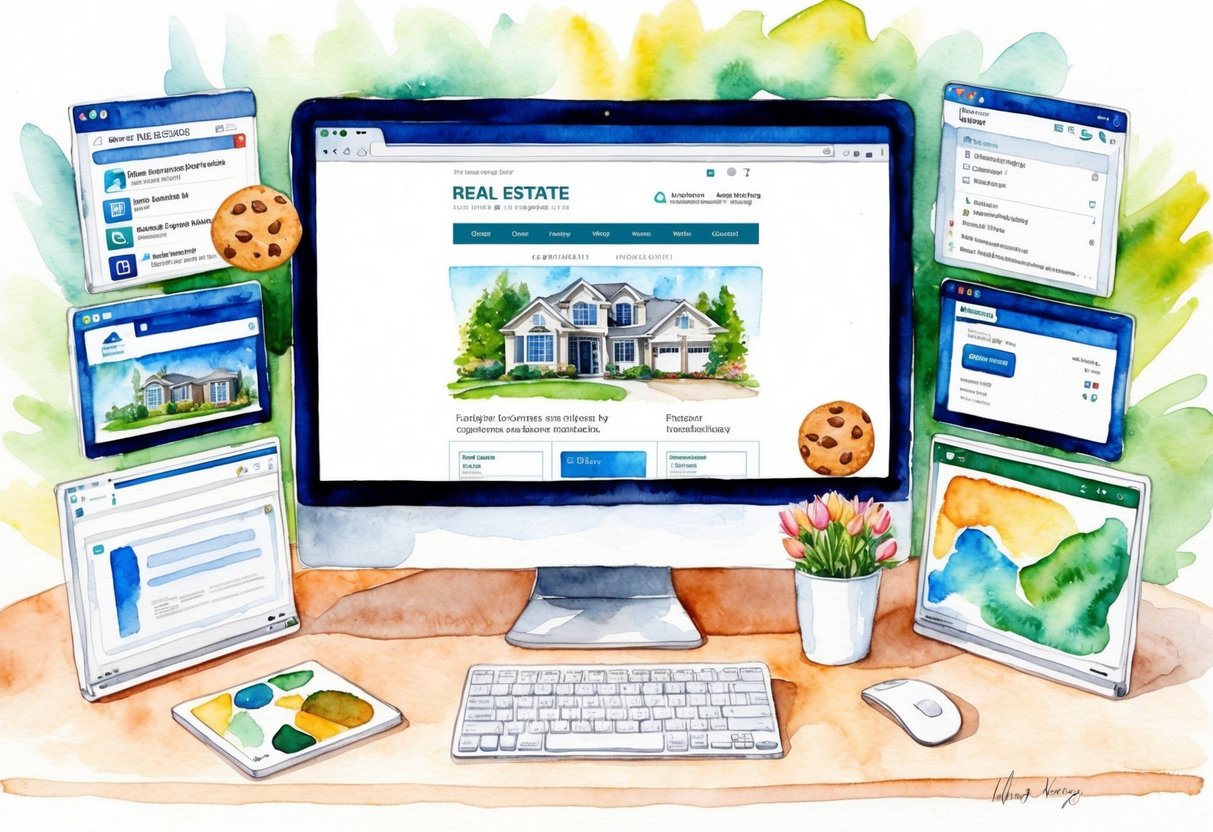
These days, I really have to pay attention to how my online data gets handled. Understanding cookies and privacy laws actually protects my reputation and helps me steer clear of costly missteps.
Importance of Cookie Consent
Whenever I hit a real estate website, there’s usually a cookie consent pop-up. Why’s that matter?
Cookies track what I do, help tailor property suggestions, and remember my preferences. If I don’t handle cookie consent right, I might break privacy laws or lose the trust of people I want to work with.
Most real estate investors don’t want surprise legal headaches or to scare off clients with sketchy privacy practices.
Here’s what solid cookie consent looks like:
- Clear Notification: Users need to know cookies are in play.
- Active Choice: Let folks accept or reject non-essential cookies.
- Documentation: The website should log what users decide.
If you want a deeper dive into cookies in real estate marketing, check out this article: understanding cookies in real estate marketing.
Data Privacy Regulations Impacting Real Estate Websites
Real estate websites handle a lot of sensitive info—think financial details and personal data. That means I’m on the hook for following some pretty strict rules.
Laws like the General Data Protection Regulation (GDPR) and the California Consumer Privacy Act (CCPA) don’t really care where I live or work. If I collect data from folks in those regions, even from Spokane, Washington, I’m still responsible.
Key steps for compliance:
- I need to keep my privacy policy fresh and simple.
- Users should always have access to their own data.
- There has to be a way for people to delete their info if they want out.
Ignoring these rules can lead to big fines and lawsuits. And honestly, being upfront about how I use data just feels right—it helps build trust with clients, which is what keeps business going.