
South Bend, Indiana might not be the first place that comes to mind for real estate investing, but it’s a hidden gem with lots of potential. I’ve been keeping an eye on this market, and I’m excited to share what I’ve found.
The median home value in South Bend is only $82,500, which is much lower than the state and national averages. This means there are plenty of affordable properties to choose from.

Why am I so bullish on South Bend? Well, the city has been showing some promising signs. Home values have increased by 24.4% over the last year, according to recent data. That’s a significant jump!
Plus, the inventory of homes for sale is down, which could mean more competition for buyers and potentially higher prices in the future.
Are you looking for a way to diversify your investment portfolio? South Bend real estate might be just the ticket. With a mix of single-family homes, multi-unit properties, and even some completely restored houses, there’s something for every investor’s taste and budget.
And let’s not forget about the 14,388 property investment opportunities currently available in the area.
Why Invest in South Bend Real Estate?

South Bend offers unique opportunities for savvy investors. The city’s economic indicators, population trends, and quality of life make it an attractive market for real estate.
Economic Indicators
Have you considered the economic potential of South Bend? The city’s economy is on an upswing. The unemployment rate has been dropping, showing a healthier job market. This means more people with stable incomes looking for homes.
I’ve noticed that income levels are rising too. When people earn more, they can afford better housing. This drives up property values and rental rates. It’s a win-win for investors.
South Bend’s diverse economy is another plus. It’s not reliant on just one industry. This stability can help protect your investment during economic downturns.
Population Growth and Demographics
Are you aware of South Bend’s growing population? The city has seen steady growth over the past decade. More people mean more demand for housing. It’s simple supply and demand.
I’m particularly excited about the influx of young professionals. They’re often looking for quality rentals before buying. This creates opportunities for both rental properties and future home sales.
The city’s universities, including Notre Dame, bring a constant stream of students and faculty. This creates a reliable tenant pool for investors focused on rental properties.
Quality of Life and Neighborhood Appeal
Why do people choose to live in South Bend? The answer lies in its quality of life. The city offers a perfect blend of urban amenities and small-town charm.
I’ve seen firsthand how certain neighborhoods are becoming hotspots. Areas like Near Northwest and Northeast are seeing rapid development. Getting in early on these up-and-coming areas could mean significant returns.
South Bend’s affordability is a major draw. People priced out of larger cities find they can enjoy a high quality of life here. This makes the city attractive to a wide range of potential buyers and renters.
Understanding the South Bend Housing Market
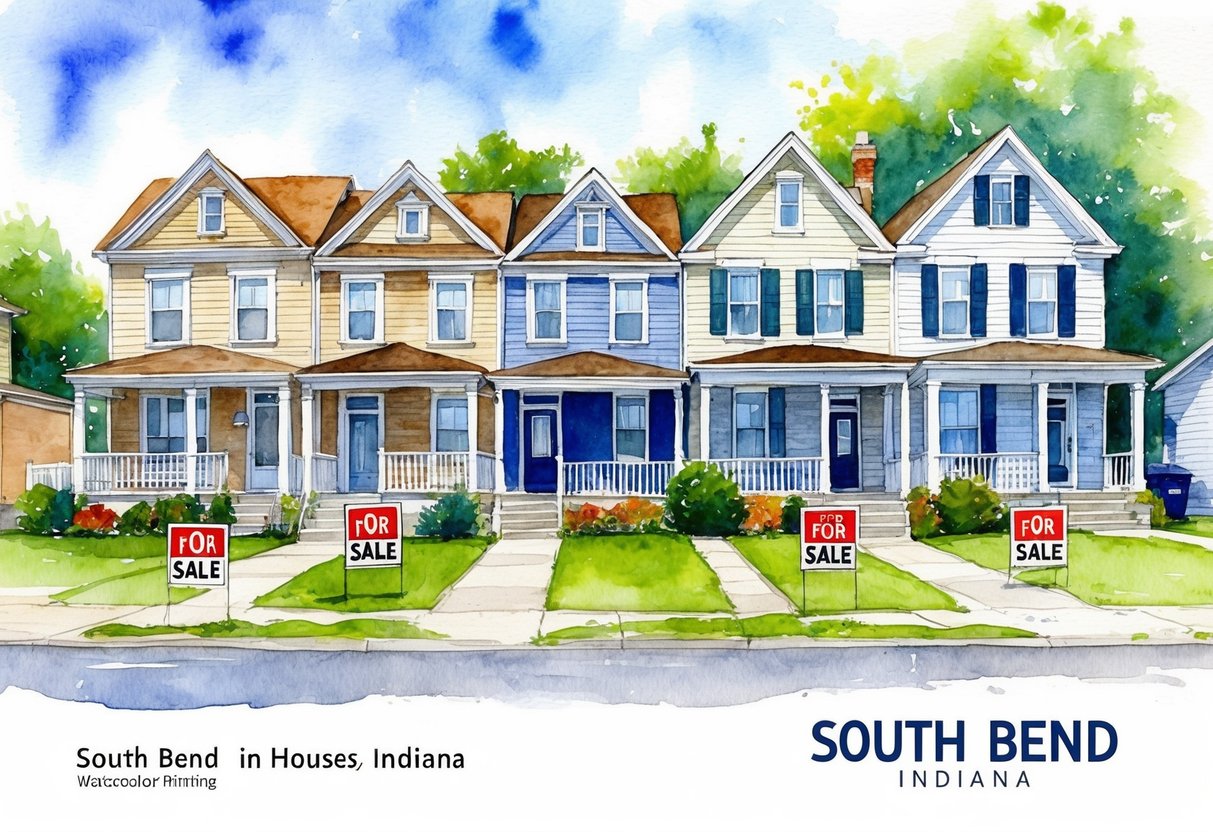
The South Bend housing market offers interesting opportunities for savvy investors. Let’s explore the current trends and price points that make this market worth considering.
Market Trends
South Bend’s real estate market is showing signs of growth. Home values have increased by 6.9% over the past year, indicating a healthy appreciation rate. This uptick is good news for investors looking for potential returns.
What’s driving this growth? It could be the improving local economy and job market. These factors often lead to increased housing demand.
But here’s the kicker - the inventory of homes for sale is down. This scarcity can push prices up further, creating a seller’s market. As an investor, this could mean higher selling prices if you decide to flip properties.
Price Points and Housing Stock
South Bend offers some attractive price points for investors. The median home price in South Bend is $175,000, which is lower than many other markets. This lower entry point could mean a chance for higher returns.
What types of properties can you find? South Bend has a mix of single-family homes, multi-family units, and even some historic properties. This variety gives investors options to suit different strategies.
Here’s an interesting tidbit - homes in South Bend are selling after an average of 20 days on the market. That’s longer than last year, but still indicates a fairly active market. As an investor, this gives you a bit more time to make decisions, but you can’t dawdle.
Investment Opportunities in South Bend
South Bend offers exciting prospects for savvy real estate investors. The city’s diverse markets and growing neighborhoods present chances to build wealth through property investments.
Residential Real Estate
Have you considered the potential of South Bend’s housing market? I’ve seen firsthand how this city can reward smart investors. Single-family homes here offer solid returns, with median sales prices increasing by almost 21% in recent years.
The demand for rentals is strong, especially near universities and growing job centers. I’ve found success focusing on properties that appeal to students and young professionals. Multi-family units and renovated older homes can generate steady cash flow.
Don’t overlook the power of fixing and flipping in South Bend. With a bit of vision and elbow grease, undervalued properties in up-and-coming areas can yield impressive profits.
Commercial Real Estate
Why limit yourself to residential investments? Commercial real estate in South Bend can be a goldmine if you know where to look. Office spaces near downtown and retail locations in high-traffic areas have caught my eye.
The city’s push for economic development has created opportunities in industrial and warehouse properties. These can provide stable, long-term income streams.
I’ve noticed a growing demand for mixed-use developments, especially in revitalized neighborhoods like Howard Park. These projects combine retail, office, and residential spaces, offering diverse income sources under one roof.
Emerging Neighborhoods
Want to get in on the ground floor of the next hot area? Keep your eye on South Bend’s emerging neighborhoods. Areas undergoing revitalization often offer the best potential for appreciation.
The East Bank and River Park neighborhoods are showing promising signs of growth. I’ve seen property values climb as new businesses and amenities attract residents.
Don’t overlook the potential of older, established neighborhoods. With some strategic improvements, properties in these areas can see significant value increases. The key is to spot the signs of upcoming development before prices start to rise.
Strategies for Building a Real Estate Portfolio
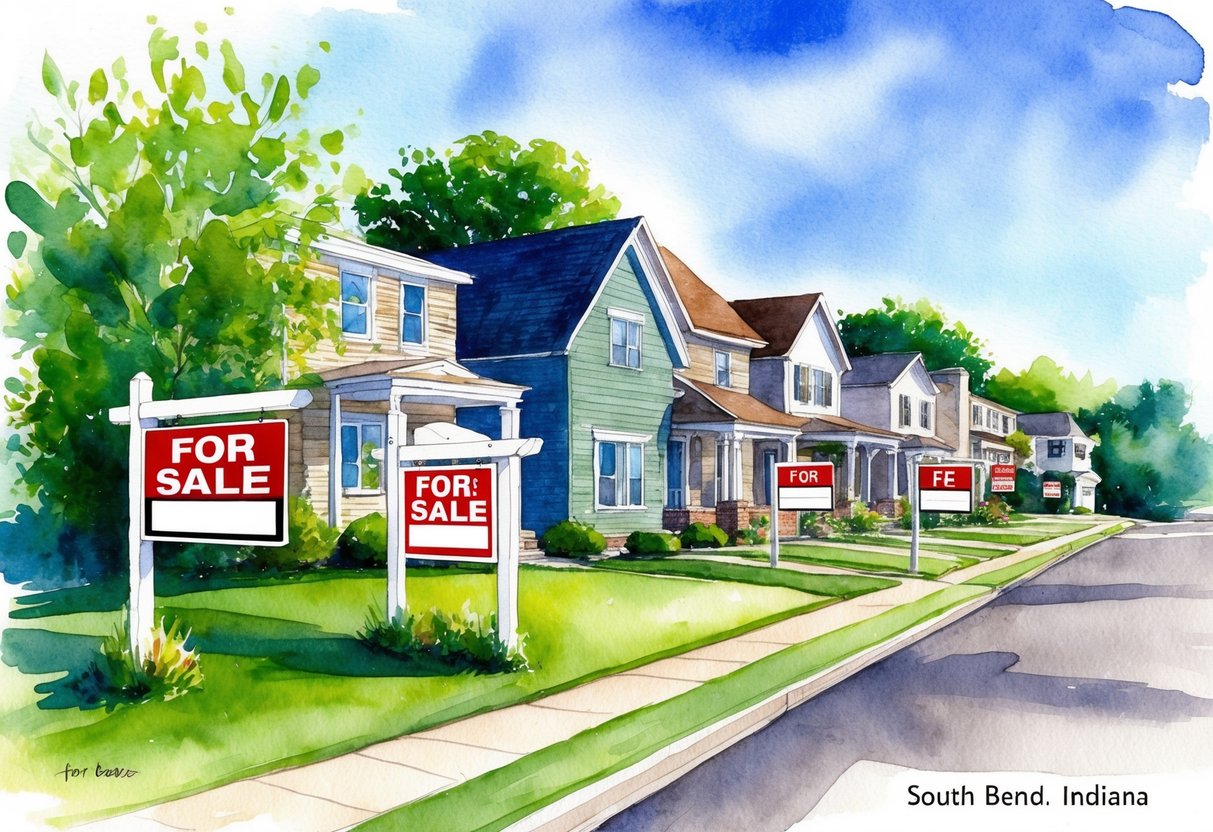
Want to grow your wealth through real estate? I’ve got some proven strategies to help you build a profitable portfolio. Let’s explore three powerful approaches that can set you on the path to financial freedom.
Long-term Rentals
Long-term rentals are the bread and butter of real estate investing. They provide steady cash flow and potential appreciation over time. I always tell my students to look for properties in growing areas like South Bend, where population increases can drive up demand and rents.
Start by researching neighborhoods with good schools and low crime rates. These factors attract quality tenants who’ll stay longer. Consider multi-family units too - they often offer better returns than single-family homes.
Remember, successful landlords treat this like a business. Screen tenants carefully, maintain your properties well, and build a team of reliable contractors. With the right approach, long-term rentals can provide passive income for years to come.
Fix-and-Flip
Fix-and-flip can be an exciting and profitable strategy. But let me warn you - it’s not for the faint of heart! This approach involves buying undervalued properties, renovating them, and selling for a profit.
The key is finding the right property at the right price. Look for homes in desirable areas that need cosmetic updates, not major structural work. I always say, “You make your money when you buy, not when you sell.”
Develop a network of real estate agents, contractors, and lenders. Time is money in this game, so you need a team that can move quickly. And don’t forget to factor in all costs - purchase price, renovations, holding costs, and selling expenses.
Diversification Across Property Types
Ever heard the saying “Don’t put all your eggs in one basket”? It applies perfectly to real estate investing. Diversifying your portfolio across different property types can help manage risk and maximize returns.
Consider mixing residential properties with commercial ones. Maybe add some vacation rentals or storage units to the mix. Each type has its own benefits and risks. Residential properties offer stability, while commercial leases can provide higher returns.
Think about different locations too. Investing in various markets can protect you from local economic downturns. And don’t forget about REITs - they’re an easy way to invest in large-scale commercial properties without the hassle of direct ownership.
Navigating Legal and Tax Considerations

When investing in South Bend real estate, I always stress the importance of understanding the legal and tax landscape. It’s not just about finding a good deal - it’s about protecting your investment and maximizing returns.
Have you considered the tax implications of your real estate ventures?
South Bend properties have a median value of $82,500, which can impact your property taxes and potential capital gains.
I recommend consulting a tax advisor to optimize your investment returns.
Legal considerations are equally crucial. Are you familiar with local zoning laws and permit requirements?
Ignoring these can lead to costly issues down the road. I’ve seen too many investors make this mistake.
Here are key legal aspects to consider:
- Property contracts
- Tenant rights and eviction laws
- Insurance requirements
- Environmental regulations
Remember, non-compliance can result in legal action. That’s why I always advise seeking guidance from a qualified real estate attorney. They can review contracts and help structure your investments in a tax-efficient manner.
What about asset protection? It’s crucial to shield your personal assets from potential lawsuits. Have you thought about forming an LLC for your real estate investments?
Role of Professional Real Estate Services

Professional real estate services can make a big difference in South Bend investing. They bring expertise and connections that can help investors succeed.
Partnering with Real Estate Agents
Working with a knowledgeable real estate agent in South Bend is key. I’ve found agents who know the local market inside and out to be invaluable partners.
They can spot promising investment properties before they hit the market. A good agent will understand an investor’s goals and budget constraints.
Agents also have access to data and tools that aren’t available to the public. This gives investors an edge in analyzing deals.
I always recommend finding an agent who specializes in investment properties. They’ll speak your language and understand your needs as an investor.
Leveraging Brokerage Services
Brokerage firms offer services beyond just buying and selling. They can help with property management, financing, and market analysis.
I’ve used brokers to find tenants, handle maintenance issues, and even structure complex deals.
Many brokers in South Bend have teams dedicated to investors. These teams often include specialists in various areas of real estate investing.
They can provide valuable insights on local trends and opportunities.
Some brokerage firms offer investor-specific tools and resources. These might include property valuation software, cash flow calculators, or access to off-market deals.
For busy professionals, these services can save time and increase returns.