
Ever wonder if there’s a smarter way to build wealth than just relying on stocks and savings? Over the years, I’ve met plenty of people who worked hard and saved, yet still felt anxious about retirement and future expenses.
Real estate investing in Sioux Falls, SD can offer stability, cash flow, and real long-term growth for investors searching for a different path.
Sioux Falls has a growing population, stable job market, and a wide range of investment opportunities—from single-family homes to multi-unit complexes. With so many choices, it’s not surprising that local real estate is catching the eye of frustrated investors looking for better options than the usual financial advice.
If you want your money to work harder and smarter, maybe give Sioux Falls a closer look.
Key Takeaways
- Sioux Falls real estate offers steady returns and diverse investment options.
- Understanding local market trends is key to successful investing.
- Smart strategies and the right team can make investing simpler and safer.
Overview of Real Estate Investing in Sioux Falls SD
Sioux Falls keeps growing, year after year. Investors who value stability and potential have definitely noticed.
Property values here have shown consistent gains. Rental demand remains strong across different age groups and income levels.
Understanding the Sioux Falls Real Estate Market
Why do I focus on Sioux Falls? In my experience, a city’s growth potential isn’t just about numbers—it’s about patterns.
Sioux Falls has shown steady population growth, low unemployment, and a business-friendly climate. This draws families, creates jobs, and drives up demand for quality homes.
I’ve watched single-family homes, townhouses, and small multi-family buildings get snapped up faster than you’d expect for a city this size. Local government policies keep property taxes reasonable, which helps returns.
Low crime rates and good schools attract families. The job market draws in young professionals.
Sioux Falls real estate sits at the crossroads of affordability and demand. Rental properties here can offer reliable cash flow.
Properties that are priced right and well maintained don’t stay vacant for long.
Key Investment Opportunities in South Dakota
When I look at South Dakota, two places stand out: Sioux Falls and Rapid City. Sioux Falls consistently ranks as one of the best places to buy rental property in the state.
Why? It’s a mix of strong rental markets, high employment, and local support for both new and experienced investors.
Single-family rentals work well for families. If you want less direct management, multi-family properties like duplexes or triplexes can spread risk and boost your monthly income.
I also watch for undervalued homes and distressed properties, where smart updates can yield above-average returns—a strategy some property investors recommend in Sioux Falls.
If you’re searching for predictable appreciation, lower barriers to entry, and room for creative investment, Sioux Falls, SD, makes the shortlist every time.
Types of Real Estate Investments in Sioux Falls
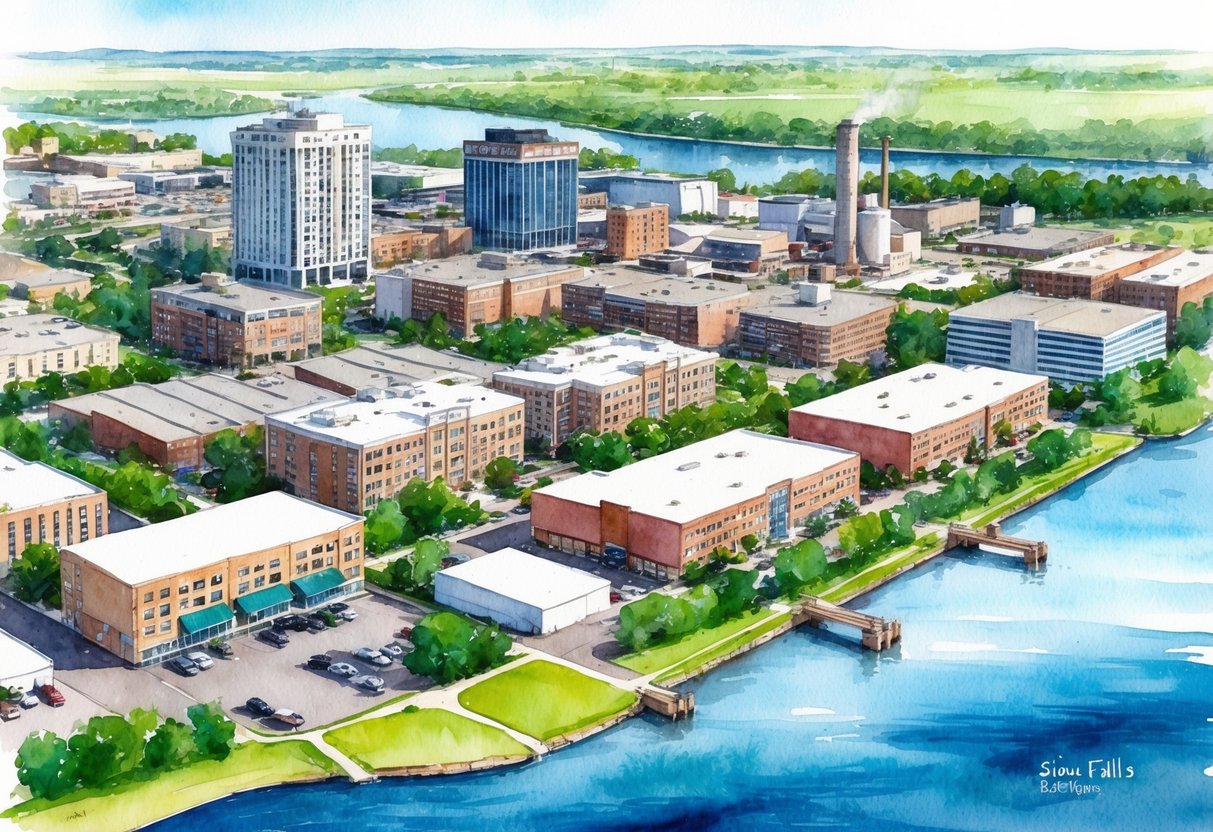
Sioux Falls offers investment opportunities for different goals and comfort levels. Each option brings a unique set of risks and rewards, giving you ways to build real wealth outside the stock market rollercoaster.
Residential Properties
When I think about residential real estate in Sioux Falls, I see single-family homes, townhouses, and condos. These are the foundation for many investors because of the steady demand from families and individuals moving to the area.
Rental homes here often provide regular monthly income. The market usually has low vacancy rates, which reduces risk.
Residential property is easy to understand—everyone knows what it means to own a house. Some investors buy, upgrade, and sell homes for a profit, while others hold and rent.
Residential units often require less upfront capital compared to commercial buildings. Modern homes with updated features attract long-term renters, which adds stability to cash flow.
For those just starting, it’s often the most accessible and flexible route into Sioux Falls real estate.
Commercial Properties
Commercial properties in Sioux Falls include office buildings, retail stores, and warehouses. Ever notice how some investors get strong returns by thinking beyond houses?
That’s what commercial real estate can offer. I see this as a path for the more experienced or ambitious investor.
Commercial tenants are often businesses with long-term leases, so income can be more predictable—if the tenants are solid. Properties range from small strip malls to bigger office parks.
A big benefit is that commercial investments typically deliver higher cash flow. As the local economy grows, they can appreciate in value too.
They do require more oversight, maintenance, and a bigger financial commitment upfront. Market changes or business closures may also lead to longer vacancies.
Careful research and local partnerships matter for this strategy.
Multi-Family Units
Multi-family units cover anything from duplexes up to large apartment complexes. Why do I pay close attention to this type of investment?
Because owning properties with several tenants can multiply income streams and reduce dependence on just one renter.
In Sioux Falls, the demand for rental housing has stayed strong, so these properties really appeal to me. Multi-family investments help balance out risk, since losing one tenant hurts less than in a single-family home.
Larger buildings may qualify for professional property management, which means fewer daily headaches. Cash flow is typically higher than with single-family homes.
Scaling up is possible because lending institutions often look favorably on multi-family loans, thanks to consistent occupancy. That’s one reason investors who want to grow their real estate portfolio often consider multi-family properties in Sioux Falls.
Analyzing Sioux Falls Real Estate Market Trends
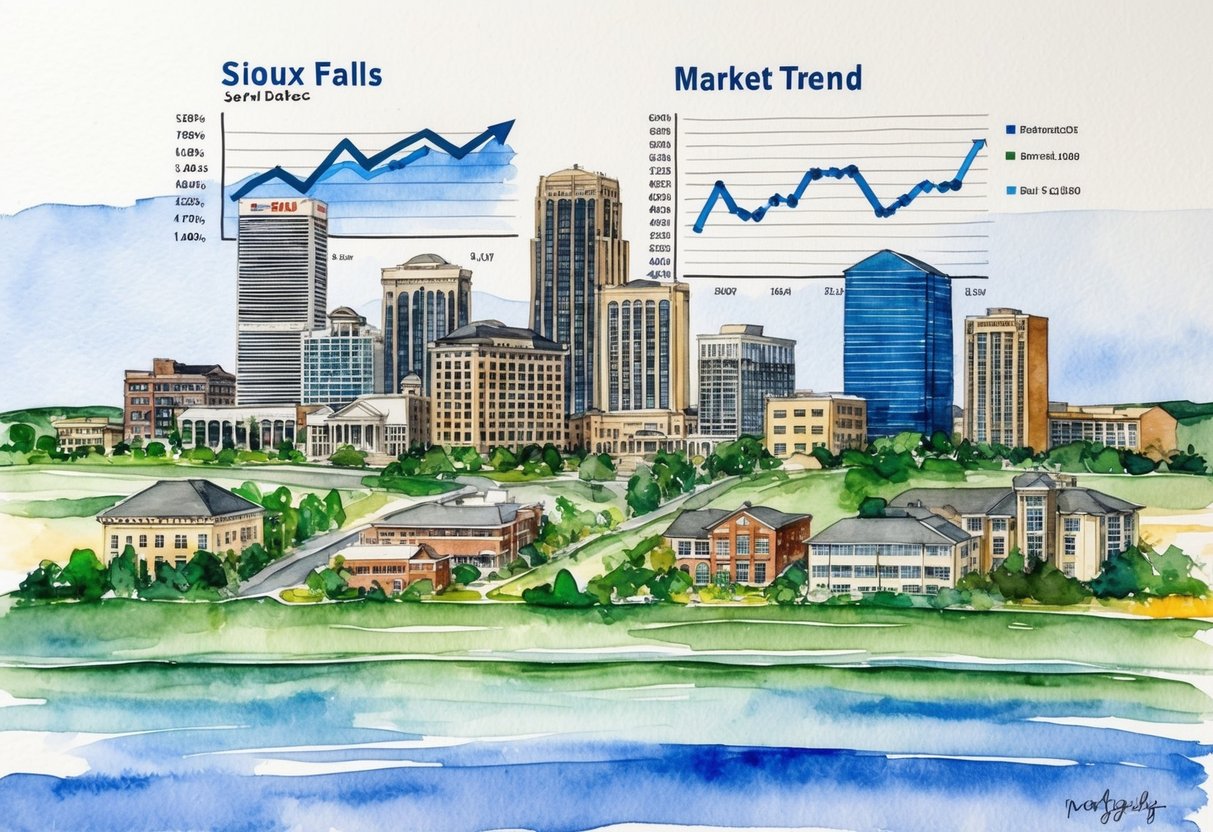
Sioux Falls stands out for its steady growth and balanced pace. This city keeps opportunity within reach, without the chaos of overheated coastal markets.
Housing Demand and Population Growth
Demand is the heartbeat of any real estate market. In Sioux Falls, population growth has been steady for years.
People move here for jobs, better schools, and a quality of life that just feels more manageable. What does that mean for me? More renters and buyers keep entering the market, creating a reliable stream of demand.
Affordable housing is important, too. While Sioux Falls isn’t immune from price increases, it still offers options that cost less than in many larger cities.
This draws in families and young professionals looking to escape high costs elsewhere. New home listings increased by 14% in the last year, but sales slowed a bit.
This means more choice for buyers, but still enough healthy demand to keep the market stable. For anyone tired of hearing “it’s too late” in other markets, Sioux Falls still feels like a place where you don’t have to be first or fastest to win.
Current Price Trends
Prices in Sioux Falls are moving up, but not in wild swings. In February 2025, the median home price hit $314,000.
That’s about 6.7% higher than the year before. Some sources suggest even higher medians near $325,000, underlining this upward trend.
Rents have also ticked up, now averaging around $1,177 per month—a 2.6% rise from last year. Homes are selling faster, often moving soon after being listed.
While this isn’t great for bargain hunters, it does provide predictability if I’m investing for the long haul. Compared to big metro areas, these price increases are moderate.
Sioux Falls still provides an environment where both homeowners and investors can find value. For those worried about affordability, it’s not too late to enter or expand in this market.
If you’re tired of betting on stocks or bonds, the numbers I’m seeing in Sioux Falls real estate just make sense. Check out Redfin’s house prices and trends in Sioux Falls and BiggerPockets’ Sioux Falls market analysis for more details.
Benefits of Investing in Sioux Falls Real Estate

Sioux Falls stands out with its mix of rising rents, low vacancies, and a business-friendly economy. Compared to many other cities, I can tap into opportunities here without facing constant uncertainty or sky-high competition.
Strong Rental Market
When I look at Sioux Falls, I see a rental market that actually works for investors. The city’s population keeps growing, and people need places to live.
This creates a steady demand for rental housing. According to local trends, vacancy rates are low—units get filled quickly.
Rental homes generate steady income streams because tenants compete for limited options. As home prices go up, many families decide to rent instead of buy, and that trend hasn’t slowed down.
For me, this means I might get higher rental yields on properties I own. It’s not just about the number of renters but also about rental income growth.
Rents have steadily increased, which gives me more confidence as an investor. Investors benefit from low vacancy rates and rising rental income, making cash flow more reliable and predictable for anyone holding rental properties in Sioux Falls.
Job Growth and Economic Stability
Where do jobs fit into real estate returns? It’s simple: a strong local economy keeps people employed and attracts newcomers, which helps keep the housing market stable.
Sioux Falls stands out because it promotes business-friendly policies and incentives designed to boost innovation and attract new companies. For me, a stable job market means fewer surprises.
Major employers in healthcare, finance, and manufacturing all call Sioux Falls home. This diversity helps cushion against economic downturns and keeps the market less risky.
A growing job market also leads to higher demand for housing—both from renters and buyers—which leads to further home price appreciation. This reliable economic base is one reason I find Sioux Falls such a compelling investment destination.
Investors see returns not just from rent, but from long-term property value growth thanks to ongoing job creation and steady influxes of new residents. For more on Sioux Falls’ business-friendly landscape, see their growing investment opportunities.
Financing Investment Properties in Sioux Falls
When I invest in Sioux Falls real estate, I keep my eyes peeled for strong financing options. Reliable lenders can be just as important as the property itself.
Focusing on the right funding sources and understanding local lending is essential. Sometimes it feels like the financing puzzle is just as tricky as finding the right house.
Traditional Mortgage Options
Traditional mortgages are usually my starting point. Most banks and credit unions in South Dakota offer these loans for investment properties, but they’ll want a bigger down payment—think 20-25%.
Why do lenders ask for more? Investment properties come with extra risk, plain and simple. Interest rates for investors are higher, too.
I always try to keep my credit score healthy to snag the best rate. Banks also want proof of steady income and some cash reserves before they’ll fund a new project.
Many investors wonder about loan types. Conventional loans are common, but portfolio loans—loans that stay with the lender—can be a good fit, depending on how many properties I already own.
Local Lenders and Financial Resources
Working with local lenders gives me a real advantage. Lenders based in Sioux Falls know the market and tend to treat me like a partner, not just another number.
Groups like Griffin Funding specialize in investment property loans for South Dakota, with options for both first-timers and seasoned buyers. Private real estate investment firms such as Ernst Capital Group connect investors with local projects and often have more flexible criteria.
Other resources include local financial advisors and wealth management services. I use them to help me structure deals and qualify for the right mortgage, squeezing every dollar for what it’s worth.
Finding the Right Real Estate Brokerage

Landing the right real estate brokerage can make or break a deal. Connections and local expertise matter just as much as crunching the numbers.
Choosing a Broker with Local Expertise
I never underestimate the value of a broker who really knows Sioux Falls. Why settle for guesswork when you can get real insight into neighborhoods, rental demand, and hidden risks?
Local knowledge gets me access to off-market properties and the inside scoop on which areas are heating up. A broker with true Sioux Falls expertise won’t just show me listings—they’ll help me understand zoning changes, school districts, and city plans that could affect my investment.
Many claim they know the area, but only a few have a genuine track record. If I’m searching for someone who understands investment deals (not just home sales), I use tools like the BiggerPockets Agent Finder for Sioux Falls.
O’Hara Realty and Other Leading Agencies
O’Hara Realty stands out in Sioux Falls because of its experience and reputation. I’ve noticed they work with both first-time investors and buyers who expect more than basic service.
Their agents often know the stories behind each property and can flag details that might trip me up later. Other agencies, like Hegg Realtors and the Tyler Goff Group, have strong local ties too.
What sets these agencies apart is their access to local listings and a real commitment to supporting investors. I weigh agencies based on responsiveness, the support staff, and the referrals I hear from other investors.
Picking the right agency means I’m not just buying property. I’m getting an ally who values the same goals I do.
Legal and Regulatory Considerations

Owning investment property in Sioux Falls demands more than just cash and strategy. I need to pay attention to the laws, taxes, and rules that shape my business.
Ignoring these details can mean unexpected costs—or worse, legal trouble. Staying on top of the basics is just part of the game.
Landlord-Tenant Laws in South Dakota
Before I even think about being a landlord in Sioux Falls, I have to understand South Dakota’s landlord-tenant rules. These laws lay out what I can and can’t do, including security deposit limits, rules about entry, and the eviction process.
For example, in South Dakota, the law limits how much I can charge for a security deposit. I can’t just pick any number; I have to follow state guidelines.
When it comes to evictions, I need valid reasons like nonpayment or lease violations. If I mess this up, I might face delays or fines.
The South Dakota Real Estate Commission outlines these laws and enforces ethical standards. Knowing my rights and duties helps me avoid problems with tenants or regulators.
If I’m unsure, I check South Dakota real estate rules straight from official sites.
Permits, Zoning, and Property Taxes
Can I make changes to my investment property or add more units? Not unless I’m in the right zone and have the permits.
Zoning rules in Sioux Falls control how properties are used—residential, commercial, or something else. If I ignore this, I risk code violations or being forced to undo changes.
Permits are needed for most renovations, even small ones like new decks or fences. Skipping this step can lead to fines and delays, and honestly, it’s just not worth it.
Property taxes are another key detail. Sioux Falls has its own rates and deadlines, which affect my bottom line.
Missing a tax payment or misunderstanding tax laws can put my ownership at risk. I keep a close eye on my tax obligations using info from the South Dakota Real Estate Commission and city property tax guides.
Reviewing these basics on investing in Sioux Falls real estate keeps my investments compliant and profitable.
Tips for New Investors in Sioux Falls
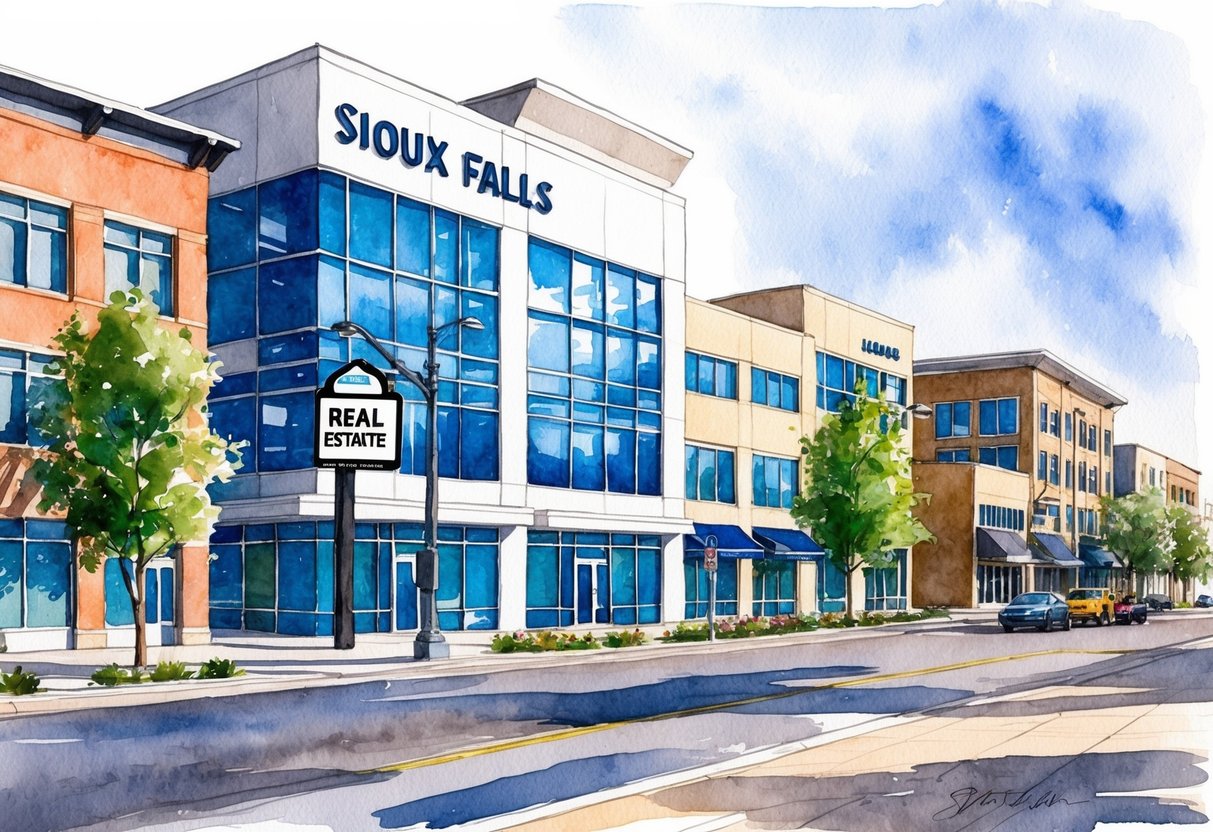
Having the right strategy and team makes all the difference in Sioux Falls real estate. Experience is important, but knowing how to spot common mistakes can protect my investments and help me grow wealth over time.
Building Your Investment Team
I know even the best property owners can’t do it all alone. I look for key people who fill the gaps in my knowledge and skills.
A solid team often includes:
- Real estate agent: Finds investment properties with the right price and location.
- Mortgage broker: Helps me secure financing with good terms.
- Property manager: Handles renters, maintenance, and day-to-day details.
- Contractor: Assesses repairs and fixes issues quickly.
- Accountant: Keeps my finances in shape and makes sure I take advantage of tax breaks.
Before hiring, I always interview each professional. I want people who understand real estate investing in Sioux Falls, not just homeownership.
The right team helps me avoid expensive mistakes and speeds up my learning curve. A trustworthy team makes investing feel less stressful and, honestly, way more profitable.
Find more on building a team at Things to Know Before Investing in Real Estate in Sioux Falls, SD from expressrpm.com.
Avoiding Common Pitfalls
Jumping into investing without a plan? That’s just asking for trouble. I always set realistic expectations—nobody’s getting rich overnight from real estate in Sioux Falls.
Patience is key here. I make sure I’ve got enough savings to handle repairs or those months when tenants are nowhere to be found.
Some common mistakes I try to dodge:
- Not digging into neighborhoods or checking out local market trends
- Skipping property inspections (tempting, but never worth it)
- Overestimating rent or thinking costs will magically stay low
- Trying to manage everything myself, with zero help
I do my homework before jumping in. Responsible property owners actually take the time to learn city rules, chat with other investors, and have backup plans ready if things go sideways.
For more detailed strategies, check out 8 Tips for Successful Property Investing in Sioux Falls from luke.properties.