
Salem, Oregon is a hidden gem for real estate investors. I’ve seen firsthand how this charming city offers unique opportunities for those looking to grow their wealth through property.
The Salem real estate market features a mix of single-family homes, historic properties, and commercial developments, providing various investment options to suit different strategies and goals.

Have you ever wondered why some investors consistently outperform others? It’s often because they recognize potential in overlooked markets. Salem fits this bill perfectly.
With its strategic location, ongoing urban development projects, and high quality of life, it’s poised for growth. But here’s the kicker - many investors haven’t caught on yet, creating a window of opportunity for savvy individuals like you and me.
I’ve found that Salem’s Investment Property Marketplace can be a game-changer for finding off-market deals. It’s like having a secret weapon in your investing arsenal.
Are you ready to tap into this potential goldmine? Let’s explore how you can make Salem’s real estate market work for you.
Key Takeaways
- Salem offers diverse investment properties to fit various strategies
- The city’s ongoing development and high quality of life drive market growth
- Utilizing local resources and off-market deals can give investors an edge
Understanding the Salem Real Estate Market
Salem’s real estate market offers unique opportunities for investors. The city’s growing economy and strategic location make it an attractive option for those looking to expand their portfolios.
Market Trends and Dynamics
Salem’s housing market is showing signs of steady growth. The median home value in Salem is $430,743, up 1.4% over the past year. This increase suggests a stable market with potential for appreciation.
I’ve noticed that Salem’s real estate landscape is diverse. It includes a mix of single-family homes, historic properties, and commercial developments. This variety gives investors like us multiple entry points into the market.
Urban development projects and infrastructure improvements are ongoing in Salem. These efforts are enhancing the city’s appeal. As savvy investors, we should keep an eye on these developments. They could lead to increased property values in the future.
Salem vs. Southwest Washington
When I compare Salem to Southwest Washington, I see distinct advantages. Salem’s median home price of $435,000 is competitive for the region. This price point could attract buyers priced out of larger markets like Portland.
Salem’s strategic location is a key selling point. It’s close enough to major cities for commuting, but far enough to offer a quieter lifestyle. This balance can be attractive to potential renters or buyers.
Have you considered the cultural attractions in Salem? The city’s rich history and amenities contribute to a high quality of life. This factor can drive demand for both residential and commercial properties.
Investment Opportunities in Salem
I see several promising investment opportunities in Salem. The city’s diverse housing stock allows for various strategies. You could focus on single-family homes for long-term rentals or look into multi-unit properties for higher cash flow.
Salem’s growing real estate market provides opportunities for both new and experienced investors. Have you thought about fix-and-flip projects? The city’s older homes could be prime candidates for renovation and resale.
Commercial real estate in Salem is another avenue to explore. With ongoing urban development, there might be opportunities in retail spaces or office buildings. Remember, diversification is key in building a robust investment portfolio.
Types of Investment Properties in Salem
Salem offers a variety of real estate investment options. I’ve seen firsthand how different property types can build wealth. Let’s explore the main categories you can consider for your portfolio.
Single-Family Homes
Single-family homes are a staple in Salem’s investment property marketplace. These properties are often easier to manage and attract long-term tenants. I’ve found they appreciate well over time.
Salem’s neighborhoods offer diverse options. You’ll find starter homes perfect for young families and larger houses in upscale areas. The key is location. Look for homes near good schools and amenities.
Maintenance costs are usually lower than multi-family units. You’ll deal with one set of utilities and one roof. This simplifies budgeting and repairs.
Financing single-family homes is often easier too. Banks view them as less risky. This can mean better loan terms for you.
Multi-Family Units
Multi-family units in Salem can boost your cash flow. These properties house multiple tenants under one roof. Think duplexes, triplexes, and small apartment buildings.
The math is simple. More units mean more rent payments. Your income potential goes up. But so does your responsibility. You’ll manage more tenants and maintenance issues.
Salem has a mix of older and newer multi-family properties. Older buildings might need updates but can be bought at lower prices. Newer units often command higher rents but cost more upfront.
Consider the economies of scale. One roof repair covers multiple rental incomes. The same goes for landscaping and some utilities.
Commercial Real Estate
Commercial real estate in Salem offers unique opportunities. This category includes office buildings, retail spaces, and industrial properties.
Salem’s growing economy means demand for business spaces. I’ve seen investors do well with small office buildings and retail strips. The key is understanding business needs in different areas.
Leases for commercial properties are often longer than residential ones. This can mean more stable income. But vacancies can also last longer. You need a financial cushion.
Look for properties in areas with good foot traffic or easy access. Think about parking needs too. A great building with no parking can struggle to attract tenants.
Short-Term Rentals
Short-term rentals are gaining popularity in Salem. These properties cater to tourists, business travelers, and temporary residents.
Salem’s historic attractions and events draw visitors year-round. This creates demand for short-term stays. Properties near downtown or major venues can do well.
The income potential can be higher than long-term rentals. But it’s more work. You’ll need to handle frequent turnovers and marketing.
Consider the costs of furnishing and maintaining these properties. You’ll also need to stay on top of local regulations. Some areas have restrictions on short-term rentals.
Technology platforms make management easier. But you’ll still need a hands-on approach or a good property manager.
Financing Your Salem Investments

Getting the money to invest in Salem real estate can be tricky. I’ve found some smart ways to make it work, even if you don’t have perfect credit or tons of cash. Let’s look at your options.
Traditional Mortgage Options
For many Salem investors, a regular mortgage is still the way to go. Banks and credit unions offer investment property loans with decent rates if you have good credit. I always tell folks to shop around - you might be surprised at the differences.
But here’s the catch: these lenders often want a big down payment, sometimes 20-30%. And they’ll check your income closely. If you’re already juggling a few mortgages, they might say no to another.
Don’t get discouraged if one bank turns you down. I’ve seen investors try several before finding the right fit. Remember, persistence pays off in real estate.
Creative Financing Strategies
When banks say no, it’s time to get creative. I’ve used these methods myself with great success.
One option is self-financing. This means tapping into your own resources, like a home equity line of credit or even your 401(k).
Another strategy is partnering up. Find someone with cash who’s looking to invest. You bring the know-how, they bring the money. It’s a win-win.
Have you considered seller financing? Sometimes property owners will act as the bank. This can be great for fixer-uppers that traditional lenders won’t touch.
Private money lenders are another route. They often move faster than banks and are more flexible with terms. Just be prepared for higher interest rates.
Impact of Foreclosure and Bankruptcy
Let’s talk about the elephant in the room: foreclosures and bankruptcies. They can throw a wrench in your investing plans, but they’re not the end of the road.
After a foreclosure, you’ll usually need to wait 3-7 years before qualifying for a new mortgage. Bankruptcy? That’s typically 2-4 years. But don’t just sit around waiting. Use this time to rebuild your credit and save for a bigger down payment.
I’ve seen investors bounce back stronger after these setbacks. They often come out more savvy and cautious. Some even find opportunities in the foreclosure market, turning their experience into an advantage.
Remember, lenders look at your whole financial picture. If you can show strong income and savings post-bankruptcy, you might get financing sooner than you think.
The Importance of a Local Real Estate Team

When investing in Salem’s real estate market, having a strong local team is crucial. The right professionals can make or break your success. Let’s explore why building a solid network is essential.
Working with Investor-Friendly Agents
Investor-friendly agents are worth their weight in gold. They understand our unique needs and can spot great deals before they hit the market.
These agents often have inside knowledge of off-market properties and can help negotiate better terms.
Real estate investors in Salem benefit from agents who know the local market inside and out. They can provide valuable insights on:
- Emerging neighborhoods
- Rental market trends
- Property value projections
I always ask potential agents about their experience with investors. Have they worked with fix-and-flip projects? Do they understand cash flow analysis? These questions help me find the right fit for my team.
Building Your Network
Networking is key in real estate investing. I’ve learned that successful investors don’t go it alone. They build strong relationships with:
- Other investors
- Property managers
- Contractors
- Lenders
Salem offers networking opportunities for real estate investors to connect and share knowledge. I make it a point to attend local meetups and join online forums. These connections often lead to joint ventures and valuable partnerships.
Remember, your network is your net worth in real estate. The more people you know, the more deals you’ll find. I’ve even found private money lenders through networking events.
The Role of Real Estate Attorneys
A good real estate attorney is like a shield for your investments. They protect you from legal pitfalls and ensure smooth transactions.
In Salem, local attorneys know the specific laws and regulations that affect property investors.
I always consult my attorney before closing any deal. They review contracts, handle title issues, and advise on entity formation.
This extra step has saved me from costly mistakes more than once.
Working with a local realtor is important, but having a skilled attorney is equally crucial. They can help with:
- Lease agreements
- Eviction processes
- Zoning compliance
Don’t skimp on legal advice. It’s an investment that pays off in the long run. Have you considered how much a single lawsuit could cost you? A good attorney helps you avoid those risks.
Maximizing Rental Income

Boosting rental income in Salem, OR requires smart strategies and understanding your tenants.
I’ve found that setting the right rent, meeting tenant needs, and fulfilling landlord duties are key to success.
Strategies for Setting Rent
I always start by researching the local market. In Salem, I look at similar properties to gauge competitive rates.
It’s crucial to strike a balance - too high, and you’ll struggle to find tenants; too low, and you’re leaving money on the table.
I recommend adding revenue streams where possible. Can you rent out a garage separately? Or offer furnished options for a premium?
Don’t forget to review and adjust rent annually. Small, regular increases are often more palatable to tenants than large, sudden jumps.
Here’s a quick checklist I use:
- Compare local listings
- Consider property improvements
- Factor in seasonal demand
- Analyze economic trends in Salem
Understanding Your Tenants’ Needs
What do Salem renters want? I’ve learned it’s about more than just a roof over their heads.
Safety is often top of mind. I make sure to highlight security features in my listings. Good schools nearby? That’s a huge draw for families.
I also pay attention to lifestyle amenities. Is there easy access to public transport? Are there parks or shopping centers within walking distance?
Remember, happy tenants stay longer. And long-term tenants mean stable income. I always ask for feedback and try to address concerns promptly.
The Landlord’s Responsibilities
Being a landlord isn’t just about collecting rent. It’s about providing value and maintaining your investment.
I keep my properties in top shape. Regular maintenance prevents costly repairs down the line. It also keeps tenants satisfied and willing to pay premium rates.
Here are my non-negotiables:
- Quick response to repair requests
- Regular property inspections
- Clear communication with tenants
- Staying up-to-date on local laws
Investing in good insurance is crucial. It protects my income and gives me peace of mind.
Lastly, I treat my tenants with respect. A good landlord-tenant relationship can make all the difference in maximizing rental income.
Legal Considerations in Real Estate Investment
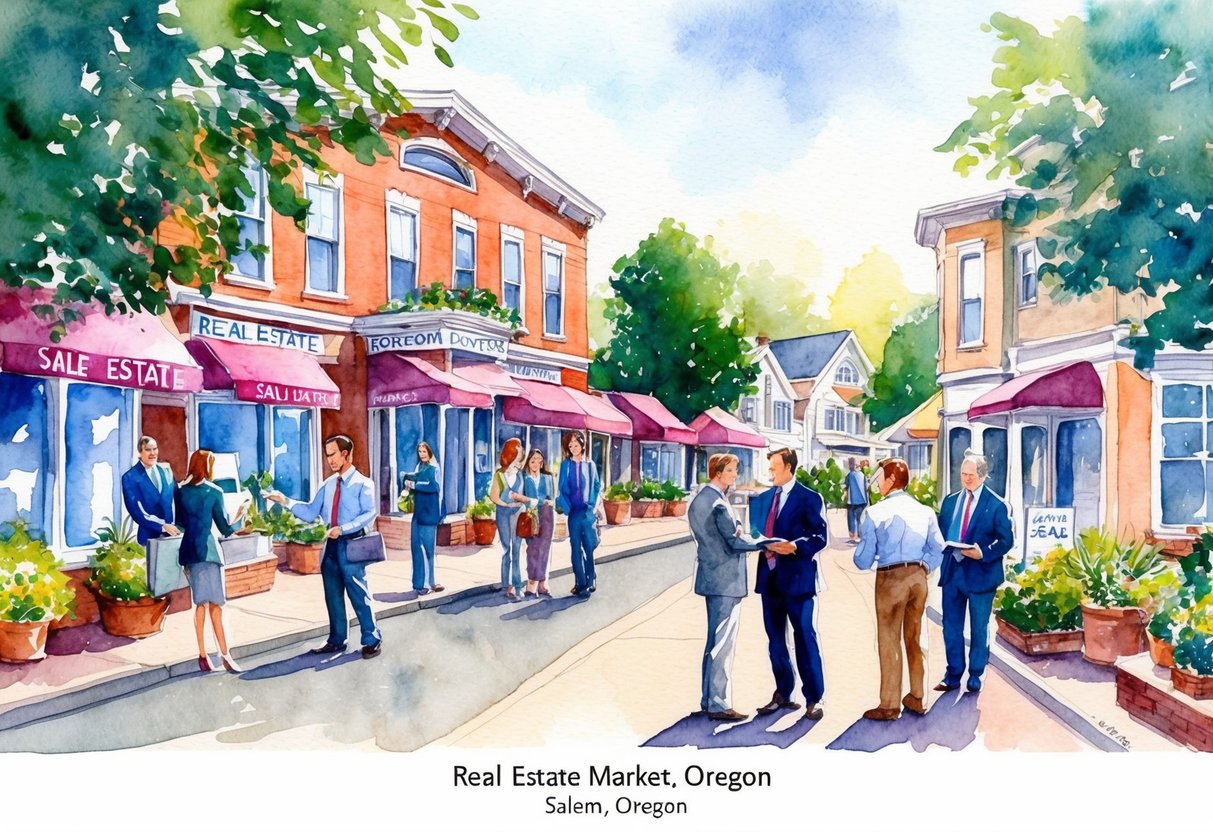
Investing in Salem’s real estate market requires understanding key legal aspects. These can make or break your investment success. Let’s explore some crucial legal considerations to keep in mind.
Navigating Foreclosure Processes
Foreclosures can be a goldmine for savvy investors, but they come with legal complexities. In Salem, the foreclosure process follows Oregon state laws. It’s crucial to understand the timeline and rights of all parties involved.
What happens if the original owner wants to reclaim the property? In Oregon, there’s a redemption period. This gives the previous owner time to pay off the debt and reclaim their home. As an investor, I need to be aware of this possibility.
I always recommend working with a local real estate attorney when dealing with foreclosures. They can help navigate the legal maze and ensure I’m not stepping on any legal landmines.
Understanding Probate Sales
Probate sales can offer great deals, but they require patience and legal know-how. When someone dies without a will, their property goes through probate court. This process can be lengthy and complicated.
In Salem, probate sales follow Oregon state laws. It’s important to understand the court’s role in these sales. They oversee the process to ensure fairness to all parties involved.
Why consider probate sales? They often come at a discount. But remember, they also come with unique challenges. I always make sure to have a clear title before proceeding with any purchase.
Zoning and Land Use Laws
Zoning regulations can significantly impact an investment property’s value and potential uses. In Salem, these laws determine what I can and can’t do with a property.
Are you planning to convert a single-family home into a multi-unit rental? Better check the zoning laws first. Some areas only allow single-family residences.
I always review Salem’s comprehensive plan before investing. This document outlines the city’s long-term development goals. It can give me insights into future changes that might affect my investment.
Remember, zoning laws can change. It’s wise to stay informed about any proposed changes in the areas where I invest. These changes could either boost or harm my property’s value.
Finding and Assessing Off-Market Properties

Off-market properties can be hidden gems for real estate investors. Let’s explore how to find these deals, assess their potential, and make winning offers.
Locating Off-Market Deals
I’ve found that networking is key to uncovering off-market properties. Have you tried reaching out to local real estate agents? They often know about listings before they hit the market. I also recommend building relationships with property managers and wholesalers.
Another strategy is to drive around neighborhoods you’re interested in. Look for signs of neglect or vacancy. These could be opportunities waiting to happen.
Don’t forget about online resources. Social media platforms like Facebook and LinkedIn can connect you with agents and wholesalers in your area. Just be prepared to offer something in return for their valuable information.
Evaluating Property Potential
Once you’ve found a potential off-market property, it’s time to assess its value. I always start by researching comparable sales in the area. This gives me a baseline for what the property might be worth after renovations.
Next, I estimate repair costs. It’s crucial to be thorough here. Have you considered bringing in a contractor for a professional opinion? Their expertise can save you from costly surprises down the road.
Don’t forget about the neighborhood’s future potential. Are there any upcoming development projects that could increase property values? This forward-thinking approach can lead to significant returns.
Making a Competitive Cash Offer
When it comes to off-market properties, speed is often crucial. That’s why I always recommend having your financing lined up in advance. Are you prepared to make a cash offer? It can give you a significant edge over other buyers.
I’ve found that sellers of off-market properties often value convenience over getting the highest possible price. Consider offering a quick closing or waiving contingencies to make your offer more attractive.
Remember, the initial offer is just the starting point. Be prepared to negotiate, but also know your limits. It’s better to walk away from a bad deal than to overpay and regret it later.
Renovating Investment Properties

Renovating investment properties in Salem, Oregon can be a great way to boost returns. I’ve found success focusing on smart upgrades that appeal to renters and buyers. Let’s look at the key areas to consider.
Estimating Renovation Costs
I always start by carefully estimating costs before diving in. In Salem, kitchen and bathroom upgrades typically give the best bang for your buck. A basic kitchen remodel might run $10,000-$20,000, while a bathroom refresh could be $5,000-$10,000.
I use this simple formula:
- Materials: 60% of budget
- Labor: 30% of budget
- Unexpected costs: 10% buffer
It’s crucial to get multiple quotes from contractors. I also recommend visiting local home improvement stores to price out materials. Thorough due diligence is key when planning renovations.
Choosing the Right Contractors
Finding reliable contractors can make or break a renovation project. I always ask for:
- Licenses and insurance
- References from past clients
- Detailed, written estimates
Don’t just go with the lowest bid. I look for contractors who communicate well and have experience with investment properties. It’s worth paying a bit more for quality work that will stand the test of time.
I also consider using a general contractor to oversee larger projects. They can manage subcontractors and keep things on schedule.
Project Management Best Practices
Staying on top of your renovation is crucial. I use these strategies:
- Create a detailed timeline with milestones
- Hold weekly check-ins with contractors
- Keep a daily log of progress and issues
- Take lots of “before” and “after” photos
I’ve learned to expect the unexpected. Building in extra time and budget for surprises has saved me many headaches.
Clear communication is vital. I make sure everyone involved knows the project goals and timeline. This helps avoid costly misunderstandings down the road.
Insurance and Risk Management
Protecting your real estate investments in Salem, Oregon requires smart insurance and risk management strategies. I’ve learned that being prepared can save you from major headaches down the road.
Types of Real Estate Insurance
When investing in Salem properties, I always make sure to have the right insurance coverage.
Property insurance is a must to protect against damage from fires, storms, or other disasters. But have you considered liability insurance?
It’s crucial for shielding you from lawsuits if someone gets hurt on your property. I also recommend landlord insurance for rental properties. It covers lost rental income if your property becomes uninhabitable.
Don’t forget about flood insurance, especially in low-lying areas near the Willamette River. Many investors overlook this, but it can be a lifesaver.
Managing Risks in Property Investment
I’ve found that risk assessment is key to protecting my Salem investments.
Start by identifying potential hazards on your properties. Are there old electrical systems? Slippery walkways?
Once you’ve spotted the risks, take action to mitigate them. This might mean upgrading outdated features or improving safety measures. Regular property inspections are a must.
I always keep detailed records of maintenance and repairs. This can be a lifesaver if you ever face a lawsuit.
Have you considered setting up an LLC for each property? It’s a smart way to limit personal liability.
Emergency Preparedness
Being ready for emergencies is crucial in Salem real estate. I always have an emergency fund set aside for unexpected repairs or vacancies.
How much do you have saved?
Create an emergency response plan for each property. This should include contact information for local contractors, plumbers, and electricians.
Make sure your tenants know what to do in case of emergencies too.
Consider installing smart home devices to detect issues early. Water leak sensors and smoke detectors connected to your phone can alert you to problems before they become disasters.
Remember, being prepared isn’t just about avoiding losses. It’s about peace of mind and protecting your financial future.
Continuing Education for Real Estate Investors

Real estate investors in Salem, Oregon have plenty of options to keep learning and growing. I’ve found that staying up-to-date is key to success in this field.
Let’s explore some great ways to expand your knowledge.
Local Seminars and Workshops
Salem offers excellent in-person learning opportunities for real estate investors. The Northwest Real Estate Investors Association holds monthly roundtable meetings in Salem.
These gatherings are perfect for networking and picking up new strategies. I’ve attended a few myself and always come away with fresh ideas.
Local real estate agencies often host workshops too. These can cover topics like market trends, financing options, and property management.
Have you considered asking your realtor about upcoming events? They’re usually in the know about these valuable learning experiences.
Online Learning Platforms
In today’s digital age, online education is a game-changer for busy investors. I’ve found countless courses that fit my schedule and learning style.
Many platforms offer real estate continuing education courses that can boost your skills from home.
These online courses cover a wide range of topics. You can learn about investment analysis, tax strategies, and even niche markets.
The best part? You can pause and rewind as needed. No pressure, no rush.
Some popular platforms include Udemy, Coursera, and BiggerPockets. Have you tried any of these?
They often have sales, making top-notch education affordable for everyone.