Are you tired of advice that says to just save, save, save? I get it—sometimes you play by the rules and still wonder if your efforts will ever really pay off.
If you’re looking for a new path, real estate investing in Rapid City, SD, could offer that opportunity to build lasting financial security.
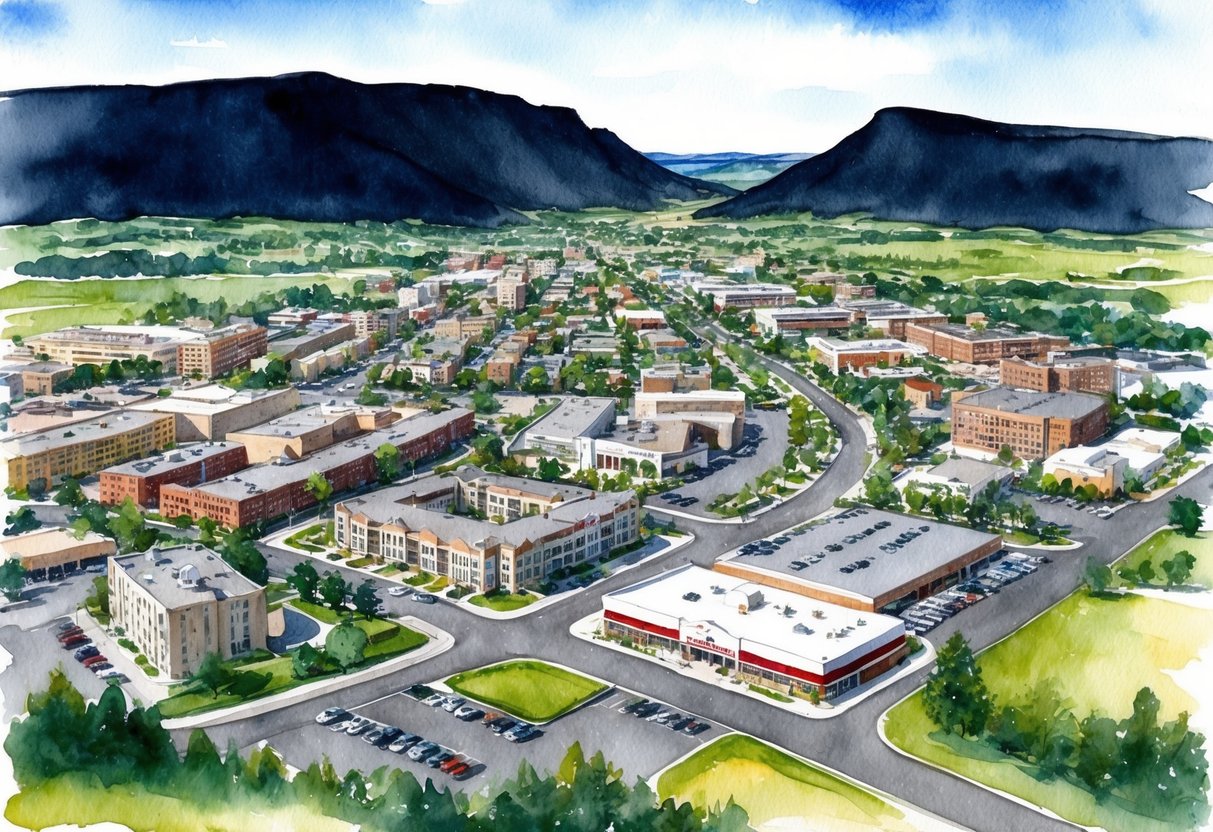
Rapid City’s real estate market feels steady, and the city’s attractions—like Mount Rushmore—plus a growing economy, keep things interesting. I’ve watched this place draw in families and renters, making it a smart spot for investment properties.
With median home prices hovering around $427,400 and certain neighborhoods in high demand, there’s room for both first-time and seasoned investors to build their portfolios. You’ll find plenty of homes on sites like Zillow.
Why let uncertainty keep you up at night? Real estate in Rapid City lets you take control and move beyond the limits of traditional investing.
Whether you want cash flow, long-term growth, or a mix of both, the right property here could change your future.
Key Takeaways
- Rapid City has a stable real estate market with strong rental potential.
- Multiple strategies can help both beginners and experts succeed.
- Knowing local rules and using the right resources makes investing easier.
Overview of Real Estate Investing in Rapid City SD
Rapid City is catching investors’ eyes for reasons beyond just affordable home prices. Tourism, a steady military presence, and strong rental demand keep the market lively.
Key Features of the Rapid City Real Estate Market
When I check out Rapid City, I notice property values are reasonable compared to other regions. The median home value is about $175,400, so you don’t have to risk everything to get started.
Affordability matters because it lets you spread investments across several properties instead of betting your future on one. Housing demand is real, and inventory moves quickly, especially near schools and major employers.
Rapid City also offers a mix of new developments and older, established homes. I can look for fixer-uppers for value-add strategies or pick turn-key properties for more passive income.
It’s a market where balancing risk and reward actually feels possible.
Types of Investments Available
There’s more to Rapid City real estate than just single-family homes. I can choose from townhouses, duplexes, small apartment complexes, and commercial properties too.
Are you after stable, long-term tenants or the hustle of short-term rentals? Rental demand stays strong, thanks to the city’s tourist draw and the needs of military families.
Long-term rentals can bring steady cash flow if you want passive income. Short-term rentals near tourist spots offer bigger returns, but they need more hands-on management.
Here’s a quick look at common property types in Rapid City:
Investment Type
Main Benefit
Single-Family Homes
Stable appreciation
Multi-Unit Buildings
Greater cash flow
Short-Term Rentals
Higher income per stay
Commercial Properties
Diversification
Economic Drivers Influencing the Market
I never invest in a vacuum. Tourism powers Rapid City—Mount Rushmore is nearby, and visitors keep coming all year.
The city also has a big military presence, bringing in a steady wave of renters and boosting the local economy. There’s ongoing population growth and new jobs in health care, manufacturing, and education.
Rapid City doesn’t depend on just one industry, which keeps things more stable. That’s a huge plus for investors like me.
Want to dig deeper? Check out this Rapid City real estate investment trends analysis.
Top Neighborhoods and Locations
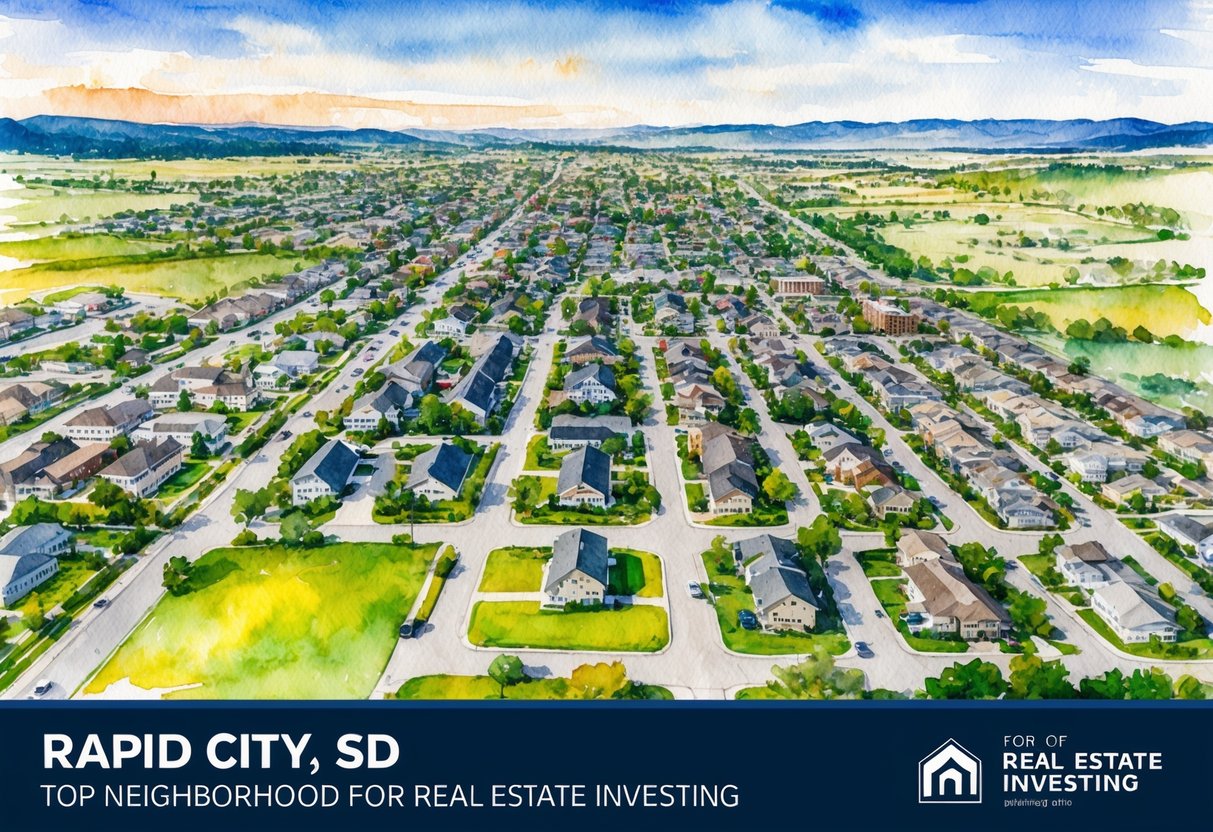
I don’t waste time. If I’m investing in Rapid City, I want to know which neighborhoods have real potential, which areas are heating up, and where commercial real estate stands a chance to beat the “buy and hold” game.
Let’s get specific—a couple city blocks can make the difference between a cash flow asset and a cash drain.
Desirable Residential Areas
When I look for places to anchor my family’s financial future, I skip the hype and hunt for stable value. Downtown Rapid City stands out since it’s close to restaurants, cultural spots, and jobs.
People want short commutes, and here, most homes are walkable to shops and offices.
West Boulevard Historic District is perfect for anyone who loves unique architecture and a strong sense of community. The tree-lined streets and character-filled homes make it a favorite.
Investors who buy early in this neighborhood often benefit from appreciation and steady rental demand.
Chapel Valley is peaceful with low traffic, but it’s still close to major employers. That mix of quiet and convenience draws in families.
Homes here are tough to find—demand often outpaces supply—so prices go up and rental returns stay solid.
Emerging Investment Hotspots
Chasing returns? I keep an eye on what’s starting to shift, not what’s already hot.
Downtown Rapid City is seeing more short-term rentals as tourists look to stay close to the action. Owners can charge higher nightly rates, especially in renovated units near Main Street.
The West Boulevard Historic District keeps attracting investors because both tourists and long-term tenants love the vibe. Restoring older homes here can really boost value, but you’ve got to know what you’re doing—cosmetic updates are one thing, structural issues are another.
If you want future growth, watch the zones near schools and hospitals. These spots attract stable renters like traveling nurses, grad students, and visiting faculty who pay a premium for short-term leases in a good location.
Commercial Real Estate Opportunities
Why leave your cash sitting in the bank when commercial real estate might offer more upside?
Downtown Rapid City’s retail and mixed-use spaces have growing demand, thanks to more dining, boutique shops, and local events. Storefronts in prime walking areas rent fast, and owning them puts you in the path of steady income as local business grows.
I also pay attention to office spaces on the west side. Companies want access to both downtown and suburban clients, and these spots usually see lower vacancy rates—especially now that hybrid work is here to stay.
Rapid City’s light industrial and warehouse properties are picking up steam too. Logistics is on the rise, and properties with good highway access attract businesses needing storage or distribution.
These properties often need less maintenance than residential, and leases tend to last longer.
Wouldn’t you rather bet on Main Street than Wall Street? For me, Rapid City’s one of the few markets where knowing the right directions—literally—can really pay off.
Check out more details at Best Real Estate Investment Opportunities in Rapid City, SD and Best Neighborhoods to Buy a Home.
Investment Strategies for Beginners and Experts
Real estate investing in Rapid City, SD can give you more control over your financial future than traditional investments. I see the city’s steady economic growth, affordable home prices, and rental demand as real reasons to look here instead of just buying more stocks.
Buy and Hold Investing
Buying and holding property means I pick up real estate—usually residential—and keep it for years as it appreciates. Rapid City home prices are still more affordable than in bigger cities, but values have climbed steadily.
This approach takes patience and a sharp eye for up-and-coming neighborhoods.
My main focus? Cash flow. I want rent payments to cover the mortgage and expenses, with a little left over every month.
That positive cash flow adds security when the market shifts.
Key Benefits:
- Steady passive income
- Tax benefits like depreciation
- Long-term wealth building
I always check local data—vacancy rates and rental demand—before I buy. Sites like HouseCashin are handy for Rapid City’s real estate trends.
Due diligence isn’t optional; the wrong location or a bad tenant can turn a solid strategy upside down.
Fix and Flip Opportunities
If you’ve got enough capital, fix and flip investing can bring faster profits. I look for undervalued properties, renovate them, and sell at a higher price.
In Rapid City, older homes in established neighborhoods often have the most potential.
Why does this work? Sometimes sellers need to unload homes quickly, and you can buy below market value.
I look for homes that need mostly cosmetic updates—not full gut jobs—to keep risks and costs in check.
What I always consider:
- Accurate rehab costs
- Realistic after-repair value
- Local demand for updated homes
Short timelines mean potentially faster returns, but there’s always risk. Construction delays, surprise repairs, or slow home sales can eat into profits.
The best flippers here work with trusted contractors and agents who know the neighborhoods.
Rental Property Investments
Owning rentals offers both cash flow and appreciation. In Rapid City, I focus on single-family homes and small multifamily units.
Population growth and nearby colleges keep rental demand strong.
How do I screen investments? The rent-to-price ratio has to make sense. BiggerPockets shows Rapid City often has favorable ratios compared to national numbers.
I use simple spreadsheets to forecast rents, expenses, and cash flow before buying.
My checklist includes:
- Reliable tenant pool
- Reasonable property taxes
- Local amenities and school quality
Property management is always on my radar, even if I plan to do it myself at first. Long-term success depends on finding responsible tenants and keeping vacancies low.
Financing Real Estate Investments
Finding the right way to fund a real estate purchase in Rapid City can feel like a puzzle. Some options are tried-and-true, while others offer speed or flexibility—if you know where to look.
Traditional Mortgage Options
When I first thought about investing in Rapid City, conventional mortgages caught my eye. Banks and credit unions offer these loans, often with lower interest rates and predictable monthly payments.
If you’re an investor, having a solid credit score and a reasonable debt-to-income ratio makes a big difference. Lenders look closely at my income, debts, and assets before making any decisions.
Down payments? For investment properties, they’re usually 20% or more. Lenders just see rentals as riskier than homes you live in yourself.
I also keep an eye out for fully amortizing loans, whether fixed or adjustable. Fixed-rate mortgages mean steady payments, which is great for long-term planning.
Adjustable-rate mortgages (ARMs) can start off with low rates, but those can jump later on. If the market shifts, higher payments could really squeeze your cash flow.
Alternative Financing Methods
Sometimes banks drag their feet or just flat-out say no. That’s when I start looking at hard money loans or private lenders for short-term deals.
These lenders care more about the property’s value than my financial history. The rates and fees are higher, but the speed and flexibility can be worth it if I need quick approval or plan to flip a property fast.
Some folks use home equity lines of credit (HELOCs) from their existing properties to fund new purchases. It’s a way to leverage past gains for the next deal.
I won’t forget seller financing, either. Sometimes, the seller lets me pay over time, which is a relief if I want to skip the banks. It can be a win-win, but you really need clear terms to avoid headaches later.
Using Local Lenders and Financial Institutions
Local know-how matters—a lot. Rapid City has banks and credit unions that really understand the market.
I can often get more flexible terms and a personal touch from local South Dakota lenders. Building relationships with community lenders sometimes gets me access to portfolio loans or investor-friendly programs.
Griffin Funding and First Western Federal Savings Bank both serve South Dakota investors.
Local institutions might move faster and offer more creative solutions than the big national banks. I always ask about loan products made just for real estate investors, not just the usual residential stuff.
Understanding Regulations and Local Policies

Every investment hinges on knowing the rules and systems shaping the local market. Before I put my money down, I need to know what the city allows, what paperwork is required, and how taxes will hit my returns.
Zoning and Land Use Laws
Zoning laws decide what I can do with a property and how its value might grow. Rapid City splits land into residential, commercial, and industrial zones.
If I buy a single-family home, I can’t just turn it into a hotel or a shop without checking the zoning code first. Local rules also control things like property size, building height, and setbacks.
A “mixed-use” zone might give me more options for rental income or redevelopment. Rapid City updates its zoning, so I always review the city’s maps and documents before buying or upgrading.
If I want to change how a property is used, I may need a variance or special permit. These go through city boards and sometimes require public hearings. I always check zoning before closing a deal—regulatory surprises can kill a great opportunity fast.
Permits and Licensing
Thinking about renovations or short-term rentals? I can’t skip permits. Rapid City enforces permits for new buildings, remodels, electrical, plumbing, and even landscaping sometimes.
Skipping a permit could mean fines or having to undo finished work. That’s a headache I don’t need.
If I plan to manage rental property for others, South Dakota requires a real estate license. Even for my own deals, some transactions might need a license.
Wholesaling real estate, for example, often gets extra scrutiny. According to the South Dakota Real Estate Commission, licensing kicks in for most activity beyond simple owner-to-owner sales.
It’s smart to get familiar with local codes and talk to city officials before closing a deal. Paperwork protects my investments—better safe than sorry.
Tax Implications for Investors
Real estate taxes can make or break my returns. In Rapid City, I pay property taxes based on assessed value, which changes each year.
Capital gains taxes might apply when I sell, depending on how long I held the property and my tax situation. South Dakota doesn’t tax personal or business income, so more of my gains stay with me. Still, I can’t ignore federal taxes or the rules for 1031 exchanges.
Using a 1031 exchange in South Dakota lets me defer capital gains if I reinvest in similar property. I also look for deductions—mortgage interest, repairs, and depreciation all help my annual returns.
Having a tax advisor who knows local and federal rules gives me a real edge. I want my properties working smarter, not just harder, come tax season.
The Role of Property Management in Rapid City
Property management can make or break your real estate investment in Rapid City, SD. The difference between a thriving investment and a total headache often comes down to who manages your rentals.
Choosing a Property Management Company
I know firsthand how important it is to have the right team watching over my assets. A good property management company handles rent collection, marketing, legal compliance, and tenant screening.
Not all companies offer the same level of service or communication. Before I hire anyone, I check reviews, ask about their experience in Rapid City, and make sure their fee structure is clear.
Some managers specialize in certain types of properties—multifamily or single-family—which matters for results. In Rapid City, it makes sense to pick a company that knows local rules, seasonal weather, and the area’s quirks.
A good property manager should feel like an extension of my investment approach, not just a third-party handler.
Managing Tenant Relationships
Reliable tenants keep my rental investments afloat. Building trust starts with a clear lease and open communication.
Property managers need quick response systems for repairs and questions. If tenants feel ignored, vacancies and turnover costs stack up fast.
I’ve learned that fair but firm policies prevent drama later. Enforcing lease terms, doing regular inspections, and giving honest feedback keeps everyone accountable.
A manager with a well-trained staff knows how to handle complaints or disputes while protecting my interests—and my time. This approach cuts down on conflicts and keeps rental income steady.
Maintenance and Upkeep Best Practices
Repairs are never fun, but I see them as investments, not just expenses. Scheduled preventative maintenance keeps those 2 a.m. emergency calls to a minimum.
I want detailed records for every repair. That way, I can spot patterns and budget smarter.
Property managers who use maintenance tracking tools give me a clear picture of where my money goes. It also helps ensure repairs get done right the first time.
I ask for photos of finished work and regular reports. Keeping properties in great shape saves money over time and attracts better tenants. If you treat rentals like a real business, it really does pay off.
Market Trends and Future Outlook
Real estate investing in Rapid City stands out for its steady home price growth, strong rental demand, and a steady stream of new developments. I see more residents and investors looking for safe, reliable returns.
Population Growth and Housing Demand
Lately, Rapid City’s population has been climbing—and not by accident. People come for jobs, local colleges, and the city’s tourism scene.
Rental housing stays in high demand. Folks move in from nearby rural areas, out of state, and the military keeps a steady presence here.
Rapid City’s proximity to Mount Rushmore brings in seasonal workers and traveling professionals, too. All this means vacancy rates stay low and competition for homes is steady.
High demand for rentals and owner-occupied homes keeps prices stable, even when other markets slow down.
Factors Affecting Future Property Values
Home prices in Rapid City have crept up gradually, not in wild swings. Current average home value sits near $356,536, up 3.6% in the last year.
Some reports show median prices lower, but the upward trend is clear. The local economy is diverse—healthcare, tourism, education, and the military all play a part.
Housing inventory recently started to improve, which means fewer bidding wars and a more balanced market. Rising interest rates might slow appreciation, but with more supply and people moving in, values look pretty stable.
I sometimes wonder if Rapid City is insulated from downturns. The signs suggest less volatility than the national hotspots.
Upcoming Development Projects
Rapid City isn’t sitting still. New housing communities, retail areas, and commercial projects are popping up.
We’re seeing planned subdivisions on the city’s edges and several multifamily projects in central neighborhoods. Local government supports smart growth, updating infrastructure like roads and schools.
Developers are jumping in, building both affordable housing and high-end rentals. There’s a clear need for more options at different price points.
One thing I like: City planners and private investors work closely together. This keeps growth organized and sustainable.
As these projects finish, I expect more choices for buyers and renters. That should help support local real estate values over the long haul.
Resources for Real Estate Investors
Having the right knowledge and connections can really set you apart in Rapid City’s real estate scene. I’ve noticed that smart investors lean on the best resources—and it pays off.
Local Real Estate Associations
Joining a real estate association opens the door to local market insights. These groups share the latest on prices, rents, and property management tips.
Members often work in law, insurance, or lending—contacts I rely on when I’m sizing up deals. Some associations offer educational seminars and regular meetings where I can ask questions and learn from people with real experience.
It’s not about reinventing the wheel; it’s about finding the right answers. At these meetings, I get tips on South Dakota property laws and strategies for boosting rental income.
Associations also run exclusive listings for off-market deals and discounted services. I’ve seen investors find partners and collaborators here. If you want to build real wealth, start by tapping into these networks right in your own backyard.
Networking and Educational Events
Ever learned more from a ten-minute chat than months of Googling? That’s honestly why I keep showing up at local investor meetups and seminars.
In Rapid City, you’ll find real estate investing education programs and events that actually teach you how things work in the real market. Regular gatherings give me a chance to swap stories and ideas with people who get it.
I meet contractors, realtors, lenders—folks who’ve run into the same headaches I have. Sometimes there’s a guest speaker who’ll break down financing, tax laws, or some clever investment tactic I hadn’t even considered.
Here’s what I’d say: look for events that focus on what actually works, not just theory. You might walk in with questions and leave with a new partner or a strategy that finally clicks.
Useful Online Tools and Platforms
Technology really streamlines almost every step of investing.
Sites like Rentastic let me evaluate cash flow, cap rates, and even compare neighborhoods side-by-side.
I use online calculators and data dashboards every day to double-check numbers and avoid costly mistakes.
There are also real estate platforms, like HouseCashin, that connect me with sellers who are ready to make a deal fast.
Sometimes these platforms have unique listings I just don’t find anywhere else.
I keep an eye on emerging hotspots and rental demand, hoping to stay ahead of the curve.
Key Tools:
- Investment property calculators
- Local market analysis tools
- Online networking platforms
Honestly, with the right digital tools, I feel like I can cut through a lot of uncertainty and make decisions based on real data—not just gut feelings.