
Are you tired of putting your faith in unpredictable markets and one-size-fits-all financial plans? I’ve been there, watching the numbers and wondering if the old way is really the best way.
Real estate investing in Norfolk, VA offers tangible opportunities to grow your wealth and create a lasting financial legacy—without relying on luck or Wall Street winds.
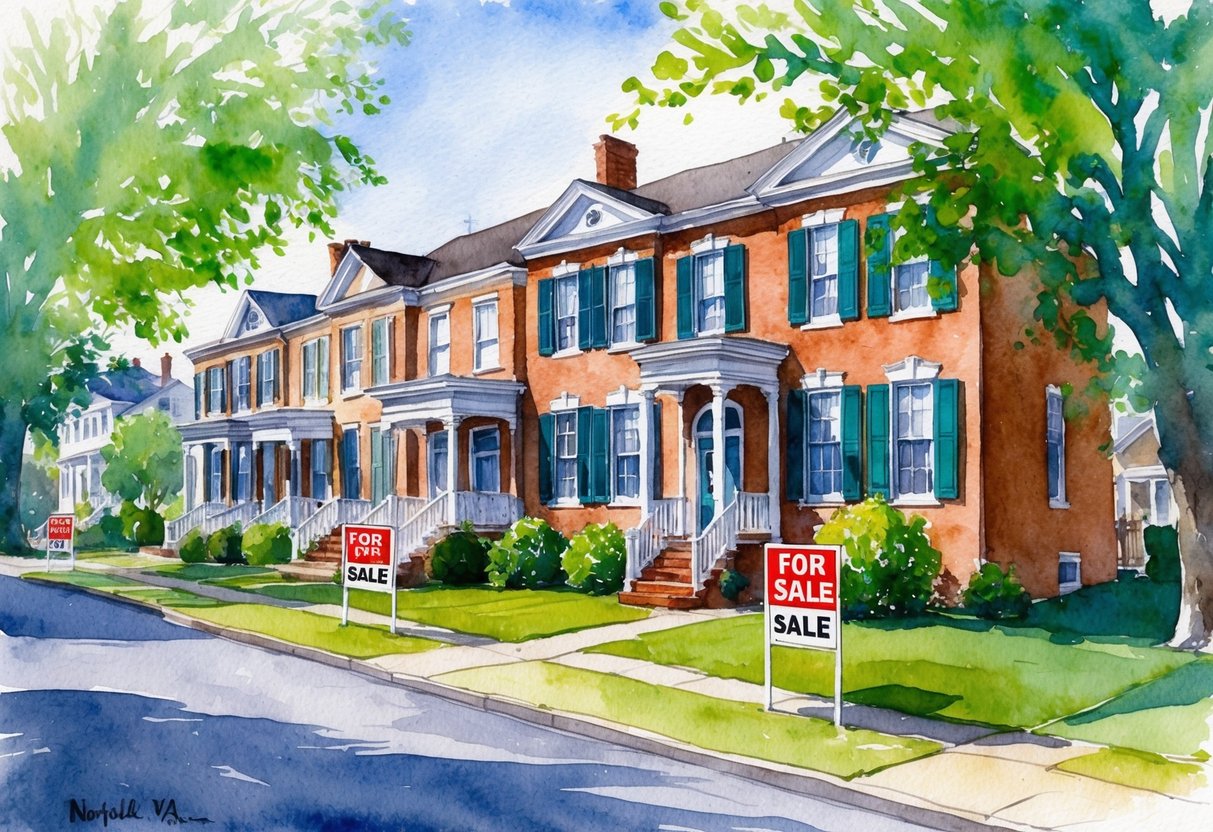
Norfolk isn’t just another city; it’s a place where strong military presence, a diverse economy, and a growing job market support a steady demand for housing. Imagine owning property in neighborhoods with solid rental returns and lower crime rates.
What if you could take control, diversify your portfolio, and stop worrying about outliving your savings?
Key Takeaways
- Norfolk has unique advantages for real estate investors
- Choosing the right strategies can boost your portfolio
- Partnerships and smart planning help manage risk
Overview of Real Estate Investing in Norfolk, VA
Norfolk, Virginia offers a stable real estate market supported by steady population growth and a strong local economy. Home values have appreciated at a consistent pace, making this city appealing to investors who want predictability and solid returns.
Key Factors Attracting Investors
When I look at Norfolk, I see a city shaped by its military base, shipyards, and healthcare centers. The military brings in thousands of residents and tenants, year after year.
This isn’t a city that depends on a single industry—tourism, higher education, and shipping all play critical roles. Job security here means fewer rental vacancies.
Why risk money in a market that’s up one year and down the next? In Norfolk, rental demand stays steady even during economic downturns.
On top of this, Norfolk’s coastal location and cultural attractions make real estate desirable for both investors and renters. Highways, access to major ports, and a constant stream of military-related renters add another safety net.
I’m not after get-rich-quick schemes—I want reliable, cash-producing properties, not uncertainty.
Comparing Norfolk to Other US Markets
How does Norfolk stack up against bigger names? I see some investors look at New York or Los Angeles, but those cities bring sky-high entry costs and volatile swings.
Norfolk offers median home prices that are much more affordable for the serious but careful investor. In places like Miami or Seattle, sudden spikes in property values look attractive, but they come with risk.
Norfolk’s growth is more steady and predictable. Rental yields here beat out many large coastal cities because purchase prices stay reasonable, yet rental demand is strong, especially for single-family homes and small multifamily units.
Vacancy rates are lower than average for the region. Compared to Washington D.C. or Richmond, my investment dollar in Norfolk stretches further and delivers more consistent returns in both cash flow and potential appreciation.
Growth Trends and Market Performance
Over the last ten years, Norfolk’s population grew at a slow but positive rate, about 0.16% per year. That might sound modest, but slow growth often signals stability and less competition among investors.
According to recent studies, home prices have risen steadily, making it less likely I’ll find myself underwater after buying. Rental rates climb at a moderate pace each year, helping keep up with inflation.
Even during downturns, Norfolk’s job base and military presence soften any shocks to rental demand. Homes here don’t sit vacant for long, which means I can count on regular income from well-qualified tenants.
I always keep an eye on cities with steady, not explosive, growth. Norfolk’s predictable market, backed by slow but constant demand, offers the kind of long-term security that appealed to me as an experienced investor.
For more data, check out how Norfolk’s market has performed over the years and why steady appreciation matters.
Types of Real Estate Investments in Norfolk

Norfolk’s real estate market stands out for its variety. There are options for investors who want steady rental income, those who want to try commercial ventures, and even opportunities that combine both worlds.
Residential Properties
When I look at residential properties in Norfolk, I see a foundational choice for real estate investing. Single-family homes and apartment units are in high demand thanks to the city’s strong military presence and colleges.
These properties can offer stable, long-term rental income. Many neighborhoods are attractive to families and young professionals, which helps minimize long vacancy periods.
Are you looking for an investment with reliable tenants? Areas near schools and the naval base are popular spots.
Some investors take a hands-on role in management, but property managers are widely available if I want a more passive approach. Residential investments also include duplexes, triplexes, and multi-family buildings.
Multi-family units usually allow me to spread risk across several tenants and generate more consistent cash flow. Norfolk’s variety of residential investment properties means I can choose the property type that best fits my risk level and goals.
Commercial Real Estate Opportunities
Commercial real estate in Norfolk covers office space, retail stores, restaurants, and industrial warehouses. This area of investing can seem intimidating at first.
But ask yourself: do I want higher income potential, even if it means taking on longer vacancy risks? Commercial leases often last several years, locking in my tenants and offering predictable cash flow.
The growth of local businesses, the expansion around the port, and an active tourism industry mean steady demand for retail and hospitality spaces. Getting into commercial real estate means paying attention to macroeconomic trends and local development projects.
I find that working with a broker who knows the Norfolk market is valuable, especially if I want to access off-market commercial deals. Learning about tenant needs and being prepared for property management, like handling repairs and contracts, is key for success.
Mixed-Use Developments
Mixed-use developments combine residential units with commercial space within one property or project. Think about an apartment building with restaurants or retail shopfronts on the ground floor.
These projects are becoming more popular in Norfolk’s downtown and waterfront areas. With mixed-use, I benefit from multiple streams of income.
For example, I might receive rent from both families living in the building and businesses operating on the first floor. This setup can help offset risk if one section faces vacancy.
The appeal of walkable, vibrant neighborhoods is rising. I notice that city policies have encouraged regeneration in certain areas, attracting both younger renters and older professionals.
However, mixed-use projects may require more complex management to balance residential and business needs successfully. They also tend to involve higher upfront costs, but they often hold value well in dynamic urban markets like Norfolk.
For more insights on the range of mixed-use and other property types available in Norfolk, careful research pays off.
Financing and Leverage Strategies
Getting the right funding for real estate in Norfolk, VA can open doors that many investors overlook. The way I approach borrowing, manage leverage, and explore new financing shapes every investment decision I make.
Traditional Loans and Mortgage Options
When I started looking at properties, banks and credit unions were where I went for home and investment loans. These lenders often offer fixed or adjustable-rate mortgages, which give me predictable payments over time.
With good credit and solid income, I can usually lock in favorable rates and terms. I weigh down payments carefully—usually, 20% down is standard to avoid private mortgage insurance (PMI).
I always check if lenders have programs tailored to investors, like second-home loans or investor-specific mortgages. Sometimes, local banks in Norfolk offer better terms because they know the market.
It’s important to remember that every lender will look at my debt-to-income ratio, credit score, and property cash flow. I always gather paperwork ahead of time: tax returns, bank statements, and rental income details.
Doing this gives me a better shot at fast approval.
Using Leverage Effectively
Leverage plays a key role in boosting my real estate portfolio. By borrowing money to buy properties, I can control bigger assets with less of my own cash.
This approach lets me spread my capital across more investments and grow wealth faster. But, leverage isn’t free—each loan increases my risk if my rental income drops or the property value falls.
I focus on smart debt management. I don’t overextend.
My rule? Each property must cover its mortgage, taxes, and costs, and still put money in my pocket each month.
If you’re careful, you can use leverage to maximize returns while keeping risk in check. When I evaluate leverage, I ask myself: “What happens if rents go down or vacancies go up?”
Planning for a cushion helps keep things stable even when the market shifts.
Alternative Financing Solutions
What if traditional banks turn you down, or the deal moves too fast for slow paperwork? I turn to creative financing.
Seller financing is sometimes available, where the seller acts as the bank and I pay them directly. This can mean quick closings and flexible terms.
Private lenders, like individuals or small investment groups, often fund deals with fewer hoops. Hard money lenders focus on the property more than my personal credit.
Their loans close quickly but charge higher interest, fitting short-term projects or flips. In Norfolk, VA, there are also programs like the HOME Investment Partnerships Program that can help with affordable housing projects.
Exploring these options gives me a backup plan and sometimes offers terms that are unavailable in traditional lending. I always match the loan to my exit strategy and risk comfort.
Building and Managing Your Investment Portfolio
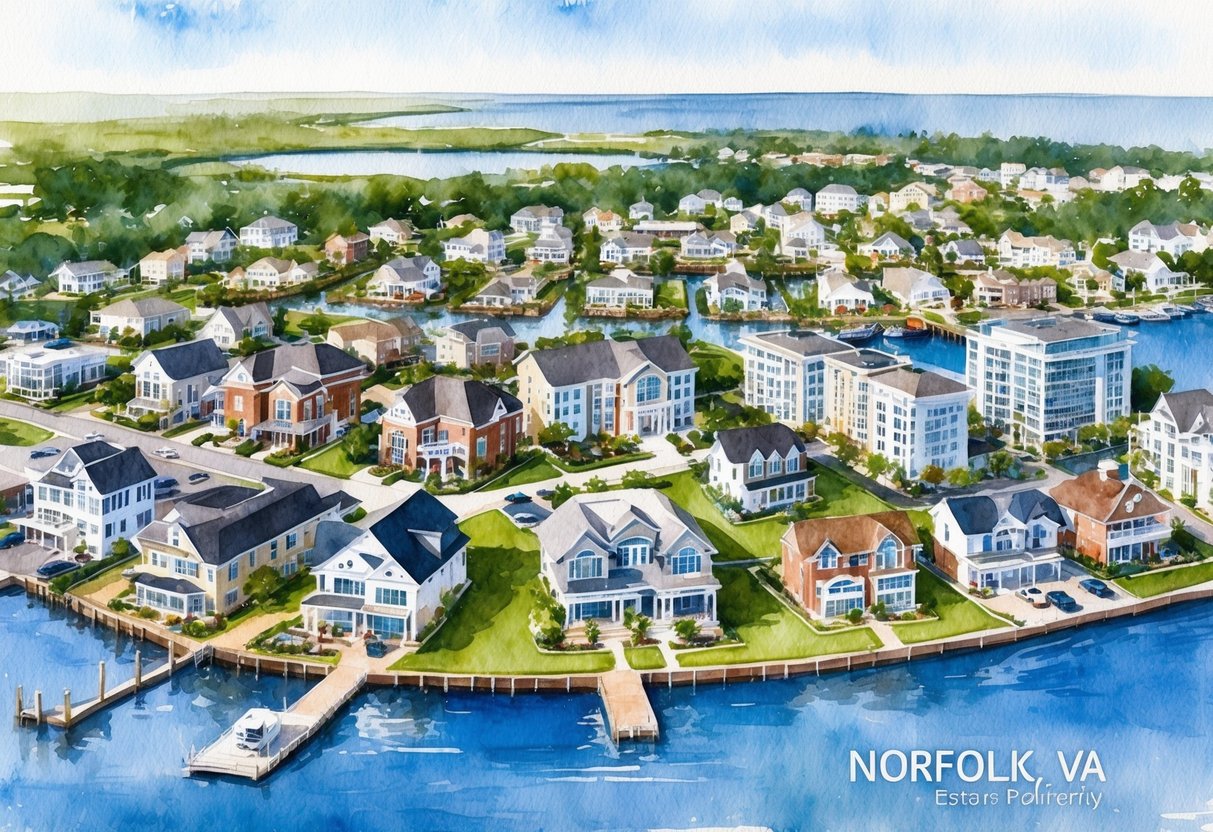
When I invest in real estate in Norfolk, I make sure my portfolio can stand up to changing markets. It’s not just about owning a few properties—smart diversification, precise management, and planning for risk are key.
Portfolio Diversification in Norfolk
Why bet everything on one property or one neighborhood? I’ve found that putting my money into different property types—like single-family homes, duplexes, or small apartment buildings—helps cushion my portfolio against local market dips.
Norfolk offers historic homes, waterfront condos, and college-town rentals. Each comes with a different risk, return, and tenant profile.
I also look at different zip codes. The downtown area attracts young professionals, while Ghent offers a mix of families and students.
I sometimes include commercial real estate, such as small office spaces or retail, to balance the mix even further. Using local experts helps me spot these opportunities and avoid putting my money all in one basket.
Management Best Practices
Managing rentals isn’t all about collecting checks. I create systems for screening tenants, handling repairs, and checking in on properties.
Good management protects my investment and keeps the rent coming in. I use a clear rental agreement and always do detailed background checks.
Regular property inspections keep small maintenance issues from turning into expensive disasters. If managing everything myself becomes too much, I hire a reliable property manager who knows Norfolk’s market.
Some firms even help with day-to-day operations, freeing up my time for strategy, not paperwork.
Risk Assessment and Mitigation
Every investment comes with some risk. Before I buy, I always ask myself: What if the market drops? What if my property sits empty for a few months?
I check property values, neighborhood crime rates, and rental demand so I’m not caught off guard. I keep cash set aside for repairs or those annoying surprises that always pop up.
Adequate insurance coverage protects my property from damage or liability claims. I review my portfolio each year so I can adjust my holdings and stay ahead of changes.
Joint Ventures and Partnerships in Norfolk Real Estate
Growing real estate wealth in Norfolk isn’t just about finding the right deal. Teamwork, local knowledge, and creative deal structures like joint ventures really do make a difference for Virginia investors.
How Joint Ventures Work
A joint venture is when two or more parties join forces on a single project or investment. Each partner brings something to the table—money, expertise, contacts, or maybe even property.
By sharing resources and risks, I can chase opportunities that would be too big or complicated to tackle alone. The joint venture agreement spells out profit splits, responsibilities, and what happens if things go sideways.
Working hand-in-hand with another investor or group lets me be more flexible and creative. If I want to scale up without shouldering all the risk, a joint venture helps make that possible.
In Norfolk, joint ventures often target multifamily buildings, commercial projects, or land development. For example, partnerships like the one between Harbor Group International, The Garrett Companies, and Telis Group recapitalized an 11-asset multifamily portfolio.
Partnering With Local Experts
Why go it alone in a city like Norfolk? Local experts spot trends before they hit the headlines.
They know which neighborhoods are heating up and where the roadblocks might pop up. When I team up with someone who’s been working the local market for years, I get valuable insights and avoid costly mistakes.
Here are a few ways local partners make a difference:
- Market knowledge: They know the real rental rates, not just what’s listed online.
- Contractor connections: Quality rehab work is easier to find and negotiate.
- Legal shortcuts: They understand city permitting, zoning, and who to call if red tape threatens a deal.
Working with a local partner isn’t just about money—it’s about tapping into a network that gives my Virginia investment a better shot at long-term success.
Case Studies from Virginia Investors
The best lessons come from seeing what real investors have done. In Norfolk, Hunt Companies and Collin Enterprises joined forces on a joint venture to develop a $28 million apartment complex.
Their partnership brought together investment capital, development experience, and deep local ties. Check out Hunt Companies and Collin Enterprises’ venture in Norfolk as an example.
On a smaller scale, local investors like Melanie and Dave Dupuis have worked with partners to grow their holdings to over 200 apartments in Virginia. They focus on building trust, setting clear roles, and sharing both profits and risks.
Who you partner with often matters just as much as the property itself.
Notable Market Participants and Influences
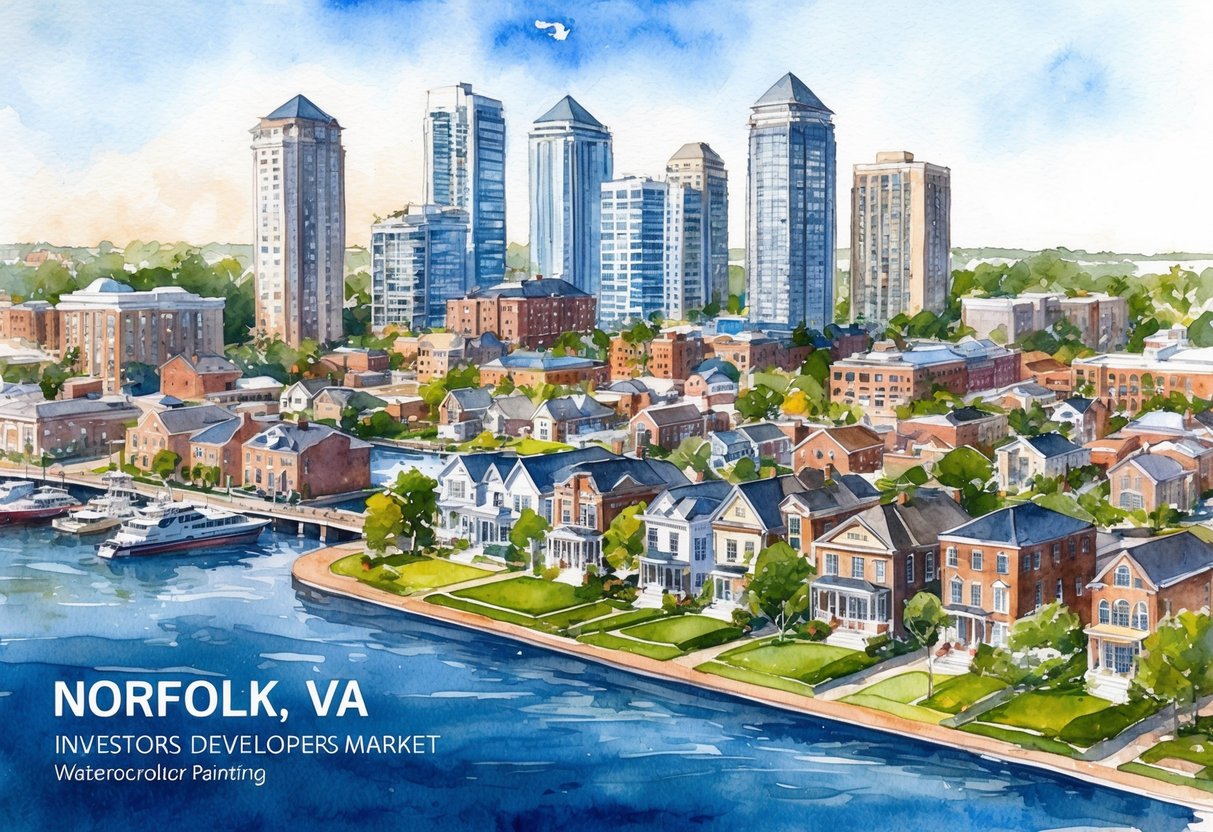
Norfolk’s real estate landscape doesn’t just run on luck—it’s shaped by powerful players and waves of fresh capital coming in from all over. Understanding who’s actually pulling the strings can reveal opportunities most people miss.
Harbor Group International and Major Firms
Harbor Group International is a giant in Norfolk, headquartered right in the city and managing billions in assets around the globe. Their reach goes way beyond local borders, with big projects in cities like New York, Houston, Baltimore, Los Angeles, and even Tel Aviv.
Why should I care about these firms? They set the trends. When large investors target a region, they raise property values and often attract other big names to join in.
For example, a single acquisition or development from Harbor Group can trigger upgrades in infrastructure and bring new jobs to the area—which benefits homeowners and landlords alike.
Does this mean smaller investors can’t compete? Not necessarily. Working alongside or even just behind these major players can lead to strong returns.
Their moves often signal which neighborhoods will rise next, letting me act with more confidence and less guesswork.
Impact of Out-of-State Investors
Out-of-state buyers have become a huge force in the Norfolk market. I keep seeing folks from New York and California, ready to pour cash into homes, apartments, and commercial properties.
This strong demand creates competition. Sometimes local buyers have a tough time landing good deals.
But there’s another side to all this. These new faces bring fresh ideas, higher standards, and a little bit of energy that Norfolk hasn’t always had.
Areas that used to get ignored can suddenly get a second chance, thanks to outside capital. According to a recent real estate review, out-of-town investors still drive up interest in quality industrial spaces.
I won’t ignore the challenges. Still, these investors can open up new possibilities—if I look in the right places and move before the crowd.
If I let frustration get in the way, I might just miss out on the changes happening right in front of me.