
New Haven, Connecticut is a hidden gem for real estate investors. This charming city offers a unique blend of history, culture, and economic opportunities that make it an attractive place to put your money to work.
I’ve been eyeing New Haven’s real estate market for a while now, and I’m excited to share what I’ve learned.

The median home value in New Haven has seen impressive growth, with home prices soaring by 37.9% compared to last year. This kind of appreciation isn’t just a fluke - it’s a sign of a thriving market with plenty of room for savvy investors to make their mark.
But what’s driving this growth? Is it sustainable? These are the questions we need to ask.
New Haven isn’t just about Yale University, though that certainly plays a role. The city’s diverse economy, from healthcare to tech startups, creates a steady demand for housing. And let’s not forget the rental market - with many residents opting to rent rather than buy, there’s a real opportunity for investors to generate steady cash flow.
But like any investment, it’s not without its challenges. Are you ready to navigate them?
Key Takeaways
- New Haven’s real estate market is experiencing significant growth and appreciation
- The city’s diverse economy and strong rental market create opportunities for investors
- Understanding local market trends and neighborhoods is crucial for successful investing in New Haven
Understanding New Haven’s Real Estate Market
New Haven’s real estate market is dynamic and offers opportunities for savvy investors. I’ve analyzed the key trends and metrics to give you a clear picture of what’s happening in this Connecticut city.
Market Overview
The New Haven housing market has seen some interesting shifts lately. Home prices have surged significantly, with a 37.9% increase in January 2024 compared to the previous year. This kind of growth catches my eye as an investor.
The median home value in New Haven stands at $304,761. This figure is crucial for understanding the market’s entry point. Are you wondering if this is high or low? Well, it’s all relative to the potential returns.
New Haven’s real estate is somewhat competitive. Homes here typically receive about 7 offers. This level of interest suggests a healthy demand, which is always a good sign for investors.
New Haven Housing Market Predictions
Looking ahead, what can we expect from New Haven’s real estate market? While precise predictions are tricky, I always say it’s wise to look at past performance and current trends.
The city has seen an average home appreciation rate of 8.5% over the past year. This growth rate outpaces many other markets. But will it continue?
I believe New Haven’s strong educational institutions and growing job market will likely support ongoing demand for housing. However, keep an eye on economic factors that could impact future growth.
Remember, successful real estate investing isn’t just about buying low and selling high. It’s about understanding market cycles and positioning yourself for long-term gains.
Average Days on Market and Median Home Price
Let’s dive into some specific metrics that I always consider when evaluating a market. In New Haven, homes are selling in around 48 days on average. This is a fairly quick turnaround, indicating strong buyer interest.
The median sale price recently stood at $344,000. However, it’s worth noting this represents an 8% decrease from the previous year. What does this mean for investors? It could signal a potential buying opportunity.
Here’s a quick breakdown of key stats:
- Median Sale Price: $344,000
- Average Days on Market: 48
- Price per Square Foot: $212 (up 15.8% year-over-year)
These numbers tell a story of a market in flux. Are you ready to read between the lines and spot the opportunities others might miss?
Demographics and Economic Factors

New Haven’s demographic makeup and economic landscape offer unique opportunities for real estate investors. Let’s explore the key factors that shape this market and could impact your investment decisions.
Population Growth and Median Age
New Haven’s population has been growing steadily. This growth creates demand for housing, which is music to an investor’s ears. But who’s moving in?
The city attracts a mix of young professionals and families. With Yale University in town, we see a constant influx of students and faculty. This keeps the median age lower than many other Connecticut cities.
What does this mean for us? A younger population often prefers rentals, creating a strong market for multi-family properties. Have you considered investing in student housing or apartments near the university?
Income Levels and Employment Industry Diversity
New Haven’s income levels are diverse, reflecting its varied job market. The city’s median household income sits below the state average, but don’t let that fool you.
Here’s what I’ve noticed:
- Higher-paying jobs in education and healthcare
- A growing tech sector
- Traditional manufacturing still playing a role
This diversity is good news for us investors. It means we’re not putting all our eggs in one basket. Different income levels create demand for various property types. From luxury condos to affordable housing, there’s a niche for everyone.
New Haven Economy
The New Haven economy is more resilient than you might think. Why? It’s not reliant on a single industry. Let’s break it down:
- Education: Yale University is a major employer and economic driver.
- Healthcare: Yale New Haven Hospital provides thousands of jobs.
- Biotechnology: A growing sector attracting new businesses.
New jobs are being created, especially in these sectors. This job growth supports housing demand and rental prices.
The unemployment rate has fluctuated, but it’s generally in line with national trends. A stable job market means more reliable tenants and fewer vacancies. Isn’t that what we’re all after?
Investing in New Haven Properties
New Haven offers unique opportunities for real estate investors. The city’s property market has potential for both steady income and long-term growth. Let’s explore two key strategies for success in this market.
Buy and Hold Strategy
I’ve found that buying and holding properties in New Haven can be a smart move. The city’s median home value has been on the rise, making it attractive for long-term investors.
Here’s why I like this approach:
- Steady rental income
- Potential for property appreciation
- Tax benefits from depreciation
New Haven’s large student population from Yale University creates a consistent demand for rentals. This means you can often count on a steady stream of tenants.
I always remind investors to factor in maintenance costs and property management fees. These can eat into your profits if you’re not careful.
Understanding Property Values and Taxation
Knowing your numbers is crucial in New Haven real estate. Property values here have seen some interesting trends lately.
Did you know that home prices in New Haven jumped by 37.9% in January 2024 compared to the previous year? That’s a significant increase that savvy investors should pay attention to.
When it comes to taxes, New Haven has its own quirks. Property tax rates can vary depending on the neighborhood and property type. I always advise investors to:
- Research historical tax rates
- Understand any available tax incentives
- Factor taxes into your cash flow projections
Remember, a seemingly great deal can turn sour if you overlook the tax implications. Do your homework and consult with local experts to get the full picture.
The Rental Market Overview
New Haven’s rental market offers interesting opportunities for investors. Let’s look at the key factors that make this market tick and how they could affect your investment decisions.
Vacancy Rates and Rental Demand
The rental demand in New Haven remains strong, with a healthy mix of students, professionals, and families. As a real estate investor, I’ve noticed that university towns often have lower vacancy rates. Why? Students and faculty create a steady stream of renters.
New Haven’s vacancy rate is lower than the national average. This means landlords have an easier time finding tenants. It’s a win-win: less worry about empty units and more consistent cash flow.
The city’s diverse economy, anchored by Yale University and growing biotech sectors, keeps bringing in new residents. This steady influx helps maintain a robust rental market. Have you considered how a stable job market can boost your rental property’s performance?
Median Gross Rent and Price to Rent Ratio
Median rent in New Haven is $1,800 as of April 2024. This figure has stayed steady over the past year, showing market stability. For investors, stable rents can mean predictable income.
The price-to-rent ratio is a key metric I always check. It helps me decide if buying to rent makes financial sense. In New Haven, this ratio suggests that rental properties can be profitable investments.
Here’s a quick breakdown:
- Median home price: $320,000
- Annual rent (based on median): $21,600
- Price-to-rent ratio: 14.8
This ratio is favorable for investors. It indicates that rental income could cover mortgage payments and expenses, potentially leaving room for profit.
Remember, these are just numbers. Your success as an investor depends on how you apply this knowledge to find the right properties in the right neighborhoods.
Key Neighborhoods and Property Types

New Haven offers diverse real estate opportunities. Let’s explore some popular areas and property types that savvy investors should consider.
Westville and Popular Locations
Westville stands out as a prime neighborhood for real estate investment in New Haven. It’s known for its tree-lined streets and charming homes.
I’ve seen many investors succeed here.
Amity, bordering Westville, is another area to watch. It boasts parks like Edgewood Park, perfect for outdoor enthusiasts.
Families love the playgrounds and picnic areas.
Whalley Avenue in Amity is a hub of activity. You’ll find restaurants, cafes, and shops that attract renters and homebuyers alike.
Other popular spots include East Rock and Wooster Square. These areas offer a mix of historic charm and modern amenities that tenants crave.
Homes, Condos, and Investment Opportunities
New Haven’s real estate market is heating up. Home prices jumped 37.9% in January 2024, reaching a median of $320,000. This growth signals strong demand.
I’ve noticed a trend towards multi-family properties. These offer higher cash flow potential.
Look for duplexes or small apartment buildings, which make up 42.20% of the city’s housing.
Condos are another option, especially near Yale University. They attract students and young professionals.
Single-family homes in family-friendly areas like Westville can be great long-term investments. They tend to appreciate well over time.
Remember, properties are selling fast. The average time on market is just 51 days.
Be ready to act quickly when you spot a good deal.
Professional Insights for Investors

Real estate investing in New Haven, CT requires working with the right professionals and firms. Let’s explore how to make the most of these relationships to boost your investment success.
Working with Realtors and Real Estate Agents
When investing in New Haven real estate, partnering with skilled real estate professionals is crucial.
I’ve found that the best agents have deep local knowledge and strong networks.
Look for realtors who specialize in investment properties. They’ll understand your goals and can spot promising opportunities others might miss.
A good agent will:
- Provide market analysis
- Negotiate deals
- Handle paperwork
- Offer investment advice
Don’t hesitate to interview multiple agents. Ask about their experience with investors and their track record in New Haven.
The right partnership can make a huge difference in your success.
Choosing a Real Estate Firm
Selecting the right real estate firm is just as important as choosing an individual agent. Firms offer resources and support that can amplify your investment potential.
What should you look for? I recommend firms with:
- A strong local presence
- Dedicated investment services
- Access to off-market deals
- In-house research teams
Consider both large national firms and local boutique agencies. Each has its strengths. National firms like Redfin offer cutting-edge tech, while local firms often have unmatched market insights.
Don’t forget to check reviews and ask for referrals. The best firm for you will align with your investment strategy and provide the support you need to thrive in New Haven’s market.
Home Buying Process and Offers

The home buying process in New Haven can be competitive, but with the right approach, you can secure your ideal property. Let’s explore how to make strong offers and navigate financing options to increase your chances of success.
Making Competitive Offers
In New Haven’s real estate market, standing out is crucial. I’ve found that homes receive an average of 7 offers and typically sell within 48 days. How can you make your offer shine?
First, get pre-approved for a mortgage. This shows sellers you’re serious and can follow through.
Next, consider offering above asking price if you really want the property. But be careful not to overextend yourself.
Include an escalation clause in your offer. This automatically increases your bid if someone outbids you, up to a set limit.
Be flexible with closing dates and contingencies. The fewer hurdles for the seller, the more attractive your offer becomes.
Lastly, write a personal letter to the seller. Emotional connections can sometimes tip the scales in your favor.
Mortgage Rates and Financing Options
Securing favorable financing is key to a successful real estate investment. What options are available to you?
Conventional loans are popular, typically requiring a 20% down payment. If you can manage this, you’ll avoid private mortgage insurance.
FHA loans are great for first-time buyers, with down payments as low as 3.5%. However, they come with mortgage insurance premiums.
VA loans offer excellent terms for veterans, often with no down payment required.
Consider adjustable-rate mortgages (ARMs) if you plan to sell or refinance within a few years. They often start with lower rates.
Don’t forget about local programs. New Haven might offer special financing options for certain neighborhoods or income levels.
Remember, mortgage rates fluctuate. Lock in a rate when you find a good deal, but be prepared to act fast in this competitive market.
Property Management Fundamentals
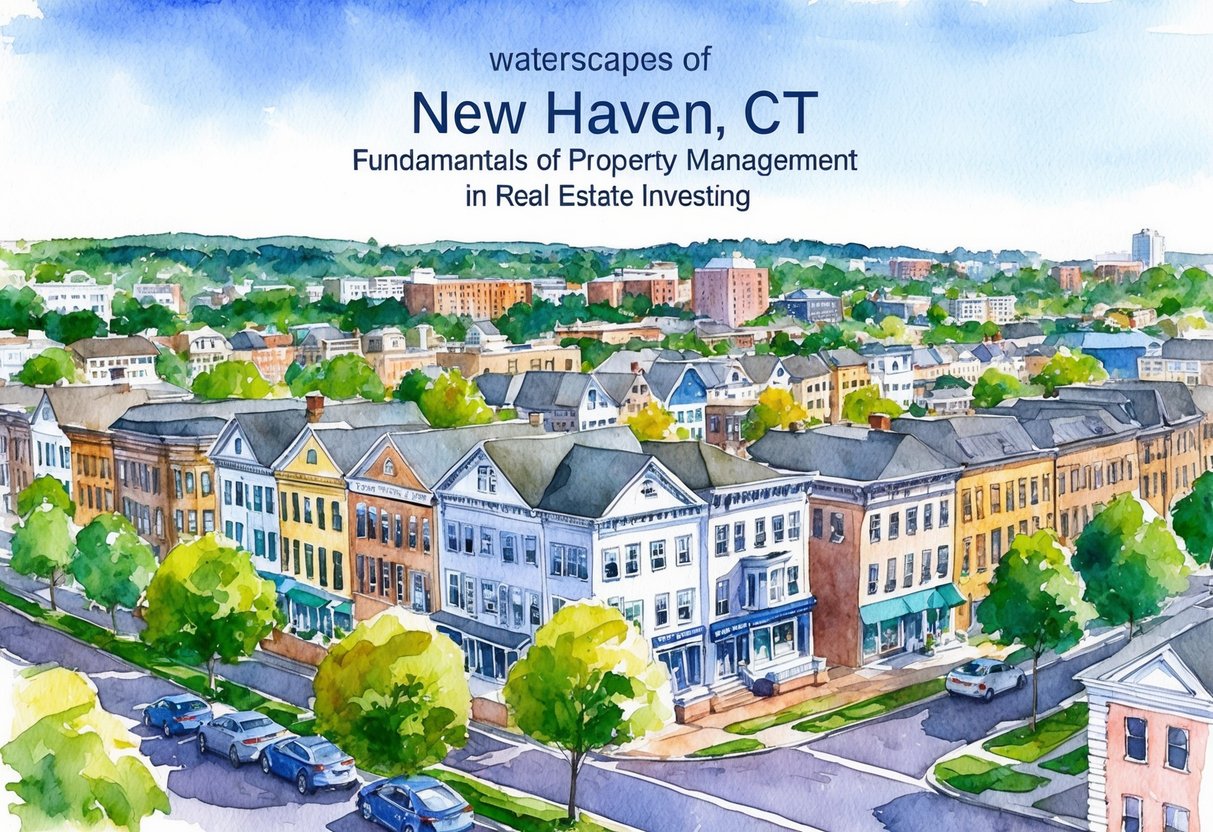
Have you ever wondered how successful real estate investors manage their properties? Let me share some key insights.
Property management is crucial for maximizing returns on your investments. It’s not just about collecting rent - it’s about creating value.
Here are the basics you need to know:
- Tenant screening
- Rent collection
- Property maintenance
- Legal compliance
Effective tenant screening is vital. I always look for reliable tenants who pay on time and take care of the property. It saves headaches down the road.
Rent collection might seem straightforward, but it requires a system.
I use online payment platforms to make it easy for tenants and ensure timely payments.
Property maintenance is often overlooked. Regular upkeep prevents small issues from becoming costly problems. It also keeps tenants happy and rental income flowing.
Legal compliance can be tricky, especially with residential properties. I stay up-to-date on local laws to avoid potential lawsuits.
But here’s the million-dollar question: should you manage properties yourself or hire a professional?
For new investors, I recommend starting small and hands-on. As your portfolio grows, consider a professional property management company.
They can handle day-to-day operations, freeing you to focus on growing your investments.
Remember, successful property management is about balancing costs and benefits. It’s not just an expense - it’s an investment in your property’s long-term value.