
Looking to grow your wealth through real estate? Lafayette, Indiana might just be the hidden gem you’ve been searching for. I’ve seen many investors overlook this Midwestern city, but they’re missing out on some great opportunities.

Lafayette offers a mix of affordable properties and steady rental demand, making it an attractive market for both new and experienced real estate investors. The presence of Purdue University in neighboring West Lafayette adds a stable pool of potential tenants, especially for those looking to invest in student housing.
Have you considered the diverse range of investment options in Lafayette? From single-family homes to multi-unit properties, there’s something for every investor’s goals and budget.
The city’s real estate market has shown resilience and potential for growth, making it worth a closer look for those seeking to build long-term wealth through property investments.
Key Takeaways
- Lafayette’s real estate market offers affordable properties and steady rental demand
- The presence of Purdue University creates opportunities for student housing investments
- Diverse property types cater to various investment strategies and budgets
Understanding Real Estate Investing in Lafayette, IN

Lafayette, Indiana offers unique opportunities for real estate investors. The city’s rental market, investment potential, and options for both traditional and short-term rentals make it an attractive location for those looking to grow their wealth through property.
Benefits of Investing in Lafayette
Lafayette’s real estate market has several advantages. The presence of Purdue University creates a steady demand for student housing. This can lead to higher occupancy rates and consistent rental income.
I’ve found that Lafayette’s affordability is another key benefit. Property prices here are often lower than in larger cities, allowing investors to enter the market with less capital.
The city’s diverse economy, spanning education, manufacturing, and healthcare, provides stability. This economic diversity can help protect your investments during economic downturns.
Assessing Lafayette’s Rental Market
When I look at Lafayette’s rental market, I see potential. The city’s median gross rent is an important factor to consider. It gives us insight into the local rental rates and helps determine potential returns.
The price-to-rent ratio in Lafayette is favorable for investors. This ratio compares property prices to annual rental income. A lower ratio often indicates better investment opportunities.
I always advise investors to pay attention to neighborhood trends. Areas near Purdue University or major employers tend to have strong rental demand. Have you considered which parts of Lafayette might offer the best returns?
Airbnb vs. Traditional Rentals
In Lafayette, both Airbnb and traditional rentals present opportunities. Airbnb can be lucrative, especially during university events or local festivals. However, it requires more active management.
Traditional rentals offer more stable, long-term income. They’re often easier to manage, with fewer turnovers. The steady student population in Lafayette can provide a reliable tenant base for these properties.
I’ve found that the choice between Airbnb and traditional rentals often depends on the property’s location and your management style. Which approach aligns better with your investment goals?
Analyzing Lafayette’s Real Estate Trends
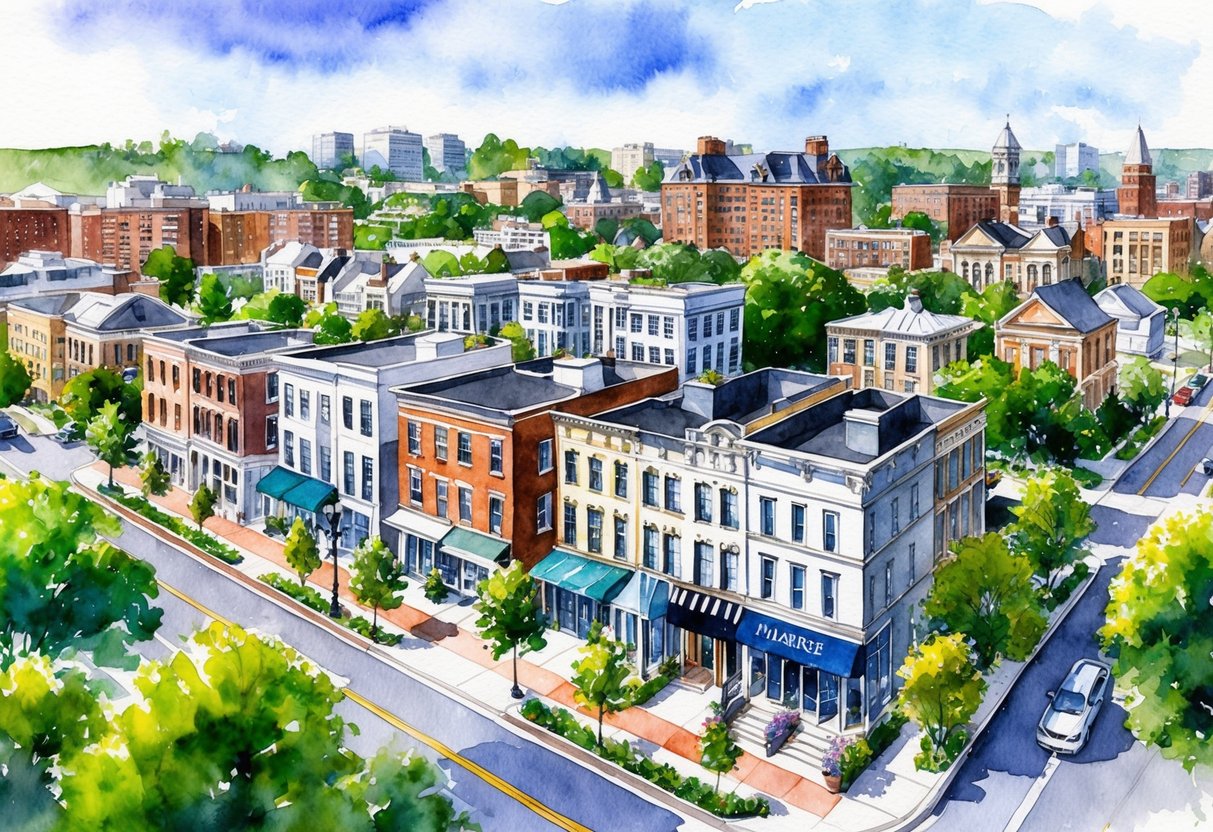
Lafayette’s real estate market is showing some interesting patterns. Let’s take a closer look at what’s happening and where things might be headed.
Recent Developments and Market Dynamics
I’ve noticed some exciting changes in Lafayette’s housing scene. Home prices are on the rise, with a 7.5% increase compared to last year. The median sale price now sits at $229,000. Isn’t that fascinating?
But here’s the kicker: homes are selling faster than ever. On average, properties in Lafayette are snatched up in just 6 days. That’s lightning-fast!
What does this mean for you? It’s a seller’s market, my friends. If you’re thinking of investing, you’ll need to act quickly.
Projected Growth and Property Values
Looking ahead, I see promising signs for Lafayette’s real estate market. The city’s growth is closely tied to Purdue University’s influence. West Lafayette stands out as a prime investment spot.
Want to know where to put your money? Consider these hot neighborhoods:
- River Ranch
- Downtown Lafayette
- Broadmoor
These areas are seeing steady appreciation. But remember, real estate is all about location, location, location. Have you thought about investing near the university?
I predict continued growth in property values, especially in areas close to campus and major employers. Are you ready to take advantage of this opportunity?
Property Types and Investment Strategies

Lafayette offers diverse real estate options for investors. Each property type has unique advantages and strategies to maximize returns. Let’s explore the most popular choices and how to leverage them effectively.
Single-Family Homes vs. Multi-Family Units
Single-family homes are a great starting point for new investors. They’re easier to manage and often have lower entry costs. I’ve found that single-family homes in Lafayette can provide steady rental income and potential for appreciation.
Multi-family units, on the other hand, offer economies of scale. With one purchase, I can secure multiple income streams. This strategy can lead to higher cash flow and faster wealth accumulation. The trade-off? They typically require more capital upfront and more hands-on management.
In my experience, the choice between single-family and multi-family often comes down to your investment goals and resources. Are you looking for steady, low-maintenance income or faster growth with more involvement?
The Appeal of Townhouses and Condominiums
Townhouses and condos can be hidden gems in the Lafayette market. They often appeal to young professionals and downsizing retirees. I’ve noticed that areas near Purdue University are particularly attractive for these property types.
Condos can offer lower maintenance costs, as exterior upkeep is usually covered by HOA fees. This can mean less work for me as an investor. Townhouses often provide a nice middle ground between condos and single-family homes.
One key advantage? These properties can be more affordable entry points into desirable neighborhoods. I always keep an eye out for well-located townhouses and condos when expanding my portfolio.
Leveraging Residential Properties
Residential properties in Lafayette offer various strategies for building wealth. One approach I’ve used successfully is the BRRRR method: Buy, Rehab, Rent, Refinance, Repeat. This strategy allows me to recycle my initial investment and grow my portfolio faster.
Another tactic is house hacking. By living in one unit of a multi-family property and renting out the others, I can offset my living expenses while building equity. This works well in areas like West Lafayette, where there’s strong rental demand from students and faculty.
Remember, leverage is a powerful tool, but it comes with risks. I always make sure my cash flow can cover expenses, even in market downturns. Smart financing and a solid emergency fund are key to my success in leveraging residential properties.
Key Locations for Investing in Lafayette
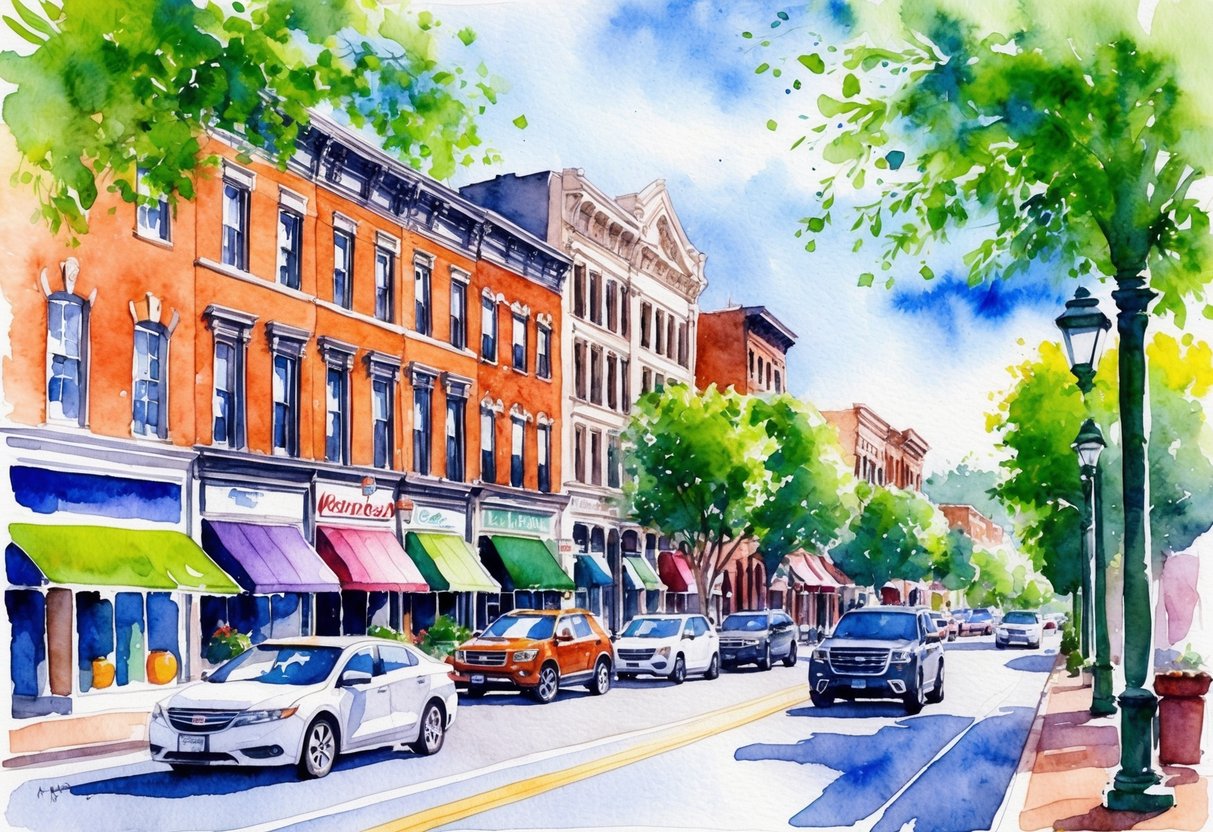
Lafayette offers several promising areas for real estate investment. I’ve identified neighborhoods that combine growth potential with strong community appeal. Let’s explore the top spots that could boost your property portfolio.
Spotlight on River Ranch and Downtown Lafayette
River Ranch stands out as a prime investment location. This planned community blends residential and commercial spaces, creating a vibrant atmosphere. I’ve seen properties here appreciate steadily. The walkable streets and mix of housing types attract diverse residents.
Downtown Lafayette is experiencing a renaissance. Old buildings are finding new life as trendy lofts and offices. The area’s cultural scene, with its museums and festivals, draws both locals and tourists. Have you considered the potential of converting a historic property into short-term rentals?
Exploring Bendel Gardens and Greenbriar Estates
Bendel Gardens offers a slice of Lafayette’s old-world charm. Large lots and mature trees characterize this established neighborhood. I’ve noticed families are drawn to its quiet streets and proximity to top schools.
Greenbriar Estates presents a different opportunity. This newer development appeals to those seeking modern amenities. The neighborhood’s location near major roads makes it attractive for commuters. Could you see yourself flipping a property here or holding it as a long-term rental?
Prospects in Emerging Neighborhoods
Which areas in Lafayette are on the cusp of transformation? I’m keeping my eye on neighborhoods near Purdue University. The student housing market can be lucrative if you play your cards right.
Some older industrial areas are ripe for redevelopment. As the city grows, these spots could become the next hot locations. Are you willing to take a calculated risk on an up-and-coming area?
Financial Metrics and Investment Performance
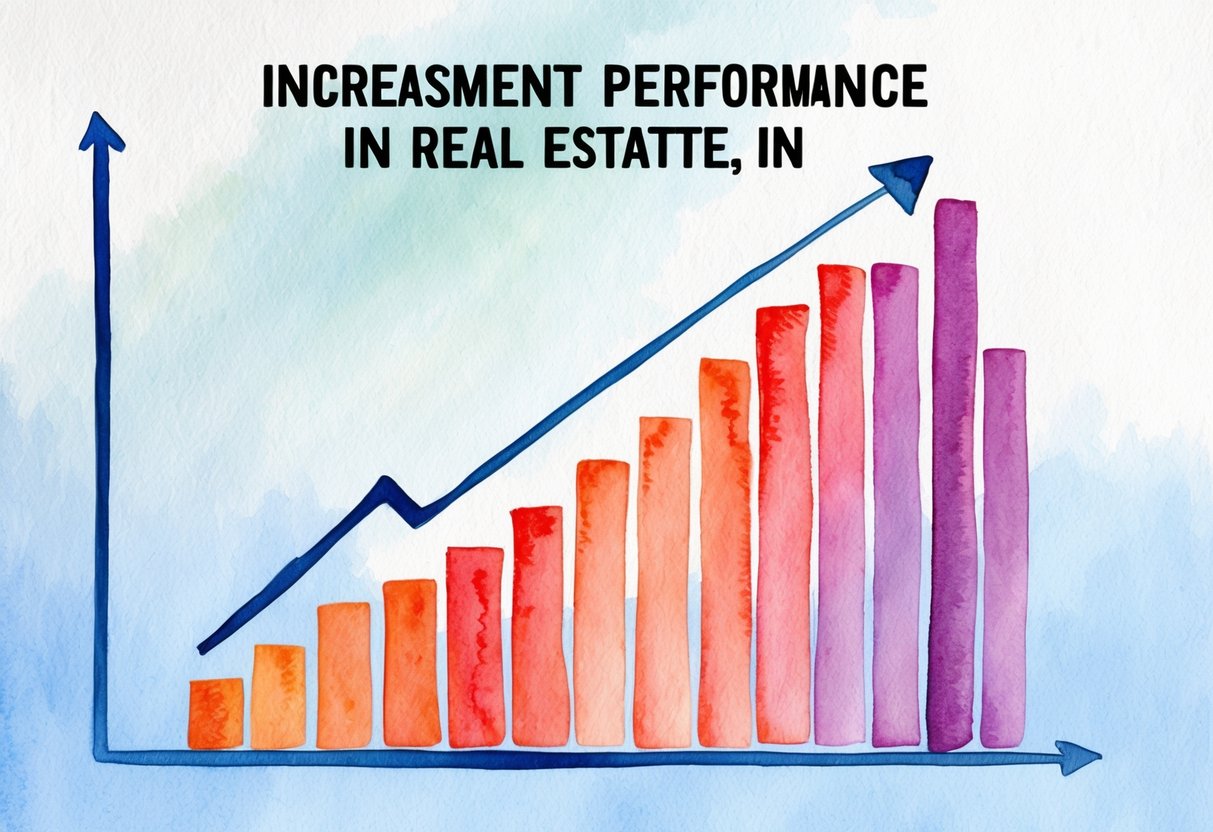
When investing in Lafayette real estate, understanding key financial metrics is crucial. These metrics help me evaluate potential returns and make informed decisions. Let’s explore two essential sets of metrics that guide my investment strategy.
Understanding Cap Rate and Cash on Cash Return
Cap rate and cash on cash return are vital metrics I use to assess real estate investments in Lafayette. The cap rate tells me the property’s potential return, ignoring financing. I calculate it by dividing the net operating income by the property’s value.
For example, a $200,000 property with $16,000 annual net income has an 8% cap rate. This helps me compare different properties quickly.
Cash on cash return is another metric I love. It shows me the return on my actual cash invested, including financing. For a $200,000 property with a $40,000 down payment and $4,000 annual cash flow, the cash on cash return is 10%.
I find cash on cash return particularly useful for comparing investments with different financing structures. It gives me a clear picture of my actual return on investment.
Internal Rate of Return (IRR) in Investment Analysis
IRR is a more complex but powerful metric I use to evaluate long-term investment performance.
It considers the time value of money and gives me a comprehensive view of an investment’s profitability over its entire lifespan.
IRR calculates the discount rate that makes the net present value of all cash flows equal to zero.
A higher IRR indicates a more attractive investment.
For example, if I invest $100,000 in a Lafayette property and expect $15,000 annual cash flow for 5 years, plus $150,000 from the sale, the IRR might be around 18%.
This tells me the annualized return rate, accounting for the timing of all cash flows.
IRR helps me compare real estate investments with other opportunities, like stocks or bonds.
It’s a valuable tool in my decision-making process.
The Role of Professional Real Estate Services
Professional real estate services can make or break your investing success in Lafayette.
These experts bring local knowledge and industry experience that can help you navigate the market effectively.
Selecting a Knowledgeable Real Estate Agent
I can’t stress enough how crucial it is to work with a top-notch real estate agent in Lafayette.
A good agent is worth their weight in gold. They’ll know the local market inside and out, helping you spot opportunities others might miss.
Jim Shook, for example, has been in the Lafayette real estate game since 1988. That’s the kind of experience you want on your side.
An agent like this can:
• Find off-market deals • Negotiate better prices • Spot potential issues before they become problems
Remember, the right agent isn’t just selling you a property. They’re your partner in building wealth through real estate.
Importance of Property Management
Let me tell you, property management is not something to skimp on. It’s the difference between a passive income stream and a full-time headache.
A good property manager will:
- Screen tenants thoroughly
- Handle maintenance issues promptly
- Collect rent on time
- Deal with legal matters
The REALTOR® Association of Acadiana can be a great resource for finding reputable property management services in Lafayette.
These pros can help you maximize your rental income while minimizing your stress. Isn’t that what smart investing is all about?
Local Economic Factors Impacting Real Estate
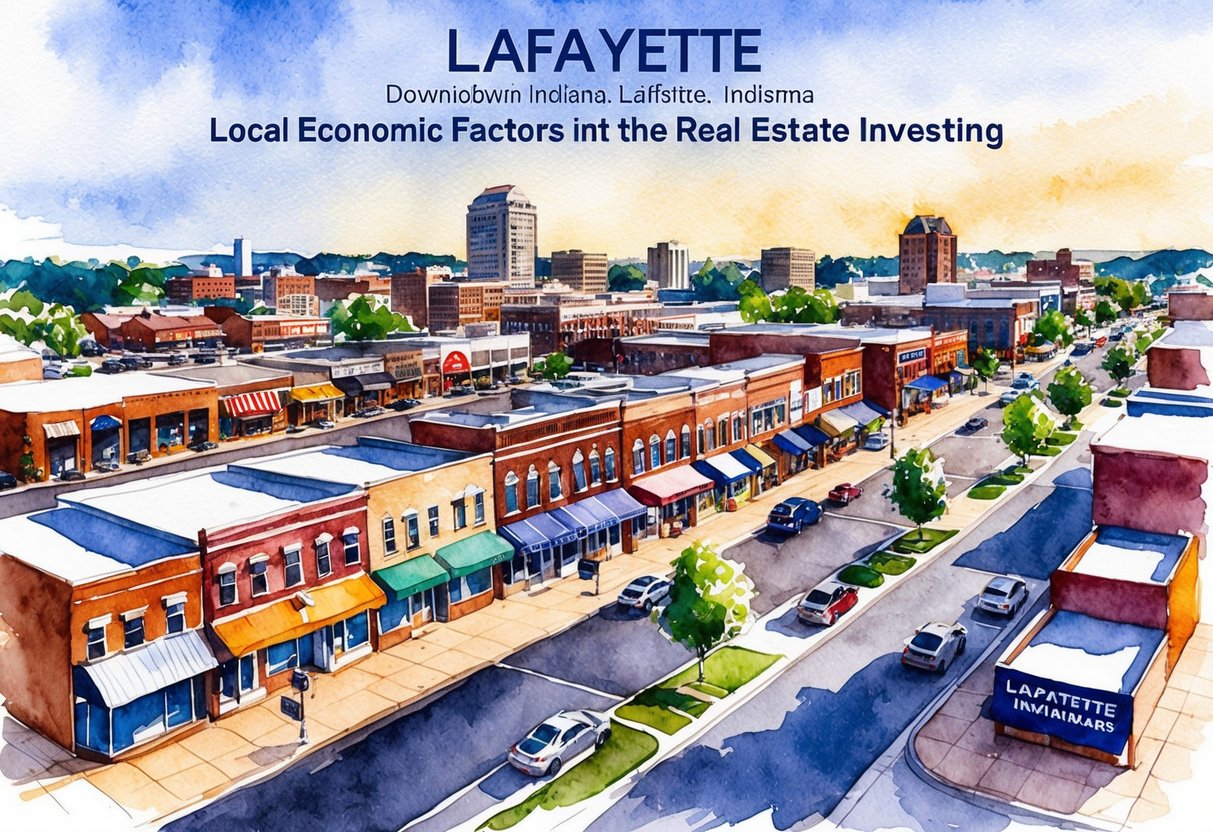
Lafayette’s real estate market is shaped by several key economic factors. Let’s explore how demographics, employment, and income levels are influencing property values and investment opportunities in this vibrant Indiana city.
Demographics and Population Trends
Lafayette’s population is growing steadily, with a median age of 32.7 years. This youthful demographic is driving demand for rental properties and starter homes.
I’ve noticed a trend of young professionals moving to the area, attracted by job opportunities and affordable living costs.
The city has seen a 5.9% decrease in housing inventory recently. This shortage is pushing up prices, creating a seller’s market. For investors, this means potential for appreciation.
New construction is trying to keep pace with population growth. But it’s not quite meeting demand yet. This gap presents opportunities for savvy real estate investors to fill the need.
Employment Diversity and Unemployment Rates
Lafayette’s job market is diverse, which helps protect the local economy from industry-specific downturns. Major employers include:
- Purdue University
- Subaru of Indiana Automotive
- Caterpillar Inc.
- Wabash National Corporation
The unemployment rate in Lafayette is lower than the national average. This stability supports a strong rental market and consistent home values.
A diverse job market means less risk for investors. If one industry struggles, others can pick up the slack, keeping the housing market stable.
Income Levels and Job Market Growth
Income levels in Lafayette are on the rise, boosting buying power for potential homeowners.
The median household income has increased over the past few years, outpacing inflation.
New jobs are being created at a steady clip.
In fact, Lafayette was ranked No. 6 on realtor.com’s list of the 20 hottest real estate markets in the U.S.
This growth is attracting new residents and driving up property values.
For investors like us, rising incomes mean tenants can afford higher rents.
It also translates to more people qualifying for mortgages, expanding the pool of potential buyers when it’s time to sell.