Kansas City, Missouri is a hidden gem for real estate investors. I’ve seen firsthand how this vibrant Midwest city offers amazing opportunities for those looking to grow their wealth through property.
The average home value in Kansas City has jumped 5.0% in the past year, reaching $242,048 as of July 2024. This upward trend shows no signs of slowing down.

Why is KC such a hot market? It’s simple - strong population growth, a robust economy, and affordable home prices create the perfect storm for investors.
The city’s population is at an all-time high, with some suburban areas seeing nearly 20% growth since 2010. This influx of residents drives demand for housing, pushing both property values and rental rates higher.
Are you ready to tap into this lucrative market?
Kansas City offers a variety of investment strategies to fit your goals. From flipping houses to building a portfolio of rental properties, the opportunities are endless.
And with 51,109 off-market investment properties available, you’re sure to find the perfect deal to kickstart your real estate empire.
Key Takeaways
- Kansas City’s real estate market is booming with rising home values and strong population growth
- Diverse investment opportunities exist, from house flipping to long-term rentals
- Educating yourself on local market trends and networking with other investors is crucial for success
Understanding Kansas City Real Estate Market
Kansas City’s real estate market offers exciting opportunities for savvy investors. Let’s take a closer look at what makes this Midwest gem tick and why it might be the perfect place to grow your wealth.
Overview of Kansas City Metro Area
Kansas City is a vibrant metropolitan area straddling two states. It’s known for its affordable housing, diverse job market, and high quality of life. The city’s central location makes it a hub for transportation and logistics.
Kansas City boasts a robust economy with key industries like healthcare, finance, and manufacturing. This economic stability creates a solid foundation for real estate investment.
The metro area is home to about 2.1 million people. It’s attracting young professionals and families, which is good news for property investors.
Because a growing population means more demand for housing.
Current Market Trends
The Kansas City real estate market is hot right now. But what does that mean for you as an investor? Let’s break it down.
Home values in Kansas City have been climbing steadily. As of July 2024, the average home value hit $242,048. That’s a 5% jump from last year. Are you seeing the potential here?
But here’s where it gets interesting. Despite rising prices, Kansas City remains one of the more affordable large metro areas in the U.S. This affordability attracts buyers and renters alike, creating opportunities for different investment strategies.
What about the rental market? It’s strong. With a growing job market and influx of young professionals, demand for rentals is high. This could mean steady cash flow for property investors.
Key Neighborhoods for Investment
Kansas City offers some hidden gems for real estate investors. These neighborhoods have unique characteristics that make them attractive for those looking to grow their wealth through property.
Highlighting Red Bridge North
Red Bridge North is a neighborhood with potential. It’s got a mix of older homes and new developments. This area is seeing population growth, which is good for investors.
The schools here are improving. That’s drawing more families. I’ve noticed home prices are still reasonable compared to other parts of the city.
There’s a community feel in Red Bridge North. It’s the kind of place where people know their neighbors. That’s attractive to renters and buyers alike.
What about amenities? There are parks and shopping centers nearby. That adds value to properties here.
Investing in Hickman Mills
Hickman Mills is an area that’s caught my eye. Why? It’s got some interesting stats. Over half the residents here rent. That’s a good sign for investors looking for rental properties.
The housing market here is unique. While other areas are seeing price jumps, Hickman Mills has stayed more affordable. That means there’s room for growth.
I’ve seen some older homes in this area. They could be great for fix-and-flip projects. Or, renovate and rent them out for steady income.
What about the future? There’s talk of new developments coming. That could boost property values down the line.
Briarcliff West’s Potential
Briarcliff West is a neighborhood that’s been on my radar. It’s got a mix of housing types. That diversity can be good for investors.
The location is a big plus. It’s close to downtown Kansas City. That’s attractive for young professionals and families alike.
I’ve noticed some newer constructions in Briarcliff West. They’re bringing in a fresh crowd. This could mean rising property values.
What about the rental market? There’s demand for upscale rentals here. That’s an opportunity for investors looking for higher-end properties.
The views in some parts of Briarcliff West are stunning. That’s a selling point that never gets old.
Types of Investment Properties in Kansas City
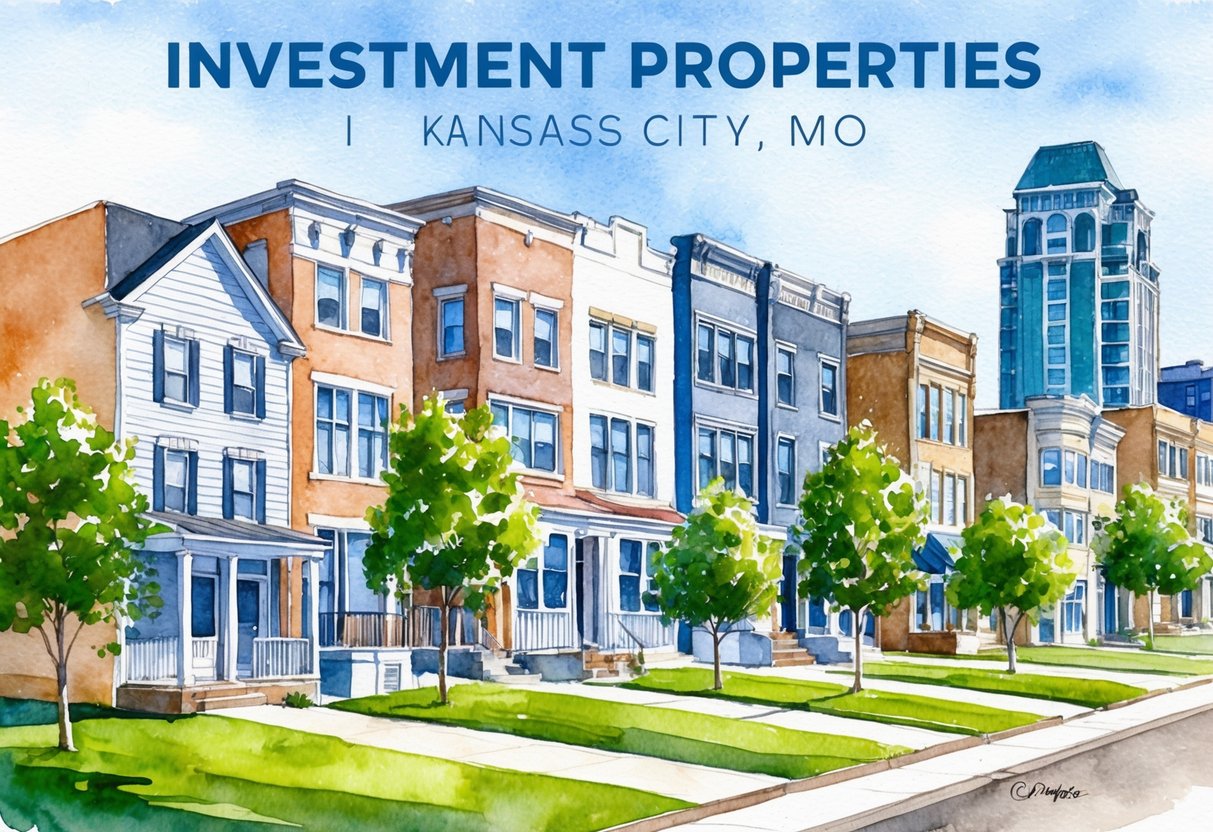
Kansas City offers a variety of real estate investment options. Each property type has its own advantages and potential for generating wealth. Let’s explore the main categories I’ve found success with in this market.
Benefits of Single-Family Homes
Single-family homes are a great starting point for new investors. I’ve seen many people build wealth this way in Kansas City. These properties are often easier to finance and manage than larger investments.
What makes single-family homes attractive? They typically appreciate well over time. Plus, tenant turnover is usually lower. Families tend to stay longer, which means more stable income for you.
In Kansas City, you’ll find affordable single-family options in various neighborhoods. The median property price is $287,190, making it accessible for many investors. Have you considered how this compares to other markets?
Exploring Condos and Townhomes
Condos and townhomes can be hidden gems in the Kansas City investment scene. They often require less maintenance than single-family homes. This can mean more time and money in your pocket.
These properties are popular with young professionals and empty nesters. In areas like Greater Downtown, you’ll find a high percentage of renters. This creates a steady demand for well-located units.
One advantage of condos is the potential for lower entry costs. You might be able to own multiple units for the price of one single-family home. Have you thought about how this could accelerate your wealth-building?
Assessing Multi-Family Residences
Multi-family properties can supercharge your investment strategy. These include duplexes, triplexes, and small apartment buildings. They offer multiple streams of rental income from a single property.
In Kansas City, multi-family investments can provide strong cash flow. The city’s growing population and job market support demand for rental housing. You’ll find opportunities in areas like West Bottoms and Hospital Hill.
One key benefit? You can live in one unit and rent out the others. This strategy can help offset your living expenses. It’s a powerful way to build equity while others pay down your mortgage. Isn’t that an exciting prospect?
Economic Indicators for Real Estate Investors

When looking at Kansas City’s real estate market, two key economic factors stand out: median household income and renter-occupied households. These indicators offer valuable insights for savvy investors seeking opportunities in this Midwest hub.
Median Household Income Data
Kansas City’s median household income is on the rise, a positive sign for real estate investors like me. As of 2024, the average home value in Kansas City is $242,048, reflecting a 5% increase from the previous year. This growth in property values correlates with increasing incomes, making the market more attractive.
I’ve noticed that higher incomes often lead to:
- Increased demand for quality housing
- Greater ability to afford higher rents
- Potential for property value appreciation
For investors, this means better returns on both rental properties and fix-and-flip projects. But remember, location within the city matters. I always research neighborhood-specific income data to pinpoint the most promising areas for investment.
Renter-Occupied Households Insights
The number of renter-occupied households in Kansas City is a goldmine of information for real estate investors. Why? Because it directly impacts the demand for rental properties.
I’ve found that Kansas City has a healthy mix of renters and homeowners. This balance creates opportunities for different investment strategies. For example, areas with a high concentration of renters might be ideal for multi-family properties or apartment buildings.
Key factors I consider:
- Rental vacancy rates
- Average length of tenancy
- Rent price trends
Kansas City’s competitive real estate landscape means limited inventory, which can drive up both property values and rental prices. As an investor, I see this as a potential for strong cash flow from rental properties.
Calculating Returns on Kansas City Real Estate
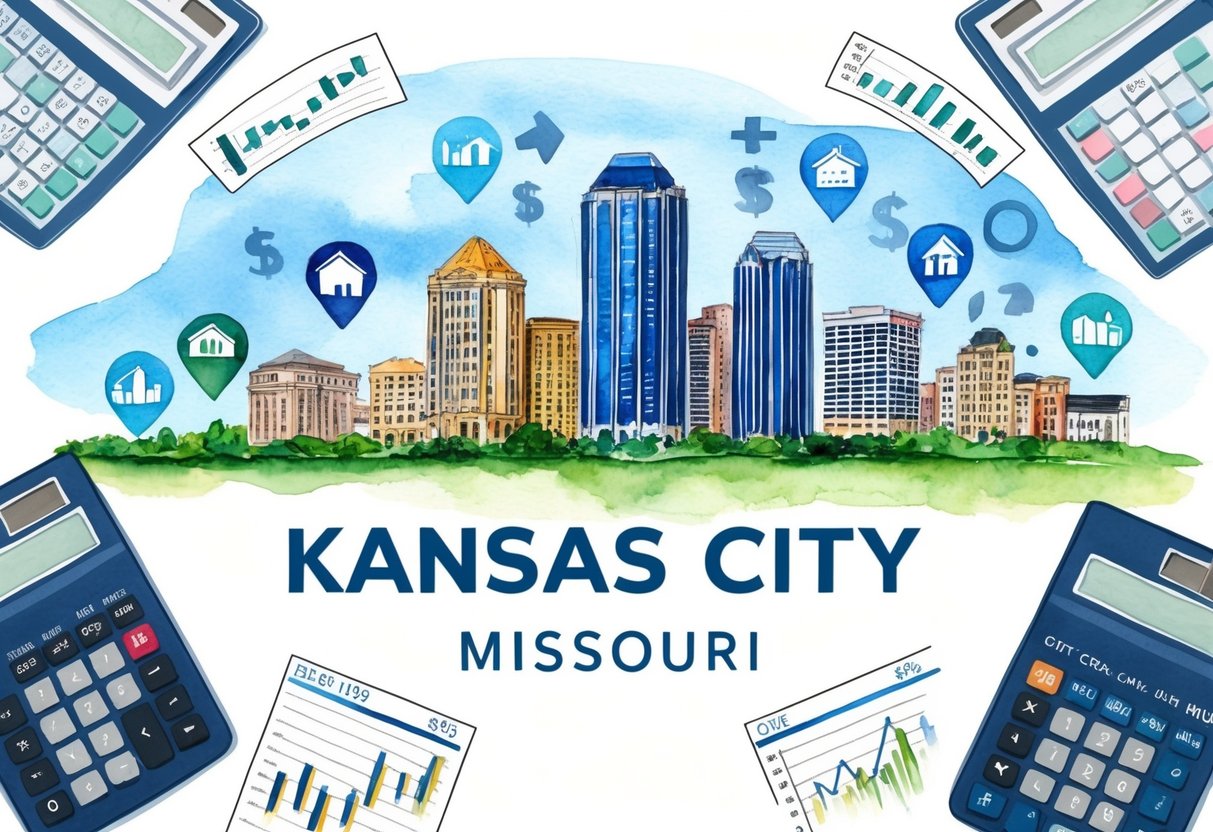
Figuring out your returns is key to smart investing in Kansas City. Let’s look at how to crunch the numbers and make your money work for you.
Understanding Cash Flow
Cash flow is the lifeblood of real estate investing. It’s the money left over after you pay all your expenses. In Kansas City, I’ve seen investors achieve solid cash flow due to affordable property prices.
Here’s a simple formula I use:
Monthly Rent - (Mortgage + Taxes + Insurance + Maintenance) = Cash Flow
For example, if you buy a $200,000 duplex in Kansas City:
- Monthly Rent: $2,000
- Mortgage: $1,000
- Taxes and Insurance: $300
- Maintenance: $200
- Cash Flow: $500
That’s $6,000 a year in your pocket! Not bad, right?
Long-Term vs Short-Term Returns
When I look at Kansas City real estate, I see two paths to wealth: quick gains and steady growth. Which one fits your goals?
Short-term returns often come from fix-and-flip strategies. Buy low, renovate, sell high. It’s exciting, but risky.
You need market knowledge and renovation skills.
Long-term returns? That’s where Kansas City shines. The city has shown consistent appreciation over the years. Plus, you get ongoing rental income.
It’s like planting a money tree that grows bigger every year.
What’s your investment style? Are you a sprinter or a marathoner? In Kansas City’s real estate market, there’s room for both.
Property Management Essentials

Managing rental properties can be a challenge. It takes time, knowledge, and effort to do it right. Let’s look at two key aspects of property management that can make or break your success as a real estate investor in Kansas City.
Selecting a Property Management Company
Choosing the right property management company is crucial. I always tell my students to look for experience and local expertise.
A good company should know Kansas City’s rental market inside and out.
What services do they offer? The best firms handle it all: • Tenant screening • Rent collection • Maintenance • Legal compliance
Don’t just go for the cheapest option. Quality matters. A great property manager can boost your returns by keeping units occupied and well-maintained.
Ask other investors for referrals. Check online reviews. Interview at least three companies before deciding.
Remember, this choice can make or break your investment.
Self-Management vs Professional Management
Should you manage properties yourself or hire a pro? It’s a question I get all the time.
The answer depends on your goals, skills, and time.
Self-management can save money, but at what cost? Do you know landlord-tenant laws? Can you handle middle-of-the-night emergencies? Be honest with yourself.
Professional management frees up your time. It lets you focus on growing your portfolio instead of fixing toilets. Yes, it cuts into profits. But what’s your time worth?
I’ve seen many investors burn out trying to do it all. There’s no shame in delegating.
The key is to run the numbers. Compare the cost of your time versus a pro’s fees.
Investing in Education for Real Estate Success

I can’t stress enough how crucial education is for real estate investors in Kansas City.
Are you ready to take your investing game to the next level?
Let’s start with the basics. Kansas City Real Estate Investor Meetups are goldmines of knowledge.
I’ve attended these myself and walked away with priceless insights every time.
But why stop there? Consider these options:
- Online courses
- Real estate seminars
- Books by successful investors
- Podcasts on real estate strategies
Remember, knowledge is power in this game. The more you learn, the better equipped you’ll be to spot lucrative opportunities.
I’ve found that joining local real estate associations can be a game-changer. They offer networking events, workshops, and access to industry experts.
Don’t forget about formal education either. Real estate licensing courses can give you a solid foundation, even if you don’t plan to become an agent.
Here’s a quick breakdown of what you should focus on:
- Market trends in Kansas City
- Financing options for investors
- Property management skills
- Legal aspects of real estate
Investing in your education might seem costly at first. But trust me, it’s nothing compared to the potential losses from uninformed decisions.
Are you ready to commit to your real estate education?
The path to success in Kansas City’s real estate market starts with knowledge.
Don’t wait - start learning today!