
Kansas City, KS is a hidden gem for real estate investors like me. I’ve seen firsthand how this vibrant city offers fantastic opportunities for those looking to grow their wealth through property.
The average home value in Kansas City, MO is $242,048, showing a solid 5.0% increase over the past year. This growth is exciting news for investors seeking strong returns.

I love how Kansas City combines affordability with potential. The city’s population is at an all-time high, and some suburban areas have grown by nearly 20% since 2010.
This influx of residents means a growing demand for housing, which is music to an investor’s ears. Plus, with 39 investment properties currently listed on Zillow, there’s no shortage of options to explore.
What really catches my eye about Kansas City is its diverse investment landscape. From single-family homes to multi-unit buildings, the possibilities are endless.
And let’s not forget the local real estate investing community – a goldmine of knowledge and connections for both newbies and seasoned pros alike. Are you ready to take advantage of this booming market?
Key Takeaways
- Kansas City’s real estate market shows strong growth with rising home values and population.
- A variety of investment properties are available to suit different strategies and budgets.
- Networking with local real estate professionals can provide valuable insights and opportunities.
Understanding the Kansas City KS Real Estate Market

Kansas City’s real estate market offers unique opportunities for savvy investors. The city’s economic landscape, population trends, and metro area dynamics all play crucial roles in shaping its housing market.
Economic Factors Affecting Real Estate in Kansas City
Kansas City’s economy has been on an upswing, catching my eye as a potential goldmine for real estate investors. The city’s unemployment rate is lower than the national average, which bodes well for housing demand.
What does this mean for you? A stable job market often translates to steady rental income. I’ve seen many investors overlook this crucial factor, but it’s a game-changer.
The city’s diverse economy, spanning healthcare, finance, and manufacturing, provides a solid foundation for long-term growth. Isn’t it reassuring to know your investment is backed by such a robust economic structure?
Population Growth and Housing Demand
I’ve noticed a fascinating trend in Kansas City - people are flocking here! This population growth is music to an investor’s ears. Why? More people mean more potential tenants and buyers.
The Kansas City metro area has seen significant growth, driving up housing demand. This surge has led to an increase in property values, with the average home value hitting $242,048 in July 2024, a 5% jump from the previous year.
Are you starting to see the potential here? It’s like finding a hidden treasure chest in your own backyard!
Kansas City Metro Area Overview
The Kansas City metro area is a mosaic of diverse neighborhoods, each with its own charm and investment potential. I’ve found that understanding these micro-markets is key to making informed decisions.
Some neighborhoods, like KCI-2nd Creek, boast median listing prices as high as $518,000. But don’t let that scare you off - there are plenty of more affordable options too.
The metro area’s expansion has created new hotspots for investment. Have you considered looking beyond the city center? Sometimes, the best opportunities lie just outside the usual hunting grounds.
Key Benefits of Investing in Kansas City KS
Kansas City offers compelling opportunities for real estate investors. The market boasts strong cash flow potential, steady home appreciation, and a chance to diversify portfolios through property investments.
Cash Flow Opportunities
Are you tired of low-yield investments? Kansas City’s real estate market might be your answer. The city’s average home value of $242,048 creates an attractive entry point for investors. This moderate price point, combined with strong rental demand, sets the stage for positive cash flow.
I’ve found that many Kansas City properties can generate monthly rental income that exceeds mortgage payments and operating expenses. This excess is what we call cash flow – the lifeblood of successful real estate investing.
Consider multi-family properties or single-family homes in up-and-coming neighborhoods. These often offer the best cash flow potential. Remember, location is key. Look for areas with good schools, low crime rates, and easy access to amenities.
Home Appreciation Trends
Want to build long-term wealth? Kansas City’s real estate appreciation trends make it a prime market for investors. The city has seen a 5.0% increase in home values year-over-year. That’s a solid growth rate that outpaces inflation.
But what’s driving this growth? I see several factors:
- Population growth
- Economic development
- Infrastructure improvements
These elements contribute to sustained demand for housing, pushing prices upward over time. While past performance doesn’t guarantee future results, the trend is promising for investors looking to build equity.
Diversification Through Real Estate
Ever heard the saying “Don’t put all your eggs in one basket”? That’s what diversification is all about. Kansas City real estate offers a unique way to diversify your investment portfolio.
Real estate often moves differently from stocks and bonds. When the stock market dips, real estate can provide stability. In Kansas City, I see opportunities in:
- Residential properties
- Commercial buildings
- Mixed-use developments
Each of these can offer different returns and risk profiles. By spreading your investments across various property types and locations within Kansas City, you’re not just diversifying – you’re building a robust, resilient portfolio.
Remember, real estate is a tangible asset. Unlike stocks, you can see and touch your investment. It’s real, it’s there, and it’s working for you every day.
Types of Investment Properties in Kansas City
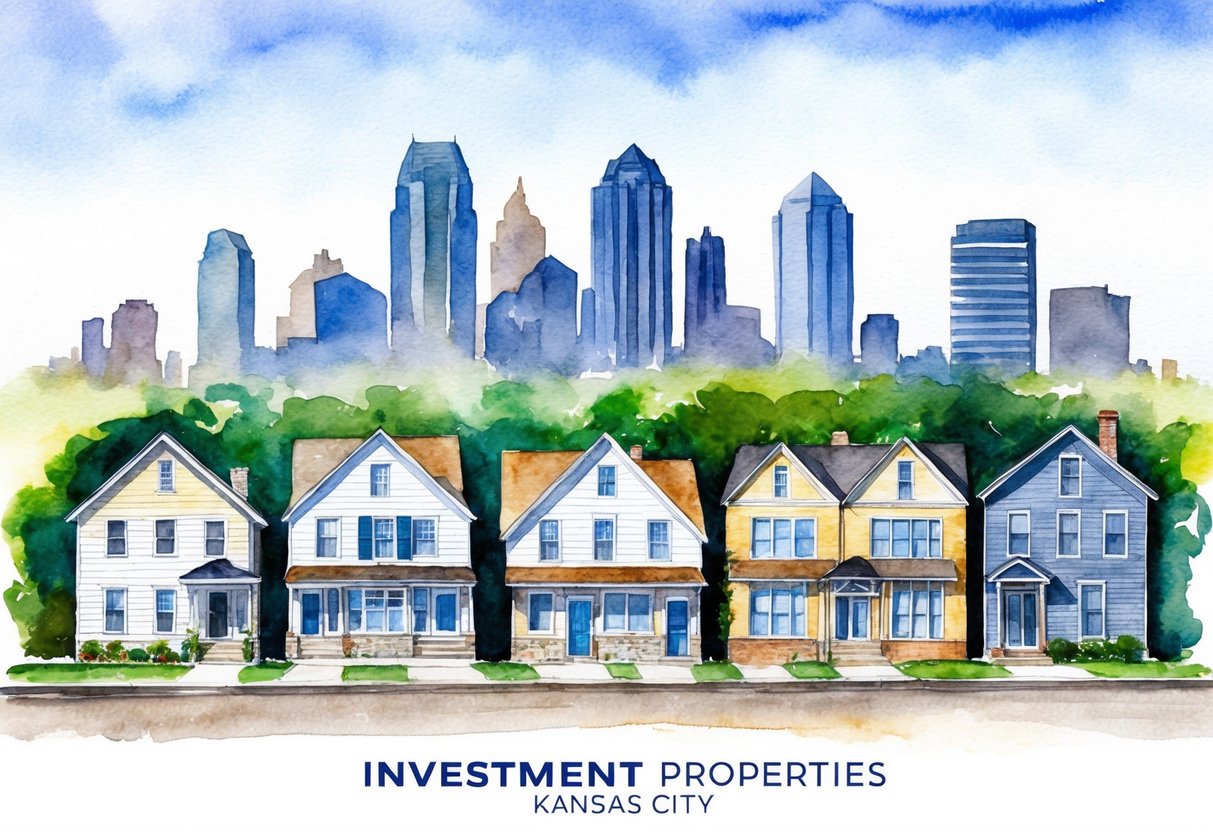
Kansas City offers a variety of investment properties to suit different strategies and goals. From residential options to commercial spaces, the city’s real estate market has something for every investor.
Single-Family Homes vs. Multi-family Units
I’ve found that single-family homes are popular among new investors in Kansas City. They’re easier to manage and often have lower upfront costs. These properties can be great for long-term appreciation and steady rental income.
Multi-family units, on the other hand, can provide higher cash flow. Duplexes, triplexes, and small apartment buildings are common in Kansas City neighborhoods. They allow me to spread risk across multiple tenants and potentially earn more rent per square foot.
Which is better? It depends on your goals. Single-family homes might be simpler, but multi-family units could boost your income faster. I always recommend analyzing each property’s potential carefully before making a decision.
Commercial Properties and Office Spaces
Commercial real estate in Kansas City can be lucrative, but it comes with unique challenges. Office spaces, retail locations, and industrial properties fall into this category.
I’ve noticed that Kansas City’s downtown area has seen growth in office space demand. However, suburban office parks are also attracting businesses looking for lower costs and ample parking.
Retail properties can be tricky. Location is crucial. I always look for high-traffic areas with good visibility. Strip malls and stand-alone buildings near residential areas often perform well.
Industrial properties, including warehouses and distribution centers, are gaining popularity due to e-commerce growth. These can offer stable, long-term leases with corporate tenants.
Vacant Land and Development Opportunities
Vacant land might not produce immediate income, but it can be a goldmine for patient investors. Kansas City has areas ripe for development, especially in growing suburbs.
I look for land in paths of growth or near planned infrastructure improvements. Zoning is key – understanding local regulations can help me spot opportunities others might miss.
Development can be complex, but the rewards can be substantial. Options include:
- Building new homes or multi-family units
- Creating commercial spaces
- Subdividing larger parcels
Remember, vacant land requires less maintenance than built properties, but it also doesn’t generate rent while you wait for appreciation or development opportunities.
Strategies for Real Estate Investing
Real estate investing in Kansas City offers several profitable approaches. Let’s explore three key strategies that can help you build wealth and secure your financial future.
Buy and Hold Strategy
I’ve found that buying and holding property is a great way to generate passive income. In Kansas City, this strategy can be particularly effective due to the city’s steady economic growth. Here’s how it works:
- Purchase a property in a promising neighborhood
- Rent it out to reliable tenants
- Collect monthly rental income
- Watch your property appreciate over time
The key is to choose properties wisely. Look for areas with good schools, low crime rates, and upcoming developments. These factors can increase your property’s value and attract quality tenants.
Remember, patience is crucial. The real wealth in this strategy often comes from long-term appreciation.
Fix and Flip Method
Want quicker returns? The fix and flip method might be your answer. It involves:
- Buying undervalued properties
- Renovating them to increase their worth
- Selling for a profit
Kansas City’s diverse neighborhoods offer plenty of opportunities for this strategy. But be careful - it’s not as easy as TV shows make it seem.
You’ll need:
- A keen eye for undervalued properties
- Reliable contractors
- Solid market knowledge
Don’t forget to factor in all costs, including taxes, when calculating potential profits. It’s easy to overspend on renovations if you’re not careful.
Wholesaling Real Estate
Wholesaling is a strategy that doesn’t require much capital. It’s all about finding great deals and connecting buyers with sellers. Here’s the process:
- Find a property seller willing to sell below market value
- Get the property under contract
- Find an interested buyer (often another investor)
- Assign the contract to the buyer for a fee
This method can be lucrative, but it requires hustle. You’ll need to build a network of potential buyers and sellers. Kansas City’s real estate investment community can be a great resource for this.
Remember, wholesaling isn’t about property ownership. It’s about being the middleman. Your profit comes from the fee you charge for connecting the buyer and seller.
Financing Your Kansas City Real Estate Investments

Finding the right financing is key to success in Kansas City real estate. I’ve seen many investors struggle without proper funding.
Let’s explore some smart options to fuel your investments.
Conventional Mortgages and Loans
Conventional loans are a solid choice for many Kansas City investors. Banks and credit unions offer these loans with competitive interest rates.
I’ve found that a good credit score and a 20% down payment can help you secure favorable terms.
What about investment properties? Lenders often require a higher down payment, usually 25-30%.
It’s important to shop around and compare offers from different lenders. Don’t forget to factor in closing costs and fees.
Have you considered an FHA loan? These can be great for first-time investors, with down payments as low as 3.5%. But remember, you’ll need to live in one unit of a multi-unit property to qualify.
Leveraging Hard Money Lenders
Hard money lenders can be a game-changer for Kansas City investors. These loans are based on the property’s value, not your credit score.
I’ve used them for quick deals and fix-and-flips.
Why choose hard money? It’s fast. You can often get funding in days, not weeks. But be prepared for higher interest rates and shorter terms.
It’s crucial to have a solid exit strategy.
Some top Kansas City hard money lenders offer loans up to 75% of the after-repair value. This can be a big help for major renovations. Always compare rates and terms from multiple lenders before deciding.
Creative Financing Options
Think outside the box! Creative financing can open doors to deals you might otherwise miss.
Have you considered owner financing? It’s where the seller acts as the bank, potentially offering more flexible terms.
What about private money lenders? These could be friends, family, or other investors. I’ve found success by networking at local real estate events to find potential partners.
Don’t overlook lease options or subject-to deals. These strategies can help you control properties with little money down. But make sure you understand the legal implications before jumping in.
Managing Your Investment Properties
Owning rental properties in Kansas City can be rewarding, but it requires careful management. I’ve learned that success comes from staying on top of key areas like property management, occupancy rates, and maintenance.
Effective Property Management
Property management is crucial for real estate investing success. Should I manage my properties myself or hire a professional? There are pros and cons to each approach.
Self-management gives me more control and saves on fees. But it demands significant time and effort. I need to handle tenant screening, rent collection, and maintenance requests.
Hiring a property management company can free up my time and provide expertise. They typically charge 8-12% of monthly rent.
For me, it’s worth considering if I have multiple properties or live far from my investments.
Understanding Occupancy Rates
Occupancy rates directly impact my rental income. In Kansas City, what’s a good rate to aim for?
Generally, I want to keep occupancy above 90%. Lower rates may signal issues with property condition, pricing, or local market factors.
To improve occupancy, I focus on:
- Competitive pricing
- Regular property upgrades
- Responsive maintenance
- Effective marketing
- Thorough tenant screening
By keeping properties occupied, I maximize my cash flow and long-term returns.
Property Maintenance and Upkeep
Regular maintenance protects my investment and keeps tenants happy. What’s my strategy for upkeep?
I create a maintenance schedule covering:
- Seasonal tasks (gutter cleaning, HVAC checks)
- Annual inspections (roof, plumbing, electrical)
- Periodic updates (paint, flooring, appliances)
I set aside 1-2% of property value annually for repairs and capital improvements. This helps me avoid surprise expenses.
For day-to-day issues, I establish a clear process for tenants to report problems. Quick responses to maintenance requests can improve tenant satisfaction and retention.
Real Estate Networking and Professional Guidance

Connecting with the right people and gaining expert knowledge are crucial for success in Kansas City’s real estate market. Let’s explore how to build a strong network and get professional guidance to make smart investment choices.
The Role of a Realtor in Investment Decisions
A skilled realtor can be your secret weapon in the real estate game. They know the local market inside and out, which is invaluable when you’re looking for good deals. I’ve found that realtors often have the inside scoop on properties before they hit the market.
But here’s the key: don’t just pick any realtor. Find one who specializes in investment properties. They’ll understand your goals and can help you crunch the numbers to ensure a good return on investment.
Ask potential realtors about their experience with investors. How many deals have they closed? What’s their strategy for finding undervalued properties?
A great realtor will be your partner in building wealth through real estate.
Local Real Estate Investment Groups
Real estate investment groups are goldmines for networking and learning. In Kansas City, MAREI (Mid-America Association of Real Estate Investors) is a standout organization. These groups are where you’ll meet like-minded investors, lenders, and other professionals.
Attending meetings regularly can open doors to:
- Joint venture opportunities
- Private lending deals
- Insider tips on upcoming properties
I’ve seen many successful partnerships form at these gatherings. It’s not just about what you know, but who you know in this business.
Don’t be shy – introduce yourself and share your investment goals. You never know who might have the perfect property or the capital you need for your next deal.
Continuing Education and Events
The real estate market is always changing, and staying informed is crucial. Kansas City offers various events for investors to keep learning and growing.
Look for:
- Workshops on tax strategies
- Seminars on market trends
- Courses on property management
I make it a point to attend at least one educational event each quarter. It’s not just about the content – it’s also a chance to network with speakers and other attendees.
Many local real estate groups host regular meetups. These informal gatherings are perfect for exchanging ideas and getting feedback on potential deals. Remember, in real estate investing, your education never stops.
The Impact of Local Developments on Investments

Kansas City is buzzing with new developments that are reshaping the real estate landscape. These changes are creating exciting opportunities for savvy investors who know where to look. Let’s explore how local projects are influencing property values and investment potential.
Downtown Kansas City Revitalization Projects
I’ve seen firsthand how downtown Kansas City is transforming. Over $3 billion has been invested in the area in just five years. This isn’t small change, folks. It’s a game-changer for real estate investors.
What’s catching my eye? The planned Kansas City Royals ballpark district. Think about it - a new stadium means new businesses, new jobs, and new housing demand. It’s a triple play for property values.
The South Loop Project and West Bottoms Redevelopment are also on my radar. These projects are breathing new life into once-overlooked areas. As an investor, I’m always looking for the next up-and-coming neighborhood. These developments might just be the ticket.
Key Infrastructure and Employment Initiatives
Infrastructure and jobs - two pillars of a strong real estate market. Kansas City is making moves in both areas, and I’m paying close attention.
The city’s varied job market is a major plus. Healthcare, finance, and manufacturing are driving growth. More jobs mean more people needing homes. It’s simple supply and demand.
But here’s a twist - some big players are entering the market. Companies like VineBrook Homes now own over 1,000 properties in the area. This corporate presence is changing the game for individual investors. We need to be smarter and more strategic to compete.
The Influence of Schools on Property Values
Let’s talk schools. In my experience, good schools are like magnets for property values. They attract families, and families need homes.
Kansas City has some strong school districts, but it’s not all rosy. The key is to do your homework. Research test scores, graduation rates, and school ratings. Look for areas where schools are improving - that’s where you might find hidden gems.
Remember, it’s not just about the schools themselves. Sports programs, after-school activities, and community involvement all play a role. These factors can make a neighborhood more desirable, driving up demand and prices.
Are you considering investing near a school? Think beyond just families. Teachers and staff need housing too. It’s another angle to consider in your investment strategy.
Emerging Neighborhoods and Areas to Watch

Kansas City’s real estate market is buzzing with exciting opportunities. I’ve spotted some promising areas that savvy investors should keep an eye on. Are you ready to discover where the next big returns might be hiding?
Lenexa: A Growing Suburban Market
Lenexa is quickly becoming a hotspot for real estate investors. Why? It’s simple - this suburb is booming with new developments and attracting young families in droves.
I’ve noticed a surge in high-tech jobs here, which is driving up demand for housing. The City Center area is particularly interesting, with its mix of residential and commercial spaces.
What about passive income potential? Lenexa’s rental market is strong, especially for single-family homes and townhouses. With low vacancy rates, properties here can provide steady cash flow.
Lee’s Summit: Family-Friendly and Expanding
Lee’s Summit is a gem I can’t ignore. This fast-growing suburb east of Kansas City is perfect for those looking to invest in family-friendly neighborhoods.
The town’s excellent schools and parks make it a magnet for families. I’ve seen property values climb steadily here over the past few years.
New housing developments are popping up, offering fresh opportunities for investors. Multi-family units near the revitalized downtown area are especially promising for generating passive income.
Independence and Shawnee: Potential for Investors
Independence and Shawnee are two areas I’m watching closely. They offer a mix of affordability and growth potential that’s hard to beat.
In Independence, I’ve noticed a trend of young professionals moving in. They’re drawn by lower housing costs and easy access to Kansas City.
The rental market here is robust, with many properties offering attractive returns.
Shawnee, on the other hand, is seeing an influx of new businesses. This is creating jobs and boosting demand for both residential and commercial real estate. Are you ready to get in on the ground floor of this growth?
Both cities have ongoing revitalization projects. These efforts are likely to increase property values in the coming years. For investors looking for long-term appreciation, these areas deserve a closer look.